Your 5-month-old is entering a vibrant phase of discovery, mastering new movements and interactions that lay the foundation for future independence. This period brings rapid advances in physical strength, sensory awareness, and social bonds, transforming daily routines into moments of joy and wonder.
Mastering Movement: Physical Achievements
At around 5 months, infants typically gain significant control over their bodies, enabling purposeful actions that signal growing strength and coordination. Babies often begin rolling from tummy to back and sometimes back to tummy, a milestone that showcases their ability to shift weight independently. This skill emerges between 22-26 weeks and marks the start of mobile exploration, prompting parents to secure changing areas on the floor to prevent unexpected rolls.
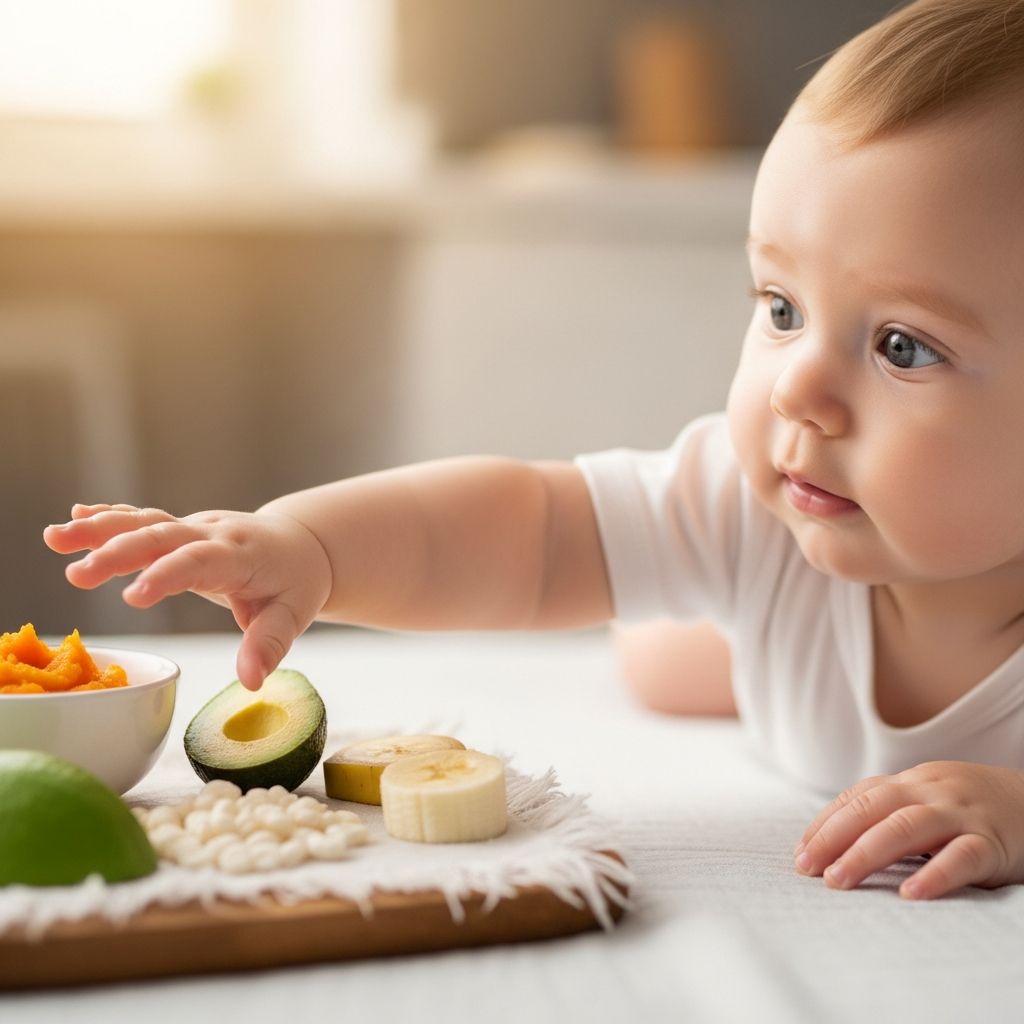
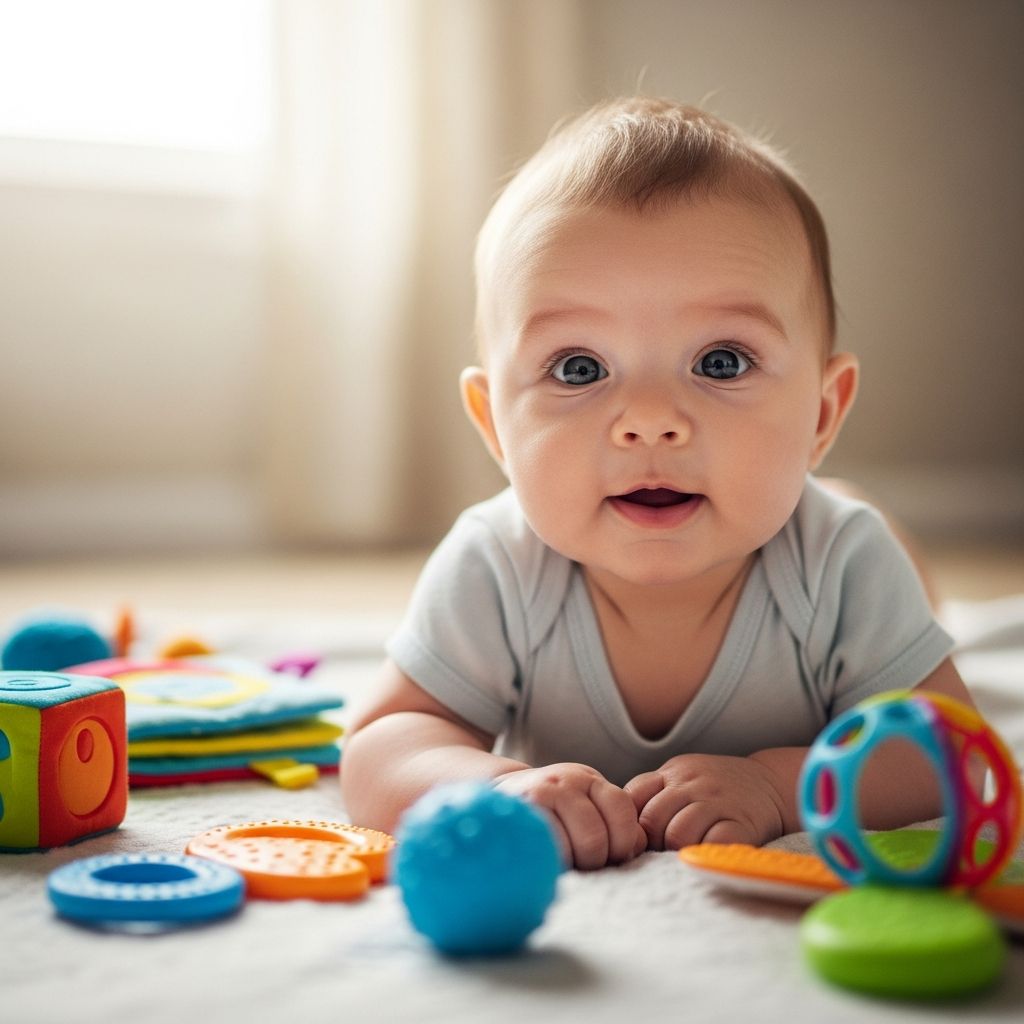
Supported sitting becomes feasible, with little ones holding their heads steady and upper body upright when propped by pillows or a caregiver’s hands. They push up on arms during tummy time, lifting chest and shoulders while extending legs, which builds core muscles essential for eventual unassisted sitting. Reaching and grasping objects with both hands is common, as is banging toys on surfaces, demonstrating improved hand-eye coordination and bilateral use.
- Rolls over in both directions
- Sits with support, straightens back
- Pushes up on tummy, holds head balanced
- Grabs and shakes toys, passes hand-to-hand
- Kicks legs purposefully, makes swimming motions
These gross motor developments, supported by sources like the CDC, vary slightly among infants but indicate healthy neuromuscular progress. Fine motor skills shine as babies swipe at dangling items, hold small objects, and explore them by mouthing, fostering dexterity.
Communication Breakthroughs: Sounds and Expressions
Language foundations solidify through vocal play. Expect coos, squeals, gurgles, and repetitive babbling like ‘baba,’ ‘gaga,’ or ‘goo,’ often paired with smiles and eye contact during interactions. Babies respond to sounds by mimicking tones, turning toward voices—especially familiar ones—and vocalizing back, creating turn-taking ‘conversations’ that boost social-emotional growth.
By 5 months, many blow raspberries (lip trills), a fun precursor to more complex syllables like ‘da’ or ‘ma’ by 6 months. Emotional expression expands; infants use cries, laughs, and facial cues to convey joy, frustration, or curiosity, recognizing parental voices and smiling spontaneously. Peek-a-boo and pat-a-cake games elicit excited responses, strengthening bonds.
| Sound Milestone | Description | Typical Age Onset |
|---|---|---|
| Babbling (e.g., ‘gaga’) | Repetitive syllables with coos | 4-5 months |
| Raspberries | Tongue protrusion and blowing | 5-6 months |
| Squeals and tone mimicry | Copies caregiver’s pitch changes | 5 months |
| Emotional vocalizations | Sounds for happiness or distress | 4-6 months |
Mayo Clinic notes these interactions as critical for speech pathways, with variations normal unless accompanied by hearing concerns.
Sensory Awakening: Vision, Hearing, and Beyond
Sensory integration accelerates, with full color vision allowing fascination for patterns, contrasts, and faces at distance. Infants track moving objects smoothly, maintain focus on toys or mirrors for seconds, and coordinate eyes with hands for precise swipes. They turn heads to sounds, smile at parental voices, and show preferences for complex visuals like leaves or mobiles.
Hearing sharpens, enabling recognition of familiar people and objects from afar. Tactile exploration via mouthing everything refines touch sensitivity, while smells and tastes from feeds enhance overall perception. Cleveland Clinic emphasizes these as precursors to cognitive leaps.
Daily Routines: Sleep, Feeding, and Self-Soothing
Sleep patterns mature, with 6-8 hours possible at night and 2-3 daytime naps totaling 14-15 hours daily. Drooling increases—not always teething-related—and babies may grab feet on their back.
Feeding settles into routines: breastfed infants nurse 8+ times/24 hours; formula-fed take 6 ounces every 3-4 hours. Interest in solids emerges, though milk remains primary. Babies close lips to refuse, open for spoons, signaling readiness cues.
Self-soothing advances include sucking thumbs, calming when held or spoken to, and fussing from boredom—prompting interactive play.
Social and Emotional Growth: Building Connections
Babies distinguish familiar faces, light up at caregivers, and imitate expressions. They enjoy mirrors, cry at play’s end, and hold arms out to be picked up, fostering secure attachments. CDC milestones include knowing familiars and mirror self-gaze by 6 months.
Activity Ideas to Boost Development
Engage senses with outdoor strolls for new sights/sounds, responsive babbling exchanges, tummy time for strength, and toy play for grasping. Supervise rolls, use safe toys, and limit screens per AAP guidelines.
- Daily tummy time: 20-30 minutes builds push-up strength
- Music and rhymes: Encourage vocal turn-taking
- Textured toys: Promote fine motor exploration
- Mirror play: Sparks self-recognition
- Gentle massages: Enhance body awareness
Health Checkpoints and When to Consult a Doctor
Track milestones via CDC checklists; consult if no rolling by 6 months, poor head control, no babbling, or unequal limb use. Routine checkups assess weight (doubling birth weight), vaccines, and growth curves. Variations are common; early intervention aids if needed.
Frequently Asked Questions
Is my 5-month-old on track if not rolling both ways yet?
Yes, many master tummy-to-back first; back-to-tummy follows. Discuss at 6-month visit if absent.
How often should a 5-month-old eat?
8-12 feedings/24 hours for breastfed; 5-6 for formula, 6-8 oz each. Follow hunger cues.
Why is my baby drooling so much?
Increased saliva production aids digestion; not always teething. Wipe gently to prevent rash.
Can I start solids at 5 months?
Interest shows, but wait until 6 months per AAP/CDC unless advised otherwise.
How much tummy time is enough?
Aim for 15-30 minutes total daily, in short sessions, for motor gains.
Supporting Your Baby’s Journey Ahead
Nurture with patience, play, and observation. Celebrate small wins like first rolls or babbles, creating lasting memories while monitoring progress collaboratively with pediatricians.
References
- 5 month old baby milestones: Development, growth, speech, language — Huckleberry Care. 2025-12-29. https://huckleberrycare.com/blog/5-month-old-baby-milestones-development-growth-speech-language-and-more
- Developmental Milestones for Infants (0-6 months) — Coral Care. N/A. https://www.joincoralcare.com/developmental-guides/milestones-0-6-months-infants
- Baby Development at 4-6 Months — CHOC. N/A. https://choc.org/ages-stages/4-to-6-months/
- Infant development: Milestones from 4 to 6 months — Mayo Clinic. N/A. https://www.mayoclinic.org/healthy-lifestyle/infant-and-toddler-health/in-depth/infant-development/art-20048178
- Milestones by 6 Months | Learn the Signs. Act Early. — CDC. N/A. https://www.cdc.gov/act-early/milestones/6-months.html
- Baby Developmental Milestones By Month — Cleveland Clinic. N/A. https://my.clevelandclinic.org/health/articles/22063-baby-development-milestones-safety
- CDC’s Developmental Milestones | Learn the Signs. Act Early. — CDC. N/A. https://www.cdc.gov/act-early/milestones/index.html