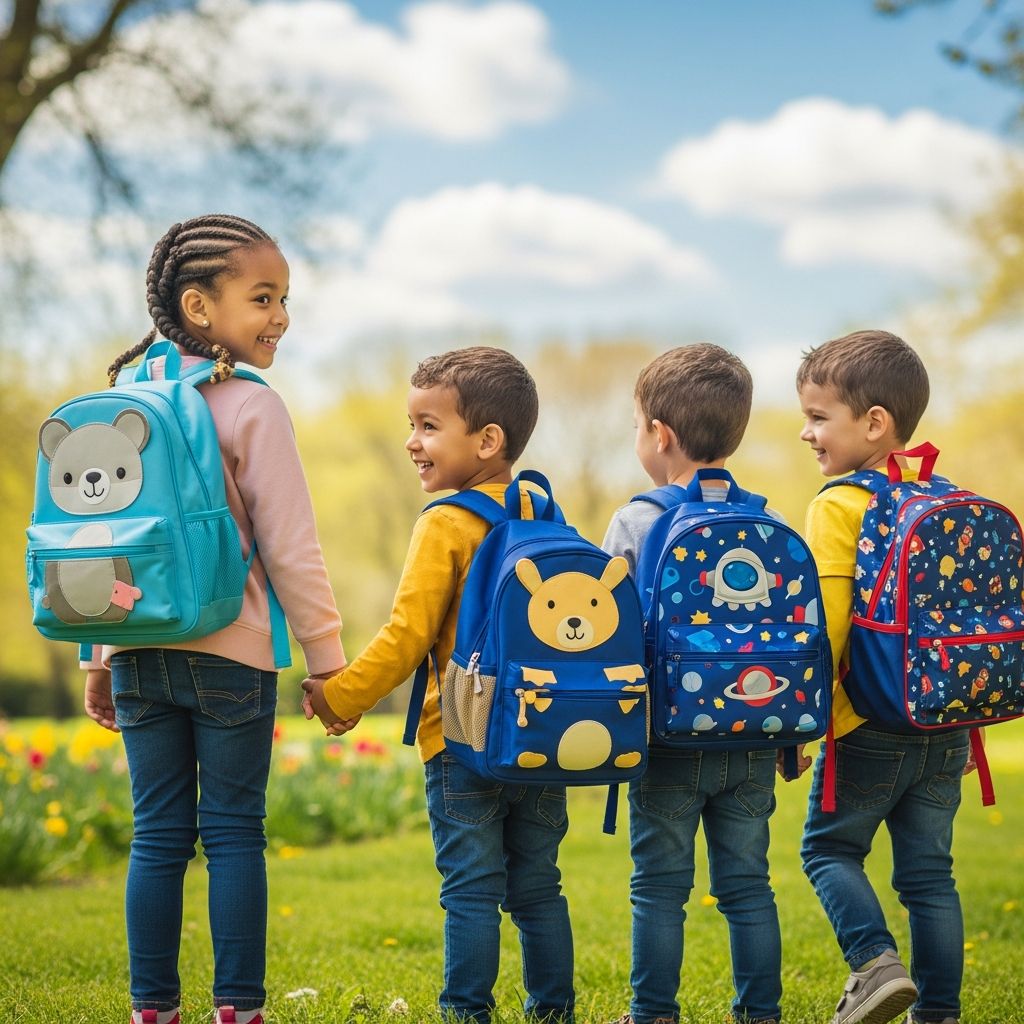
That first backpack can feel like a milestone: suddenly your tiny preschooler looks like a “big kid,” ready for school, adventures, and playdates. A small backpack is more than a cute accessory, though; it is a daily tool that affects comfort, posture, and how independently a child can manage their own things.
This guide walks through what to look for in a little kid–sized backpack, from size and weight to features, safety considerations, organization ideas, and style. It is designed for parents of toddlers, preschoolers, and early elementary children who want something practical, comfortable, and still fun.
Why Backpack Fit Matters for Young Children
Young children’s bodies are still growing, and the way they carry weight can influence how they feel at the end of a school day. An oversized or overstuffed backpack can strain small shoulders, encourage slouching, and make trips up stairs or on the playground feel awkward. Choosing a backpack that matches your child’s size and schedule helps protect their comfort and confidence.
Parents sometimes focus only on patterns or price, but fit and support are just as important. The right backpack encourages good posture, stays close to the body, and allows a child to walk, run, and climb without needing to constantly tug it back into place.
Ideal Size and Proportion for Little Kids
A backpack for a little kid should look like it belongs to them, not like they borrowed it from an older sibling. When worn, the top should sit near the shoulders and the bottom should not hang lower than their lower back. The bag should be narrower than their torso so it does not bump their arms with each step.
Think in terms of “day’s worth of needs,” not “mini luggage.” Most preschool and early elementary students only need to carry a folder, a light sweater, a water bottle, and perhaps a lunchbox or small toy. Choosing a smaller capacity naturally limits overload and encourages more thoughtful packing.
Quick visual fit check
- The top of the backpack rests near the tops of the shoulders.
- The bottom of the backpack stops above the curve of the lower back, not at the hips or thighs.
- The width of the backpack is equal to or less than the width of the child’s back.
- When loaded, the child can stand up straight without leaning forward to balance the bag.
Weight Guidelines: How Heavy Is Too Heavy?
Even a well-fitted backpack can be uncomfortable if it is too heavy. A simple rule of thumb is to keep the backpack’s total weight to a small fraction of the child’s body weight. For very young children, lighter is always better. If you pick up the bag and feel surprised by how heavy it is, it is almost certainly too much for them.
Regularly empty the backpack to remove forgotten toys, art projects, or collections of rocks and sticks. A weekly “clean out your bag” ritual helps maintain a comfortable weight and teaches kids to be aware of what they carry.
| Child’s approximate weight | Suggested safe backpack range | What that usually holds |
|---|---|---|
| 30–40 lbs (typical older toddler) | Up to a few pounds | Change of clothes, snack, small water bottle, comfort toy |
| 40–50 lbs (typical preschooler) | Light daily load | Folder, lunch, sweater, water bottle |
| 50–70 lbs (young elementary) | Moderate daily load | Folder, light homework, lunch, water, sweater, small library book |
Key Comfort Features to Look For
Comfort features turn a cute bag into one your child can actually wear happily day after day. While flashy extras are fun, prioritize elements that help distribute weight and protect small shoulders and backs.
1. Shoulder straps that support, not dig
- Wide straps: Thin straps press into the shoulders; wider straps spread the load across more surface area.
- Padding: A bit of cushioning helps keep buckles and webbing from digging in, especially over thin shirts.
- Adjustability: Straps should tighten enough to keep the backpack snug against the back but loosen for coats and layers.
2. Back panel that protects and cushions
- Light padding: A padded back panel keeps book corners and lunchbox edges from poking into the spine.
- Smooth interior: Internal seams and pockets should not create hard ridges that rest directly on the back.
3. Optional chest and waist straps
On very small children or on days with heavier loads, a chest clip or waist strap can help keep the backpack centered and prevent it from sliding off or swinging side to side. Many preschool-sized backpacks now include a simple chest strap that clips near the sternum; this is especially helpful for narrow-shouldered kids.
Waist straps are less common on tiny bags but can be useful for children who walk longer distances. They shift some of the load to the hips, keeping weight from hanging entirely off the shoulders.
Materials, Durability, and Easy Cleaning
Young kids are not gentle with their gear. Backpacks get dragged, dropped, stepped on, and occasionally used as impromptu pillows. Choosing durable, easy-care materials can extend the life of the bag and save money over the school year.
- Fabric: Midweight nylon or polyester stands up well to daily wear, light rain, and playground dust. Canvas can be sturdy but sometimes heavier for small bodies.
- Zippers: Look for metal or high-quality plastic zippers with large pulls that small hands can grasp. Double zippers on the main compartment make it easier to open from either side.
- Seams and stitching: Reinforced stitching, especially where straps attach, helps prevent ripping when kids grab the backpack by one strap.
- Cleaning: Check if the bag can be wiped clean with a damp cloth or lightly hand-washed. Light-colored interiors also make it easier to see and clean up spills.
Organization: Keeping Little Things Under Control
A thoughtful layout helps children find what they need quickly and can prevent all the weight from collecting in one bulky pocket. Too many compartments, however, can be confusing for younger children who are just learning to manage their belongings.
Helpful interior and exterior features
- Main compartment: Should be large enough for a standard folder or small notebook to lie flat without bending.
- Front pocket: Ideal for a snack, tissues, or a small pencil case so they are not buried under bigger items.
- Side pockets: Elasticized pockets hold water bottles or umbrellas upright and separate from papers and art projects.
- Internal label: A sewn-in name label or ID pocket helps bags find their way back from the lost-and-found.
Safety Features Beyond Comfort
A little attention to safety details can make a big difference, particularly for children who walk to school, ride bikes, or spend time near busy parking areas. Many kid backpacks now include built-in visibility and security features that parents once had to add on themselves.
- Reflective accents: Piping, patches, or zipper pulls that reflect light make children more visible at dawn, dusk, or on cloudy days.
- Secure closures: Zippers that fully close and pockets that do not gape keep small items from falling out on the bus or playground.
- Minimal dangling parts: Long straps or decorative cords should be kept short to avoid tripping or snagging.
- Clear name labeling: Put contact information inside the bag rather than in large print on the outside to protect privacy.
Making It Easy for Kids to Use
A backpack that a child can use independently supports confidence and smooth routines. When trying out options, notice not just how the bag looks on your child but how easily they can handle it alone.
- Have your child practice zipping and unzipping all compartments while the bag is on a table.
- Ask them to put the backpack on and take it off themselves a few times. Watch whether they struggle to find or hold the straps.
- Check whether they can reach their water bottle while wearing the backpack, or if they need to remove it every time.
- Show them where specific items live (“snack in the front pocket, folder in the big pocket”) and keep that system consistent.
Style, Personality, and Growing Tastes
For many kids, the look of the backpack matters as much as the function. Letting your child participate in choosing colors or themes can make them more excited to carry it and more likely to take care of it. For very young kids, simple, bold designs and easily recognizable characters or shapes are often more appealing than detailed patterns.
Because tastes can change quickly, consider choosing designs that feel fun but not tied to a single short-lived fad. Another option is to pick a more neutral bag and personalize it with keychains, zipper pulls, or patches that can be swapped out as your child’s interests evolve.
Special Situations: Daycare, Preschool, and Early Elementary
Backpacks for daycare and toddlers
For children in daycare or early preschool, the backpack’s main job is to transport essentials: a change of clothes, diapers or pull-ups, a small blanket, and maybe a favorite stuffed animal. Priority should go to a wide opening for caregivers, a clear interior label, and machine-washable or easy-wipe fabrics for frequent accidents and spills.
Backpacks for preschool and pre-K
Preschoolers usually begin carrying their own bag at least part of the time. A preschool backpack should fit a standard folder to hold artwork and notes for parents, as well as a lunchbox or snack container and a water bottle. Many families find that a slightly taller but still narrow bag offers the best balance between capacity and comfort at this stage.
Backpacks for early elementary
By kindergarten and the early grades, homework, library books, and school supplies appear. At this point, it is even more important to look for sturdy straps, a padded back, and a clear way to keep papers flat. Some families choose to have a backup tote or book bag at home for special projects so the everyday backpack does not become overloaded.
Packing Tips: How to Load a Little Kid’s Backpack
How the backpack is packed is just as important as which one you buy. A few simple habits can help keep the load balanced and comfortable.
- Place heavier items, like a lunchbox or books, closest to the back panel.
- Place softer, lighter items such as a sweater or spare clothes toward the outside to act as a cushion.
- Use side pockets for water bottles to prevent leaks onto papers and to balance weight on both sides when possible.
- Skip carrying unnecessary toys or collections on school days; reserve those for weekend adventures.
- Do a quick check each morning: if the bag feels heavy to you, reconsider what truly needs to travel that day.
Common Mistakes to Avoid
Even well-intentioned choices can lead to uncomfortable or impractical backpacks. Avoiding a few common pitfalls can spare everyone some frustration.
- Buying too large “to grow into”: Oversized backpacks often hang low and encourage children to lean forward, making them awkward and uncomfortable.
- Prioritizing looks over fit: A character-themed bag is fun, but if the straps constantly slip or the bag is too wide, it will spend more time on the floor than on your child’s back.
- Overloading for “just in case”: Packing for every possible scenario creates heavy bags that children struggle to manage.
- Ignoring early discomfort: If your child complains of sore shoulders, takes the bag off constantly, or has red marks where straps sit, that is a sign to adjust fit, repack, or rethink the backpack.
Simple Home Checklist Before You Buy
Before heading to the store or filling an online cart, take a moment to list what the backpack truly needs to hold and how your child travels each day. This makes it easier to filter through the many options and focus on what works for your family.
- List daily essentials (folder, lunch, water bottle, clothes, etc.).
- Decide whether the bag must be big enough for winter layers or only warm-weather clothing.
- Note how your child gets to school: walking, bus, car, or bike. Longer walks call for more support and visibility.
- Set a budget and prioritize fit and comfort before add-ons.
- Plan to involve your child in choosing color or pattern once you have narrowed down the size and features.
FAQs About Little Kid Backpacks
How early can a child start using a backpack?
Children as young as two can use a very small, lightweight backpack for daycare or outings, as long as it carries only a few soft items and fits their frame. At this age the bag is mostly for familiarity and routine, not for carrying heavy loads. Adults should still monitor the weight and help with putting it on and taking it off.
Should I get a rolling backpack for my child?
Rolling backpacks can be helpful for older children who need to carry heavier loads over long distances, but they are often bulky and awkward for preschoolers. Handles and wheels can become tripping hazards in crowded hallways or on stairs. For most little kids, a well-fitted standard backpack with limited weight is simpler and safer.
How often should we replace a child’s backpack?
Many preschool and elementary backpacks can last a full school year or longer if they are made from sturdy materials and not overloaded. Replace the backpack sooner if straps fray, zippers break repeatedly, or the fit becomes noticeably too small or too large as your child grows. Periodic checks also offer a chance to upgrade to features that better match new routines.
My child insists on a fashion backpack that looks uncomfortable. What should I do?
Try to compromise by setting a few non-negotiable rules—such as size, padded straps, and secure closures—then letting your child choose within those options. Explain that the goal is a backpack that feels good to wear every day, not just one that looks good in a photo. Often children are more flexible when they understand that comfort means less fuss and more fun.
Is it okay for my child to wear the backpack on one shoulder?
Wearing a backpack on one shoulder might look appealing to some kids, but it puts all the weight on one side and can encourage lopsided posture. Encourage your child to use both straps every time and adjust them so the backpack sits high and close to the body. Consistency helps the two-strap habit feel natural.
Helping Your Child Love and Use Their Backpack
The best little kid backpack is one that fits well, feels comfortable, and makes your child feel proud to carry their own things. When parents focus on size, weight, and supportive features first, it becomes much easier to add the fun details that make the backpack feel special.
With a bit of planning and a short checklist, you can choose a backpack that supports healthy habits and smooth daily routines—leaving more energy for the parts of childhood that matter most: learning, playing, and exploring the world with both hands free.