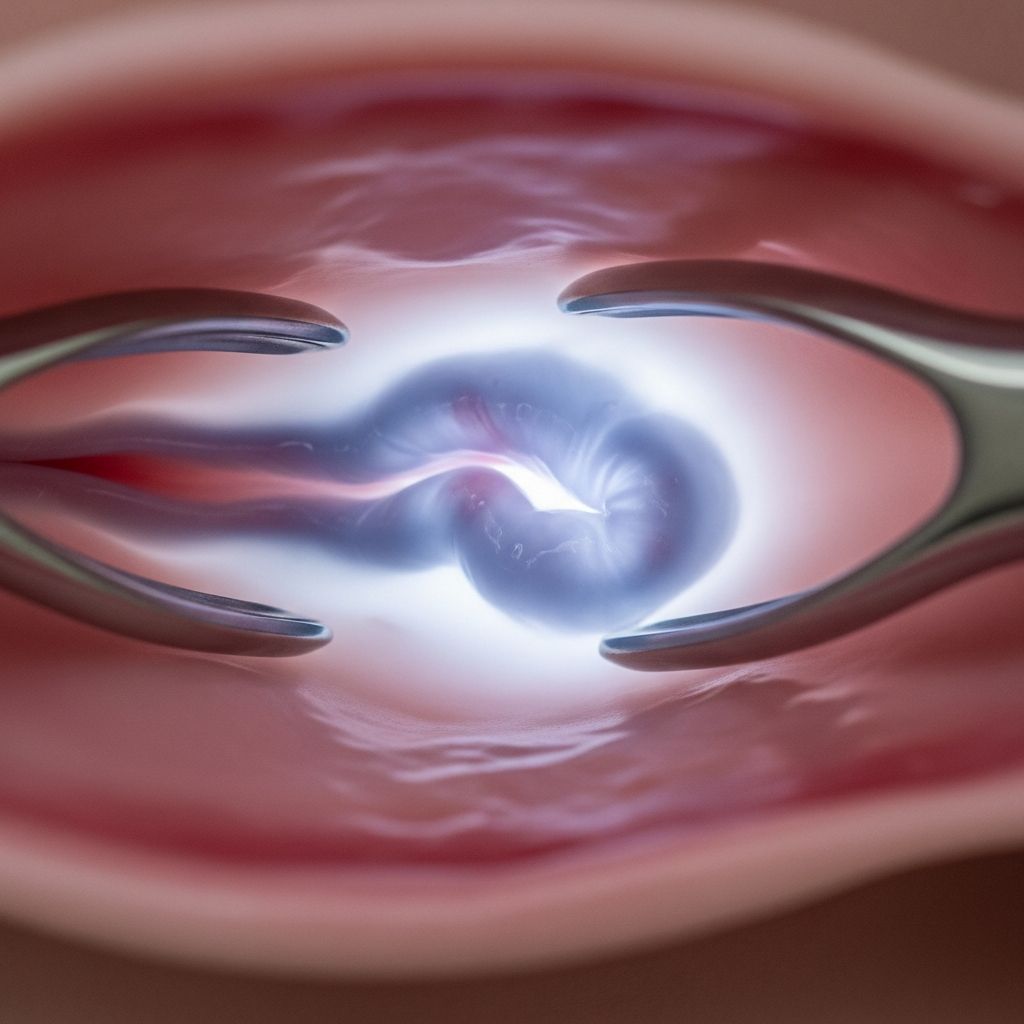
Understanding the subtle shifts in your cervix can empower you to track fertility and spot potential early pregnancy indicators. This practice, rooted in natural family planning, involves observing position, firmness, openness, and associated discharge changes throughout your cycle.
Why Monitor Your Cervix?
The cervix, a narrow passage connecting the vagina to the uterus, undergoes dynamic transformations driven by hormones like estrogen and progesterone. These alterations provide valuable insights into menstrual phases, ovulation timing, and conception possibilities. Regular self-examinations help establish a personal baseline, enhancing body awareness without relying solely on apps or tests.
Women practicing fertility awareness often note that cervical observations complement basal body temperature tracking and mucus monitoring for more precise cycle mapping. While not a standalone diagnostic tool, these checks foster a deeper connection to reproductive health.
How Hormones Influence Cervical Traits
Estrogen peaks elevate the cervix during ovulation, making it higher, softer, and more open to facilitate sperm passage. Post-ovulation, progesterone dominates, lowering and firming it to support potential implantation. In early pregnancy, rising progesterone maintains a high, soft, closed cervix, differing from premenstrual patterns.
- Estrogen surge (follicular phase): Cervix rises, softens, opens slightly.
- Ovulation peak: Maximal height and suppleness for fertility.
- Luteal phase: Descends, hardens, closes if no pregnancy.
- Early pregnancy: Stays elevated and plush due to sustained hormones.
Step-by-Step Guide to Self-Examination
Perform checks consistently, ideally daily at the same time, to discern patterns. Best moments include post-ovulation or mid-luteal phase for baseline establishment.
- Prepare hygienically: Wash hands thoroughly with soap to prevent infections. Trim nails if long to avoid scratches.
- Choose optimal timing: Avoid menstruation, arousal, or recent intercourse, as these skew results. Mid-cycle or luteal checks yield clearest data.
- Position comfortably: Squat, stand with one leg elevated, or lie on your back with knees bent. Relax with deep breaths.
- Insert fingers gently: Use index or middle finger, sliding upward and backward toward the lower abdomen. The vagina feels spongy; the cervix is firmer, like a donut’s center.
- Assess key attributes: Note position (low/high), texture (firm/soft), opening (closed/peephole), and mucus quality.
- Record findings: Journal position, feel, discharge type, and cycle day for pattern recognition.
Initial attempts may feel awkward, but practice refines accuracy. If elusive, a longer vaginal canal or tension might factor in; persistence or professional guidance helps.
Decoding Cervical Positions Across the Cycle
Cervical location shifts predictably, offering fertility window clues. Low and firm signals period proximity; high and soft hints at ovulation or conception.
| Cycle Phase | Position | Firmness | Opening | Typical Mucus |
|---|---|---|---|---|
| Menstruation | Low | Firm | Slightly open | Bloody flow |
| Follicular/Ovulation | High | Soft | Moderately open | Clear, stretchy (egg-white) |
| Luteal (pre-period) | Low | Firm (nose tip) | Closed or slight | Thick, sticky white |
| Early Pregnancy | High | Soft (lip-like) | Firmly closed | Increased, creamy or spotting |
This table summarizes common observations; individual variations exist based on anatomy and health.
Spotting Early Pregnancy Indicators
In conception’s wake, the cervix often remains elevated and velvety, contrasting premenstrual descent. Increased blood flow softens it further, while a mucus plug seals the os protectively. Discharge may amplify, sometimes with light implantation spotting 1-2 weeks post-ovulation.
However, these signs aren’t definitive. Variability among women means some notice minimal shifts. A high, soft cervix post-missed period suggests pregnancy but requires test confirmation for reliability.
Cervical Mucus: A Companion Signal
Mucus evolves alongside position: dry post-period, slippery at peak fertility, then scant or gummy luteally. Pregnancy sustains wetter, opaque discharge. Tracking both refines predictions.
- Dry/crumbly: Low fertility.
- Sticky: Rising estrogen.
- Stretchy/transparent: Ovulation prime time.
- Creamy/persistent: Possible implantation.
Potential Pitfalls and Precautions
Not everyone can easily access their cervix due to anatomy or discomfort. Overzealous checking risks irritation; limit to 2-3 times weekly. Never substitute for medical tests—pregnancy confirmation demands urine/blood assays or ultrasounds.
Consult providers if unusual pain, bleeding, or odors arise. Those with cervical conditions (e.g., prior procedures) should seek clearance before self-checks.
Enhancing Fertility Awareness
Combine cervical tracking with sympto-thermal methods for 99% efficacy in cycle charting. Apps aid logging, but personal intuition shines through routine touch.
For conception seekers, fertile-type cervix (high/soft/open) signals intercourse timing. Non-conceivers benefit from preconception health insights.
Professional Perspectives on Cervical Monitoring
Obstetricians endorse awareness for empowered patients but stress limitations. Pap smears and pelvic exams professionally assess cervix; self-checks inform interim tracking. In pregnancy, routine monitoring detects preterm labor risks like shortening, but ultrasounds provide precision.
Frequently Asked Questions
Is cervical position a reliable pregnancy test?
No, while a persistently high, soft cervix suggests early pregnancy, confirmation requires a home test or blood work due to individual differences.
How often should I check my cervix?
Daily during learning phases, then every few days. Consistency at fixed times builds reliable patterns.
What if I can’t feel my cervix?
Relaxation, position adjustments, or a squatting stance helps. If persistent, discuss with a gynecologist.
Does checking harm pregnancy?
Gentle hygiene-focused exams pose no risk; avoid deep probing or unclean hands.
Can I track during my period?
Possible but messy; focus on non-bleeding days for clarity.
Empowering Your Reproductive Journey
Mastering cervical self-assessment demystifies cycles, boosts conception odds, and hones early pregnancy detection. Pair with lifestyle optimizations—balanced nutrition, stress management—for holistic wellness. Always integrate professional care for comprehensive support.
References
- Cervix in early pregnancy: What changes to expect — Medical News Today. 2023-10-12. https://www.medicalnewstoday.com/articles/325544
- Cervix Changes in Early Pregnancy Explained — Healthline. 2023-08-15. https://www.healthline.com/health/pregnancy/cervix-in-early-pregnancy
- Cervix in early pregnancy — International Society of Ultrasound in Obstetrics & Gynecology (ISUOG). 2024-01-10. https://www.isuog.org/clinical-resources/patient-information-series/patient-information-pregnancy-conditions/early-pregnancy/cervix-in-early-pregnancy.html
- How to Check Your Cervix for Pregnancy: Step-by-Step Guide — Femia Health. 2024-05-20. https://femia.health/health-library/getting-pregnant/trying-to-conceive/how-to-check-your-cervix-for-pregnancy/
- Cervix Positions: What They Mean & How To Check Them — Natural Cycles. 2023-11-08. https://www.naturalcycles.com/cyclematters/cervix-positions-explained
- How to find (and check) your cervix — Flo Health. 2024-02-14. https://flo.health/health-articles/how-to-find-your-cervix