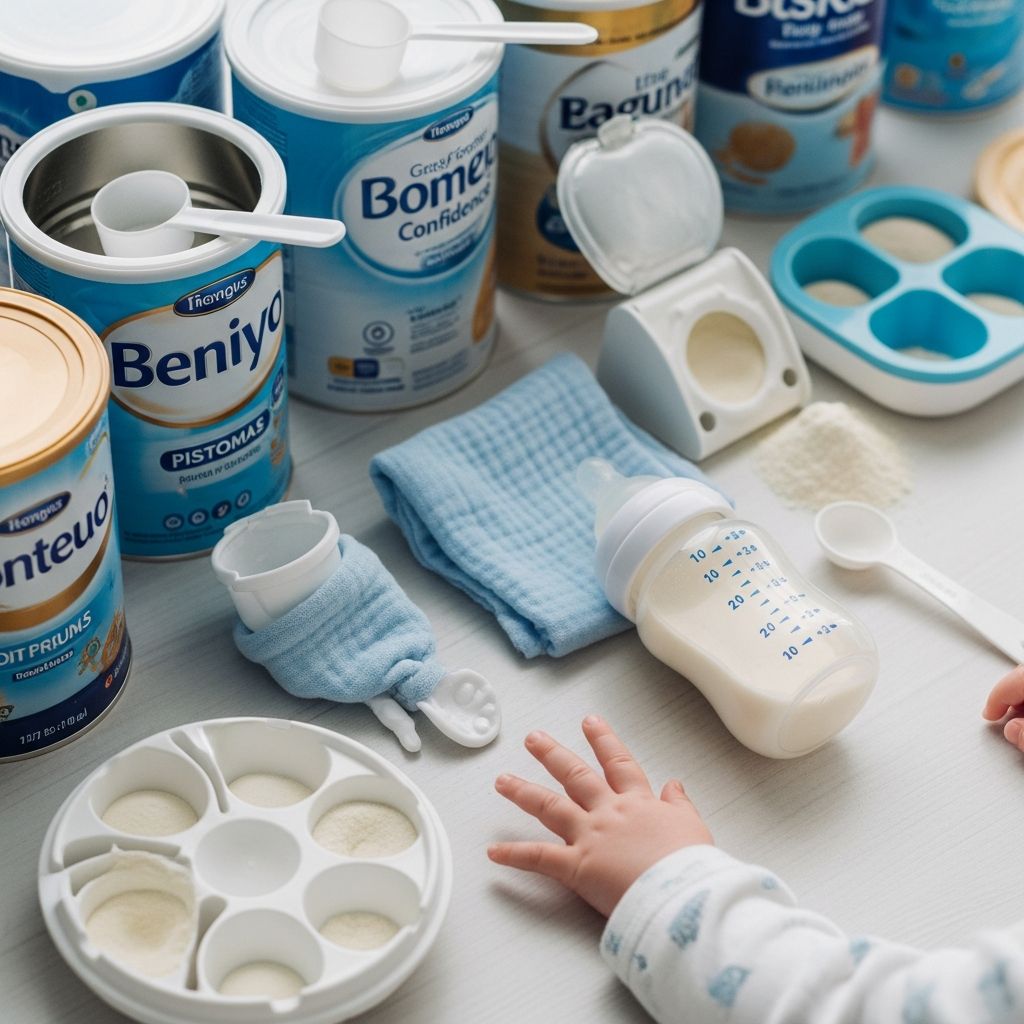
Changing your baby’s formula can feel intimidating, but with the right information and a calm plan, most families navigate it smoothly. This guide explains when a switch may help, how to transition safely, and what signs to watch for as your baby adjusts.
Why Parents Consider Changing Formula
There are many reasons parents start thinking about a new formula, and most of them are completely normal parts of early parenthood. Understanding your own motivation will help you and your baby’s healthcare provider choose a formula that truly fits your situation.
- Digestive discomfort: Ongoing gas, hard stools, or very frequent loose stools can send parents looking for alternatives.
- Possible allergy or intolerance: Symptoms like persistent eczema, blood in the stool, or severe vomiting can point to a need for a specialized formula under medical guidance.
- Availability and cost: Store shortages, recalls, or budget changes may push families to try a different brand or type.
- Feeding style shifts: Moving from mixed feeding to full formula, or returning to work, can be a natural time to re-evaluate formula choice.
- Parental peace of mind: Sometimes parents simply want a product that better matches their values or preferences, such as organic or certain ingredient profiles.
Questions to Ask Before You Switch
Before grabbing a new can off the shelf, it helps to pause and ask a few targeted questions. These questions can frame a productive conversation with your baby’s healthcare provider and prevent unnecessary changes.
- Are my baby’s symptoms truly formula-related, or could they be part of typical newborn adjustment?
- Has my baby’s growth, weight gain, and development been on track at recent checkups?
- Have there been recent changes in feeding routine, sleep, or illness that might explain new symptoms?
- Is there a specific ingredient (such as cow’s milk protein or soy) that might be causing issues, or is this more likely a temporary sensitivity?
- Do I need a medical formula (like hypoallergenic or extensively hydrolyzed), or is a standard formula in another brand appropriate?
Understanding Different Types of Infant Formula
Not all formulas are the same, and knowing the basic categories can keep you from making repeated guess-and-check changes. While each brand markets its own features, most infant formulas fall into a few main nutritional groups.
| Type | Main Protein Source | Typical Use |
|---|---|---|
| Standard cow’s milk formula | Intact cow’s milk proteins (whey and/or casein) | Most healthy, full-term infants with no special medical needs |
| Partially hydrolyzed formula | Partially broken-down cow’s milk proteins | Babies who seem sensitive to standard cow’s milk protein but do not have a diagnosed allergy |
| Extensively hydrolyzed or amino acid formula | Proteins broken into very small fragments or individual amino acids | Babies with confirmed cow’s milk protein allergy or severe intolerance, under medical supervision |
| Soy-based formula | Soy protein | Families avoiding animal products or infants who cannot tolerate cow’s milk formulas for specific medical reasons |
| Specialized formulas | Varies (may be cow’s milk–based, hydrolyzed, or amino acid–based) | Premature infants, babies with certain metabolic or digestive conditions, or other specific needs determined by a specialist |
When possible, choosing a new formula within the same general category as your current one (for example, switching between two standard cow’s milk formulas) often leads to a smoother transition than jumping across very different types.
Safe Approaches to Changing Formula
There are two main approaches to switching: a gradual transition and a sudden switch. The right option usually depends on urgency, your baby’s health, and your healthcare provider’s advice.
Gradual Transition Method
A slow transition can be helpful if your baby is generally doing well but you want to change for reasons like cost, brand preference, or mild digestive concerns. It gives your baby’s system time to adapt to a new taste and ingredient mix.
- Day 1–2: Offer mostly the current formula with a small portion of the new formula in one or two feeds.
- Day 3–4: Move to a roughly half-and-half split between old and new formula at several feeds.
- Day 5–6: Increase the proportion of new formula so that most feeds are primarily the new type.
- Day 7 and beyond: Switch completely to the new formula if your baby is tolerating it well.
Some babies adjust even more quickly, while others may need a bit longer. The goal is not to follow exact dates but to gradually increase the new formula as long as your baby stays comfortable and feeds well.
Sudden Switch Method
Sometimes there is no choice but to change formula immediately, such as during a recall, shortage, or when severe symptoms suggest a possible allergy. In these situations, starting the new formula at the next feed can be appropriate if your healthcare provider agrees.
- Begin the new formula at a time of day when your baby usually feeds calmly rather than when they are extremely hungry or overtired.
- Offer extra comfort and contact, such as holding your baby a bit longer or feeding in a quiet, dimly lit space.
- Keep a close eye on their diapers, mood, and skin during the first several days after the change.
Preparation, Mixing, and Hygiene Essentials
No matter which formula you use, safe preparation matters just as much as the brand or type on the label. Following the instructions exactly helps ensure your baby receives the right concentration of nutrients and avoids unnecessary tummy trouble.
- Wash your hands and clean bottle parts thoroughly before each preparation session.
- Use the scoop that comes with the formula and level it as directed rather than estimating.
- Add formula to water in the order specified on the container and shake until fully dissolved.
- Discard any unfinished formula that has been at room temperature for longer than the time recommended on the label.
- Store unopened containers according to the package and keep prepared bottles in the refrigerator if making them ahead, using them within the timeframe given by safe-storage guidelines.
What’s Normal When Switching Formula?
It is common to see minor changes when a baby starts a different formula. A new recipe means a new taste, smell, and mix of ingredients, so your baby may respond in small ways as their body adapts.
- Stool color and consistency: You may notice slightly different shades of green, yellow, or brown, and stools may become a bit looser or firmer.
- Gas and mild fussiness: More burping, tooting, or brief cranky periods, especially in the first week after a switch, can be normal.
- Feeding volume changes: Some babies temporarily drink a little less or more as they adjust to a different taste or texture.
- Sleep shifts: Minor sleep disruptions can show up as your baby acclimates to any new routine, including a formula change.
These effects should gradually improve as your baby gets used to the new formula. If symptoms seem to escalate instead of settle, it is time to check in with a healthcare professional.
Warning Signs: When a Formula Change May Not Be Working
While many babies do fine with formula changes, certain symptoms suggest an allergy, significant intolerance, or another medical issue. These signs warrant prompt attention rather than simply trying a different brand on your own.
- Forceful or frequent vomiting, especially if it contains green or yellow fluid or appears like coffee grounds.
- Blood or mucus in the stool, or consistently very watery diarrhea.
- Swelling of the lips, face, or eyelids, or hives on the skin.
- Breathing difficulties, wheezing, or sudden extreme lethargy.
- Poor weight gain, refusal to feed, or fewer wet diapers than usual over more than a day.
These symptoms can be related to formula, infection, or other conditions, so professional assessment is essential. Do not simply rotate through multiple formulas in quick succession if your baby is showing clear signs of distress or illness.
Supporting Your Baby Emotionally During the Change
Eating is more than just nutrition for a young baby; it is also a source of comfort and connection. When their milk tastes or feels different, they may look to you for reassurance even if the new formula suits them physically.
- Hold your baby close and maintain eye contact while feeding to preserve the bonding experience.
- Keep the rest of the routine consistent—same feeding chair, similar lighting, familiar songs or soft talking.
- Avoid introducing other big changes, such as a new sleep schedule, at the exact same time if you can help it.
- Respond to extra fussiness with patience; your calm presence signals to your baby that everything is still safe and secure.
Practical Tips to Track Progress After Switching
A simple system for tracking how your baby responds can reduce anxiety and provide clear information for your healthcare provider. You do not need anything complicated—just a few consistent notes each day can be very helpful.
- Write down which formula you used, the date you started, and any mixing changes you made (such as moving from mostly old to mostly new formula).
- Note the number of wet diapers, bowel movements, and any unusual diaper changes like mucus, blood, or very watery stools.
- Keep track of particularly fussy episodes, rashes, or large spit-ups and when they occurred relative to feeds.
- Bring this log with you to pediatric visits or send a summary if you reach out between appointments.
Common Myths About Switching Formula
Parents often hear conflicting advice from friends, relatives, and social media. Sorting fact from fiction can prevent unnecessary stress and frequent, unhelpful formula changes.
- Myth: Every gassy baby needs a new formula. Mild gas and occasional fussiness are very common in infants and are not always related to formula.
- Myth: You must always mix formulas together for weeks. A gradual transition can help, but in some situations, a safe immediate switch is reasonable under professional guidance.
- Myth: Dark green or slightly different colored stools mean the formula is “wrong.” Stool color can vary widely and may change with different iron levels or ingredients without indicating a problem.
- Myth: Expensive formulas are automatically better. More costly products are not always more suitable; the best formula is the one that is safe, nutritionally complete, tolerable for your baby, and sustainable for your family.
Frequently Asked Questions About Changing Baby Formula
How long should I give a new formula before deciding it works?
Many minor adjustment symptoms improve within about a week as your baby’s digestive system gets used to new ingredients. However, if you see severe symptoms such as blood in the stool, intense vomiting, or breathing problems, do not wait—seek medical help immediately instead of “waiting it out.”
Can I switch formulas just because one is on sale?
For babies thriving on a standard formula without medical concerns, a thoughtful switch to another comparable product is often fine. Plan the change, monitor your baby, and avoid hopping between many different formulas in rapid succession simply for small price changes.
Is it safe to use different brands during shortages?
In times of shortage, many families must temporarily use a different brand. In those situations, choosing a formula with a similar protein base and following preparation instructions closely can help your baby adjust more easily.
Can I mix two prepared formulas in one bottle?
If your healthcare provider supports a gradual transition, one practical method is to prepare each formula separately according to its instructions and then combine the finished liquids. This approach keeps the concentration of each formula accurate while still allowing a mixed bottle.
When should I call the pediatrician about a formula switch?
Always reach out before starting a specialized or allergy-focused formula, and contact your provider promptly if your baby has severe diarrhea, vomiting, a new rash, breathing changes, or seems unusually sleepy or difficult to wake. Even when symptoms are mild, a quick call can provide peace of mind and ensure the new formula choice is appropriate.
Key Takeaways for a Smooth Formula Transition
Switching baby formula does not have to be an overwhelming experience. By understanding why you are making the change, choosing an appropriate formula type, using either a gradual or immediate transition plan, and watching for both normal and worrisome signs, you can protect your baby’s comfort and your own peace of mind.
- Start with clear goals and discuss them with your baby’s healthcare provider.
- Follow preparation directions exactly and maintain consistent feeding routines.
- Track your baby’s reactions in simple daily notes to spot patterns over time.
- Remember that most babies tolerate formula changes well, and help is available if yours needs a little extra support.