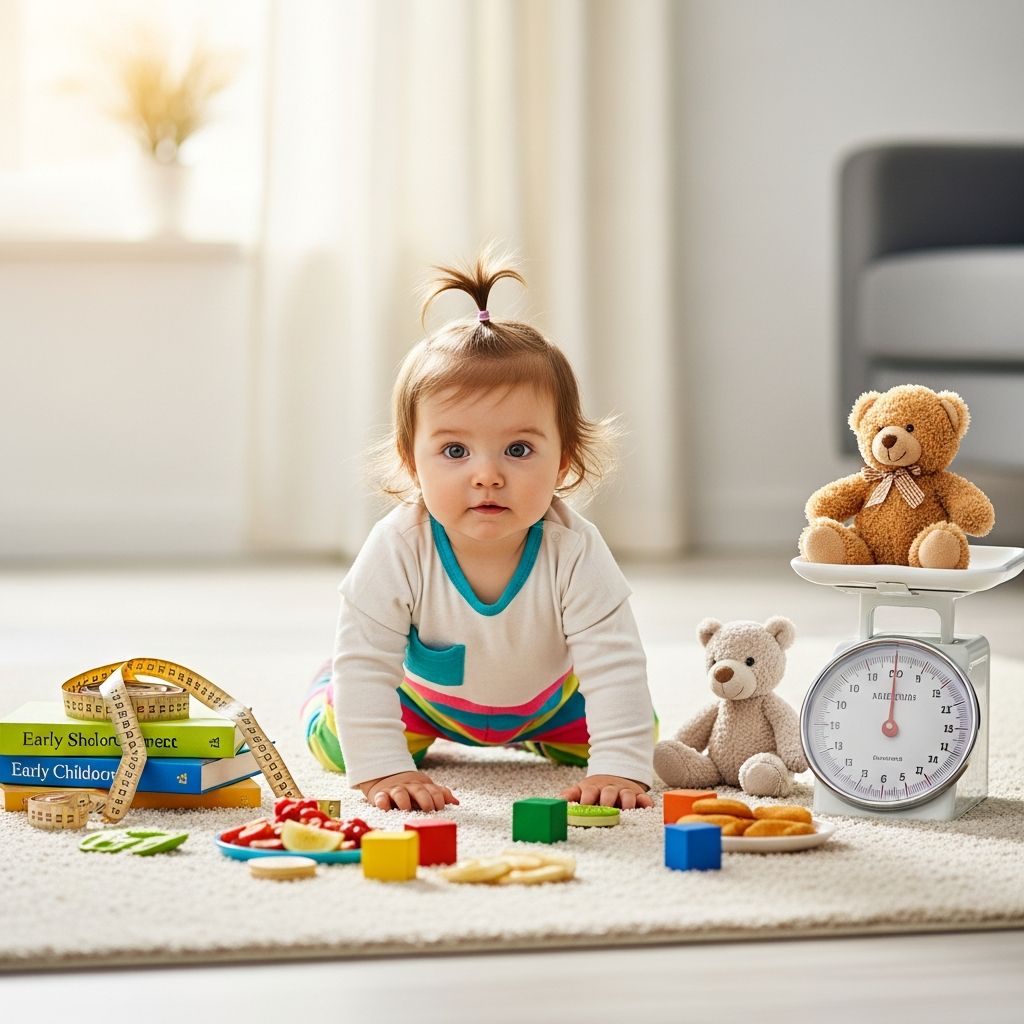
Your 15-month-old is transitioning from infancy to full toddlerhood, marked by rapid changes in physical size, motor abilities, and cognitive skills. Understanding typical growth patterns helps parents monitor progress and ensure their child thrives. This guide draws on authoritative pediatric standards to outline average weights, heights, key milestones, and practical advice for supporting healthy development.
Understanding Toddler Growth Patterns at 15 Months
By 15 months, babies have typically tripled their birth weight and experienced a significant length increase. Growth velocity slows after the first year, shifting focus from rapid gains to steady progression aligned with activity levels. Pediatricians use percentile charts from organizations like the CDC to assess if a child follows their individual curve, rather than fixating on averages alone.
Factors influencing growth include genetics, nutrition, sleep, and health conditions. Boys and girls show slight differences, with boys often larger on average. Consistent tracking at well-child visits reveals if adjustments are needed.
Average Weight for 15-Month-Olds
At 15 months, average weights reflect a broad healthy range, accommodating genetic diversity. According to clinical data:
- Boys: 8.4–12.7 kg (18.5–28 lbs), aligning with 5th to 95th percentiles.
- Girls: Approximately 8.6–11.4 kg (19–28 lbs), with similar percentile spreads.
These figures come from large-scale studies tracking thousands of children. A child in the 50th percentile might weigh around 10 kg for boys or 9.5–10 kg for girls. Weight gain averages 70–100 grams weekly post-12 months, slower than earlier infancy.
| Age (Months) | Boys Weight (kg) | Girls Weight (kg) |
|---|---|---|
| 12 | 7.8–11.8 | 7.5–11.0 |
| 15 | 8.4–12.7 | 8.6–11.4 |
| 18 | 8.9–13.5 | 9.0–12.7 |
This table summarizes key ranges from pediatric growth data. Note: Individual curves matter more than snapshots.
Height and Length Benchmarks
Standing height replaces recumbent length measurements around this age for accuracy. Typical ranges:
- Boys: 74.4–83.9 cm (29.3–33 inches).
- Girls: 72.5–82.0 cm, per WHO/CDC aligned charts.
Height gain slows to about 1 cm monthly. Full-term babies often double birth length by 15 months. Plotting on charts helps visualize trends.
Head Circumference and Overall Proportions
Head growth stabilizes, averaging 44.3–49.3 cm for boys and slightly less for girls at 15 months. Proportional development ensures balanced physique. Weight-for-length charts assess if size matches frame, preventing under- or overweight concerns.
Key Developmental Milestones Around 15 Months
Growth intertwines with milestones. Most 15-month-olds:
- Walk steadily, climb stairs with help, and run clumsily.
- Use 3–10 words, point to objects, and follow simple instructions.
- Stack 2–4 blocks, scribble with crayons, and show independence in feeding.
- Display affection, imitate actions, and engage in parallel play.
These align with CDC guidelines; variations are normal if progressing.
Factors Affecting Growth and Development
Nutrition Essentials
A balanced diet fuels growth: whole grains, proteins, fruits, veggies, and dairy. Offer 16–24 oz milk daily, limit juice. Iron-rich foods combat anemia common in toddlers. Breastfeeding or formula continues if desired.
Sleep and Activity
11–14 hours sleep nightly supports hormone release for growth. Active play builds muscle, appetite.
Genetics and Health
Parental heights predict potential. Illnesses or allergies may temporarily slow gains.
Using Growth Charts Effectively
CDC/WHO charts plot weight, length, head size against age and sex-specific curves. Stay between 5th–95th percentiles on personal trajectory. Tools from RCPCH or Bright Futures aid visualization.
Steps for Parents:
- Measure accurately at home (scale, stadiometer).
- Plot at checkups.
- Discuss trends with pediatrician.
When to Consult a Pediatrician
Seek advice if:
- Weight drops percentiles or stalls.
- Height velocity slows markedly.
- No milestones met (e.g., not walking).
- Signs of nutritional deficits (pallor, fatigue).
Early intervention ensures catch-up growth.
Nutrition and Feeding Strategies for Optimal Growth
Transition to table foods: finger foods promote self-feeding. Sample daily intake:
- Proteins: eggs, yogurt, beans (2 oz).
- Fruits/Veggies: 1 cup total.
- Grains: 3 oz whole grain.
- Dairy: 2 cups.
Hydrate with water; avoid sugary drinks. Picky eating peaks—offer variety patiently.
Promoting Physical and Cognitive Growth
Daily outdoor time enhances vitamin D, motor skills. Toys like balls, blocks foster dexterity. Reading boosts language, matching 15-month vocab spurts.
Common Growth Myths Debunked
- Myth: Bigger baby means healthier. Fact: Percentile consistency trumps size.
- Myth: All toddlers walk by 12 months. Fact: 15–18 months common.
Frequently Asked Questions (FAQs)
Is my 15-month-old underweight if below average?
Not necessarily—check percentile trend. Consult doctor if dropping curves.
How often should we measure growth?
Every 2–3 months or at well-visits.
What if my toddler refuses solids?
Persist with textures; rule out issues like teething or reflux.
Does gender affect growth much?
Boys average slightly heavier/taller, but overlap large.
Can I predict adult height from toddler measurements?
Mid-parental height formulas estimate, but track ongoing.
References
- Boys Growth Chart: A Parent’s Guide to Healthy Baby Development — Apollo Cradle. Accessed 2026. https://www.apollocradle.com/preggo/boys-growth-chart
- A Review of Milestones and Your Baby’s Growth Chart — UnityPoint Health. Accessed 2026. https://www.unitypoint.org/news-and-articles/a-review-of-milestones-and-your-babys-growth-chart
- Baby Girl Growth Chart (0-24 Months) — Apollo Hospitals. Accessed 2026. https://www.apollohospitals.com/health-library/baby-girl-growth-chart
- Weight-for-age percentiles: Girls, birth to 36 months — Bright Futures / CDC. 2000 (authoritative standard). https://www.brightfutures.org/growthcharts/pdf/girls_0_36mnths.pdf
- Birth to 36 months: Boys Weight-for-age and Length-for-age — CDC. 2000 (authoritative standard). https://www.cdc.gov/growthcharts/data/set1clinical/cj41c017.pdf
- Birth to 36 months: Girls Weight-for-age and Length-for-age — CDC. 2000 (authoritative standard). https://www.cdc.gov/growthcharts/data/set1clinical/cj41c018.pdf
- Baby growth charts — Australian Breastfeeding Association. Accessed 2026. https://www.breastfeeding.asn.au/resources/growth-charts