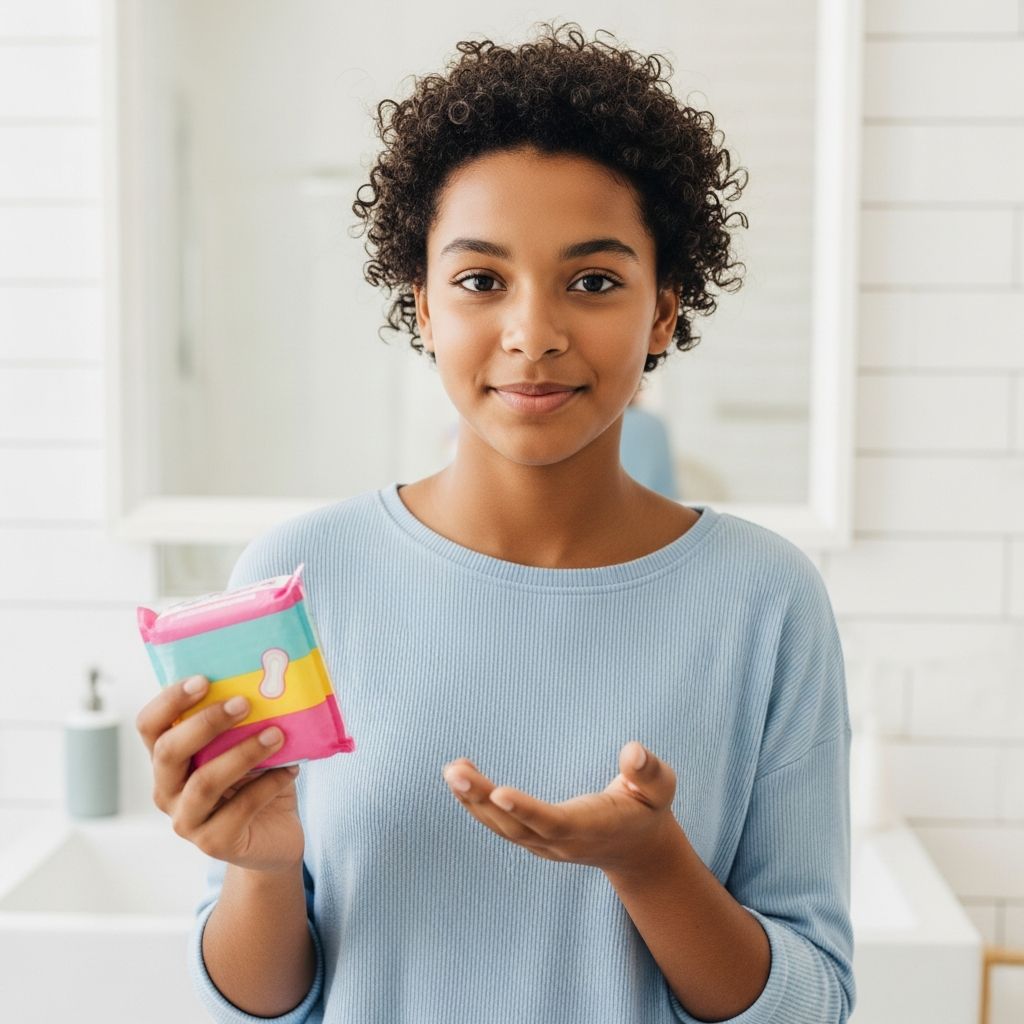
Getting a period is a big change, but learning how to change pads correctly can make the whole experience feel much easier and less stressful. This guide walks through when and how to change pads, what to expect, and how to stay comfortable wherever you are.
Understanding What Pads Do
Menstrual pads are absorbent products that stick to the inside of your underwear and catch menstrual blood before it reaches your clothes. They come in different lengths, thicknesses, and shapes so you can choose what works best for your body and your daily activities.
Unlike tampons or menstrual cups, pads stay outside the body, which is why many teens use them first when they start their periods. Once you understand how they work, changing them becomes a simple routine instead of something to worry about.
How Often Should You Change a Pad?
There is no single rule for everyone, but most people change pads every few hours depending on how heavy their flow is. On heavier days you will usually need to change more often, while on lighter days the pad can stay on a bit longer as long as it still feels dry and comfortable.
As a general guide, if a pad looks mostly covered with blood, feels wet, or starts to smell, it is time to put on a fresh one. You should also change right after intense exercise, swimming with period underwear as backup, or anytime you feel your pad has shifted out of place.
| Flow level | What it looks like | Approximate change frequency |
|---|---|---|
| Light | Small spots or thin streaks on the pad | Every 4–6 hours, or when it feels damp |
| Moderate | Most of the center is covered, sides still mostly white | Every 3–4 hours |
| Heavy | Center and sides fill quickly, pad feels heavy or squishy | Every 2–3 hours (or sooner if leaking) |
| Overnight | Long pad made for sleeping, coverage from front to back | Once before bed and once when you wake up, unless you leak earlier |
Signs It’s Time to Change Your Pad
Instead of watching the clock, pay attention to how your body and pad feel. There are several clear signs that it is time to change, even if you just put a new pad on a short while ago.
- Your pad feels squishy, sticky, or uncomfortable when you sit or walk.
- Blood has spread close to the edges or is soaking through the back.
- You notice a strong or unfamiliar smell when you go to the bathroom.
- You see blood on your underwear or clothing, which means the pad is saturated or out of place.
- It has been several hours since you last changed, even if the pad looks only half full.
Step-by-Step: How to Change a Pad
Changing a pad can feel awkward at first, especially in a school bathroom, but after a few cycles it becomes quick and routine. The basic steps are the same whether you are at home, at school, or at a friend’s house.
1. Get ready and wash your hands
Before you start, always wash your hands with soap and water if possible. Clean hands help keep your vulva (the skin outside the vagina) healthy and reduce the chance of irritation or infection.
Take a fresh pad out of its wrapper and keep it somewhere you can reach easily, such as on a nearby shelf or in your pocket if you are in a stall.
2. Remove the used pad
Gently pull down your underwear while sitting or standing over the toilet, then peel the used pad away from the fabric starting from one end. Move slowly so the pad does not fold open and drip.
If the pad has wings, unstick those from the underside of your underwear before peeling up the main part. Try not to let the pad touch your skin as you remove it.
3. Wrap and throw it away
Once the pad is off, roll it up from one end so the used side is on the inside. Then wrap it in toilet paper or the wrapper from your new pad to cover any blood.
Place the wrapped pad in the sanitary or trash bin. Pads should never be flushed down the toilet because they can block pipes and cause plumbing problems for the building.
4. Clean the area if needed
If you notice dried blood or feel sweaty, you can use a bit of toilet paper, a fragrance-free wipe, or a damp, clean cloth to gently wipe from front to back. Wiping from back to front can move bacteria toward the vagina and urethra, which is not healthy.
A quick wipe is usually enough; aggressive scrubbing or using heavily scented products can irritate the skin and make you more uncomfortable.
5. Place the new pad correctly
Remove the backing from the sticky side of the pad and line the pad up with the center of the crotch area of your underwear. The absorbent middle should be where your vagina rests when you pull your underwear back up.
Press the pad firmly into the fabric so it sticks. If the pad has wings, remove the paper backing and fold the wings around the underside of your underwear, pressing them in place so the pad does not slide around when you move.
6. Adjust and wash your hands again
Pull your underwear back up and adjust your clothes. If the pad feels like it is too far forward or back, gently shift your underwear until it feels centered.
Finish by washing your hands again. This final step keeps germs off doorknobs, school supplies, and your own face.
Choosing the Right Pad for You
The best pad for you depends on your body, your flow, and what you are doing that day. It is common to use different types of pads during one period, such as thicker pads on heavy days and thinner pads on lighter days.
Reading the labels on pad packages can help you understand terms like “light,” “regular,” “super,” “overnight,” and “ultra-thin.” Many teens experiment with a small variety pack at first to see what feels most secure and comfortable.
- Length: Longer pads offer more coverage and are helpful at night or when sitting for long periods.
- Thickness: Thicker pads may feel bulkier but hold more fluid; thinner ones are more discreet under clothing.
- Wings: Pads with wings wrap around your underwear and can reduce leaks on the sides.
- Material: Some pads have a cotton-like top layer, while others feel more synthetic; choose what does not irritate your skin.
Staying Fresh and Healthy
Good pad habits are part of staying healthy during your period. Changing regularly, wiping gently, and choosing breathable underwear can all make a big difference in how you feel.
Leaving the same pad on for too long can lead to odor, skin irritation, and a higher chance of infection, especially in hot weather or after sports. Listening to your body and changing when it feels right is just as important as following any schedule.
Managing Pads at School or When You’re Out
Changing pads away from home can feel stressful at first, but a little planning makes it manageable. Creating your own small period kit helps you feel prepared no matter where you are.
- Keep 2–3 pads in a small pouch, pencil case, or makeup bag in your backpack or locker.
- Carry a sealable plastic or fabric bag in case a bathroom does not have a bin and you need to take the wrapped pad out to another trash can.
- Try to visit the bathroom during breaks, lunch, or class changes when you have a few extra minutes.
- Wear darker pants or a long sweater on very heavy days if that makes you feel less worried about leaks.
Dealing with Leaks Without Panicking
Even if you do everything “right,” leaks can still happen. A leak does not mean you failed; it just means your body’s flow was heavier or changed suddenly, which is totally normal during the first few years of having periods.
When you notice a leak, head to the bathroom as soon as you can, change your pad, and clean your skin with toilet paper or a wipe. If your clothes are stained, you can wrap a sweatshirt around your waist or ask to call home for a change of clothes if possible.
Common Mistakes and How to Avoid Them
Everyone makes small mistakes when learning to manage periods. Knowing what to watch out for can help you feel more confident as you build your own routine.
- Wearing the same pad all day: Try setting reminders on your phone or watch so you remember to change regularly.
- Sticking the pad too far forward or back: Before pressing it down, hold it over your underwear to see where the center should go.
- Flushing pads: Always wrap and trash them to protect the plumbing and avoid embarrassing overflows.
- Using heavily scented products: Perfumed pads, sprays, or wipes can sometimes irritate sensitive skin. Fragrance-free products are often gentler.
Emotional Side of Periods and Pad Changes
Beyond the physical steps, there is an emotional side to learning to change pads. Feeling embarrassed, annoyed, or even angry about dealing with periods is understandable and very common among teens.
Reminding yourself that periods are a normal body function, not something dirty or shameful, can help. Talking with a trusted adult, friend, or healthcare provider about your questions or worries often makes everything feel less overwhelming.
When to Talk to a Health Professional
Most pad-related issues are small and can be fixed by changing more often, switching brands, or adjusting how the pad sits in your underwear. However, certain signs mean it is a good idea to talk with a doctor or nurse.
- Very strong odor that does not improve even when you change pads frequently.
- Severe itching, burning, or rashes around the vulva that last more than a couple of days.
- Bleeding so heavy you soak through a pad in less than an hour for several hours in a row.
- Periods that last longer than about a week or come with intense pain that keeps you from normal activities.
Quick Pad-Change Checklist
If you are just starting out, a simple checklist can help you remember what to do until everything becomes second nature. You can even screenshot or write this list down and keep it in your period kit.
- Wash your hands.
- Peel off the used pad and wrap it securely.
- Throw it in the trash, not the toilet.
- Gently wipe from front to back if needed.
- Place and stick the new pad, adjusting for comfort.
- Wash your hands again.
Frequently Asked Questions
Do I have to wake up at night to change my pad?
On very heavy nights, some people set an alarm to change pads once, but many teens sleep through the night using a long, overnight pad and darker underwear or pajama shorts. If you often wake up with leaks, you may need a more absorbent pad or extra protection like period underwear under your pajamas.
Is it bad if I leave a pad on for more than six hours?
Sometimes you might fall asleep, be on a long trip, or simply forget, and that can happen. However, regularly wearing the same pad for long stretches can cause odor and irritation, so aim to change every few hours whenever you can.
How do I hide the sound of opening a pad wrapper at school?
Many people feel self-conscious about the crinkling sound, but remember that bathrooms are naturally noisy. You can also open the wrapper slowly, wait for a flush or hand dryer, or keep one pad unwrapped in a small pouch if that helps you feel more comfortable.
Can I wear a pad while playing sports?
Yes, many teens play sports while wearing pads. Choosing a pad with strong wings, wearing snug-fitting underwear, and possibly adding a backup like period underwear can help keep everything in place during running and jumping.
What if my period starts and I don’t have a pad with me?
It is helpful to keep at least one pad in your backpack at all times, but if you forget, you still have options. You can ask a friend, visit the school nurse, or ask a trusted adult at school; many bathrooms or health offices keep extra pads for students who need them.
Building a Period Routine That Works for You
Changing pads is just one part of your overall period routine. Over time you will learn when your period usually starts, which days are heaviest, and which pads feel best for sleeping, school, or weekends. The more you pay attention to your cycle, the easier it is to plan ahead and avoid last-minute stress.
With practice, pad changes become quick, ordinary moments in your day instead of something to dread. You deserve to feel clean, protected, and confident during your period, and learning these skills now gives you that control.