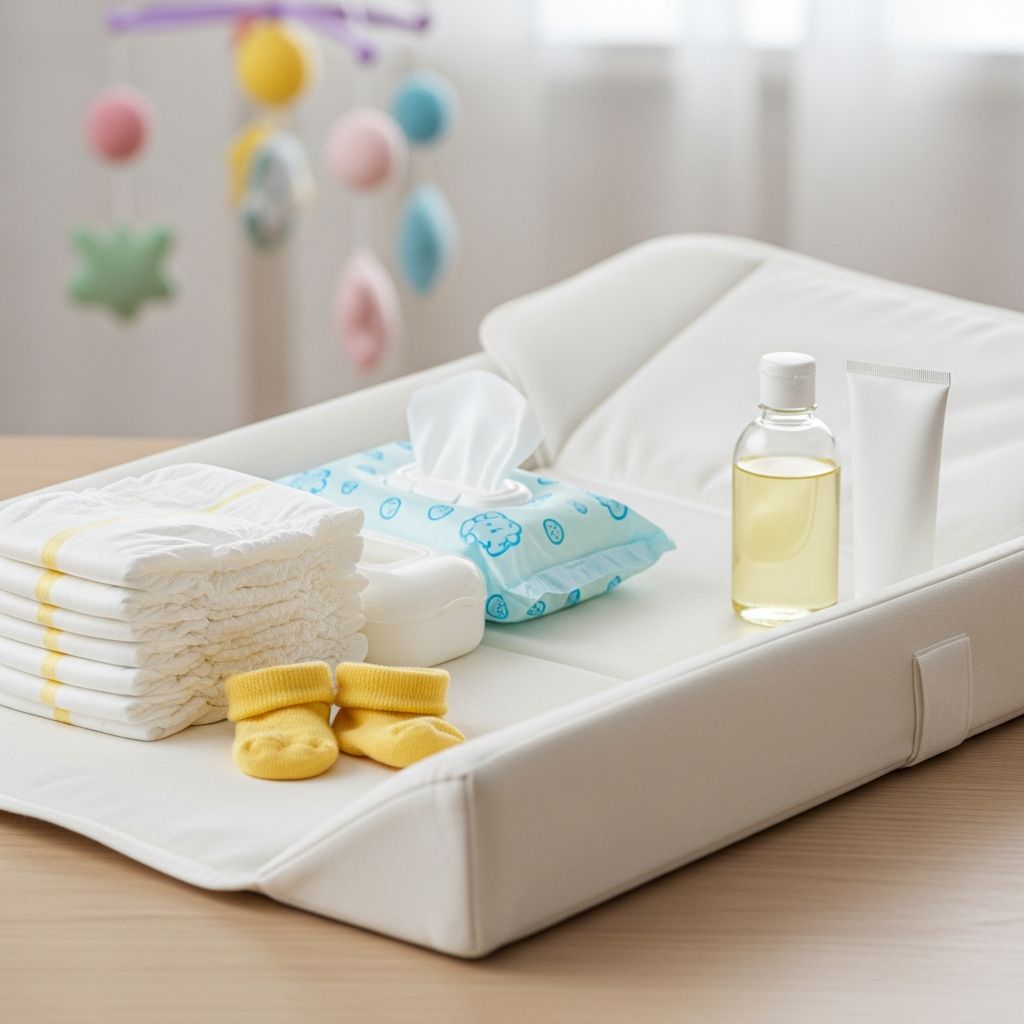
Diaper changes quickly become one of the most frequent tasks in a baby’s day, and mastering a smooth routine makes life easier for both parents and little ones. This guide walks through what you need, how to change a diaper step by step, and how to keep your baby clean, comfortable, and safe.
Understanding Diapering Basics
Babies need multiple diaper changes every day because their skin is sensitive and prolonged contact with moisture and stool can cause irritation. A consistent approach to diapering helps prevent rashes, reduces leaks, and builds your confidence as a caregiver.
Newborns often need changing more frequently than older babies, especially during the first weeks when bowel movements and wet diapers are frequent. As babies grow into toddlers, diapering can shift from simple changes to quick negotiations with active, wiggly little people.
What You Need in a Diaper Changing Station
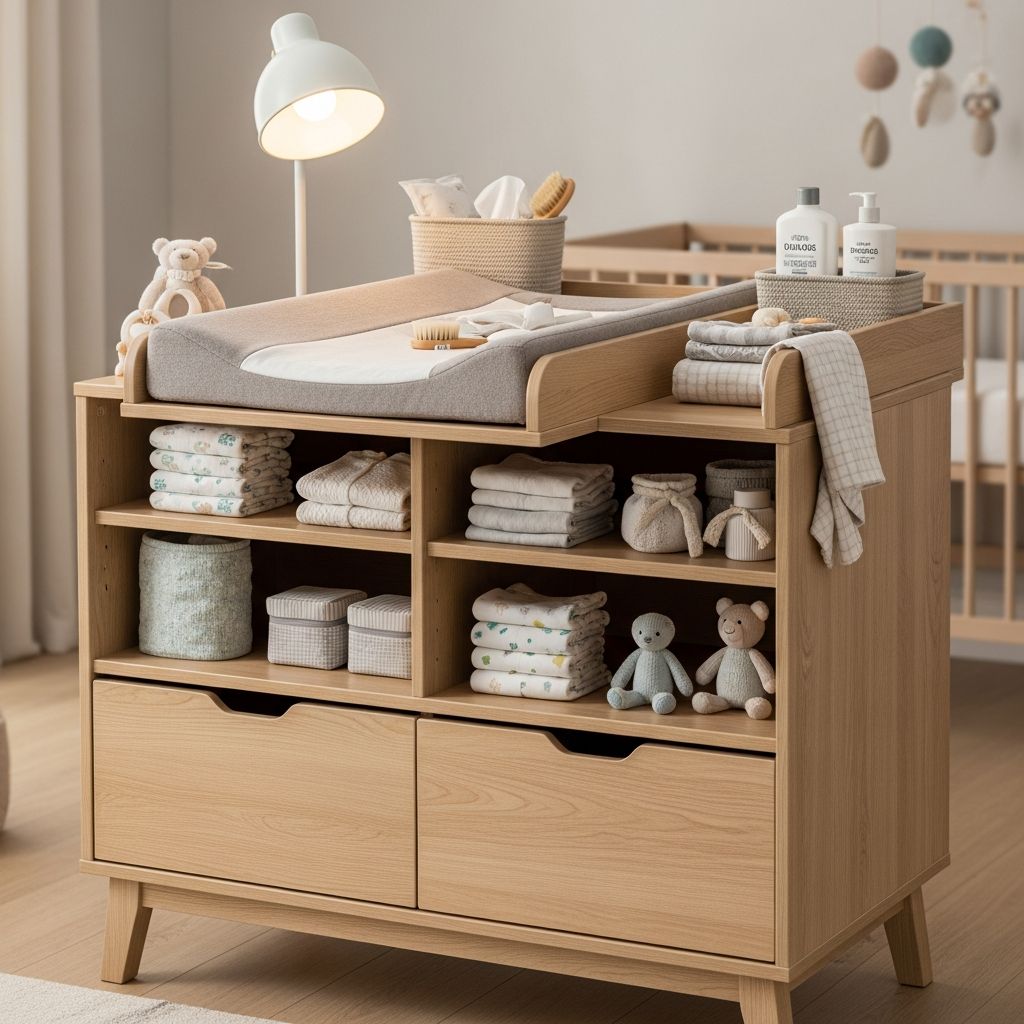
Having everything within arm’s reach before you start a diaper change keeps your baby safer and makes the process less stressful. Consider creating a primary changing station at home and a smaller, portable kit for use in other rooms or on the go.
- Clean diapers: Choose the correct size for your baby’s weight to avoid leaks and discomfort.
- Baby wipes or soft washcloths: Fragrance-free and gentle options help protect delicate skin.
- Barrier cream or ointment: A zinc oxide–based product or similar barrier helps prevent diaper rash.
- Changing surface: A firm, stable table or pad with a wipeable and/or washable cover.
- Disposable bags or covered trash can: For convenient and hygienic disposal of soiled diapers.
- Clean clothes: Bodysuits or pants nearby in case of leaks or blowouts.
Choosing Between Cloth and Disposable Diapers
Both cloth and disposable diapers can keep a baby clean and comfortable when used correctly. The best choice for your family depends on cost, convenience, environmental considerations, and personal preference.
| Feature | Cloth Diapers | Disposable Diapers |
|---|---|---|
| Upfront cost | Higher initial cost for supplies, possible savings over time due to reuse. | Lower initial cost per pack, ongoing expense as baby grows. |
| Convenience | Requires washing and drying, more preparation time. | Single-use, quick to change and discard. |
| Environmental impact | Less solid waste, more water and energy used for laundering. | More landfill waste, no washing required. |
| Absorbency | Good absorbency, may need more frequent changes. | Highly absorbent, can feel drier to baby’s skin. |
| Learning curve | More folding, fastening, and system choices to master. | Simple to use with clear front and back and adhesive tabs. |
Some families use a mix of cloth and disposable diapers, choosing cloth at home and disposables for nighttime or travel. Whatever you choose, changing promptly after bowel movements and regularly after wetting is more important than the type of diaper itself.
Preparing Safely for Each Diaper Change
Before opening a dirty diaper, prepare your space so you never need to step away from your baby while they are on a raised surface. Babies can roll unexpectedly, even when they are very young, so constant supervision is essential.
- Place your baby on a firm, stable surface such as a changing table, bed, or the floor with a changing pad.
- Keep one hand on your baby if they are on any elevated surface.
- Gather a clean diaper, wipes, cream, and a plastic bag or nearby trash can before you start.
- Wash your hands with soap and water when possible, or use hand sanitizer if a sink is not nearby.
Step-by-Step: Changing a Wet Diaper
Wet diapers are usually quick and easy to change, and they provide a good opportunity to practice a calm routine. A predictable series of steps also helps older babies cooperate during changes.
- Lay your baby down gently. Place them on their back and unfasten the diaper tabs without fully removing the diaper yet.
- Lift the legs carefully. Hold the ankles together and gently raise the bottom a little to slide the front of the diaper down.
- Wipe the diaper area. Clean from front to back, especially for babies with vulvas, to reduce the spread of bacteria.
- Pat the area dry. Let the skin air-dry for a moment or gently pat it with a soft cloth to reduce moisture.
- Place the clean diaper. Slide a fresh diaper under the baby’s bottom, with the adhesive tabs at the back and the absorbent area centered.
- Apply barrier cream if needed. Use a thin layer if you notice redness or want extra protection overnight.
- Fasten snugly. Close the tabs so the diaper is secure but not tight; you should be able to slide a finger inside at the waist.
- Check the leg openings. Make sure the edges are pulled out, not tucked in, to help prevent leaks.
Handling Dirty Diapers and Big Messes
Dirty diapers, especially in the newborn stage, can be frequent and messy. Staying calm, speaking gently, and preparing for possible surprises helps diaper changes feel less overwhelming.
- Use the front of the dirty diaper to wipe away the bulk of stool before reaching for wipes.
- Always wipe front to back, using a fresh section of the wipe or cloth each time you swipe.
- For heavy messes, you may need to lift the legs higher or roll baby gently to one side at a time to clean thoroughly.
- Place used wipes inside the rolled-up dirty diaper to contain odors before disposal.
Special Care for Newborns
Newborns have particularly delicate skin and an umbilical cord stump that requires gentle handling. For the first weeks, choose diapers that do not rub against the cord area or fold the waistband down to keep it exposed to air.
Newborn babies may have frequent, small bowel movements, so more frequent changes are common. Expect several wet diapers per day, and call your baby’s health care provider if you notice a sudden drop in wet diapers, strong odors, or unusual stool colors that concern you.
Comfort Tips for Wiggly Babies and Busy Toddlers
As babies grow, diaper changes can become more physically challenging because they roll, crawl, and want to explore. Adjusting your approach helps keep changes safe and efficient.
- Use a soft toy, song, or simple narration of what you are doing to keep your baby engaged.
- For older babies who stand steadily, consider changing wet diapers with the child standing while you wipe and slide on a fresh diaper or pull-on style.
- Keep one hand near your baby’s midsection when on a table to prevent rolling off.
- Move to the floor for very active toddlers to reduce the risk of falls.
Protecting Your Baby’s Skin and Preventing Diaper Rash
Diaper rash is common but often preventable with good hygiene and moisture management. The goal is to keep the skin as clean, dry, and protected as possible while your baby is in diapers.
- Change diapers promptly after bowel movements and regularly when wet, rather than waiting until the diaper is very full.
- Allow short periods of diaper-free time on a waterproof pad or towel to give skin a chance to air out.
- Apply a barrier ointment when you see early signs of redness or after every change if your baby is prone to rashes.
- Avoid harsh soaps or wipes with strong fragrances, which can irritate sensitive skin.
Good Hygiene and Handwashing Habits
Clean hands protect both you and your baby, especially after contact with stool. Make handwashing part of the diapering routine so it becomes automatic.
- Dispose of the dirty diaper and wipes.
- Wipe any soiled surfaces on the changing pad with a baby-safe cleaner or soapy water.
- Wash your own hands with soap and running water for at least 20 seconds whenever possible.
- If your baby’s hands touched stool or the diaper, gently clean their hands with mild soap and water or a baby-safe wipe.
Nighttime and On-the-Go Diapering
Nighttime and travel diaper changes require a bit of extra planning to avoid fully waking your baby or struggling without supplies. A small, organized kit can make changes smoother wherever you are.
- Use highly absorbent diapers and a protective cream before bedtime to help prevent rashes overnight.
- Keep lights dim and your voice soft if you need to change your baby at night.
- Prepare a travel pouch with a foldable changing pad, several diapers, wipes, plastic bags, and an extra outfit.
- Always use a safety strap and keep one hand on your baby when using a public changing table, and clean the surface before and after use if possible.
Common Diapering Challenges and Practical Solutions
Even parents with well-established routines face occasional leaks, blowouts, or rashes. Recognizing common issues and simple solutions can turn frustrating moments into manageable ones.
- Frequent leaks: Check that the diaper size is correct, the waistband is snug, and the leg cuffs are not tucked inward.
- Redness or irritation: Increase the frequency of diaper changes, allow air-drying, and use a thick barrier ointment.
- Strong odors: Dispose of diapers promptly and use tightly sealed bags or a covered trash can; clean the area around the changing station regularly.
- Baby resisting diaper changes: Offer a special toy reserved only for changing time or let your baby hold a wipe container or clean diaper to explore safely.
When to Call a Health Care Professional
Most diapering questions can be handled at home, but some signs warrant a call to a health care professional. Trust your instincts and seek advice if something about your baby’s diaper area or elimination patterns seems unusual.
- Rash that does not improve after a few days of careful cleaning and barrier cream.
- Rash that looks very bright red, involves skin folds, or has small red spots just outside the main area.
- Open sores, bleeding, or signs that the rash is very painful.
- Few or no wet diapers in a 24-hour period, or major changes in stool appearance combined with other symptoms such as fever or vomiting.
Frequently Asked Questions About Diapering
How often should I change my baby’s diaper?
Newborns often need diaper changes every two to three hours and whenever they pass stool. As babies grow, they may go longer between changes, but changing promptly after bowel movements and avoiding long stretches in a very wet diaper helps protect the skin.
Do I need special wipes for newborns?
Many parents prefer fragrance-free, alcohol-free wipes for newborns, especially during the first weeks, because they are less likely to irritate sensitive skin. Some families use cotton pads or soft cloths with warm water at the beginning and then gradually introduce wipes as the baby grows.
Is it okay to use baby powder?
Some families choose to skip traditional powders because fine particles can be inhaled and may irritate the lungs. If you use any powder product, keep it away from your baby’s face and apply it carefully so it does not create a cloud of particles in the air.
How tight should the diaper be?
The diaper should be snug enough to prevent gaps at the legs and waist but not so tight that it leaves deep marks or makes it hard to breathe comfortably. As a general guide, you should be able to slip a finger between your baby’s skin and the waistband without difficulty.
When should I move up a diaper size?
If you notice frequent leaks, deep red marks around the thighs, or difficulty fastening the tabs, it may be time to choose the next size up. Many brands also list approximate weight ranges on the package that can help guide your decision, though fit can vary from one brand to another.
Building Confidence in Your Diaper Routine
Diapering looks complicated at first, but after a few days of practice, the steps begin to feel natural. A calm, prepared routine helps keep your baby comfortable, protects their skin, and gives you more confidence as a caregiver.
By setting up a safe changing area, learning a simple step-by-step process, and staying attentive to your baby’s skin and comfort, you turn an everyday task into an opportunity for gentle connection and care.