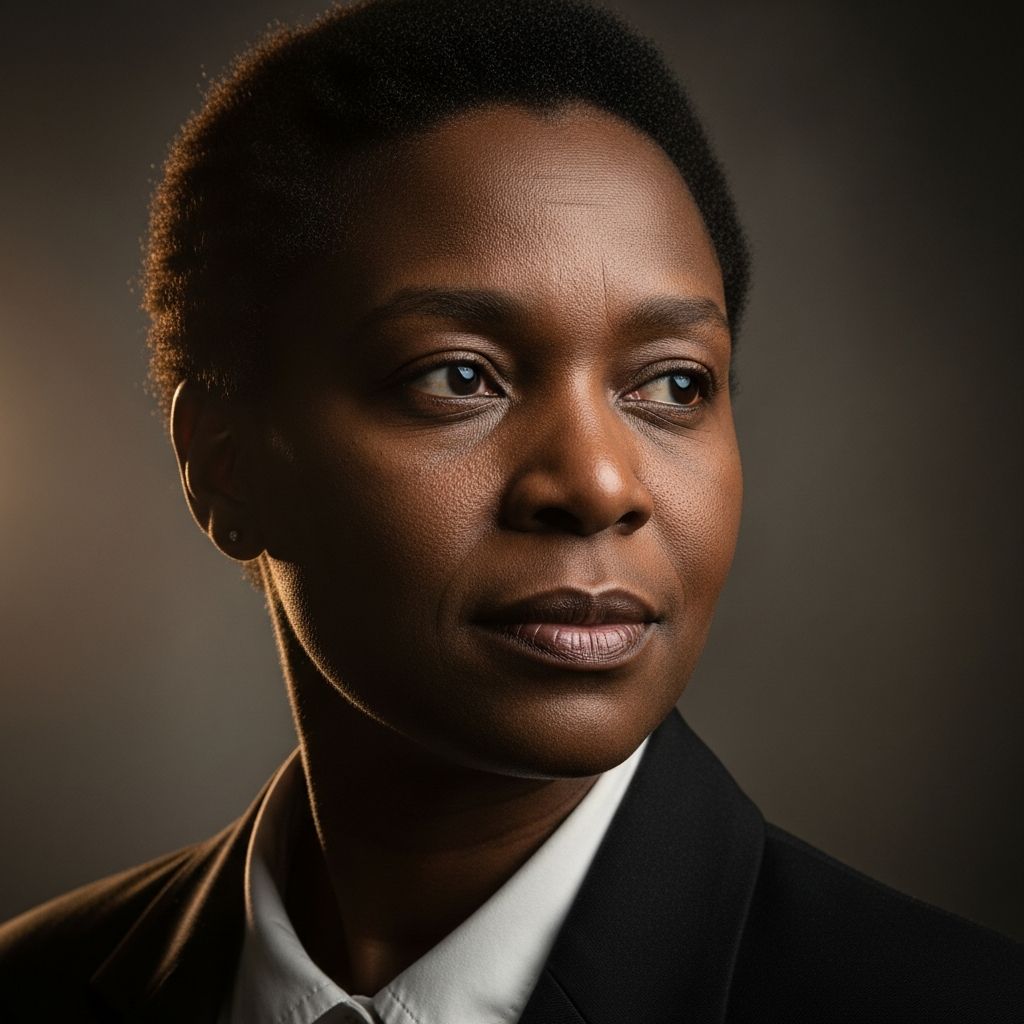
Black last names in the United States tell powerful stories. They carry traces of enslavement, resistance, migration, faith, and family pride. Whether you are choosing a surname for a baby name list, writing a character, or exploring your own roots, understanding these names can deepen your appreciation of African American history and identity.
This guide looks at how Black surnames developed, what the most common last names are today, how to understand their meanings, and how families use them to honor the past and shape the future.
How Black Surnames Developed in the United States
For African Americans, last names are closely tied to the history of slavery, emancipation, and life after the Civil War. The way many Black families acquired or changed surnames is different from most European immigrant stories, and that difference still appears in naming patterns today.
From Africa to Enslavement: Losing and Rebuilding Names
Millions of Africans were taken to the Americas through the transatlantic slave trade, often stripped of their original names and given European names by enslavers. This process was part of an attempt to erase language, culture, and identity. Because of this, many African American surnames do not directly match names used in West or Central Africa before slavery, even though cultural traditions survived in other ways, such as music, religion, and food.
Instead, enslaved people were usually identified by a first name and the surname of the person or family who claimed ownership. In plantation records, it was common to see entries like “Sarah, owned by Johnson,” which later could become “Sarah Johnson” after emancipation.
Emancipation and the Freedom to Choose a Name
After the Civil War, newly freed Black Americans had the chance, often for the first time, to choose a permanent surname for themselves and their children. Families responded in several ways:
- Keeping the enslaver’s name because it was already known in documents or recognized in the community.
- Choosing a completely new surname to mark freedom and a new start.
- Adopting aspirational or symbolic names, such as those linked to liberty, religion, or admired figures.
- Reuniting family lines by taking the same surname as relatives who had been separated by sale.
The Freedmen’s Bureau and later census records show how quickly surnames became vital for contracts, schooling, and voting. That early paperwork still shapes what Black last names look like today.
Migration, Urban Life, and Changing Name Patterns
During the Great Migration of the early and mid-20th century, millions of African Americans moved from the rural South to cities in the North, Midwest, and West. With new schools, jobs, and neighborhoods, names moved as well. Surnames became a way to connect with other Southerners in big-city communities and church networks.
At the same time, record-keeping improved. Standardized spelling in school and government documents made many surnames more consistent, even if earlier versions were written several different ways.
Most Common Black Last Names in the United States
Because of the history above, a large share of Black Americans today have surnames that are also very common in the general U.S. population. The difference is in how frequently these names appear within the Black community.
Data from the 2010 U.S. census shows that names like Williams, Johnson, and Smith are especially widespread among Black Americans. These surnames are also top names overall in the country.
| Last Name | Overall U.S. Rank | Approximate Black Bearers (2010) | Why It Is Common Among Black Americans |
|---|---|---|---|
| Williams | Top 5 | Over 770,000 Black Americans | Widespread use by enslavers, plus high frequency in English-speaking countries. |
| Johnson | Top 5 | Over 660,000 Black Americans | Patronymic origin (“son of John”) and long history in the U.S. South. |
| Smith | 1st | Over 560,000 Black Americans | Very common occupational name in English; adopted widely by enslavers. |
| Jones | Top 10 | Over 540,000 Black Americans | Strong Welsh and English roots; heavily represented in the South. |
| Brown | Top 10 | Over 500,000 Black Americans | Descriptive English surname that appears frequently in plantation records. |
Many other last names show up again and again in Black communities, including:
- Jackson
- Davis
- Harris
- Robinson
- Lewis
- Walker
- Hall
- Allen
- Scott
- Young
These names do not “belong” only to Black families, but census data shows they appear at particularly high rates among African Americans compared with some other groups.
What Different Types of Black Last Names Mean
Even when a surname came through slavery, its language roots often go back much further, to Old English, Norman French, Welsh, Irish, or biblical languages. Understanding these patterns can help you decode what a last name originally meant.
Patronymic Names: “Son of …”
Many of the most recognizable Black last names began as patronymics—names that literally mean “son of” someone. These were common in England, Wales, Scotland, and Scandinavia and then carried into colonial America.
Examples include:
- Johnson – “son of John”
- Jackson – “son of Jack” (a form of John)
- Thompson – “son of Thomas”
- Robinson – “son of Robert”
- Henderson – “son of Henry”
For African American families, these surnames do not always indicate a specific ancestor named John or Thomas. Instead, they often reflect the naming habits of slaveholders whose surnames were later adopted or assigned.
Occupational Names: Work and Skill
Occupational surnames described the trade, craft, or job of the original bearer. In English-speaking countries, these were some of the first hereditary last names. Many of them became deeply embedded in the American South.
Common occupational surnames found among Black families include:
- Smith – metalworker or blacksmith
- Miller – person who worked at a grain mill
- Baker – bread maker
- Farmer – agricultural worker
- Carter – cart driver or transporter
- Cook – kitchen worker or professional cook
- Porter – gatekeeper or door attendant
In Black communities, these names may or may not reflect the actual jobs of 19th-century ancestors. Often they came via plantation owners whose families originally gained those surnames in Europe.
Place-Based and Descriptive Names
Other surnames point to locations or physical descriptions. In Europe, these often noted where a person lived or features of the landscape around them.
- Green – someone who lived near a village green.
- Hill – family that lived on or near a hill.
- Fields – associated with farmland or open fields.
- Brown – possibly describing hair, skin, or clothing color.
- Black – used historically in several ways, sometimes as a physical descriptor.
Because enslaved people were often listed by the surnames of plantations or owners, some of these place- or description-based names entered Black family trees through estate records, tax rolls, or bills of sale.
Biblical and Virtue-Inspired Names
Christianity became a central part of life for many enslaved Africans and their descendants, and biblical names remain extremely common first and last names in Black communities today.
Examples of surnames that can be linked to biblical roots include:
- Williams – related to the personal name William, which has Germanic roots but became popular in Christian Europe.
- James, Thomas, Davis (from David) – originally Hebrew names passed into English through the Bible.
Some families also embraced surnames symbolizing hope, freedom, or moral strength after emancipation, such as names related to “King,” “Freeman,” or “Justice,” though these are less common than the large patronymic and occupational groups.
Why So Many Black and White Families Share the Same Last Names
Seeing the same surname in both Black and White families often raises questions. Did the families once share an ancestor? Did the name come from an enslaver? The answer depends on the individual family, but there are some general reasons for this overlap.
- Shared English surname pool: Many common American surnames—like Johnson, Smith, and Brown—were already among the most frequent in Britain and Ireland. When these names arrived in America, they became common in multiple communities at once.
- Enslaver names passed to descendants: Enslaved people often used the last name of the slaveholder in records, and some chose to keep that surname after emancipation.
- Independent adoption of popular names: Some freed families deliberately chose common, respectable surnames because they were easy to spell, widely recognized, or associated with security and belonging.
This shared pool means a surname alone rarely proves a direct biological link between Black and White families. Genealogical evidence such as wills, land deeds, military records, and DNA testing is usually needed to answer specific family questions.
Using Last Names to Explore Black Family History
If you are researching your own family or building a family tree for a child, last names are a key starting point—but only one part of the bigger story. U.S. records created after the Civil War are especially valuable for African American genealogy.
Key Record Types for African American Surnames
- U.S. census schedules (especially 1870 onward), which list family members, ages, birthplaces, and sometimes literacy.
- Freedmen’s Bureau records, which document labor contracts, marriages, school enrollments, and disputes for newly freed people.
- Church registers, especially from Baptist, Methodist, and AME congregations, which often recorded baptisms, marriages, and funerals for Black members.
- Military records from the Civil War and later conflicts, including pension files for Black soldiers and their widows.
- Local deeds and wills, which may mention enslaved people by first name and sometimes with surnames in later years.
These documents make it possible in many cases to follow a surname back to the 1870 census, the first federal census to list formerly enslaved people by name.
Choosing a Black Last Name for a Baby or Character
Parents, writers, and creators often look for a Black last name that feels authentic and respectful. Whether you are naming a child or fictional character, it helps to think about context and meaning.
Things to Consider When Selecting a Surname
- Historical setting: For a character set in the 1800s South, a very common surname like Johnson or Brown will feel realistic; for a contemporary story, a wider range of names is possible.
- Regional background: Certain surnames are more concentrated in particular states or regions. Southern-rooted names may differ from those common in Chicago, Detroit, or Los Angeles.
- Family story you want to suggest: A name like Freeman may hint at an emancipation-era choice; a biblical name may reflect strong church ties.
- Sound and rhythm: Consider how the surname flows with the first name, initials, and nicknames.
If you are naming a real child, many parents also think about how easy a last name is to spell and say, and whether it connects to grandparents or older generations.
Famous Black Last Names and Cultural Impact
Some Black surnames became world-famous through civil rights leaders, artists, athletes, and public figures. These names often inspire pride and are sometimes chosen as middle or second names in honor of those legacies.
- King – associated with Martin Luther King Jr., a central leader of the U.S. civil rights movement.
- Washington – borne by many Black families and linked symbolically to the nation’s capital and figures like Booker T. Washington.
- Tubman – connected to Harriet Tubman and the Underground Railroad.
- Douglass – associated with Frederick Douglass, abolitionist and author.
- Ali – made globally recognizable by boxer and activist Muhammad Ali.
- Jordan, Bryant – instantly linked with basketball legends Michael Jordan and Kobe Bryant.
These names show how individuals can transform a surname into a powerful symbol of courage, achievement, or justice.
Frequently Asked Questions About Black Last Names
Are there last names that are used only by Black families?
Very few U.S. surnames are exclusive to a single racial or ethnic group. However, some names appear much more frequently among Black Americans than others, especially in Southern states. Census data shows which surnames have high percentages of Black bearers, but overlap with other groups is still common.
Does sharing a last name with a White family mean there is a blood connection?
Not necessarily. Because many surnames came from a small pool of common English or European names, two families—one Black and one White—can share a surname without sharing a recent ancestor. In some cases, though, surnames were passed from enslavers to the people they enslaved, so only detailed family research can answer this for a specific lineage.
Can I change my last name to reflect my African heritage?
Many African Americans have chosen new surnames to honor African languages, cultures, or historical figures. Legally changing a name in the U.S. typically requires filing a petition in court and, in some states, publishing a notice. People often consult family, community elders, or cultural experts before selecting a new surname that feels meaningful and respectful.
How can I find out what my Black last name originally meant?
Start by researching the language origin of the surname—whether it is English, Irish, Scottish, French, or from another tradition. Onomastic dictionaries, university name studies, and reputable genealogy organizations can help explain the basic meaning. Then, use census and local records to see how your specific family used that name over time.
My Black last name seems rare. Is that unusual?
Not at all. While a group of common surnames accounts for a large portion of the Black population, thousands of African American families carry less common or even unique surnames. Some of these arose from spelling variations, adoptions, step-family connections, or intentional name changes after emancipation.
References
- Records of the Bureau of Refugees, Freedmen, and Abandoned Lands — U.S. National Archives. 2022-05-01. https://www.archives.gov/research/african-americans/freedmens-bureau
- Great Migration and Black Urban Life — Smithsonian National Museum of African American History and Culture. 2020-09-15. https://nmaahc.si.edu/explore/stories/collection/great-migration
- Frequently Occurring Surnames from the 2010 Census — U.S. Census Bureau. 2016-12-15. https://www.census.gov/topics/population/genealogy/data/2010_surnames.html
- African American Genealogy — Library of Congress. 2021-03-10. https://www.loc.gov/genealogy/africanamerican/
- Martin Luther King, Jr. — The King Center. 2022-01-01. https://thekingcenter.org/learn-about-dr-king/
- Harriet Tubman: Conducting the Underground Railroad — U.S. National Park Service. 2021-10-05. https://www.nps.gov/people/harriet-tubman.htm
- Changing Your Name — USA.gov. 2023-02-14. https://www.usa.gov/changing-your-name