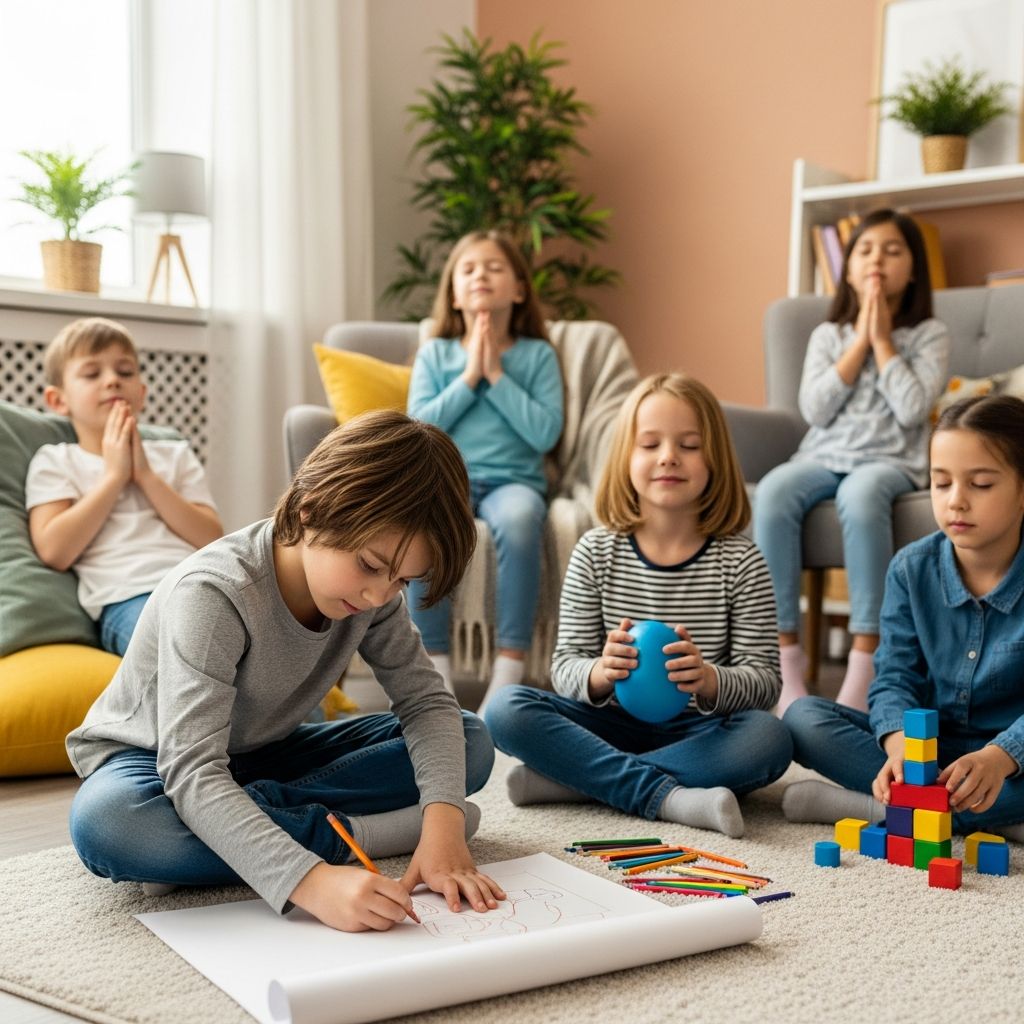
Anger is a natural emotion in children, often triggered by frustration, overwhelm, or unmet needs. Helping kids navigate these intense feelings requires patience, empathy, and targeted tools that foster self-regulation without damaging your relationship. This guide explores evidence-based approaches drawn from pediatric and psychological expertise to de-escalate outbursts effectively.
Understanding the Roots of Childhood Anger
Children’s brains are still developing, particularly the prefrontal cortex responsible for impulse control and emotional processing. When anger surges, it activates the fight-or-flight response, flooding the body with stress hormones like cortisol. Recognizing this physiological reaction is key: outbursts aren’t defiance but signals of emotional overload. Common triggers include hunger, tiredness, transitions, or feeling powerless. By validating these emotions first—such as saying, “I see you’re really upset”—you signal safety, allowing the parasympathetic nervous system to engage and promote calm.
Parents’ calm demeanor models regulation. Taking a deep breath yourself before responding prevents escalation, as your steady presence communicates that big feelings are manageable. This foundation of empathy sets the stage for practical interventions.
Essential Phrases to Validate and Soothe
Words have power in emotional storms. Simple, consistent phrases acknowledge feelings while offering support, reducing defensiveness. The phrase “I see you’re upset right now. I’m here for you” validates the emotion, reassures presence, and creates space for cooling down without judgment. Deliver it with a warm tone and gentle body language, like kneeling to eye level for young kids.
- Use age-appropriate variations: For toddlers, “Big mad feeling?” For school-age kids, “This is frustrating, huh?”
- Pair with silence: After speaking, pause and count to five internally, giving them processing time.
- Follow up post-calm: Discuss triggers and solutions once rationality returns.
These phrases build trust, teaching children their emotions are seen and contained.
Creating a Dedicated Calm-Down Zone
A cozy, non-punitive space equips children with a proactive tool for self-soothing. Stock it with soft pillows, weighted blankets, or favorite stuffed animals to make it inviting. Unlike timeouts, this “reset area” encourages independence in emotional management.
Let kids co-design it—adding drawings or sensory items increases buy-in. Use it preventatively: “Feeling wiggly? Head to your calm spot.” Research supports that regular use enhances emotion recognition and coping skills over time.
| Item | Purpose | Age Suitability |
|---|---|---|
| Beanbag chair | Comfortable seating | All ages |
| Fidget toys | Tactile distraction | 3+ |
| Emotion cards | Feeling identification | 4+ |
| Weighted lap pad | Deep pressure calm | 5+ |
Breathing Exercises That Work for Families
Deep breathing counters anger’s shallow, rapid breaths by activating the calming parasympathetic response. Practice together to make it collaborative: “Let’s smell the flower (inhale 4 counts), blow out candles (exhale 4 counts).” The 4-7-8 method—inhale 4, hold 7, exhale 8—suits older kids.
- Visual aids: Trace a square with fingers (in-hold-out-hold).
- Hold hands during: Builds connection while modeling.
- Daily practice: During play, not crises, strengthens neural pathways.
Consistency turns this into an automatic tool, reducing outburst intensity.
Sensory and Physical Outlets for Tension Release
Anger creates pent-up energy needing safe discharge. Sensory tools like stress balls, playdough, or fidget spinners redirect focus to the present, engaging the brain’s rational centers. Physical movement—jumping jacks, wall pushes, or pillow punching—releases endorphins.
Create a “movement menu”:
- Run in place (30 seconds).
- Yoga poses like child’s pose.
- Squeeze a therapy ball.
Weighted items provide grounding pressure, mimicking a hug. These tactile strategies are especially effective for sensory-sensitive kids.
Empowering Choices to Restore Control
Anger thrives on powerlessness; offering limited, acceptable options reclaims agency. Instead of commands, say, “Deep breaths or stress ball first?” This respects autonomy while guiding positively. Ensure choices align with boundaries to teach real-world consequences.
For routines, use “First-Then”: “First calm breaths, then story time.” Praise choices: “Great job picking breaths—you calmed so fast!”
Incorporating Play and Humor for Long-Term Skills
Teach regulation during neutral times via games. “Emotion Charades” lets kids act out feelings, building vocabulary. Mirror exercises or collage-making from magazines reinforce recognition. Gentle humor—silly faces or shared laughs about the situation—shifts mood without shaming.
Laughter releases tension, fostering resilience. Praise calm efforts to reinforce: “You used words instead—proud of you!”
Addressing Triggers and Building Prevention
Proactively identify patterns: Track outbursts via a simple journal (time, trigger, resolution). Common fixes: Consistent routines, adequate sleep, snack timers. Teach self-talk: “I can stay calm. I can problem-solve.”
For ongoing issues, consult pediatricians. Strategies like counting to 10, walking away, or fist clenches ease tension.
Frequently Asked Questions
What if my child refuses calming tools?
Stay nearby calmly without forcing. Model the tool yourself and revisit later during play. Persistence builds familiarity.
How long should I wait before intervening?
Pause 5-10 seconds after validation. If unsafe, prioritize safety while staying empathetic.
Is timeout ever appropriate?
Brief, explained pauses model self-care if you return quickly. Avoid as punishment.
Can these work for teens?
Yes—adapt phrases for space (e.g., text validation) and choices for independence.
When to seek professional help?
If outbursts frequent, intense, or impair daily life, consult a child psychologist.
Implementing these strategies transforms anger into growth opportunities. With practice, children gain lifelong emotional tools, strengthening family bonds.
References
- How to Help an Angry Child Calm Down Without Breaking Connection — Okonkwo Care Pediatrics. 2023. https://okonkwocarepediatrics.com/how-to-help-an-angry-child-calm-down-without-breaking-connection/
- The One Phrase That Can Quickly Calm an Angry Child — Psychology Today. 2025-02. https://www.psychologytoday.com/us/blog/liking-the-child-you-love/202502/a-magic-phrase-to-instantly-calm-an-angry-child-at-any-age
- Tips to Help You Calm an Upset Child — The Genius of Play. N/A. https://thegeniusofplay.org/tgop/genius/expert-advice/articles/tips-to-help-you-calm-an-upset-child.aspx
- Managing Preschool Aggression — American Psychological Association (APA). N/A. https://www.apa.org/topics/parenting/managing-preschool-aggression
- Helping Children Calm Down: 3-8 Years — Raising Children Network (Australian Government-funded). N/A. https://raisingchildren.net.au/preschoolers/behaviour/behaviour-management-tips-tools/helping-children-calm-down-3-8-years
- Helping Your Child with Anger Issues — NHS (National Health Service). N/A. https://www.nhs.uk/mental-health/children-and-young-adults/advice-for-parents/help-your-child-with-anger-issues/
- Angry Kids: Dealing With Explosive Behavior — Child Mind Institute. N/A. https://childmind.org/article/angry-kids-dealing-with-explosive-behavior/