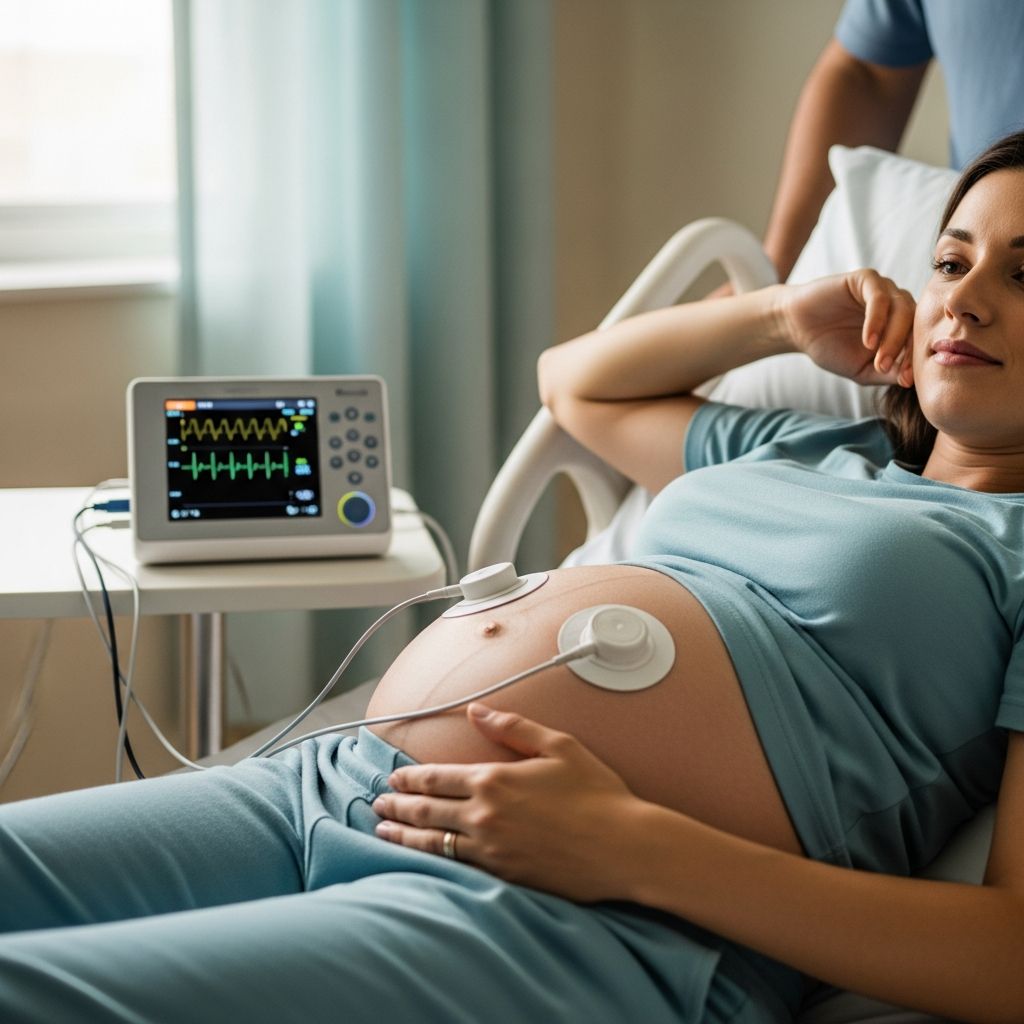
Men’s contributions to pregnancy extend far beyond conception, influencing everything from sperm viability to maternal mental health and long-term child outcomes. Recent studies highlight how paternal lifestyle choices trigger epigenetic changes in sperm, affecting fetal development and offspring health into adulthood. This article examines six critical areas where fathers-to-be play a pivotal role, drawing from high-quality research to offer practical guidance.
Lifestyle Habits and Sperm Epigenetics
Sperm development, spanning 74 days in humans, integrates environmental exposures that modify gene expression without altering DNA—a process called epigenetics. These modifications can pass to the embryo, influencing growth, metabolism, and stress responses. For instance, chronic stress in male mice altered sperm epigenetics, leading to offspring with heightened anxiety-like behaviors, as reported in a 2013 Journal of Neuroscience study. Human parallels emerge in obesity research: cord blood from children of obese fathers showed altered growth-regulating genes linked to later obesity risks. Encouragingly, bariatric surgery in obese men reversed these sperm epigenetic patterns, underscoring reversibility through lifestyle shifts.
Men preparing for fatherhood should prioritize a nutrient-rich diet, regular exercise, and stress management to optimize sperm health. Avoiding extreme heat—such as saunas or tight underwear—preserves sperm motility, as testicular overheating impairs production.
Caffeine Consumption’s Dual Impact
Preconception caffeine intake by either partner correlates with miscarriage risk. A National Institute of Child Health and Human Development study found male partners’ consumption of more than two caffeinated drinks daily as strongly linked to pregnancy loss as female intake. Dr. Buck Louis emphasized, “Male preconception consumption of caffeinated beverages was just as strongly associated with pregnancy loss as females.” This suggests caffeine may degrade sperm DNA integrity, heightening early embryo vulnerability.
- Recommendation: Limit to under 200mg daily (about two coffees) for both partners three months preconception.
- Why it matters: Reduces oxidative stress on sperm, enhancing fertilization success.
Alcohol, Tobacco, and Toxin Exposure
Alcohol and tobacco directly harm sperm quality. Male mice consuming alcohol at conception produced fetuses with developmental abnormalities, per Rutgers University research. Human studies confirm smoking induces immature sperm cells and DNA fragmentation, while marijuana correlates with reduced counts. Broader toxin exposure, including workplace chemicals, elevates birth defect risks by damaging sperm DNA.
Preconception care advocates stress men’s role in minimizing these: abstaining from alcohol and quitting smoking improves sperm parameters within weeks. Public health experts note, “Men who drink, use drugs, or smoke pose risks to a healthy pregnancy.”
Body Weight and Metabolic Health
Overweight men face reduced fertility and heightened offspring health risks. Excess body fat alters sperm epigenetics, programming metabolic vulnerabilities like diabetes in children. A University of Utah analysis linked paternal obesity to gene dysregulation in newborns’ cord blood, predisposing them to adult obesity. Weight loss via diet and surgery restores healthier sperm profiles.
| Factor | Impact on Sperm/Offspring | Improvement Strategy |
|---|---|---|
| Obesity (BMI >30) | Epigenetic changes; offspring obesity risk | Diet, exercise, bariatric surgery |
| Normal BMI (18.5-24.9) | Optimal motility, DNA integrity | Maintain via balanced habits |
| Underweight | Low sperm count | Nutrient-dense calorie increase |
Healthy BMI enhances conception odds and child well-being.
Advanced Paternal Age Effects
While women experience steeper fertility declines post-35, men’s advancing age reduces semen volume, sperm motility, and increases genetic mutation risks. Older fathers’ sperm accumulate DNA errors, correlating with autism, schizophrenia, and congenital anomalies in offspring. A University of New Mexico review notes daily sperm renewal but age-related quality drops.
- Optimal window: Ages 25-35 for peak fertility.
- Mitigation: Antioxidant supplements (e.g., vitamins C/E) may counter oxidative damage; consult physicians.
Emotional Support and Partner Presence
Beyond biology, men’s involvement buffers maternal stress. Partners providing consistent support during pregnancy lower depression rates and boost overall mental health. Infants of engaged fathers are more likely full-term, healthy-weight births with stronger first-year outcomes. Stanford Medicine research links paternal chronic illness to preterm risks, but active presence mitigates.
Couples fostering open communication and shared routines—prenatal classes, ultrasounds—enhance outcomes. This relational biology underscores men’s integral role.
Medical Factors and Proactive Screening
Certain conditions impair male fertility: type 1 diabetes, mumps, kidney disease, cancer treatments, and medications like opiates or antidepressants. STIs pose dual threats—infertility and neonatal dangers. Routine checkups, STI testing, and medication reviews preconception are vital.
Family history matters: genetic risks via sperm can influence fetal health. Paternal medication use warrants physician discussion to avoid sperm impacts.
Frequently Asked Questions (FAQs)
What lifestyle changes yield the fastest sperm improvements?
Quitting smoking/alcohol and losing weight show benefits in 74 days, aligning with spermatogenesis cycle.
Can stress alone harm pregnancy via sperm?
Yes, animal models demonstrate stress-induced epigenetic shifts causing offspring behavioral changes; human data emerging.
How involved should men be preconception?
Adopt healthy habits 3 months prior, attend appointments, and communicate supportively for optimal results.
Does caffeine affect only high consumers?
Risk rises above two drinks daily; moderation suffices for most.
Is paternal age risk overstated?
No—motility declines post-40; plan accordingly.
Actionable preconception Plan for Men
To maximize healthy outcomes:
- Months 1-3 preconception: Eliminate alcohol/tobacco, cap caffeine, achieve BMI 18.5-24.9.
- Daily: 30-min exercise, antioxidant-rich foods (berries, nuts), 7-9 hours sleep.
- Medical: STI screen, checkup, review meds/family history.
- Partnered: Joint stress reduction (yoga, walks), emotional check-ins.
These steps empower men as active pregnancy architects.
References
- MORE AND LESS THAN EQUAL: How Men Factor in the Biology of Infertility Treatment and Transfer — PMC/NCBI. 2013-12-01. https://pmc.ncbi.nlm.nih.gov/articles/PMC3856903/
- It’s science: 5 ways men can affect our pregnancies — Motherly. Accessed 2026. https://www.mother.ly/life/its-science-5-ways-men-can-affect-our-pregnancies/
- How Men’s Sperm Can Affect Pregnancy — University of Utah Health. 2018-05-01. https://healthcare.utah.edu/the-scope/health-library/all/2018/05/how-mens-sperm-can-affect-pregnancy
- Attention, Dads: Your Health and Lifestyle Affect Baby, Too — UNM Health. 2021-03-01. https://unmhealth.org/stories/2021/03/fathers-health.html
- Father’s health can affect newborns — but don’t fret — Stanford Medicine. 2020-03-01. https://med.stanford.edu/news/insights/2020/03/fathers-health-can-affect-newborns-but-dont-fret.html