Understanding Your Role in a Blended Family
Becoming a stepfather is a unique journey that differs significantly from biological parenthood. Unlike traditional fatherhood, which begins at birth, stepfatherhood requires you to enter an established family system where relationships, routines, and dynamics already exist. Understanding this distinction is crucial to your success. Your children have experienced loss and change, and they may be uncertain about your role in their lives. This initial uncertainty is completely normal and should be expected rather than seen as a personal rejection.
The foundation of effective stepfathering rests on recognizing that you are joining an existing unit, not replacing anyone or completely restructuring the family hierarchy. Your partner has already developed parenting strategies, discipline approaches, and ways of showing love that work for her family. Rather than viewing this as a limitation, see it as valuable knowledge that can guide your integration into the family. The children have learned to trust their mother’s parenting methods, and maintaining consistency while gradually introducing your presence creates stability during a transitional period.
The Critical Importance of Patience in Early Relationships
Patience is perhaps the single most important quality a stepfather can cultivate. Unlike biological children who grow up with their fathers from infancy, stepchildren may take months or even years to warm up to you. This timeline varies greatly depending on the child’s age, personality, their experience with previous parental figures, and how they process change. Younger children sometimes adapt more quickly, while teenagers may exhibit more resistance as they navigate complex emotions about divorce, family restructuring, and loyalty conflicts.
When you feel frustrated or discouraged because a stepchild doesn’t immediately respond to your efforts, remember that their emotional complexity is not a reflection of your adequacy as a stepfather. They may be grieving the loss of their original family structure, processing feelings about their biological father, or protecting themselves from potential abandonment. Rather than pushing harder or taking the distance personally, practice what psychologists call “patient presence.” Show up consistently, demonstrate reliability, and allow the relationship to develop at its own natural pace.
This patience must extend to accepting that love may not develop immediately, and that is acceptable. Many successful stepfathers report that genuine affection took two to five years to develop naturally. In the meantime, building a respectful working relationship and demonstrating authentic care creates the foundation upon which deeper bonds eventually form.
Respecting the Biological Parent Relationship
One of the most significant mistakes stepfathers make is not fully appreciating the magnitude of the biological parent-child bond. Your partner has a history with these children spanning years or decades. She understands their personalities in depth, knows their fears and dreams, and has developed intuitive responses to their behavior. The children, in turn, have deep psychological attachments to their mother and are acutely aware of any perceived threat to that relationship.
When stepchildren sense that you might distance them from their mother or replace her importance, anxiety increases and resistance strengthens. Conversely, when you actively support and facilitate their time with their mother, you demonstrate that you respect and value what matters most to them. This might mean:
- Encouraging one-on-one time between mother and child without your presence
- Supporting their mother’s parenting decisions even when you might have chosen differently
- Never criticizing their mother in front of the children
- Helping prepare them for activities with their mother rather than insisting on joining
- Acknowledging that their mother remains their primary parent
This supportive stance actually accelerates relationship-building with stepchildren because it removes a major source of conflict and demonstrates that you have secure confidence in your place in the family.
Never Attempting to Replace the Biological Father
A closely related but distinct issue involves the biological father. Even if he was absent, harmful, or is no longer present, attempting to erase him or position yourself as his replacement will backfire. Children feel loyalty to their biological parents at a visceral level, and criticizing that parent forces them into an impossible position: defending someone they may also resent, or betraying a fundamental relationship.
Instead, your approach should be to support the children’s relationship with their biological father when it is safe to do so. Ask your partner for guidance on how to handle this sensitively based on the specific circumstances. Never pressure children to call you “Dad” or use parental terminology unless it emerges naturally from them. Your role is to be a trusted male figure in their lives—a mentor, supporter, and parental presence—without attempting to erase or replace their father.
If the biological father is deceased or genuinely unavailable, children still carry the psychological imprint of that relationship. Honoring their memories and emotions about him shows respect for their complete identity and history.
Strategic Listening and Emotional Support
One of the most underutilized tools in stepfathering is the power of listening without immediately trying to fix problems. When stepchildren share concerns, frustrations, or confuse emotions, many well-intentioned stepfathers jump into problem-solving mode. While this impulse comes from a desire to help, it can actually undermine relationship-building.
Instead, practice active listening where you:
- Allow them to express their feelings fully without interruption
- Ask clarifying questions that show you’re genuinely trying to understand their perspective
- Validate their emotions even if you don’t fully agree with their conclusions
- Offer support and sympathy rather than immediately proposing solutions
- Wait for them to ask for your advice before offering it
This approach signals that you respect their autonomy and emotional intelligence. Over time, as children see that you listen without judgment and don’t dismiss their concerns, they naturally begin sharing more with you. This deepening communication is where genuine trust is built.
Building Shared Experiences Through Intentional Time
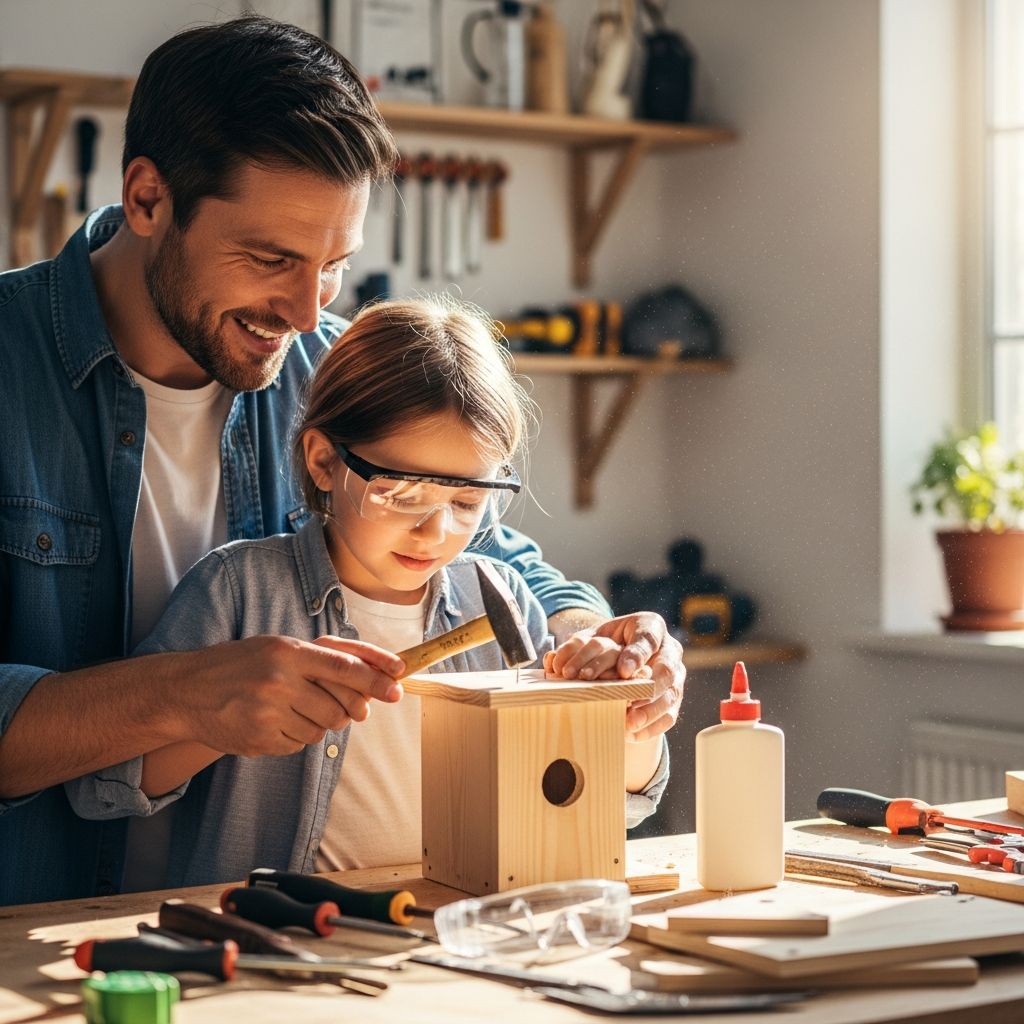
Quality time is essential, but equally important is how you approach that time. Rather than forcing family activities where the stepchild feels obligated to participate, look for opportunities to connect through their existing interests. If a child loves soccer, attend their games and cheer from the sidelines rather than trying to coach or critique. If they enjoy reading, ask them about their books and genuinely listen to their recommendations. If they have a hobby you don’t understand, show interest by asking questions and learning alongside them.
One-on-one time is particularly valuable because it removes the pressure of group dynamics and allows for more natural conversation. These don’t need to be elaborate outings; sometimes the best bonding happens during routine activities like driving to school, helping with a project, or sharing a meal. Consistency matters more than grandeur. Regular, predictable time together demonstrates commitment and creates natural opportunities for conversations that deepen your relationship.
Beyond individual connections, establishing new family rituals and traditions can help build a shared identity for the blended family. These might include weekly game nights, annual camping trips, holiday traditions unique to your expanded family, or regular meal times where everyone gathers. These rituals should not erase previous family traditions but rather add new ones that everyone participates in together, creating a sense of belonging to the new family unit.
Handling Discipline With Strategic Restraint
Discipline is where many stepfathers struggle and where conflicts with both stepchildren and their mothers commonly arise. Without a long-established relationship and emotional foundation, stepping into the disciplinarian role too quickly creates resentment and resistance. The most effective approach involves a gradual transition where your partner maintains primary responsibility for discipline initially, while you support her decisions and gradually assume more responsibility as your relationship with the children strengthens.
Before implementing any discipline, discuss expectations and approaches privately with your partner. Understand her philosophy, her reasoning, and what behaviors she prioritizes. Learn what consequences she uses and why. This aligned approach prevents children from manipulating situations or seeing inconsistency between parents.
When you do need to address behavior, do so calmly and consistently. If you object to sarcasm, don’t be sarcastic in return. If you expect respectful tone, model it yourself. Demonstrate the behavior you expect to see, and your credibility increases significantly. In moments where you feel frustrated, pause before responding. Your partner’s protective instincts toward her children are strong, and criticism—even when valid—can create conflict between you and your partner.
Presenting United Parental Leadership
Children thrive when they experience consistent, unified parenting. Blended families that have experienced parental conflict or divorce are particularly sensitive to seeing consistent cooperation between the adults in their lives. When you and your partner present a united front, you provide psychological stability and reassurance.
This doesn’t mean you must agree on everything privately. It means that disagreements happen behind closed doors, away from the children. You discuss concerns, find compromise, and then present decisions to the children as coming from both of you. This prevents kids from shopping for the more lenient parent or exploiting disagreements between you.
Table: Unified Parenting Approach
| Situation | Unified Approach | Approach to Avoid |
|---|---|---|
| Child breaks a household rule | Discuss privately with partner, agree on consequence, enforce together | Implementing different consequences independently or overriding each other’s decisions |
| Disagreement about screen time limits | Work out policy together privately, present unified rule | Arguing about it in front of children or allowing different rules for different kids |
| Child speaks disrespectfully | Calmly address together and reinforce expectations | One parent defending child while other disciplines |
Valuing Their Perspectives and History
Stepchildren’s past experiences, memories, and perspectives deserve respect and genuine interest. If they want to talk about memories with their biological father, previous homes, or past family traditions, respond with curiosity rather than dismissal. Look at photo albums with them. Ask questions about their childhood. This demonstrates that you accept their complete identity, including the parts that existed before you arrived.
Additionally, consistently ask for their opinions on family decisions when appropriate. Show genuine interest in their thoughts, and don’t assume their views will differ from yours. When children feel heard and valued, they become more engaged in family life and more open to your influence. This is particularly important with teenagers who are developing their own perspectives and need to feel their emerging adulthood is respected.
Managing Your Own Stress and Expectations
The emotional demands of stepfathering can be significant. You may experience frustration, rejection, self-doubt, or fatigue as you navigate complex family dynamics. Managing your own stress levels is not selfish; it’s essential to your long-term effectiveness as a stepfather. When you’re burned out or emotionally depleted, your patience decreases and your reactivity increases—both of which harm family relationships.
Consider healthy stress management practices like exercise, time with friends, hobbies, or professional counseling if needed. Having outlets outside the family helps you maintain emotional balance and prevents the stepchildren from bearing the weight of your frustrations. Additionally, maintain realistic expectations about timelines. If you expect full integration and genuine affection within six months, you’ll be disappointed. If you recognize that trust-building takes two to five years, you can celebrate small progress along the way.
Frequently Asked Questions
How long does it typically take to develop a good relationship with stepchildren?
There is no universal timeline, but research suggests that meaningful relationships often take two to five years to develop, depending on the child’s age, personality, and previous experiences. Some relationships progress faster, while others require more time. Consistency and patience are more important than speed.
What should I do if a stepchild doesn’t like me?
Avoid taking it personally. Continue showing up consistently, demonstrate reliability, and maintain respect even when the relationship is difficult. Focus on building a respectful working relationship rather than forcing affection. Many stepchildren warm up over time when they see your commitment is genuine and unconditional.
Should I treat stepchildren differently from biological children?
This depends on your specific family situation. If all children live together, consistency in rules and expectations is important. However, acknowledging different histories and needs is also valuable. Discuss this with your partner to determine an approach that works for your family.
Can I discipline my stepchildren?
Yes, but gradually. Start with a supporting role while your partner handles primary discipline. As your relationship deepens and trust develops, gradually assume more responsibility for discipline. This prevents resentment and allows children to accept correction from someone they’ve grown to respect.
What if I really dislike one of my stepchildren?
It’s normal for different personalities to mesh better or worse. Focus on treating that child with respect and fairness even if you don’t naturally click. As they mature and you spend more time together, your feelings may shift. Discuss any significant concerns with your partner privately, but maintain consistent, respectful behavior toward all children.
References
- How to Develop a Relationship with Stepchildren — Dad.info. 2024. https://www.dad.info/article/family/step-dads/becoming-a-step-dad/how-to-develop-a-relationship-with-stepchildren/
- Success Strategies for Becoming a Stepdad — 2Houses. 2024. https://www.2houses.com/nl/blog/success-strategies-for-becoming-a-stepdad
- 8 Ways to Build a Positive Relationship with Your Stepkids — Moving Past Divorce. 2017. https://movingpastdivorce.com/2017/01/8-ways-to-build-a-positive-relationship-with-your-stepkids/
- 11 Ways for a Stepdad to Engage With His Family — FamilyLife. 2024. https://www.familylife.com/articles/topics/blended-family/stepparents/stepparenting-skills/11-ways-for-a-stepdad-to-engage-with-his-family/
- Practical Hope for Stepfathers: 6 Tips for Strong Blended Families — Fathers.com. 2024. https://fathers.com/articles/practical-hope-for-stepfathers-6-tips-for-strong-blended-families