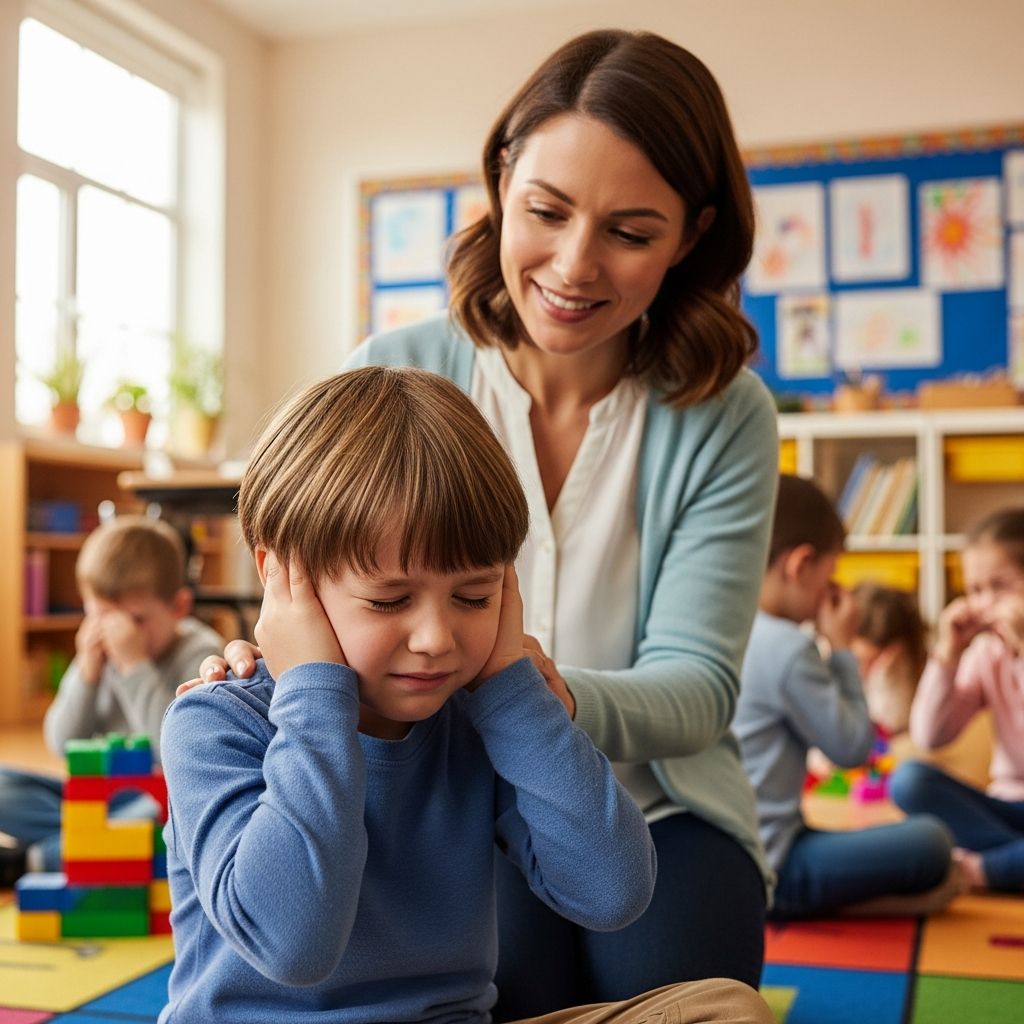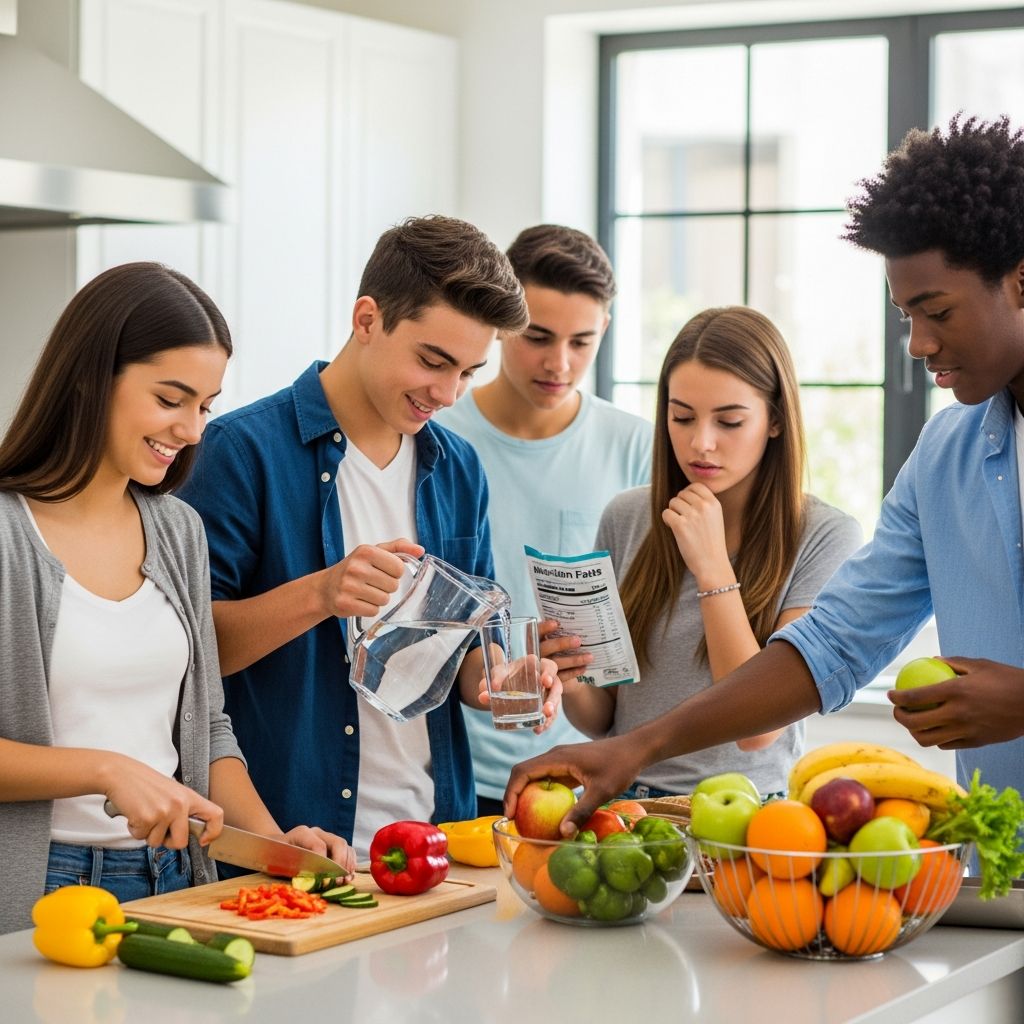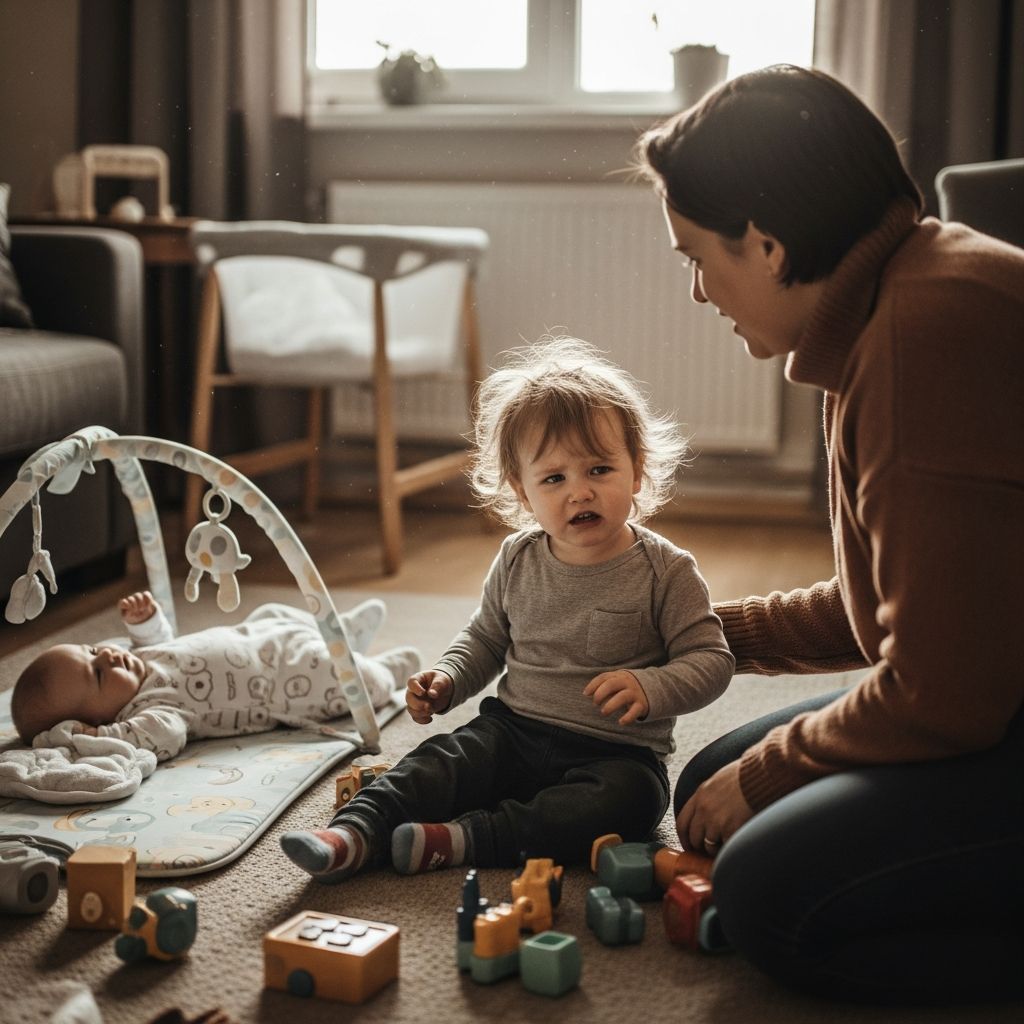
Self-motivation is the internal engine that propels children toward their goals without constant external prodding. Unlike fleeting rewards, it cultivates resilience, curiosity, and a love for learning that lasts a lifetime. Parents play a pivotal role in nurturing this trait, helping kids develop autonomy and competence from an early age. This article explores 10 practical, evidence-based strategies to foster intrinsic motivation, ensuring your child thrives academically, socially, and personally.
Understanding the Foundations of Self-Motivation
Intrinsic motivation stems from within, driven by personal interest and satisfaction, while extrinsic relies on external incentives like prizes or praise. Research from the American Psychological Association emphasizes that children perform better and enjoy learning more when intrinsically motivated, as it fulfills their needs for competence and autonomy. Shifting focus from ‘You’re so smart’ to ‘You worked hard on that’ builds persistence over fixed mindsets. By age 5-7, kids with strong self-motivation show better focus and emotional regulation, setting the stage for future success.
Key benefits include improved academic performance, healthier habits, and adaptability to challenges. A study by the Center on the Developing Child at Harvard notes that intrinsic drives begin in infancy and can be amplified through supportive environments. Parents who model enthusiasm and provide choices see children who independently tackle tasks.
Strategy 1: Collaborate on Goal-Setting
Jointly creating goals empowers children, making them feel ownership over their progress. Start by brainstorming a mix of short-term (daily homework) and long-term (mastering a skill) objectives, including fun ones like video game levels or hobbies. Break them into actionable steps: ‘What will you do today toward reading that book series?’ This teaches planning and achievement.
- Prioritize by ease and type: academic, social, physical.
- Track visually with charts for tangible wins.
- Adjust as needed to match abilities, avoiding frustration.
For children with special needs, incorporate therapy-related goals to blend support with motivation. Regular check-ins celebrate milestones, boosting confidence for bigger challenges.
Strategy 2: Spark and Nurture Curiosity
Curiosity is a natural motivator; fuel it by aligning tasks with interests. Encourage questions like ‘What happens if…?’ during play or experiments, turning routine activities into explorations. Set goals around passions, such as a new hobby, to practice self-drive on enjoyable pursuits before applying to chores.
Introduce novelty: surprise elements in games or tasks just beyond current skills promote creative problem-solving and autonomy. This approach, per APA guidelines, enhances engagement without rewards.
Strategy 3: Harness Positive Reinforcement
Positive words after effort reinforce internal satisfaction, not just outcomes. Say ‘I’m proud of how you kept trying!’ instead of generic praise, distinguishing it from extrinsic rewards. Research shows this builds self-esteem and accomplishment. Avoid negativity; frame setbacks constructively.
| Do Say | Don’t Say |
|---|---|
| “Great job persisting through that puzzle!” | “Why can’t you get it right?” |
| “You planned that well—nice work!” | “You’re so smart, do better next time.” |
| “Look how far you’ve come this week.” | “That’s not good enough.” |
Use after partial successes to sustain momentum.
Strategy 4: Embrace and Learn from Failures
Teach that setbacks are stepping stones, not defeats. Discuss ‘What did you learn?’ post-failure to build resilience. Model this by sharing your own challenges, showing persistence pays off. This mindset, vital for life skills, helps kids view effort as key to growth.
Strategy 5: Cultivate Autonomy Through Choices
Offering options—like choosing between reading or drawing—fosters independence. Honor choices safely to avoid power struggles. This supports APA’s principle of autonomy in motivation.
Strategy 6: Model Motivated Behavior
Kids mirror parents; demonstrate enthusiasm for your tasks. Share goal progress openly: ‘I’m excited to finish this project!’ Routines with involvement build security and drive.
Strategy 7: Strengthen Self-Esteem Gradually
Start with achievable tasks to stack small wins, especially for perfectionists. Positive affirmations counter low confidence, enabling bolder pursuits. Track progress to visualize growth.
Strategy 8: Align with Individual Learning Styles
Observe how your child best absorbs info—visual, kinesthetic—and tailor activities. This personalization sustains interest and effectiveness.
Strategy 9: Create Supportive Routines
Consistent, predictable structures with child input promote focus. Blend fun and responsibility for balanced motivation.
Strategy 10: Monitor and Avoid Common Pitfalls
Steer clear of unrealistic goals, untracked progress, or criticism. Note what works, like music lessons sparking drive, and replicate.
Real-Life Applications and Age-Specific Tips
For toddlers (2-4): Use play-based choices and effort praise. School-age (5-10): Goal charts and hobby goals. Teens: Discuss long-term aspirations collaboratively.
- Preschool: Curiosity games.
- Elementary: Weekly reviews.
- Middle school: Interest-driven projects.
Frequently Asked Questions (FAQs)
What if my child lacks interest in schoolwork?
Link it to passions—e.g., math via games—and use choices for ownership.
How do rewards fit in?
Use sparingly for habits, transitioning to intrinsic via effort focus.
What about kids with low self-esteem?
Begin with easy wins and positive feedback to build gradually.
Can self-motivation be taught too early?
Yes, from infancy via responsive caregiving.
How to handle resistance?
Avoid struggles; offer options and model calm persistence.
References
- How to Build Intrinsic Motivation in Young Children — Collab for Children. 2023. https://collabforchildren.org/who-we-are/news/intrinsic-motivation-in-early-childhood/
- How to Encourage Self-Motivation in Your Child — CASRF. 2023. https://www.casrf.org/post/how-to-encourage-self-motivation-in-your-child
- Five Tips to Encourage Self-Motivation In Your Little One — GrowFit Camp. 2023. https://growfit.camp/five-tips-to-encourage-self-motivation-in-your-little-one/
- Motivation: Top Twenty Principles for Early Childhood Education — American Psychological Association (APA). 2019-05-01. https://www.apa.org/ed/schools/teaching-learning/top-twenty/early-childhood/motivation
- How To Motivate Your Child: Teaching Self-Motivation — Prodigy Game. 2023. https://www.prodigygame.com/main-en/blog/how-to-motivate-kids
- How to Motivate and Keep Kids Focused – Tips for Parents and Teachers — LearnWell Services. 2023. https://learnwellservices.com/how-to-motivate-and-keep-kids-focused-tips-for-parents-and-teachers/
- How to Motivate Children: Science-Based Approaches — Center on the Developing Child, Harvard University. 2023. https://developingchild.harvard.edu/resources/briefs/how-to-motivate-children-science-based-approaches-for-parents-caregivers-and-teachers/