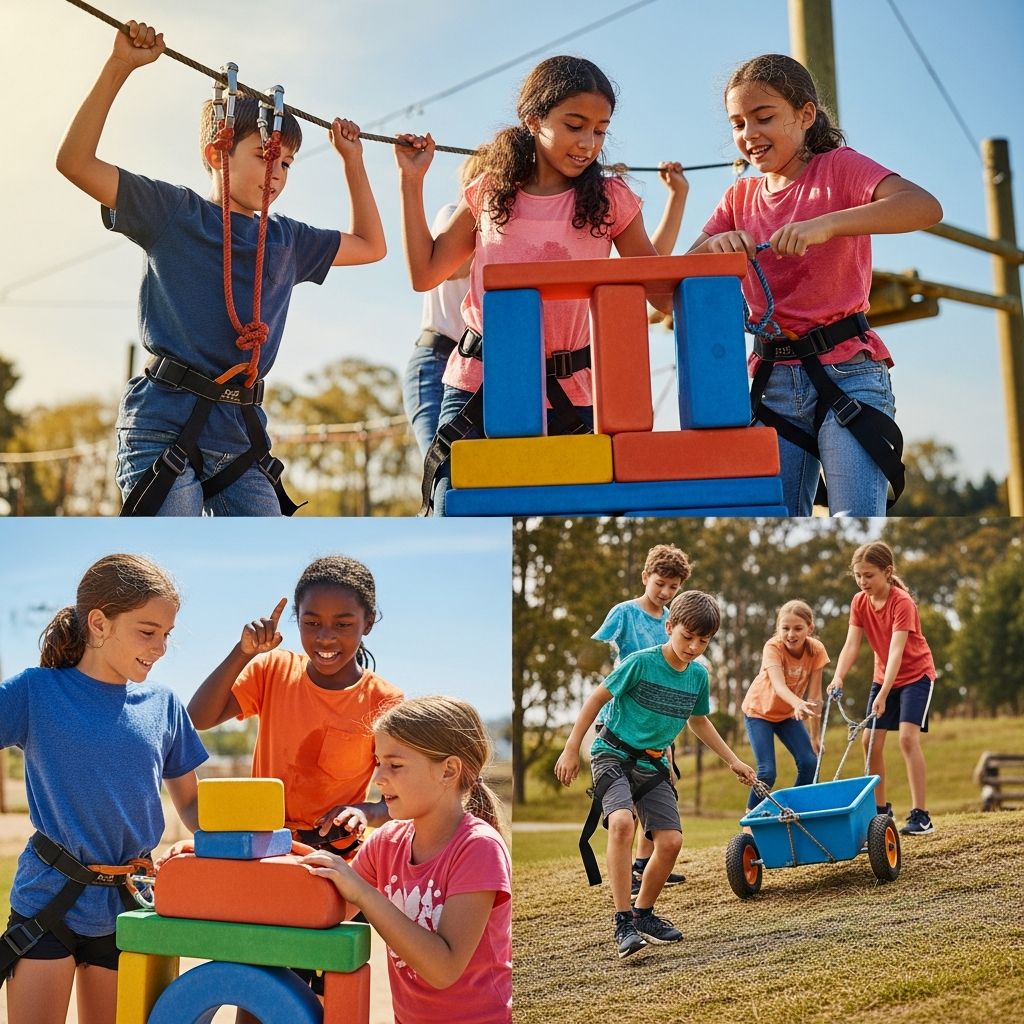
Resilience is the inner strength that allows children to navigate life’s inevitable obstacles, turning potential setbacks into stepping stones for growth. In today’s fast-paced world, where kids face academic pressures, social dynamics, and unexpected changes, equipping them with this vital skill is essential for their emotional and mental well-being. Parents play a pivotal role in cultivating resilience by modeling persistence, encouraging independence, and creating supportive environments that celebrate effort over perfection.
Understanding Resilience: The Foundation of Strength
Resilience isn’t an innate trait but a set of learned behaviors and mindsets that help children recover from disappointments and adapt to stress. Research from child development experts highlights that resilient kids demonstrate better problem-solving abilities, emotional regulation, and a positive outlook on challenges. For instance, when children learn to view failures as temporary, they develop a growth mindset, believing their abilities can improve with dedication. This foundation prevents long-term issues like anxiety or low self-esteem, promoting healthier transitions into adulthood.
Key elements of resilience include emotional skills, supportive relationships, and adaptive thinking patterns. Children aged 3-8, in particular, build these through everyday experiences like learning new skills or resolving peer conflicts. Patience from parents is crucial, as resilience develops gradually, requiring consistent reinforcement rather than instant fixes.
Core Pillars of Resilience: The 7 Essential Components
Pediatric specialists outline seven interconnected pillars—competence, confidence, connection, character, contribution, coping, and control—that form the bedrock of resilient child-rearing. Each pillar offers actionable strategies for parents to integrate into daily life, fostering holistic development.
1. Fostering Competence Through Skill-Building
Competence arises when children master tasks, boosting their self-assurance. Observe your child’s daily activities to spot natural talents, such as puzzle-solving or drawing, and verbally affirm them: “I see how patiently you’re working on that puzzle—your focus is impressive.” Provide repeated opportunities to practice, allowing mistakes as learning tools. This approach enhances problem-solving and turns potential frustration into mastery.
Shift conversations to highlight strengths rather than deficits. Active listening without interruption builds trust, while letting kids decide on small matters—like choosing outfits—teaches accountability. Over time, this cultivates perseverance, as children learn that effort leads to improvement.
2. Cultivating Unshakable Confidence
Confidence stems from competence but flourishes through encouragement and safe risk-taking. Avoid empty praise; instead, link affirmations to specific actions, like “Your persistence paid off on that bike ride.” Reframe failures positively: “You haven’t mastered it yet, but keep going—you’re getting closer.” Celebrating incremental wins reinforces that persistence trumps talent.
Parents model optimism by demonstrating positive attitudes during their own challenges. Family rituals, such as shared meals or game nights, create security, enabling kids to venture into new experiences with assurance.
3. Strengthening Bonds Through Connection
Deep relationships act as resilience buffers. Prioritize screen-free family time to practice active listening—everyone shares thoughts without judgment. Traditions like weekly outings solidify a sense of belonging, making children feel valued and secure. Positive role models, whether family or community figures, illustrate successful coping, inspiring kids to emulate resilience.
4. Shaping Character with Moral Guidance
Character develops empathy and integrity, key to ethical decision-making. Discuss how actions impact others, modeling kindness in daily interactions. Guide children to explore values through age-appropriate scenarios, emphasizing family and community roles. Introducing spirituality or purpose can provide deeper meaning.
5. Encouraging Contribution for Purpose
Feeling useful combats helplessness. Involve kids in family decisions or volunteer efforts like clean-ups, sparking empathy via discussions on global inequalities. Model generosity to show contribution’s ripple effects, instilling a sense of agency.
6. Mastering Coping Mechanisms
Teach emotional tools like deep breathing or mindfulness tailored to their age. During upsets, validate feelings then guide resets: “Let’s breathe deeply, then plan next steps.” These build self-soothing skills for independence.
7. Promoting Control and Self-Advocacy
Empower through clear boundaries that evolve with responsibility. Family meetings let kids voice opinions, practicing negotiation. Gradually granting freedoms for good choices teaches self-direction.
Practical Strategies: Age-Specific Tactics
Tailor approaches to developmental stages for maximum impact.
| Age Group | Key Challenges | Strategies |
|---|---|---|
| 3-5 Years | Separation anxiety, basic skills | Short routines, simple problem-solving games, praise persistence in play. |
| 6-8 Years | School transitions, peer issues | Brainstorm solutions to conflicts, encourage ‘one more try’ mindset, share daily positives. |
| 9-12 Years | Academic pressure, independence | Delegate chores, teach stress tools, discuss role models’ stories. |
Across ages, maintain routines for stability, help others to build perspective, and lead by example—your resilience inspires theirs.
Real-Life Scenarios: Applying Resilience in Action
- Bike Learning Falls: “That hurt, but you got back up bravely. You’re strong!” Encourages emotional recovery.
- Homework Struggles: “You’re pushing through—don’t quit; you’ll crack it.” Reinforces grit.
- Friend Disputes: “What ideas do you have to fix this?” Builds autonomy.
- Anxiety Moments: “I get you’re upset. Deep breaths, then let’s talk.” Teaches regulation.
Common Roadblocks and How to Overcome Them
Parents often shield kids from failure, hindering growth. Instead, allow small disappointments to teach adaptation. Combat negativity bias by daily gratitude shares. If tech dominates, enforce device-free zones for real connections. Consistency is key—resilience builds through repetition, not one-offs.
Frequently Asked Questions (FAQs)
What is the fastest way to build resilience in young kids?
Combine consistent praise for effort, problem-solving practice, and strong family bonds. Start small daily.
Can too much failure harm my child?
Balanced exposure to manageable challenges strengthens; overwhelm requires support. Monitor and scaffold.
How do I model resilience if I’m struggling?
Be honest about your processes: “I’m frustrated, but I’ll try again.” Authenticity teaches most.
Does resilience differ by age?
Yes—toddlers need routines, school-agers problem-solving, tweens independence.
What’s the role of schools in resilience?
They reinforce through challenges; partner with teachers for consistent messaging.
Long-Term Benefits: Raising Lifelong Overcomers
Investing in resilience yields adaptable adults who thrive professionally and personally. Studies affirm resilient children excel academically, form healthier relationships, and manage stress effectively. By prioritizing these pillars, parents gift their kids an unshakeable foundation.
References
- 7 C’s of Building Resilience in Children: Parent Strategies — Metro Pediatrics. 2023-05-15. https://www.metropediatrics.com/pediatric-blog/7-cs-of-building-resilience-in-children-parent-strategies/
- Building Resilience in Children – Nurturing Strong Minds for Life’s Challenges — Uplift Michigan Online School. 2024-08-20. https://uplift-mi.org/building-resilience-in-children-nurturing-strong-minds-for-lifes-challenges/
- Building resilience in children 3-8 years — Raising Children Network (Australian Government-funded). 2025-01-10. https://raisingchildren.net.au/school-age/development/school-age-social-emotional-development/resilience-how-to-build-it-in-children-3-8-years
- Raising Resilient Kids — Focus on the Family. 2024-03-12. https://www.focusonthefamily.com/parenting/raising-resilient-kids/
- Resilience guide for parents and teachers — American Psychological Association. 2023-11-05. https://www.apa.org/topics/resilience/guide-parents-teachers
- A Guide to Resilience — Harvard Center on the Developing Child. 2024-06-18. https://developingchild.harvard.edu/resource-guides/guide-resilience/