Picking a primary care doctor for a child is one of the most important health decisions a parent can make. The right doctor becomes a long-term partner who helps track growth, prevent illness, solve everyday health problems, and guide families through bigger medical decisions when they arise.
What Is a Primary Care Doctor for a Child?
A primary care doctor is the health professional a family turns to first for most medical questions, checkups, vaccines, and common illnesses. For children, this role is usually filled by one of three types of doctors, each trained to provide general care and coordinate other services when needed.
- Pediatrician: A doctor whose training focuses exclusively on infants, children, and teenagers.
- Family physician: A doctor trained to care for patients of all ages, from newborns to older adults, often seeing several generations within a family.
- Internal medicine–pediatrics (med-peds) doctor: A doctor with combined training in adult and pediatric medicine who can care for children and later continue as their adult doctor.
These professionals handle most routine and urgent non-emergency concerns. They also coordinate referrals and communicate with specialists if a child needs more focused care.
Why Every Child Needs a Primary Care Doctor
Some families wait to find a doctor until a child is sick, but establishing a primary care relationship early offers clear benefits. Over time, the doctor gets to know the child’s health patterns, family history, and personality, which makes care more accurate, efficient, and reassuring.
- Regular visits make it easier to spot early signs of problems, such as developmental delays or vision and hearing issues.
- Ongoing care supports healthy habits, including nutrition, sleep, activity, and emotional well-being.
- Having a known doctor to call can prevent unnecessary urgent care or emergency room visits for issues that can be handled in the office.
How a Primary Care Doctor Helps Over Time
| Stage of Childhood | Typical Focus of Primary Care |
|---|---|
| Infancy | Growth checks, feeding support, vaccines, early development tracking. |
| Preschool years | Behavior guidance, toilet training questions, safety counseling. |
| School age | Learning and attention issues, sports physicals, healthy habits. |
| Teen years | Puberty changes, mental health screening, risk behavior counseling. |
Core Roles of a Child’s Primary Care Doctor
Primary care for children goes far beyond treating colds. The doctor’s role can be grouped into several key areas that build on each other as a child grows.
1. Preventing Illness and Promoting Wellness
A major part of primary care is keeping children healthy rather than only stepping in when they are sick. This happens through scheduled checkups, screenings, and ongoing guidance tailored to the child’s age and needs.
- Tracking growth and development using height, weight, and head measurements.
- Reviewing diet, sleep, physical activity, and screen time.
- Staying up to date with vaccinations that protect against serious diseases.
- Screening for anemia, lead exposure, vision and hearing issues when appropriate.
2. Diagnosing and Treating Everyday Health Problems
When a child develops symptoms, the primary care doctor is usually the first point of contact. The doctor gathers a history, performs an exam, and decides whether testing or immediate treatment is needed.
- Managing common infections such as ear infections, sinus infections, sore throats, and skin rashes.
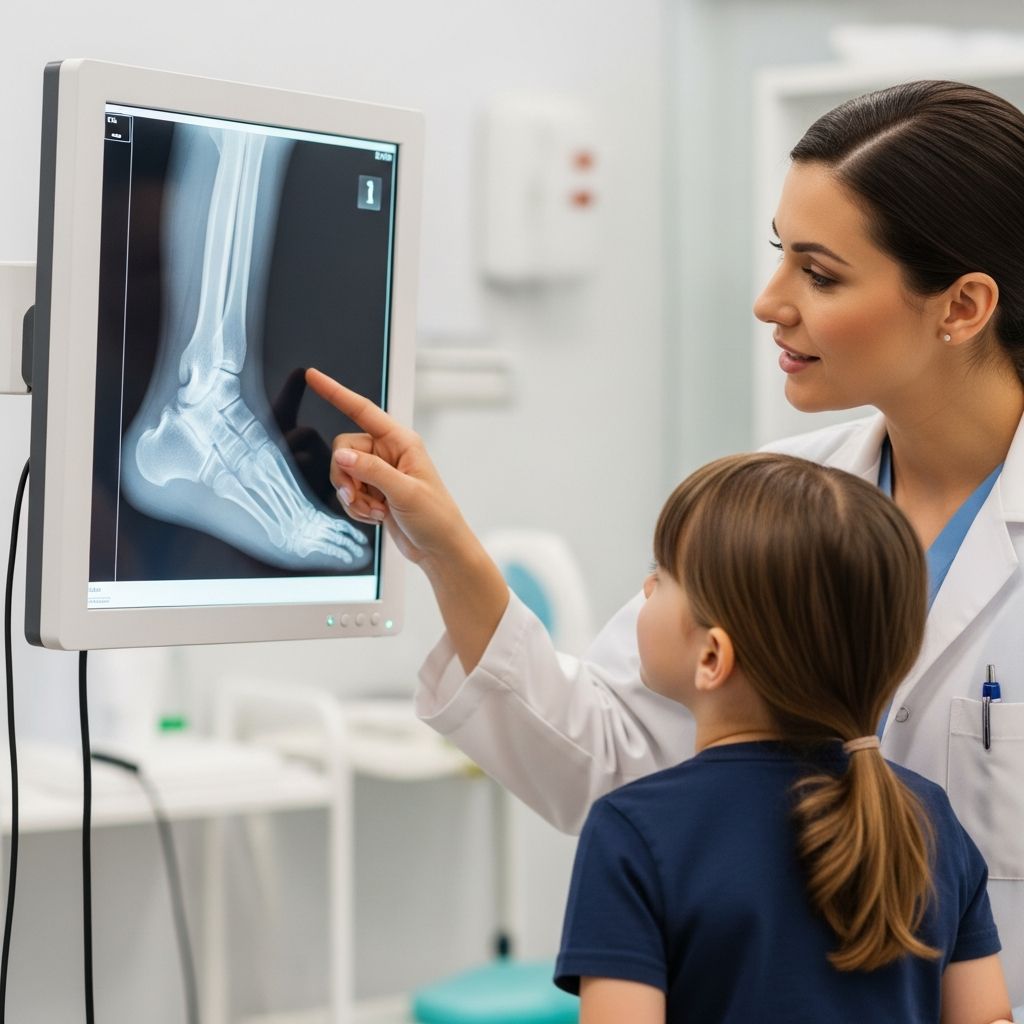
- Evaluating injuries like sprains or minor cuts and advising when imaging or specialty care is required.
- Helping families distinguish between illnesses that can be observed at home and those that require an in-person evaluation.
3. Guiding Long-Term Management of Chronic Conditions
Some children live with ongoing conditions such as asthma, allergies, diabetes, or attention difficulties. In these situations, the primary care doctor becomes a long-term coordinator of care and a central point of communication.
- Creating and adjusting treatment plans over time, including medications and lifestyle strategies.
- Monitoring how well the plan is working and whether new symptoms appear.
- Coordinating with specialists such as allergists, cardiologists, or mental health professionals and explaining recommendations in everyday terms.
4. Supporting Emotional and Behavioral Health
Children’s mental and emotional health is just as important as their physical health. A primary care doctor is often the first person to notice changes in mood, behavior, or social functioning.
- Screening for anxiety, depression, attention problems, and other concerns.
- Discussing school performance, peer relationships, and family stress.
- Helping parents access counseling, school resources, or specialized mental health care when needed.
Different Types of Primary Care Practices
Parents may encounter a variety of practice styles when searching for a doctor. Understanding the differences can help families choose an environment that fits their preferences and everyday reality.
| Practice Type | What Parents Can Expect |
|---|---|
| Solo practice | One main doctor, often a smaller and more personal atmosphere, but limited office hours and coverage. |
| Group pediatric practice | Several pediatricians sharing space; better coverage for after-hours and same-day visits, but families may occasionally see a different doctor. |
| Family medicine clinic | Care for children and adults in the same office; convenient for families who want a single doctor for everyone. |
| Community health center | Team-based care that may include doctors, nurse practitioners, social workers, and nutritional counseling, often with resources for families with limited access. |
How to Choose the Right Primary Care Doctor for Your Child
Choosing a doctor is both a practical and a personal decision. Parents can start by making a short list of candidates and then narrowing it down by location, logistics, and the overall feel of the practice.
Step 1: Check the Basics
- Verify that the doctor accepts your health insurance plan and is listed as an in-network provider if your plan requires one.
- Confirm that the office is located within a reasonable distance from home, school, or daycare.
- Review office hours, including early morning, evening, or weekend options, and find out how quickly sick visits can usually be scheduled.
Step 2: Ask About Training and Approach
- Look for board certification in pediatrics or family medicine as evidence of specialized training and ongoing education.
- Ask how the doctor prefers to communicate about treatment options and how much time is typically available for questions.
- Consider whether the doctor’s style feels collaborative, respectful, and aligned with your parenting values.
Step 3: Evaluate Communication and Comfort
The doctor–family relationship depends heavily on trust. A brief meet-and-greet visit can help parents and older children decide whether they feel comfortable with a particular doctor and office staff.
- Notice whether the doctor speaks directly to the child as well as to the parent.
- Observe how the office handles phone calls, questions, and follow-up communication.
- Ask about options for secure messaging, telehealth visits, and access to online health records or test results.
Making the Most of Routine Visits
Well-child checkups offer more than a quick physical exam. These visits are a chance to ask questions, raise concerns, and plan ahead for upcoming milestones. Preparation helps families get the most value from each appointment.
Before the Visit
- Write down questions about behavior, school, sleep, diet, or new symptoms so nothing is forgotten during the appointment.
- Bring a list of medications, vitamins, and supplements the child takes, including doses.
- For new patients, gather past medical records, vaccine dates, and any recent test results if available.
During the Visit
- Share observations about changes in mood, habits, or school performance, even if they seem minor.
- Ask the doctor to clarify any unfamiliar terms in plain language and repeat key instructions back in your own words to ensure understanding.
- Discuss upcoming developmental stages so you know what to expect before new behaviors or challenges appear.
After the Visit
- Review written instructions or visit summaries, and store them where they are easy to find.
- Mark the recommended time for the next checkup on your calendar right away.
- Contact the office if new symptoms arise or if a treatment plan does not seem to be working as expected.
When and How a Primary Care Doctor Refers to Specialists
Primary care doctors can solve most everyday health issues, but sometimes a child needs a specialist’s input. In these situations, the primary care doctor remains a central guide rather than stepping out of the picture.
- Referrals may be made for persistent breathing issues, complex heart conditions, serious injuries, learning differences, or mental health challenges.
- The primary care doctor sends relevant records so the specialist understands the background and previous treatments.
- After the specialist visit, the primary care doctor reviews the report, helps the family understand the recommendations, and integrates them into the child’s overall care plan.
Working as a Team: Parents, Child, and Doctor
Good primary care works best when it feels like a partnership. Parents bring deep knowledge of their child’s personality and daily life, while the doctor contributes medical expertise and experience.
- Parents can support the partnership by being honest about symptoms, challenges, and concerns, even when they feel sensitive or difficult.
- Children, especially as they reach school age and adolescence, should be encouraged to ask questions and speak for themselves during visits.
- The doctor’s role is to listen carefully, respect cultural and family values, and offer options along with clear explanations of benefits and risks.
Practical Tips for New Parents Choosing a Doctor
Expectant parents and those new to caring for a child often feel overwhelmed by the options. A simple checklist can make the process more manageable and less stressful.
- Start your search late in pregnancy or soon after birth so you are not rushed if an illness arises.
- Ask trusted friends, relatives, or birth professionals for recommendations, but still assess each doctor yourself.
- Consider how easily you can reach the office with a stroller, whether parking or public transport is convenient, and whether siblings are welcome in the exam room if needed.
- Inquire about after-hours advice lines, weekend coverage, and where the doctor’s patients are usually admitted if a hospital stay ever becomes necessary.
Frequently Asked Questions
How early should I choose a primary care doctor for my baby?
Many families choose a doctor before the baby is born so they know exactly whom to call with questions after delivery. Hospitals often ask for the baby’s doctor’s name and may send birth records directly to that office.
Can my child have the same doctor as the rest of the family?
Yes. Family medicine doctors are trained to care for both children and adults, which some families find convenient and comforting. Parents who prefer a doctor focused only on children often choose a pediatrician instead.
What should I do if I disagree with the doctor’s advice?
It is reasonable to ask for more explanation, request additional options, or seek a second opinion. A trustworthy primary care doctor welcomes questions and wants parents to feel confident about any plan.
How do I know if it is an emergency or a regular office issue?
Most minor illnesses and injuries can start with a call to the primary care office, where staff can advise whether a same-day visit, urgent care, or emergency room is appropriate. Life-threatening symptoms, such as trouble breathing or unresponsiveness, should always be treated as emergencies.
Is it okay to change my child’s primary care doctor?
Yes. While long-term relationships are valuable, parents are free to switch if the fit does not feel right or if family circumstances change. When changing doctors, request that records be transferred so the new doctor has a complete health history.
Key Takeaways for Parents
- A primary care doctor is a central partner in your child’s health, not just a provider for sick visits.
- Choosing a doctor involves both practical details and personal comfort, including communication style and office environment.
- Building a long-term relationship with a trusted primary care doctor helps children receive consistent, coordinated care from infancy through the teenage years.