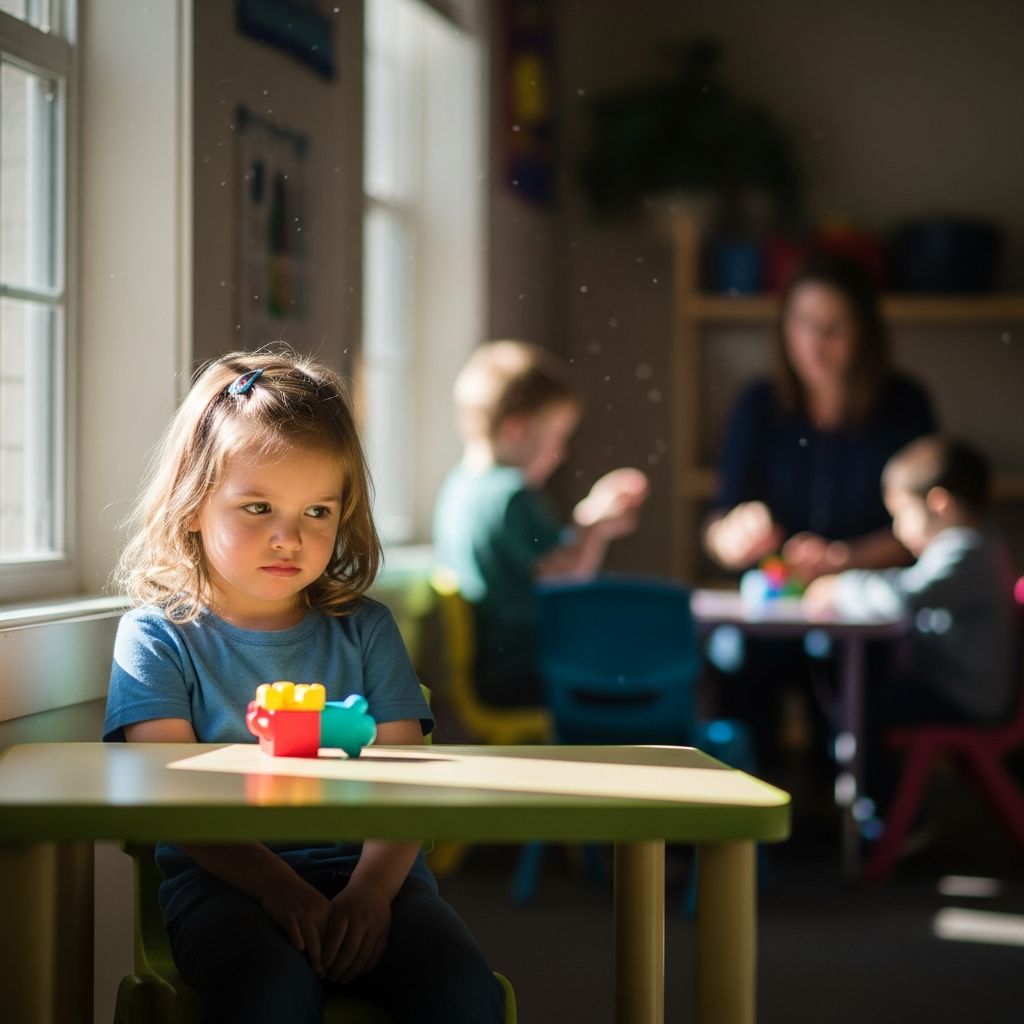
Every parent wants a child who believes in themselves, feels loved, and can bounce back from life’s challenges. Healthy self-esteem is not about thinking a child is perfect; it is about helping them understand that they are capable, worthy, and loved even when they make mistakes. This kind of confidence grows slowly through daily interactions, realistic expectations, and supportive guidance from caregivers.
Self-esteem is learned. Children form beliefs about who they are by watching how adults respond to their efforts, emotions, and mistakes. Parents and caregivers have a powerful role in shaping this inner voice. With intentional choices in how you talk, listen, and set limits, you can help your child build a strong, steady sense of self that will support them throughout life.
What Healthy Self-Esteem Really Looks Like
Healthy self-esteem is not loud bragging or constant winning. It shows up in quieter ways: a child willing to try something new, able to admit when they do not know something, and open to learning from mistakes. Children with a solid sense of self-worth do not need to be the best at everything to feel good about who they are.
Instead of chasing perfection, confident children:
- Recognize their strengths and accept their weaknesses.
- Can handle frustration without completely melting down every time.
- Are willing to practice and improve instead of giving up right away.
- Understand that challenges are part of learning, not proof that they are failures.
Self-esteem is also closely tied to a child’s relationships. When kids feel loved, accepted, and respected at home, they are more likely to feel secure in the world. This security makes it easier for them to take age-appropriate risks, form friendships, and cope with disappointment.
How Self-Esteem Develops Over Time
From infancy through the teen years, children are constantly asking, in their own way, “Am I safe? Am I loved? Am I capable?” The answers they receive in daily life slowly become part of how they see themselves. Self-esteem is therefore a process, not a single moment or milestone.
In early childhood, simple experiences—such as being comforted when upset or encouraged when trying something new—lay the foundation for feeling worthy and capable. As children grow, they face schoolwork, friendships, and new responsibilities. Each success and setback can either strengthen or weaken their sense of self, depending on the support and messages they receive.
| Age range | What children are asking themselves | Signs of growing self-esteem |
|---|---|---|
| Toddlers and preschoolers | “Can I do things on my own?” | Wants to try dressing, feeding, or helping with small tasks; shows pride in small achievements. |
| Early school age | “Am I good at what matters to others?” | Attempts schoolwork, games, and activities; handles losing or making mistakes with some support. |
| Preteens and teens | “Who am I, and do I matter?” | Develops opinions, interests, and values; seeks independence while still turning to trusted adults. |
Because self-esteem evolves, what helps a toddler feel confident will look different from what supports a teenager. The common thread is consistent love, realistic expectations, and chances to grow.
Creating a Home Where Kids Feel Valued
One of the most powerful ways to support self-esteem is to create a home environment where children feel seen and valued as they are, not just for what they achieve. This does not require elaborate routines; it often shows up in brief, repeated moments during everyday life.
Parents and caregivers can foster this kind of environment by:
- Offering warm affection through hugs, smiles, and kind words.
- Taking time to listen when a child talks about their day, even if the details seem small.
- Respecting a child’s feelings, whether they are proud, sad, frustrated, or excited.
- Making it clear that love is not a reward for good behavior or high performance; it is constant.
When a child knows that their worth is not on the line every time they bring home a report card or play in a game, they feel safer trying new things and handling disappointment.
Using Encouragement and Praise Wisely
Encouragement is a key tool for building self-esteem, but how praise is given matters. Over-the-top praise or praise that focuses only on outcomes can accidentally create pressure. Children may start to worry that they must always succeed to earn approval.
More helpful praise focuses on effort, strategies, and persistence. Rather than labelling a child as “the best,” it highlights what they did to grow or contribute. This teaches children that their actions and choices matter and that improvement is possible.
Examples of Helpful Encouragement
- Notice effort: “You kept trying even when that puzzle was tricky.”
- Recognize progress: “You read that page more smoothly than last week.”
- Highlight helpful behavior: “It was thoughtful of you to share with your friend.”
- Link praise to values: “You showed a lot of honesty by telling the truth.”
Balanced encouragement helps children learn that they do not have to be perfect to be worthy. It also supports a “growth mindset,” where challenges become opportunities to learn rather than proof of failure.
Letting Children Try, Struggle, and Succeed
Self-esteem grows when children have genuine opportunities to experience mastery. If adults do everything for them, kids may start to believe they are not capable. On the other hand, when children are asked to do things that are far beyond their abilities, frequent failure can chip away at their confidence.
The goal is to offer age-appropriate challenges and allow enough space for children to try, struggle, and eventually succeed with guidance. This means resisting the urge to step in too quickly every time they are frustrated.
- Give them small responsibilities, such as putting toys away or helping set the table.
- Break big tasks into manageable steps so they can experience success along the way.
- Stay nearby for support but avoid taking over as soon as a task becomes difficult.
- Celebrate effort and persistence, not just the final result.
When children earn success through their own actions, they build a deep belief in their own abilities. This belief is far more powerful than any compliment alone.
Responding to Mistakes and Disappointments
No child can avoid mistakes. How adults respond when things go wrong sends a powerful message about what those mistakes mean. Harsh criticism or shaming comments can lead children to believe that they themselves are bad, not just that they made a poor choice.
A healthier approach separates the child from the behavior. It treats missteps as chances to learn and grow. This teaches children that they remain loved even when they fall short, and that they have the power to choose differently next time.
Supportive Ways to Handle Mistakes
- Stay calm and describe what happened instead of attacking the child’s character.
- Ask, “What could you try differently next time?” to encourage problem-solving.
- Offer guidance and boundaries without withdrawing affection.
- Share age-appropriate examples of times you have made mistakes and learned from them.
Over time, this approach helps children see setbacks as temporary and manageable. They learn resilience—the ability to recover and try again—which is a core part of healthy self-esteem.
Setting Boundaries That Build Security
It can seem like unlimited freedom would make children feel powerful, but in reality, clear and consistent boundaries make kids feel safer. Rules communicate that adults are in charge and that the world has structure. This sense of order supports emotional security, which in turn supports self-esteem.
Effective boundaries are firm but respectful. They explain expectations in simple language and follow through with consistent consequences when needed. Children learn that their choices have effects, but they also learn that adults remain reliable and caring.
- Keep rules simple and age-appropriate.
- Explain why rules exist—for safety, respect, or fairness.
- Use consequences that are related to the behavior when possible.
- Combine structure with warmth, so children do not confuse discipline with rejection.
When children understand the boundaries and trust that adults will enforce them fairly, they are free to focus on learning, playing, and growing, rather than feeling overwhelmed by uncertainty.
Supporting Friendships and Social Confidence
Relationships with peers play a growing role in self-esteem as children get older. Feeling included, respected, and understood by friends can powerfully reinforce a child’s sense of worth. At the same time, conflicts and exclusion are normal parts of social development.
Parents cannot control every social interaction, but they can equip children with skills and support that make social situations easier to navigate. These skills help kids feel more confident in groups and better able to handle misunderstandings.
- Practice basic social skills at home, such as taking turns, listening, and saying kind words.
- Role-play how to join a game, respond to teasing, or invite someone to play.
- Encourage activities where your child can meet peers with similar interests.
- Listen when they talk about friendships, taking their feelings seriously.
When children know that home is a safe place to talk about social ups and downs, they feel less alone and more capable of working through challenges.
Helping Children Talk Kindly to Themselves
Over time, the way adults speak to children often becomes the way children speak to themselves internally. If they frequently hear harsh labels or constant criticism, they may develop a negative inner voice. If they hear respect, encouragement, and realistic feedback, their inner voice is more likely to be supportive.
Parents can help children notice and gently shift negative self-talk. This does not mean forcing a child to pretend everything is wonderful. It means teaching them to be fair and kind to themselves, even when they are struggling.
- When a child says, “I can’t do anything right,” help them find one thing they did well that day.
- Model balanced self-talk about your own efforts: “That was hard, but I learned something.”
- Encourage phrases that focus on learning, such as “I can keep practicing” or “Everyone needs time to improve.”
- Remind them that feeling frustrated does not mean they are a failure.
As children practice more balanced self-talk, they slowly build an internal source of support that travels with them wherever they go.
When to Seek Extra Support
All children have days when they feel discouraged or doubt themselves. But if a child consistently puts themselves down, avoids most challenges, or seems withdrawn and hopeless, it may be helpful to seek additional support. Ongoing low self-esteem can affect school, friendships, and mental health.
Parents can start by speaking with a pediatrician, school counselor, or mental health professional. Early support can help children learn new ways of thinking and coping before negative beliefs become deeply rooted. Seeking help is not a sign of failure; it is a strong step toward giving a child the tools they need to feel better.
Practical Everyday Ideas to Boost Self-Esteem
Small, consistent actions often make the biggest difference over time. Integrating confidence-building habits into ordinary routines helps self-esteem grow naturally rather than feeling like a forced lesson.
- Share daily “wins,” where each person mentions one thing they are proud of from the day.
- Let children make simple choices, such as picking an outfit or choosing between two snacks.
- Start a “helper of the day” routine with age-appropriate tasks that show trust in their abilities.
- Set aside regular one-on-one time, even just a few minutes, to focus only on that child.
- Display their artwork or projects somewhere visible to show their efforts matter.
These everyday practices communicate a powerful message: you are capable, you are valued, and you are an important part of this family.
Frequently Asked Questions About Kids’ Self-Esteem
1. Can a child have “too much” self-esteem?
What often looks like “too much” self-esteem is usually not genuine confidence but rather bragging, entitlement, or a need to appear superior to others. Healthy self-esteem includes humility, empathy, and the ability to admit mistakes. A child who truly feels secure does not need to put others down to feel good about themselves.
2. How is self-esteem different from being spoiled?
Self-esteem comes from feeling loved, capable, and responsible. Being spoiled tends to come from getting everything a child wants with few limits or responsibilities. Confident children are usually more willing to help, respect boundaries, and handle “no” because their sense of worth does not depend on always getting their way.
3. Should I correct my child’s work, or will that hurt their self-esteem?
Thoughtful correction can actually strengthen self-esteem because it supports growth. The key is to be respectful and specific, focusing on how they can improve rather than criticizing who they are. When children see feedback as a tool for learning, they understand that needing help does not mean they are not smart or capable.
4. What if my child compares themselves to siblings or friends?
Comparison is common, especially as children notice differences in abilities or achievements. Parents can respond by emphasizing that every person has unique strengths and by avoiding ranking siblings. Encouraging each child’s individual interests and progress helps them focus less on competition and more on their own growth.
5. How long does it take to improve a child’s self-esteem?
There is no fixed timeline, because self-esteem forms over many experiences. However, consistent changes in how adults respond—more encouragement, respectful boundaries, and chances to succeed—often lead to visible shifts over time. Patience is important; what matters most is staying steady and supportive, even when progress feels slow.
Key Takeaways for Parents and Caregivers
Raising a confident child is not about preventing every problem or making life perfectly easy. It is about walking alongside children as they face challenges, sending the message that they are never alone and that mistakes are part of learning. With warmth, structure, and belief in their abilities, parents and caregivers help children develop self-esteem that is rooted, realistic, and resilient.
Over time, these efforts shape an inner voice that tells children, “I am capable. I can learn. I matter.” That message is one of the greatest gifts any caregiver can offer.