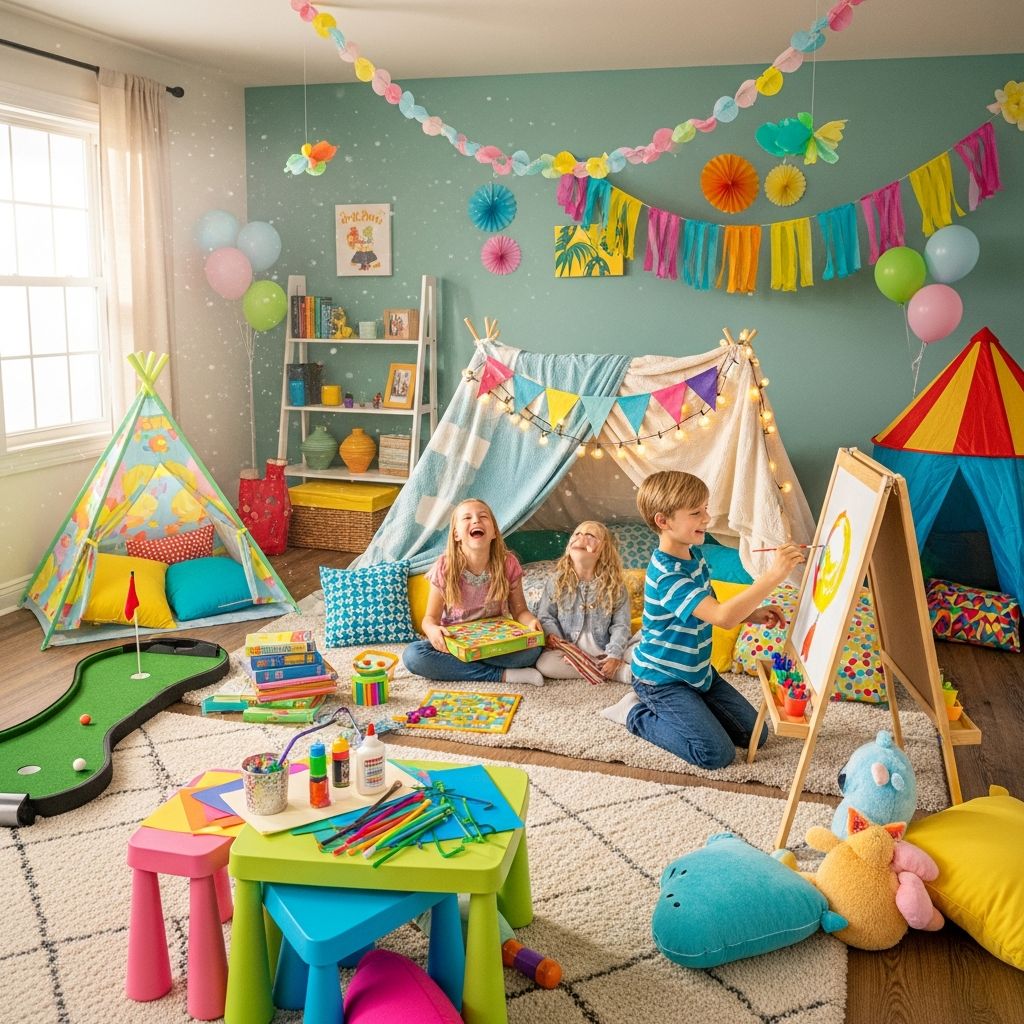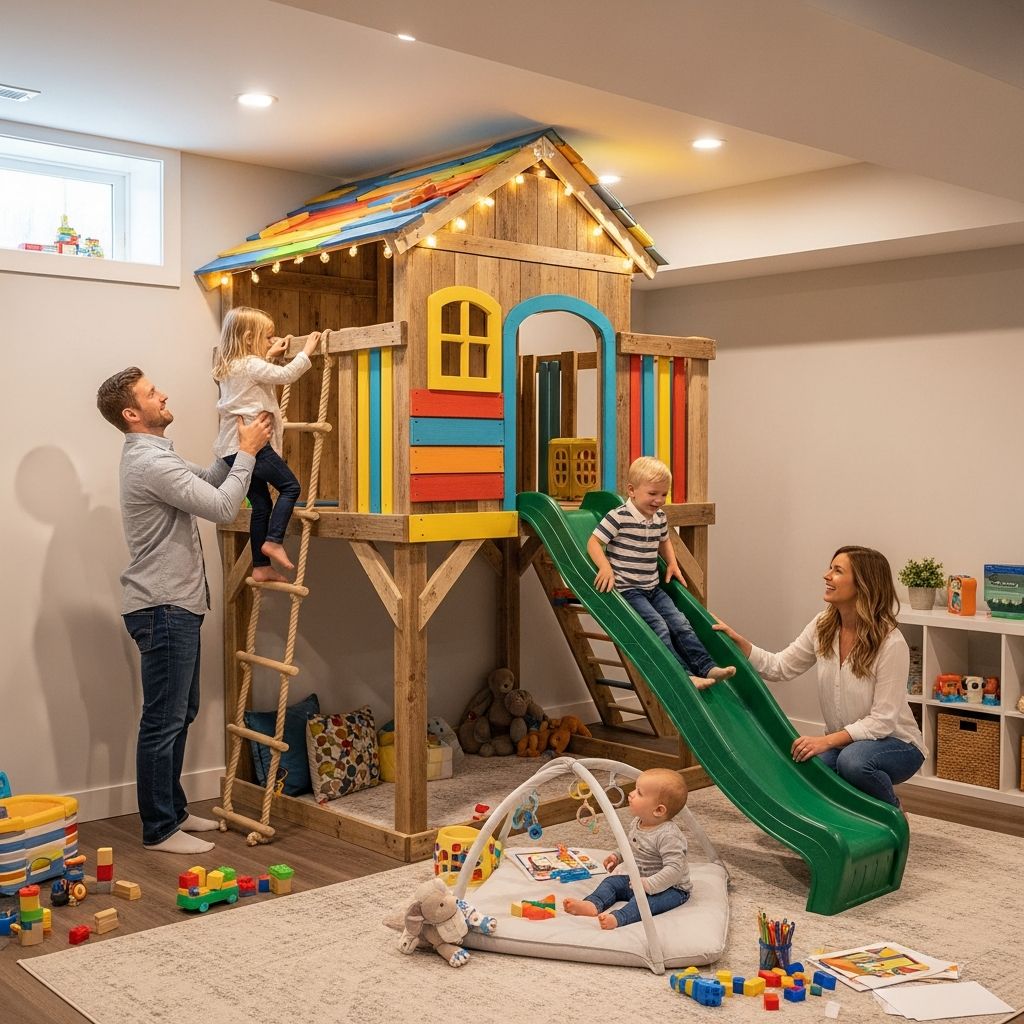
Transforming a basement into a playhouse is more than just a renovation project—it’s a journey of creativity, imagination, and family bonding. For one family, their basement playhouse became a magical world where their children could play, create, and grow in a safe and inspiring environment. This article explores the process, benefits, and tips for building your own epic basement playhouse, inspired by real-life experiences and expert advice.
Why Build a Basement Playhouse?
- Provides a safe, dedicated space for children to play and explore.
- Encourages creativity, imagination, and independent play.
- Reduces clutter and keeps toys organized in one area.
- Creates a fun, memorable experience for the whole family.
Designing Your Playhouse
Designing a basement playhouse starts with understanding your family’s needs and the available space. Consider the following elements:
- Theme: Choose a theme that excites your kids—pirates, princesses, superheroes, or a cozy cabin.
- Layout: Plan zones for different activities—reading, building, pretend play, and relaxation.
- Materials: Use safe, durable, and easy-to-clean materials for furniture and flooring.
- Lighting: Incorporate natural and artificial lighting to create a warm, inviting atmosphere.
- Storage: Include plenty of storage solutions to keep toys and supplies organized.
Key Features of an Epic Playhouse
| Feature | Benefit |
|---|---|
| Themed Decor | Enhances imagination and makes the space unique . |
| Interactive Elements | Encourages hands-on play and creativity . |
| Safe Flooring | Protects kids during active play . |
| Reading Nook | Promotes literacy and quiet time . |
| Storage Solutions | Keeps the playhouse tidy and organized . |
Step-by-Step Guide to Building Your Playhouse
- Assess the Space: Measure your basement and identify any obstacles or limitations.
- Choose a Theme: Involve your kids in selecting a theme they love.
- Plan the Layout: Sketch a rough layout with zones for different activities.
- Shop for Materials: Purchase safe, durable, and easy-to-clean materials.
- Decorate and Organize: Add themed decor, furniture, and storage solutions.
- Test and Adjust: Let your kids try out the space and make adjustments as needed.
Benefits for Kids and Parents
- Children develop creativity, problem-solving skills, and independence.
- Parents enjoy a tidy, organized home with less clutter.
- Family bonding increases as everyone participates in the playhouse’s creation and use.
- Safe play areas reduce the risk of accidents and injuries .
Common Challenges and Solutions
- Space Limitations: Use multi-functional furniture and vertical storage.
- Budget Constraints: Repurpose items, shop secondhand, and DIY decor.
- Safety Concerns: Install childproof locks, use non-toxic materials, and supervise play.
- Organization: Establish routines for cleaning and tidying up.
FAQs
What is the best flooring for a basement playhouse?
Interlocking foam tiles or rubber mats are ideal because they are soft, easy to clean, and provide cushioning for active play .
How can I make the playhouse safe for young children?
Use non-toxic materials, secure furniture to walls, cover electrical outlets, and supervise playtime. Install childproof locks on doors and cabinets .
What are some creative playhouse themes?
Popular themes include pirate ships, castles, treehouses, space stations, and cozy cabins. Involve your kids in choosing a theme they love .
How do I keep the playhouse organized?
Use labeled bins, shelves, and baskets for storage. Establish a routine for cleaning up after playtime .
Can a basement playhouse be used for other activities?
Yes, a basement playhouse can double as a homework area, movie room, or guest space by adding versatile furniture and storage solutions .
Conclusion
Building a basement playhouse is a rewarding project that brings joy, creativity, and organization to your home. By following these tips and drawing inspiration from real families, you can create a magical space where your children can play, imagine, and grow. Whether you’re starting from scratch or upgrading an existing playroom, the possibilities are endless.