Creating an Efficient Diaper Stockpile: A Comprehensive Parent’s Guide
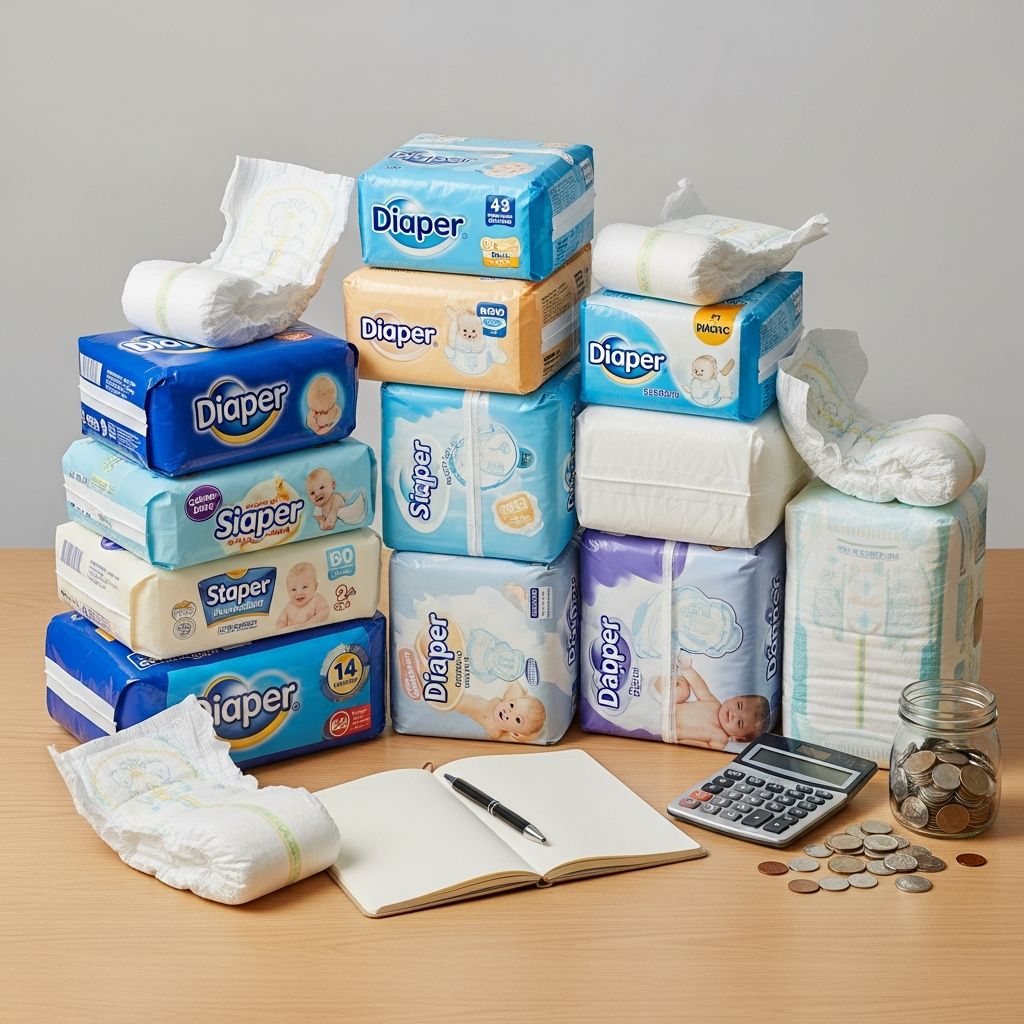
Preparing for a new baby involves numerous expenses, and diapers represent one of the most significant ongoing costs for families with infants. Rather than purchasing diapers reactively when supplies run low, many experienced parents adopt a strategic approach to building a diaper stockpile. This forward-thinking method allows families to take advantage of sales, discounts, and promotional offers, ultimately reducing the overall financial burden of this essential baby care item. Understanding how to construct and maintain an effective diaper stockpile transforms an overwhelming expense into a manageable part of the household budget.
Understanding Your Baby’s Diaper Consumption Patterns
Before implementing any stockpiling strategy, it is essential to understand how many diapers your baby will require across different growth stages. Newborns and infants have distinct needs based on their age and weight, and consumption rates vary significantly from one stage to the next. By recognizing these patterns, parents can make informed purchasing decisions that align with their baby’s developmental timeline.
During the newborn stage, babies require approximately 8 to 12 diaper changes daily. As they grow into the first few months of life, the frequency may decrease slightly, but remains substantial. The transition between diaper sizes represents a critical planning point—babies typically progress through multiple sizes before becoming fully potty-trained. Understanding which sizes your baby will spend the most time in allows you to prioritize your purchasing efforts and avoid excessive accumulation of sizes they will outgrow quickly.
Parents should anticipate their baby will wear newborn diapers for approximately the first month, after which they progress through sizes 1 through 4 or 5, depending on the brand and the baby’s growth rate. Size 2 and 3 represent the longest-wearing stages, with babies remaining in these sizes for extended periods. This knowledge directly influences which sizes warrant the largest portions of your stockpile.
Determining the Ideal Stockpile Size for Your Household
The question of how many diapers to stockpile depends on several interconnected factors, including your storage capacity, family budget, and shopping frequency. A practical starting point is maintaining between 200 to 300 diapers in each actively used size. This quantity provides sufficient cushion to avoid running out unexpectedly while remaining manageable in terms of storage and rotation.
For families with limited storage space, a more conservative approach involving 100 to 150 diapers per size may be appropriate. Conversely, families with ample storage and the ability to capitalize on bulk discounts might maintain 400 to 500 diapers across their preferred sizes. The key is finding an equilibrium that prevents both shortages and excessive accumulation that could result in diapers aging beyond their optimal condition.
Additionally, consider your family’s specific circumstances when determining stockpile size. Families with twins or closely spaced children will consume diapers more rapidly and should maintain larger reserves. Single-child households may require less aggressive stockpiling. Your lifestyle and frequency of shopping expeditions also influence appropriate quantities—families who shop less frequently benefit from maintaining larger reserves, while those who shop weekly can operate with smaller quantities.
The Timing Advantage: When to Begin Stockpiling
Strategic timing significantly enhances the effectiveness of your diaper stockpiling efforts. Most financial advisors recommend beginning your stockpile during the second trimester of pregnancy, providing approximately four months to accumulate supplies before delivery. This extended timeframe allows you to distribute purchases across multiple sales cycles without creating financial strain or requiring excessive storage space in brief periods.
Starting your stockpile early also provides a substantial buffer against uncertainty. No parent knows exactly which brands their baby will prefer or tolerate without experiencing diaper rashes or leaks. By accumulating small quantities of various brands during the pregnancy months, you can test different options without committing excessive funds to products that might not work for your baby. Once you determine your baby’s preferred brand and fit, you can intensify purchasing efforts for those specific products when sales occur.
Pregnant parents who begin stockpiling in the second trimester benefit from approximately six months of shopping opportunities before their baby’s arrival, allowing natural spacing of purchases that prevents budget strain and storage challenges.
Mastering Deal Detection and Price Tracking Strategies
Successful stockpiling requires developing skill in identifying genuine bargains versus ordinary sales. Parents who invest time in learning deal structures and price patterns can reduce diaper costs by 30 percent or more compared to casual shoppers. The foundation of this skill involves establishing a target price per diaper and committing to purchase only when deals meet or exceed that threshold.
Determining your target price requires understanding local market conditions. Parents should monitor store advertisements for several weeks to establish what constitutes a good deal in their geographic area. Generally, prices ranging from $0.10 to $0.15 per diaper represent competitive deals worth pursuing, while prices below $0.10 per diaper signal exceptional opportunities. Once you establish your baseline, you gain clarity about when purchasing is strategically sound.
Coupon integration dramatically amplifies savings potential. Major diaper brands including Pampers and Huggies regularly issue $2-off coupons through various channels including printed newspapers, digital coupon apps, and manufacturer websites. Combining these coupons with store sales creates cumulative discounts that can reduce per-diaper costs to remarkable levels. Parents should develop a habit of gathering coupons in advance rather than waiting until sales appear, as coupon availability often precedes corresponding sales by one to two weeks.
Digital coupon apps and browser tools have simplified the coupon process considerably. Platforms like Coupons.com and GroceryIQ allow parents to load digital coupons directly to store loyalty cards, eliminating paper management while providing identical discounts. These apps typically allow printing or loading two identical coupons per device, which reset monthly, providing ongoing opportunities to accumulate the same promotional offers.
Leveraging Multiple Retailers for Maximum Savings
Restricting purchases to a single retailer significantly limits savings opportunities. Successful stockpilers develop relationships with multiple stores, understanding each retailer’s promotional calendars and loyalty programs. Major retailers operate distinct sale cycles, meaning a brand unavailable at a competitive price at one store might feature prominently in another store’s weekly advertisements.
Many communities feature several diaper retailers including conventional supermarkets, big-box stores, pharmacies, and online platforms. Each operates unique loyalty programs and promotional structures. Drug stores including Walgreens, CVS, and Rite Aid often feature particularly aggressive diaper promotions combined with store rewards programs that return percentage-based cash or credit to customer accounts. When parents combine a manufacturer coupon with a store promotion and activate the loyalty reward program simultaneously, resulting prices can be substantially lower than standard retail pricing.
Parents dedicated to stockpiling should allocate time weekly to comparing store advertisements and matching available coupons to upcoming sales. Many coupon-focused blogs and websites provide diaper deal recaps analyzing current offers across major retailers, significantly simplifying the comparison process. This strategic approach transforms diaper purchasing from a routine necessity into an optimized financial activity.
Subscription Services and Bulk Purchasing Advantages
Beyond traditional retail deals, subscription services and bulk purchasing programs offer alternative avenues to reduce diaper expenses. Many online retailers including Amazon provide subscription options that deliver diapers at regular intervals with built-in discounts ranging from 10 to 20 percent below standard pricing. These services guarantee consistent supply without requiring parents to hunt actively for deals.
Subscription models work particularly well for families with predictable diaper consumption and clear brand preferences. However, parents should verify that subscription prices truly represent savings compared to best available deals from other retailers. Occasionally, aggressive store promotions combined with coupons produce prices lower than subscription rates, making flexibility important even for subscription users.
Bulk purchasing through warehouse clubs can also provide meaningful savings, particularly for families with significant storage capacity. However, warehouse club membership fees require sufficient purchasing to justify the expense, and bulk quantities sometimes discourage careful price tracking, potentially resulting in paying premium prices when lower-cost alternatives exist.
Storage Solutions and Space Optimization Techniques
Accumulating several hundred diapers requires thoughtful storage planning to maintain organization and accessibility. Families living in compact spaces face particular challenges, but creative storage solutions can accommodate substantial supplies within limited square footage.
Vertical space utilization represents the most efficient storage approach. Wall-mounted shelving units, over-the-door organizers, and hanging storage systems maximize available space while keeping supplies visible and accessible. These solutions work particularly well in nurseries, bathrooms, or hallway areas where diaper changing frequently occurs. By storing supplies where they are used, parents eliminate the inconvenience of retrieving supplies from distant storage locations.
Rolling carts with multiple tiers provide flexible storage options that allow repositioning supplies as changing station locations shift throughout the home. Clear plastic bins or labeled baskets organize diapers by size and brand, enabling quick identification and access. Many parents find that organizing supplies by size, with separate containers for each diaper size, facilitates easy inventory management and prevents confusion during rapid diaper changes.
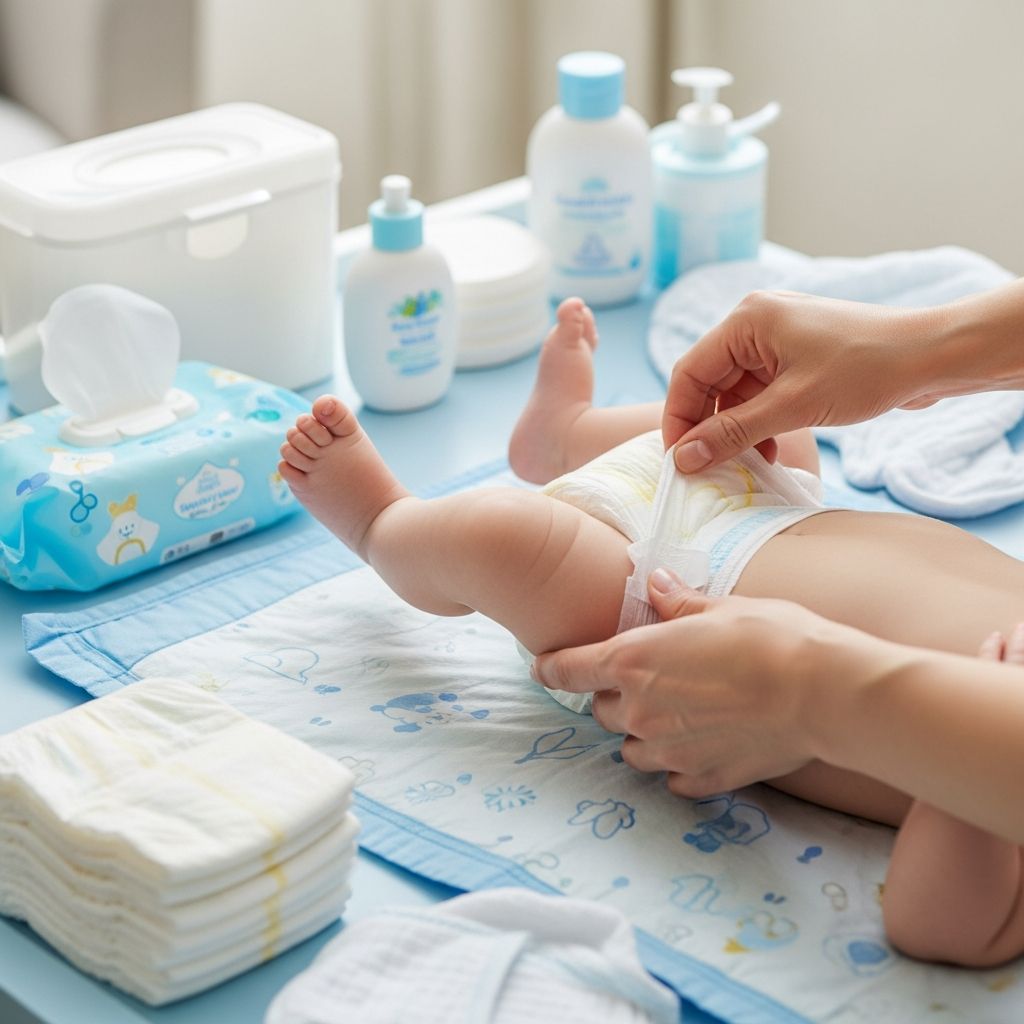
Including complementary supplies within the same storage area enhances efficiency. Positioning wipes, diaper cream, and other essentials adjacent to diapers consolidates your changing supplies and reduces fumbling during changes. This organization creates a functional changing station wherever supplies are stored.
Implementing Effective Inventory Rotation Systems
Accumulating supplies requires ongoing attention to inventory management. The first-in-first-out rotation system prevents diapers from aging excessively, which can compromise absorbency and material integrity. As new purchases arrive, older supplies should move to the front of accessible areas, ensuring consistent use of older inventory before opening newer packages.
Maintaining a simple inventory log supports rotation efforts and prevents over-accumulation of sizes your baby no longer needs. Recording the quantities of each size on hand, when they were purchased, and consumption rates enables data-driven adjustments to future purchasing. This log becomes particularly valuable when tracking multiple diaper sizes simultaneously and monitoring transitions between sizes as your baby grows.
Regular assessments prevent excessive stockpiling of sizes your baby has outgrown. As babies transition to larger sizes, consumption of previous sizes drops dramatically. Recognizing these shifts prevents wasting storage space on sizes you will not use. Many retailers maintain flexible return policies, particularly when receipt documentation is preserved, allowing exchanges of unused diapers if you inadvertently over-purchased a specific size.
Brand Flexibility and Product Testing Considerations
Not all babies respond identically to specific diaper brands and styles. Some babies experience rashes from certain materials or designs, while others thrive with products others find problematic. Testing various brands before committing exclusively to large quantities prevents investing substantially in a product your baby will reject.
During your pregnancy stockpiling period, test small quantities of multiple brands. Observe your baby’s skin response, noting any rashes, irritation, or discomfort. Pay attention to fit characteristics including whether the diaper rides up, sags, or creates gaps that allow leaking. Once your baby is born and you experience actual usage, preferences often become apparent within several days or weeks.
Preserving receipts for all diaper purchases enables exchanges if testing reveals your baby’s preference for a different brand. Major retailers including Walmart and Target maintain generous return policies for unused products, particularly when original packaging remains intact and receipt documentation is available. Tape receipts directly to the boxes to simplify exchange processes if needed.
Comparing Value Beyond Price Per Unit
While per-unit pricing represents an important metric, other value factors deserve consideration when selecting among similarly-priced options. Different brands package varying quantities in equivalent boxes, meaning two products at identical prices might contain different diaper counts. Always examine the actual number of diapers in each package, choosing the option providing greater quantity.
Quality characteristics including absorbency, leak protection, and material composition vary among brands. Products priced identically might offer different performance levels. Parents should weigh performance benefits alongside pure cost considerations, recognizing that a slightly more expensive brand that prevents diaper rashes might ultimately save money by avoiding dermatological expenses and discomfort.
Seasonal Promotions and Strategic Purchasing Windows
Diaper pricing follows somewhat predictable seasonal patterns. Back-to-school promotions, holiday sales, and post-holiday clearance events frequently feature aggressive diaper discounts as retailers stock supplies for the surge in new births and expanded families. Building your stockpile around these promotional windows maximizes savings potential.
Planning significant purchases around predictable sale events allows concentration of stockpiling efforts during optimal pricing periods. Many parents time larger purchases for holiday weekends or back-to-school weeks when retailers feature the most substantial discounts. Pairing strategic timing with coupon and loyalty program benefits compounds savings substantially.
Addressing Storage Space Constraints and Conservative Approaches
Not all families possess spacious homes accommodating several hundred diapers. Apartment dwellers, families in compact homes, or those sharing storage with other needs must adopt more conservative stockpiling approaches. Rather than accumulating 300 diapers per size, conservative families might maintain 50 to 100 diapers per size, replenishing more frequently when sales occur rather than maintaining massive reserves.
Conservative stockpiling remains effective for reducing expenses while respecting spatial constraints. The principle remains identical—purchasing only during sales and leveraging coupons—but the quantity thresholds adjust downward. Even smaller stockpiles provide substantial savings compared to purchasing diapers at full retail prices whenever supplies run out.
Frequently Asked Questions
When should I start building my diaper stockpile?
Most experts recommend beginning during the second trimester of pregnancy, providing four to six months to accumulate supplies before delivery. This timeline allows distribution across multiple sales cycles without financial strain or storage urgency.
How many diapers should I stockpile for each size?
A practical target is 200 to 300 diapers per actively used size, though conservative estimates of 100 to 150 work for smaller spaces. Focus heavier stockpiling on sizes 2 and 3, where babies spend the most time.
What price per diaper should I target for purchases?
Establish your baseline by monitoring local advertisements. Generally, $0.10 to $0.15 per diaper represents a good deal, while anything below $0.10 per diaper signals an exceptional opportunity worth prioritizing.
How can I maximize savings on diaper purchases?
Combine manufacturer coupons with store sales and loyalty program rewards. Monitor multiple retailers’ weekly advertisements, track deal patterns, and concentrate larger purchases during seasonal promotional windows.
Should I stick with one brand or test multiple options?
Test small quantities of multiple brands during pregnancy to determine your baby’s preferences before committing large quantities to a specific product. Once you identify the preferred brand, intensify purchases when that brand is on sale.
How should I organize my diaper stockpile in limited space?
Utilize vertical space with wall shelves, over-the-door organizers, or rolling carts. Organize diapers by size in clear, labeled bins. Position wipes and diaper cream nearby to create functional changing stations.
How do I prevent diapers from aging or losing effectiveness?
Implement a first-in-first-out rotation system, placing newer packages behind older ones. Maintain an inventory log tracking quantities and consumption rates. Regularly assess your stockpile to prevent excessive accumulation of sizes your baby has outgrown.
References
- Build the Ultimate Diapers Stockpile for Your Baby’s Needs — BeSuper Hygiene. 2024. https://www.besuperhygiene.com/blog/build-ultimate-diapers-stockpile-baby-needs/
- Building a Diaper Stockpile: New Baby Prep — Her Life Sparkles. 2024. https://herlifesparkles.com/building-a-diaper-stockpile/
- How To Create A Diaper Stockpile And Actually Save Money — Tula Mama. 2024. https://tulamama.com/diaper-stockpile/
- The Essential Guide to Building a Diaper Stockpile — Thrifty Frugal Mom. 2024. https://www.thriftyfrugalmom.com/save-money-build-diaper-stockpile-includes-approximate-diaper-usage-1st-year/
- Diaper Stock Pile: The Ultimate Guide for Baby’s First Year — Simply Every. 2017. https://www.simplyevery.com/2017/11/diaper-stock-pile-ultimate-guide-babys-first-year/