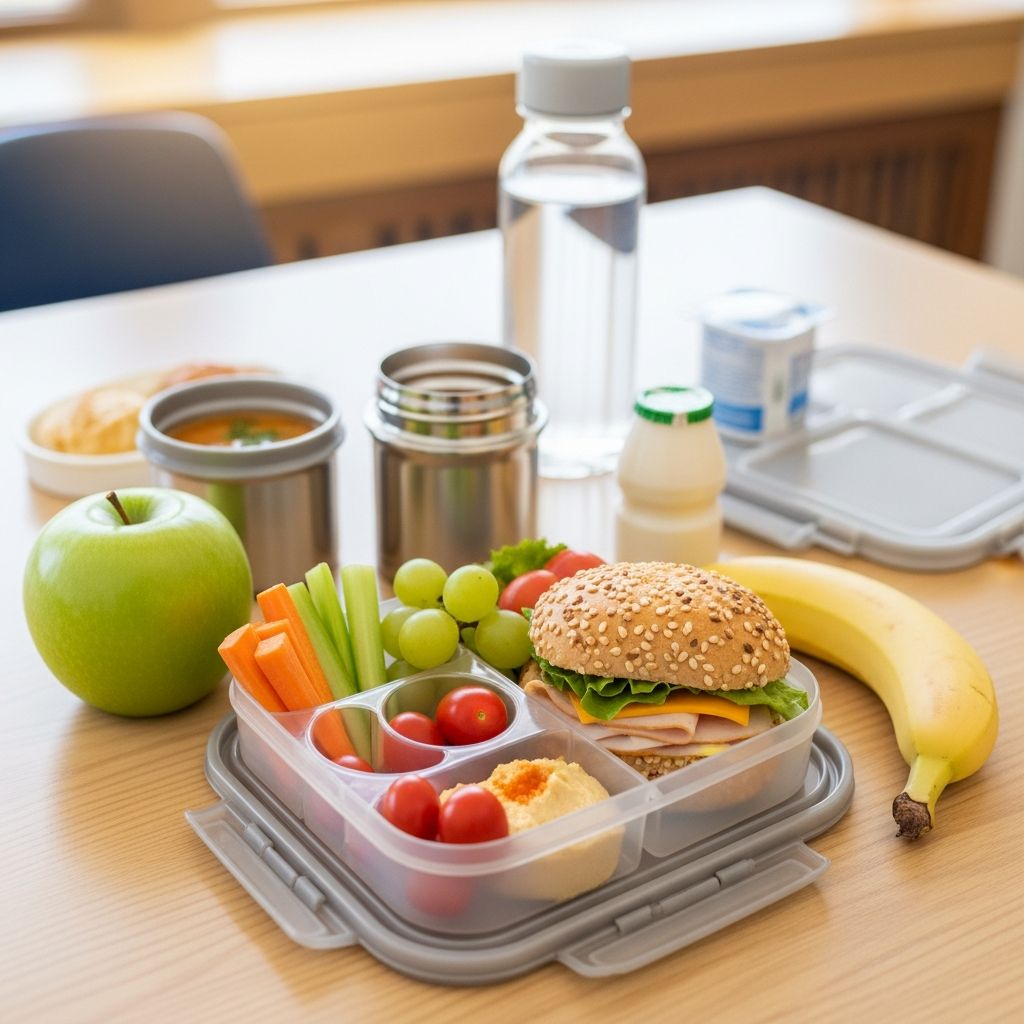
Understanding the Components of a Well-Balanced Midday Meal
The meals children consume during the school day play a crucial role in their academic performance, energy levels, and long-term health outcomes. A properly constructed school lunch should incorporate multiple food groups that work together to provide sustained energy and essential nutrients. The foundation of any nutritious midday meal rests on a simple principle: variety and balance across food categories.
A complete school lunch typically consists of three main components working in harmony. The first component includes vegetables and fruits, which should occupy a significant portion of the plate and provide essential vitamins, minerals, and fiber. The second component focuses on protein sources, which support muscle development and tissue repair. The third component comprises whole grain foods, which deliver sustained energy through complex carbohydrates and additional fiber.
Beyond these three pillars, incorporating a source of dairy or calcium-rich alternatives rounds out the nutritional profile. This multi-component approach ensures that children receive a spectrum of nutrients necessary for growth, brain function, and physical development.
Age-Appropriate Portion Sizes and Caloric Needs
Understanding how much food children should consume at lunch requires consideration of their age, activity level, and individual growth patterns. Portion sizes are not one-size-fits-all, and appropriate amounts vary significantly across different developmental stages.
For younger elementary-age children, meals should be proportionally smaller but nutrient-dense. A typical lunch for a child in this age group might include approximately half a sandwich or equivalent grain serving, a modest portion of protein, a generous serving of vegetables or fruit, and a dairy component. As children progress through middle school, portion sizes increase substantially to match their growing energy demands and body size. Teenagers, particularly boys engaged in physical activities, may require significantly larger portions to maintain proper nutrition and support athletic performance.
Daily Nutritional Guidelines by Age Group
The following recommendations provide a framework for understanding baseline nutritional needs:
- Ages 5 to 8: Girls require 1,200 to 1,800 calories daily, while boys need 1,200 to 2,000 calories. Vegetable intake should range from 1.5 to 2.5 cups, with fruit consumption between 1 to 2 cups.
- Ages 9 to 13: Girls need 1,400 to 2,200 calories daily, boys require 1,600 to 2,600 calories. Vegetable recommendations increase to 1.5 to 3.5 cups, with fruit intake between 1.5 to 2.5 cups.
- Ages 14 to 18: Older teens require 1,800 to 2,400 calories (girls) or 2,000 to 3,200 calories (boys). Vegetable intake should reach 2.5 to 4 cups, with fruit consumption between 1.5 to 2.5 cups.
Constructing the Foundation: Vegetables and Fruits
Vegetables and fruits represent the nutritional cornerstone of a healthy school lunch. These foods provide critical vitamins, minerals, antioxidants, and fiber while being naturally low in calories. The visual strategy of “filling half your plate” with vegetables and fruits creates an intuitive guideline that ensures adequate consumption of these protective nutrients.
Variety in vegetable and fruit selection is important because different colored produce contains different beneficial compounds. Dark leafy greens provide iron and calcium, orange vegetables offer beta-carotene, and berries contain powerful antioxidants. Incorporating multiple varieties throughout the week ensures comprehensive nutritional coverage.
Fresh, frozen, and canned options all offer nutritional value. When selecting frozen vegetables and fruits, minimal processing preserves nutrient content effectively. For canned options, choosing varieties with no added sugar or salt maximizes nutritional quality. A well-constructed lunch typically includes at least one substantial vegetable or fruit serving, with generous portions encouraged.
Protein Foods: Supporting Growth and Development
Protein serves essential functions in childhood development, supporting muscle growth, enzyme production, and immune function. Quality protein sources in school lunches should be varied and lean whenever possible.
Recommended protein options include fish, which provides omega-3 fatty acids beneficial for brain development; poultry, which offers lean protein with minimal fat; legumes such as beans and lentils, which combine protein with fiber; eggs, which provide complete protein and important nutrients like choline; and nuts and seeds, which offer both protein and healthy fats. Processed meat products like lunch meats, which often contain high sodium and additives, should be limited in school lunch rotations.
Portion sizes for protein vary by age. A typical school lunch serving might range from two to three ounces for younger children up to four to five ounces for adolescents. This moderate approach prevents excessive saturated fat intake while ensuring adequate protein delivery.
Whole Grain Selection and Its Importance
Whole grain products form the third essential component of balanced school lunches. Unlike refined grains, which have had nutrient-rich bran and germ removed, whole grains retain their complete nutritional profile, offering sustained energy release and supporting digestive health.
Excellent whole grain choices for school lunches include whole wheat bread for sandwiches, brown or wild rice as a side component, oatmeal or high-fiber cereals if incorporating breakfast elements, whole wheat pasta, and whole grain crackers. These options provide fiber, B vitamins, and minerals that support cognitive function and sustained energy throughout the afternoon academic schedule.
The goal of incorporating whole grains at least fifty percent of the time in grain selections ensures adequate micronutrient and fiber intake. A typical lunch might include one slice of whole wheat bread or a half-cup serving of brown rice as the grain component.
Dairy and Calcium-Rich Alternatives
Calcium supports bone development during childhood and adolescence, making this mineral particularly critical during school years. Whether incorporating dairy products or plant-based alternatives, ensuring adequate calcium intake protects long-term skeletal health.
Milk options with two percent milk fat or lower provide calcium and vitamin D while limiting saturated fat intake. Yogurt offers both calcium and beneficial probiotics, supporting digestive health. Hard cheeses with lower milk fat percentages provide concentrated calcium in modest portions. Plant-based alternatives such as fortified soy, rice, or oat beverages can serve as effective replacements for students with dairy sensitivities or allergies.
A standard serving might include one cup of milk, three-quarters cup of yogurt, or approximately one and one-half ounces of hard cheese. These portions deliver substantial calcium while maintaining appropriate caloric balance within the overall meal.
Hydration and Beverage Choices
Water represents the ideal beverage choice for school lunches and throughout the school day. Tap water, available in schools and home-packed lunches, supports hydration without adding calories, sugar, or sodium. Encouraging children to drink water during meals and throughout the day supports cognitive function and physical performance.
While one hundred percent fruit juice can occasionally be included, it should be limited to one serving per day due to its concentrated natural sugar content and lack of fiber. Flavored milk should be selected carefully, choosing options with less than or equal to eleven grams of sugar per one hundred gram serving. Beverages with added sugars or artificial sweeteners should be minimized, as they provide little nutritional value and may contribute to dental problems and energy fluctuations.
Foods and Preparation Methods to Prioritize
Certain preparation methods and food choices should form the foundation of school lunch planning. Vegetables and fruits prepared with minimal added fat, sugar, or salt maintain their nutritional integrity. Grilled, baked, steamed, or boiled preparations preserve nutrient content better than deep frying.
Foods to emphasize include fresh produce in various forms, whole grain breads and cereals, lean protein sources, low-fat dairy products, legumes and plant-based proteins, and unsalted nuts and seeds. Meal preparation methods that maintain food safety while preserving nutritional quality should be prioritized, whether packed from home or served through school nutrition programs.
Items to Limit in School Lunch Selections
Certain foods and preparation styles should appear less frequently or be avoided entirely in school lunch contexts. Deep-fried foods, including fried chicken, fish, and breaded options, deliver excessive calories and unhealthy fats. Processed lunch meats, including bologna, salami, and pepperoni, contain high sodium levels and preservatives that offer minimal nutritional benefit.
Packaged and instant noodles typically contain excessive sodium and minimal vegetables, fruits, or whole grains. Granola bars with marshmallows or chocolate coatings provide more sugar than nutrition. Sugary breakfast cereals and granola bars should be replaced with high-fiber options that provide sustained energy.
Highly processed, pre-packaged meals designed for convenience often exceed recommended sodium limits and contain artificial additives. Instead, emphasizing whole foods prepared at home or through institutional food services ensures quality control over ingredients and preparation methods.
Planning and Preparation Strategies
Successful school lunch provision requires intentional planning that balances nutrition, food safety, cultural preferences, and practical considerations. Meal planning should rotate through various protein sources, incorporate seasonal vegetables and fruits, and accommodate common allergies and dietary restrictions.
Involving children in lunch planning and preparation increases their investment in healthy eating choices. When children help select or prepare foods, they develop greater willingness to consume those items and learn valuable nutrition knowledge applicable throughout their lives.
Food safety remains paramount in school lunch preparation. Proper storage temperatures, appropriate handling procedures, and timely consumption prevent foodborne illness. Cold items should maintain temperatures below forty degrees Fahrenheit, while hot items should stay above one hundred forty degrees Fahrenheit until consumption.
Supporting Healthy Eating Habits at School
Creating an environment that supports healthy eating extends beyond the nutritional composition of meals. Adequate time for eating allows children to consume meals without rushing, supporting both digestion and social connection. Removing distractions during mealtimes helps children recognize satiety cues and eat mindfully.
Positive role modeling from parents, teachers, and food service staff influences children’s food choices and attitudes toward nutrition. Adults who demonstrate enjoyment of nutritious foods, express gratitude for meals, and avoid critical comments about food choices encourage similar attitudes in children.
School nutrition programs that involve children in menu planning, gardening projects that produce school lunch ingredients, and nutrition education integrated across the curriculum reinforce healthy eating messages through multiple channels.
Frequently Asked Questions About School Lunches
What should I include in a balanced school lunch?
A balanced school lunch should include vegetables and fruits (occupying approximately half the plate), a protein source (about one-quarter of the plate), whole grain foods, and a dairy or calcium-rich alternative. This combination provides essential nutrients and sustained energy throughout the afternoon.
How can I encourage my child to eat healthier school lunches?
Involve your child in meal planning and preparation, pack visually appealing meals with colorful vegetables and fruits, include familiar favorite foods alongside new options, avoid using unhealthy foods as rewards, and model healthy eating habits yourself. When children participate in food decisions, they become more likely to consume those meals.
Are there alternatives for children with food allergies?
Yes, numerous substitutions exist for common allergens. Dairy-free children can consume fortified soy, rice, or oat beverages. Peanut-allergic children can enjoy other nuts or seeds (if permitted), sunflower seed butter, or legume-based proteins. Wheat-allergic children have access to alternative whole grains like quinoa or brown rice. Communication with school nutrition staff ensures safe, appropriate accommodations.
How much water should children drink during school?
Children should drink water regularly throughout the day. During meals and snack times, offering water as the primary beverage supports hydration. Individual water needs vary based on activity level, climate, and age, but ensuring access to water throughout the school day supports cognitive function and physical performance.
Can frozen and canned vegetables provide equal nutrition to fresh options?
Frozen vegetables and fruits, when processed immediately after harvest, retain nutrient content comparable to fresh options. Canned options also provide nutritional value, though selections with minimal added sodium and sugar should be prioritized. All three forms offer valid, convenient options for increasing vegetable and fruit consumption.
What are appropriate snack options for between meals?
Nutritious snacks might include fresh fruit with yogurt, whole grain crackers with cheese, vegetables with hummus, nuts or seeds, or a glass of milk. Snacks should be smaller in portion than meals but equally nutritious, combining protein, whole grains, and fruits or vegetables to sustain energy between meals.
Building Lifelong Healthy Eating Patterns
School lunches represent more than simple fuel for the body; they serve as educational opportunities where children learn about nutrition, food culture, and balanced eating. The habits formed during these formative years often persist into adulthood, making school lunch quality an investment in lifelong health.
When schools and families collaborate to provide nutritious, appealing midday meals, they send powerful messages about the importance of health and nutrition. Children who consistently consume balanced school lunches develop stronger academic performance, better concentration, improved mood regulation, and healthier growth trajectories.
References
- Healthy Eating Guidelines for School Nutrition Programs — Cancer Care Ontario. 2020. https://www.cancercareontario.ca
- Nutrition for Kids: Guidelines for a Healthy Diet — Mayo Clinic. 2024. https://www.mayoclinic.org/healthy-lifestyle/childrens-health
- Nutrition Guidelines Summary for Student Nutrition Programs — Toronto Public Health. 2017. https://www.toronto.ca
- Student Nutrition Program – Nutrition Guidelines 2020 — Ontario Ministry of Education. 2020. https://files.ontario.ca
- Healthy Eating at School — Canada’s Food Guide. 2024. https://food-guide.canada.ca/en/tips-for-healthy-eating/school/
- Kid’s Healthy Eating Plate — Harvard T.H. Chan School of Public Health. 2024. https://nutritionsource.hsph.harvard.edu/kids-healthy-eating-plate/