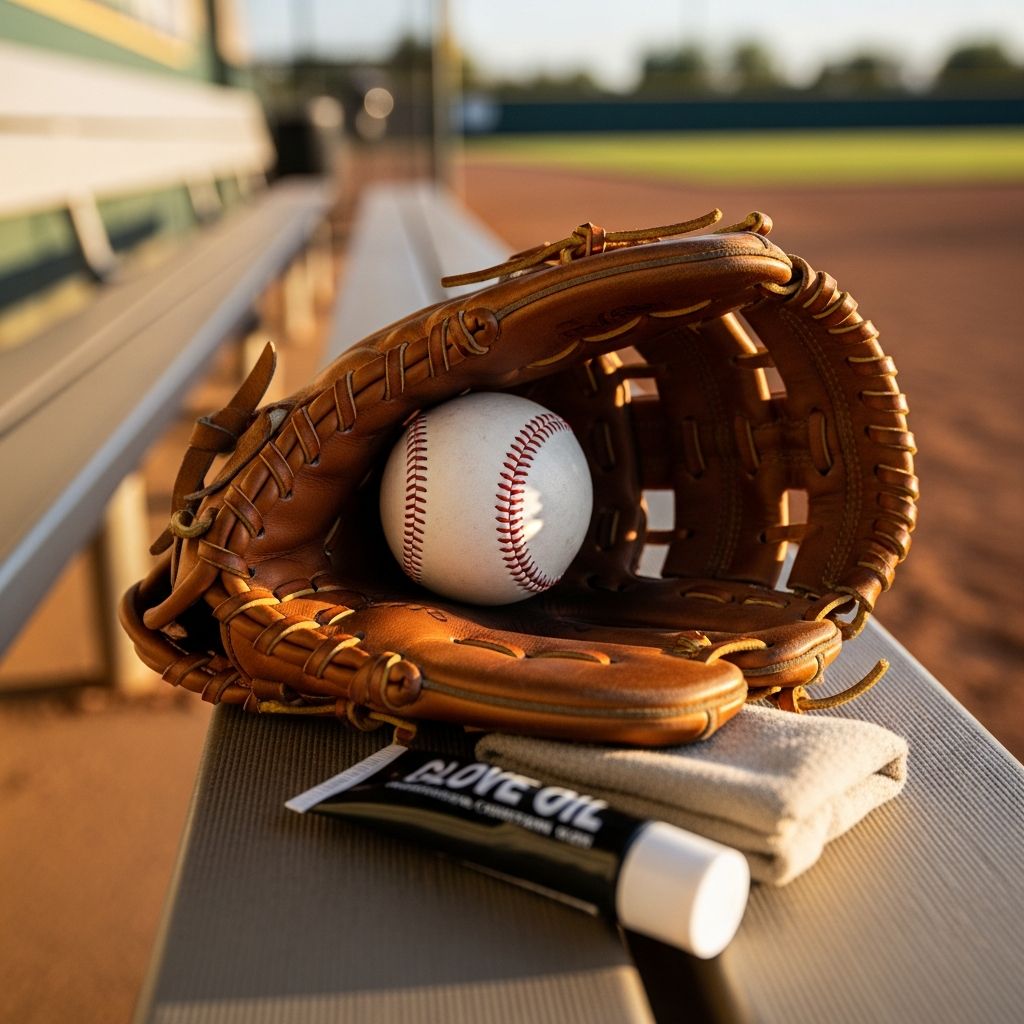
Understanding Your Child’s New Baseball Glove Investment
Purchasing a new baseball glove for your child marks an exciting milestone in their athletic journey. However, many parents don’t realize that a brand-new glove straight from the store requires significant preparation before it’s ready for game day. The leather is stiff, the pocket is underdeveloped, and the overall fit hasn’t been customized to your child’s hand yet. Breaking in a glove properly isn’t just about making it more comfortable—it’s about ensuring your young athlete can field effectively, catch securely, and enjoy the sport without frustration.
The break-in process transforms a rigid piece of equipment into a responsive tool that moves with your child’s hand. Understanding the proper techniques will save you time, prevent damage to the leather, and give your child a glove that performs at its best throughout the season.
Why the Break-In Process Matters for Young Players
A properly broken-in glove provides several critical advantages for developing athletes. First, it reduces the likelihood of dropped balls caused by an overly stiff pocket that doesn’t close naturally around incoming pitches. Second, it minimizes hand fatigue during extended practice sessions or games, allowing your child to focus on technique rather than grip strength. Third, the process helps mold the glove to your child’s unique hand shape and size, creating a custom fit that commercial gloves simply cannot provide out of the box.
The leather in a new glove is also more susceptible to damage if not conditioned properly. Rushing the break-in process or using aggressive methods can dry out the leather, cause cracking, or create permanent creases in unintended places. Taking time to break in the glove correctly protects your investment and ensures the equipment lasts throughout multiple seasons.
The Natural Break-In Method: Playing Catch
The most effective and safest way to break in your child’s baseball glove is through consistent use in actual playing conditions. This method involves regular catch sessions where your child throws and catches a baseball with the new glove. During these sessions, the leather naturally softens as it flexes, the pocket develops gradually where it matters most, and the glove conforms to your child’s hand movements rather than resisting them.
To maximize the benefits of this approach:
- Start with short catch sessions—10 to 15 minutes—and gradually increase duration as the glove becomes more pliable
- Encourage your child to take ground balls and shag fly balls, not just throw back and forth
- Practice with different throwing distances and angles to work various parts of the glove
- Maintain consistency; daily practice yields better results than sporadic sessions
- Have your child squeeze and flex the glove between catches to accelerate the softening process
This method is ideal because it replicates actual game scenarios, helping your child develop familiarity with the glove’s feel during realistic catching conditions. The leather adapts to the specific hand motions your child uses, creating a personalized break-in that no artificial method can replicate.
Water-Based Conditioning Techniques
For parents looking to accelerate the break-in process beyond natural play alone, warm water conditioning offers a safe and effective option when done correctly. This technique involves carefully applying warm—not hot or boiling—water to the leather to make it more malleable temporarily. The key is avoiding saturation, which can lead to permanent drying and brittleness if the glove isn’t managed properly during the drying phase.
Here’s the proper water-conditioning approach:
- Fill a cup with warm water (test it with your hand to ensure it’s comfortable to touch)
- Pour the water over the pocket and web areas of the glove, focusing on the stiffest sections
- Immediately begin working the glove while it’s slightly wet by bending the thumb and pinky together repeatedly
- Squeeze the palm area and manipulate the web to encourage flexibility
- Allow the glove to dry naturally at room temperature, never in direct sunlight or near heat sources
- Repeat this process 6 to 8 times before the glove reaches your desired softness
Water conditioning works because moisture temporarily increases leather elasticity, allowing you to create folds and shape the pocket while the material is responsive. However, this method requires careful execution—oversaturation or improper drying can compromise the glove’s structural integrity. Many experienced glove professionals recommend this technique only when combined with other methods rather than as a standalone solution.
Mechanical Shaping with Glove Mallets and Tools
A glove mallet or hammer is a specialized tool designed specifically for break-in work. These tools come in different styles: some feature a ball-shaped end for forming and shaping the pocket, while others have a flat surface for general pounding. Using a mallet in combination with water conditioning or after catch sessions accelerates pocket development and helps establish proper leather creases.
To use a glove mallet effectively:
- Focus on the pocket area where the ball will land—this is where pounding has the most impact
- Use moderate force; aggressive pounding can damage leather fibers and cause premature wear
- Work the mallet around the entire pocket perimeter, not just the center
- Combine mallet work with hand manipulation by placing your child’s hand inside the glove while pounding
- Alternate between different areas to ensure even development rather than over-working one section
Mallet work is particularly useful for children whose natural throwing strength might be insufficient to thoroughly condition a high-quality glove through catch sessions alone. The mechanical pressure helps loosen leather fibers and creates the necessary flexibility for proper pocket formation without relying solely on playing time.
Strategic Wrapping and Pocket Development
Glove wrapping is a supplementary technique that helps set the shape you want your child’s glove to maintain. This method involves closing the glove with a baseball placed in the pocket, then securing it tightly with elastic bands, string, or rubber bands in an overlapping pattern. The wrapped configuration holds the glove in its closed position while the leather dries and sets, helping it maintain that shape permanently.
The proper wrapping procedure includes:
- Place a regulation baseball in the pocket of the closed glove
- Bring the thumb and pinky together, wrapping them around the baseball securely
- Wrap elastic bands or string around the glove, creating an X pattern that holds everything in place
- Ensure the wrapping is snug but not so tight it deforms the glove’s overall shape
- Leave the glove wrapped for 4 to 5 hours, allowing the leather to set in the desired configuration
- Unwrap carefully and pound the pocket area again before wrapping for additional sessions
Why a ball in the pocket matters: Including the baseball during wrapping ensures the pocket develops with the correct dimensions for catching. Without the ball, the pocket might close too narrowly or form an unnatural shape that doesn’t match actual catching scenarios. Repeating wrapping sessions over several days compounds the benefits, gradually setting the leather into your preferred pocket configuration.
Leather Care and Conditioning Products
While break-in focuses on shaping and softening, proper leather maintenance protects the glove’s longevity and appearance. Specialized glove conditioners and oils penetrate the leather, keeping it from becoming overly dry or brittle. These products should be applied sparingly and worked into the leather thoroughly, not just wiped on the surface.
Recommended conditioning practices:
- Apply conditioner after the glove has been used and the leather is warm and receptive
- Use a soft cloth to work the product into all leather surfaces, including the palm and web
- Wipe away excess product to prevent buildup that attracts dirt
- Allow adequate drying time between conditioning sessions
- Condition less frequently once the break-in process is complete—typically every few weeks during active use
- Store the glove in a cool, dry location away from direct sunlight when not in use
Quality leather conditioners maintain the material’s natural oils and flexibility, preventing the premature cracking and stiffening that occurs with neglected gloves. For children’s gloves, which may receive intensive use and occasional neglect, regular light conditioning extends equipment life significantly.
Avoiding Common Break-In Mistakes
Many well-intentioned parents unknowingly damage their child’s glove by using inappropriate break-in methods. Boiling water applied to leather can cause permanent damage, shrinkage, and discoloration. Soaking a glove in water or oil leads to oversaturation and subsequent over-drying that makes leather brittle and prone to cracking. Using excessively heavy objects to pound the glove, or pounding repeatedly in the same location, can create permanent dents and weaken leather fibers.
Additionally, some parents wrap the glove without a ball in the pocket, which allows the leather to close too tightly and creates an unusable pocket shape. Others leave a wrapped glove in direct sunlight or near heat, which accelerates drying and increases the risk of damage. These shortcuts might save a few days in break-in time but often result in gloves that perform poorly or require expensive repair.
Timeline Expectations for Complete Break-In
The length of time required for complete break-in varies depending on leather quality, glove size, break-in methods used, and frequency of practice. Budget 2 to 4 weeks for thorough natural break-in through consistent catch sessions. If combining methods—catch sessions plus water conditioning, wrapping, and mallet work—you might reduce this timeline to 10 to 14 days. Premium leather gloves typically break in faster than budget alternatives because higher-quality materials are naturally more responsive to conditioning.
Your child will notice gradual improvement throughout the process. Early sessions might feel stiff and uncomfortable, but within a week of regular use, the glove should start feeling noticeably more responsive. By the end of 2 to 3 weeks, the glove should feel significantly broken in and ready for game conditions. A fully broken-in glove should close almost automatically when a ball hits the pocket, requiring minimal additional squeezing from your child to secure the catch.
Age-Appropriate Considerations
Younger children (ages 6-8) may struggle with the hand strength required to fully condition a glove through catch sessions alone, making water conditioning and wrapping particularly valuable for this age group. Ensure water used for conditioning is warm, not hot, and supervise all break-in activities closely. Older children (ages 10+) can handle more intensive catch sessions and mallet work, potentially shortening break-in time through active participation.
Involving your child in the break-in process builds ownership and enthusiasm for the equipment. Explaining that their new glove requires a “warm-up period” just like their body before sports helps them understand why immediate game readiness isn’t realistic. Making break-in sessions fun rather than obligatory—treating catch practice as playtime rather than work—encourages consistent participation and accelerates the process.
Frequently Asked Questions
How often should my child practice with a new glove during break-in?
Daily practice is ideal, even if sessions are short (10-15 minutes). Consistent conditioning is more effective than occasional intensive sessions. However, if daily practice isn’t possible, even 3-4 times weekly will gradually break in the glove.
Can I speed up break-in by using oils or commercial glove-softening products?
These products can supplement the break-in process but shouldn’t replace natural play conditioning. Use them in combination with other methods, and always follow manufacturer instructions to avoid over-applying products that can make leather slippery.
Is it normal for a new glove to feel uncomfortable initially?
Yes, completely normal. New gloves are intentionally manufactured with stiffer leather to maintain shape during storage and shipping. This stiffness gradually decreases through proper conditioning.
What’s the difference between breaking in a glove and simply using it?
Simply using a glove will eventually break it in, but proper break-in techniques accelerate the process and help shape the pocket correctly. Without intentional conditioning, break-in might take 6-8 weeks instead of 2-4 weeks.
Can I break in my child’s glove if they’re not yet playing in games?
Absolutely. Catch practice in the backyard or at a park works just as well as game situations. Regular throwing and catching—whether recreational or competitive—provides the conditioning needed.
Should I use the same break-in method for all types of gloves?
The core methods work for any glove, but positioning and focus varies by position. Infielder gloves have shallower pockets and different webbing configurations than outfielder gloves, so adjust your conditioning emphasis accordingly.
References
- How to Break in a Baseball Glove (The Right Way) — The Hitting Vault. https://thehittingvault.com/how-to-break-in-a-baseball-glove/
- How to Break in a Baseball or Softball Glove — DICK’S Sporting Goods. https://www.dickssportinggoods.com/protips/sports-and-activities/softball/how-to-break-in-a-baseball-glove
- How to Break In Your Glove the Rawlings Way — Rawlings. https://www.rawlings.com/how-to-break-in-your-glove.html