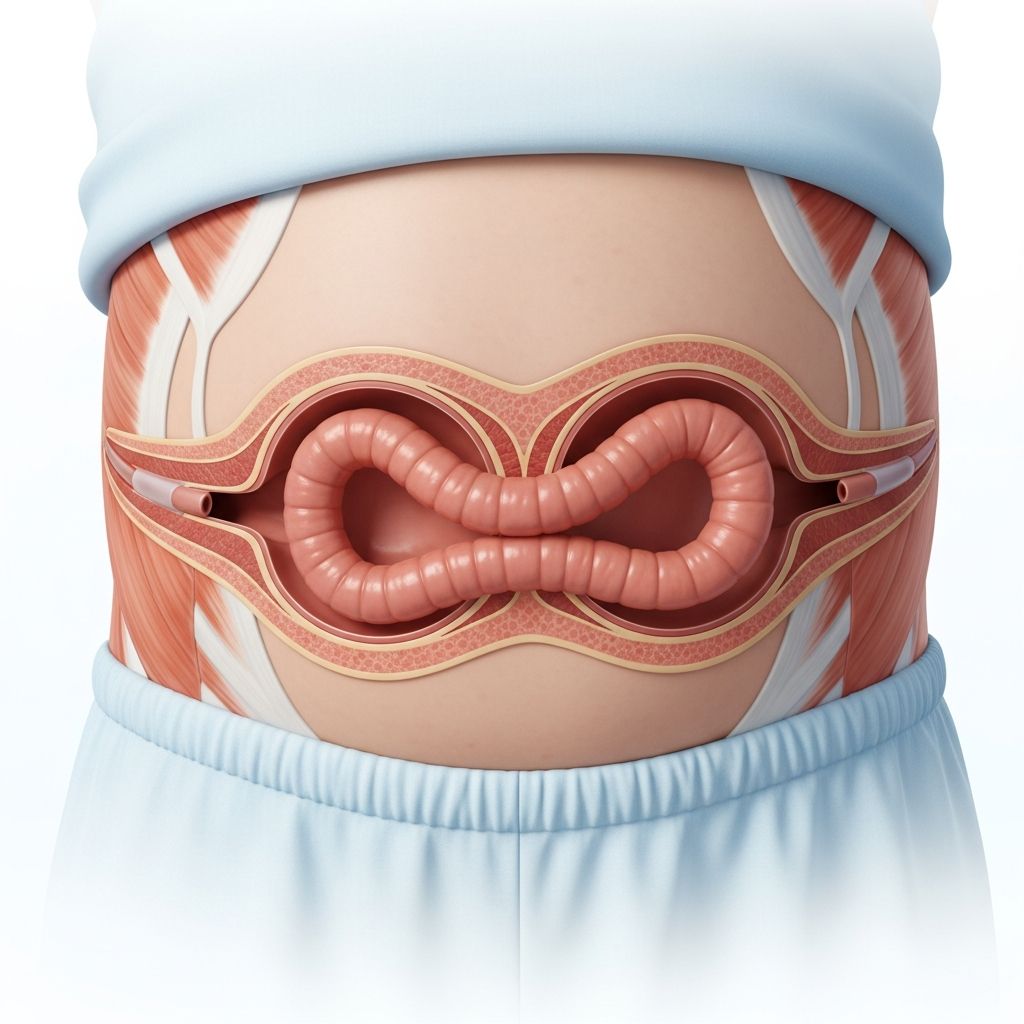
Double barrel ostomy is a surgical intervention where two separate stomas are created on a child’s abdomen to manage bowel function when part of the intestine is diseased or damaged. This procedure diverts waste through the upper stoma while the lower one releases mucus, often serving as a temporary solution to allow healing.
What Is a Double Barrel Ostomy?
In children, a double barrel ostomy typically involves dividing the colon and bringing both ends out through the abdominal wall as distinct openings. The proximal stoma, connected to the active bowel, expels stool, whereas the distal stoma, linked to the inactive segment, produces only mucus. This setup is common in cases of congenital anomalies, inflammatory bowel conditions, or tumors obstructing normal bowel passage.
Unlike a single stoma, this configuration allows the lower bowel to rest and heal without pressure from waste buildup. For pediatric patients, surgeons select this method when preserving bowel length is crucial for future reconnection. The stomas are usually positioned side-by-side on the abdomen for easy access and management.
Reasons Children May Need This Procedure
Pediatric double barrel ostomies address a range of issues, including:
- Crohn’s disease or ulcerative colitis: Inflammation blocking the lower bowel requires diversion for treatment.
- Hirschsprung’s disease: Missing nerve cells in the colon necessitate bypassing affected areas.
- Intestinal malformations: Birth defects like atresias demand surgical rerouting.
- Trauma or perforation: Injuries from accidents or complications post-surgery.
- Neoplastic growths: Rare tumors in kids obstructing colon function.
Early intervention prevents complications like perforation or sepsis, prioritizing the child’s overall health.
Preparing Your Child for Double Barrel Ostomy Surgery
Preparation begins with thorough evaluations, including imaging scans, blood work, and bowel cleansing protocols tailored for children. Parents receive detailed explanations from the surgical team, including diagrams and models to demystify the process.
Dietary shifts are key: a clear liquid diet precedes surgery, supplemented with laxatives or enemas to empty the bowel. Emotional readiness involves age-appropriate discussions; for young kids, storybooks or dolls with stomas can normalize the concept. Hospitals often provide child life specialists to reduce anxiety through play therapy.
| Task | Timeline | Purpose |
|---|---|---|
| Medical tests (CT, endoscopy) | 1-2 weeks prior | Assess bowel condition |
| Bowel prep diet | Day before | Clear intestines |
| Meet stoma nurse | Pre-op visit | Learn basic care |
| Pack hospital bag | Day of | Comfort items for child |
The Surgical Process Explained
Under general anesthesia, the surgeon performs a laparotomy or laparoscopy to access the colon. Problematic sections are resected, and the bowel is transected. Each end is exteriorized through precisely placed abdominal incisions, secured with sutures to the skin. A supportive rod or bridge may temporarily hold the stomas in place.
Duration varies from 2-4 hours, depending on complexity. Post-op, the child enters recovery where vital signs and stoma output are monitored closely. Initial outputs confirm functionality: fecal matter from the proximal stoma and clear mucus from the distal.
Immediate Post-Operative Recovery
Hospital stays last 5-10 days, focusing on pain control, infection prevention, and stoma training. IV fluids and antibiotics are standard, transitioning to oral intake as tolerated. Pediatric nurses teach pouch changing, emphasizing hygiene to avoid skin irritation.
Children may experience swelling or prolapse initially, which subsides. Mobility is encouraged early to prevent clots. Discharge planning includes home care supplies and follow-up schedules with gastroenterologists and ostomy specialists.
Daily Stoma Care at Home
Caring for two stomas demands routine but adapts quickly. Key steps include:
- Cleaning the peristomal skin with mild soap and water after each pouch change.
- Applying barrier creams to protect skin from output acidity.
- Emptying pouches when one-third full to prevent leaks.
- Monitoring for output changes, redness, or unusual odors signaling issues.
For the mucus stoma, gauze or small pouches suffice since output is minimal. Parents learn to measure intake/output for hydration tracking. Weekly stoma nurse visits ensure proper fit as the child grows.
Dietary Guidelines After Surgery
Post-op nutrition supports healing and consistent stoma function. Start with low-residue foods, gradually introducing fiber. Hydration is critical—aim for 6-8 cups daily to avoid thick output.
| Category | Foods to Include | Foods to Limit |
|---|---|---|
| Proteins | Lean meats, eggs, yogurt | Fried foods, tough meats |
| Grains | White rice, soft bread | Whole grains initially |
| Fruits/Veggies | Bananas, cooked carrots | Raw veggies, corn |
| Drinks | Water, electrolyte solutions | Caffeine, carbonated |
Chew thoroughly and eat small, frequent meals. Probiotics may aid gut flora balance. Consult a dietitian for personalized plans.
Potential Complications and How to Manage Them
Common issues include peristomal dermatitis, managed with protective powders; high output causing dehydration, treated by anti-diarrheals; or prolapse, addressed by supportive belts. Rare infections require prompt antibiotics. Regular check-ups catch parastomal hernias early.
Parents should watch for fever, severe pain, or no output, seeking emergency care immediately.
Reversing the Ostomy: When and How
Many double barrel ostomies are temporary, reversed after 3-12 months once healing confirms via contrast studies. Reversal surgery reconnects the bowel ends, closing stomas. Success rates exceed 90% in uncomplicated pediatric cases, restoring normal function.
Emotional and Psychological Support for Families
Adjustment involves grief over body changes, but counseling and support groups foster resilience. School reintegration succeeds with teacher education on stoma needs. Celebrate milestones to build child’s self-esteem.
Frequently Asked Questions (FAQs)
Can children with double barrel ostomy play sports?
Yes, most activities are fine with secure pouches and physician approval. Avoid contact sports initially.
How often should pouches be changed?
Every 3-7 days or sooner if leaking; empty frequently.
Will my child need special clothing?
Ostomy belts or fitted underwear provide security; otherwise, regular clothes work.
Does it hurt to have a stoma?
No, stomas lack nerves, so no pain from output.
Can the ostomy be permanent?
Rarely in kids; most are temporary unless extensive disease.
Long-Term Outlook and Resources
Children adapt remarkably, leading active lives. Organizations like the United Ostomy Associations of America offer parent networks. Annual check-ups monitor growth and bowel health.
References
- Double Barrel Colostomy — ZenOnco.io. 2023. https://zenonco.io/cancer/double-barrel-colostomy/
- What’s a Double Barrel Ostomy? (Video) — Nemours KidsHealth. 2024-01-15. https://kidshealth.org/en/parents/double-barrel-ostomy.html
- Double-Barrel Urocolostomy After Pelvic Exenteration: Short-Term Morbidity and Quality of Life — PMC (PubMed Central). 2024-06-12. https://pmc.ncbi.nlm.nih.gov/articles/PMC12049299/
- Colostomy — EBSCO Research Starters. 2023. https://www.ebsco.com/research-starters/health-and-medicine/colostomy
- Colostomy Types — American Cancer Society. 2025-03-10. https://www.cancer.org/cancer/supportive-care/ostomies/colostomy/types-of-colostomies.html
- Colostomy: What It Is, Bags, Surgery, Types & Care — Cleveland Clinic. 2024-11-20. https://my.clevelandclinic.org/health/procedures/22100-colostomy