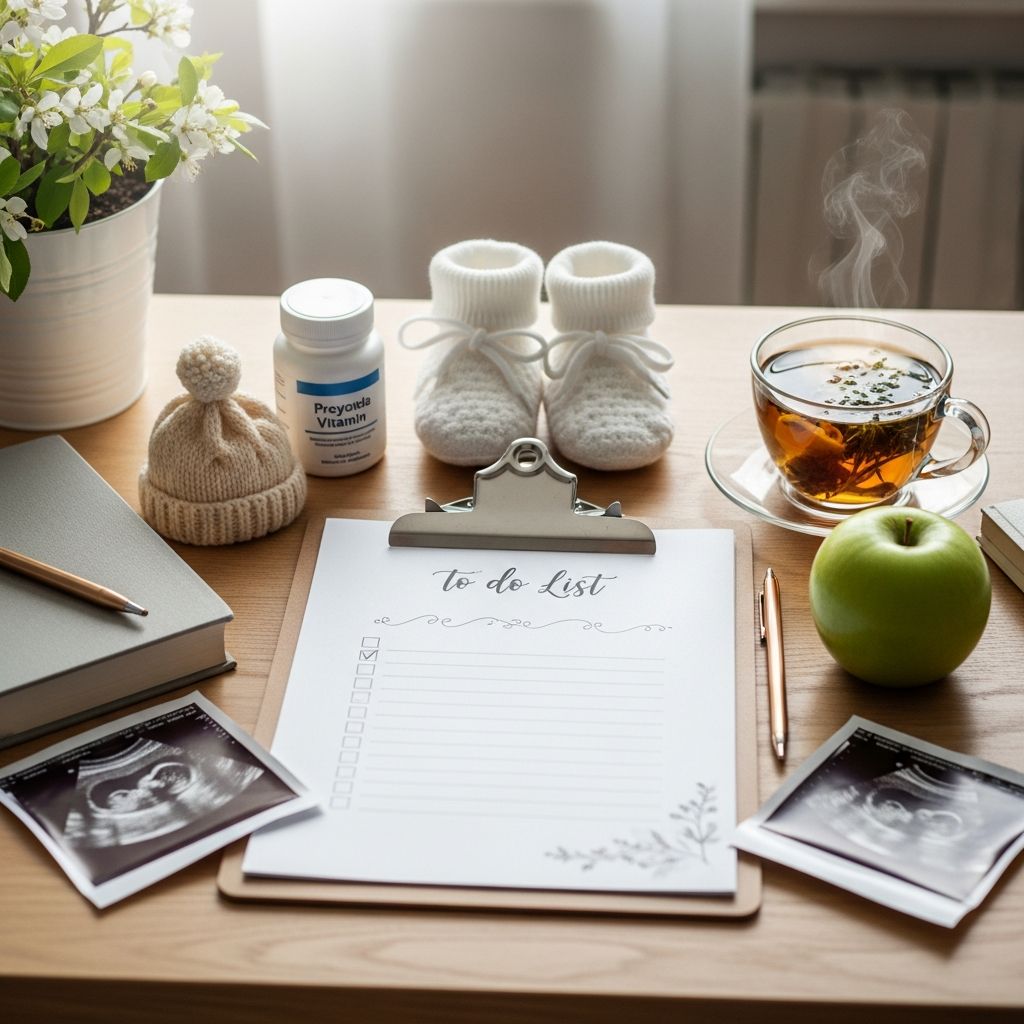
Many couples embarking on the journey to parenthood discover that simple, evidence-based lifestyle adjustments can significantly elevate their chances of conception. Optimizing fertility involves a holistic approach encompassing nutrition, physical activity, reproductive timing, and emotional well-being. This guide draws from medical expertise to provide actionable strategies tailored for both partners, helping you create an environment conducive to pregnancy without immediate need for advanced interventions.
Understanding Your Fertility Window
The foundation of natural conception lies in pinpointing the most fertile period in a woman’s cycle. Ovulation typically occurs around day 14 in a 28-day cycle, but variations are common. The fertile window spans the five days before ovulation and the day of ovulation itself, offering the highest pregnancy probabilities.
Studies show that intercourse on the day of ovulation yields up to a 33% chance of pregnancy per cycle, dropping to 10% five days prior.Track ovulation using methods like basal body temperature monitoring, cervical mucus observation, or over-the-counter ovulation predictor kits for precision.
- Begin tracking early in your cycle to identify patterns.
- Aim for intercourse every 1-2 days during the fertile window to maximize sperm availability.
- Use fertility apps to log data and predict windows accurately.
For couples with irregular cycles, consulting a healthcare provider for hormone testing can refine timing strategies.
Nutrition Strategies for Optimal Reproductive Health
Diet profoundly influences hormone balance, egg quality, and sperm motility. Adopting a Mediterranean-style eating pattern—rich in fruits, vegetables, whole grains, seafood, and healthy fats—correlates with improved IVF success and natural pregnancy rates.
Key Nutrients for Women
Women benefit from diets high in folic acid, vitamin D, B12, and omega-3s. A pro-fertility diet including low-pesticide produce, whole grains, and seafood has shown superior outcomes in fertility treatments.
| Nutrient | Benefits | Food Sources |
|---|---|---|
| Iron | Supports ovulation | Spinach, lentils, lean beef, eggs |
| Omega-3s | Enhances egg quality | Salmon, walnuts, flaxseeds |
| Folic Acid | Prevents defects | Leafy greens, fortified grains |
Key Nutrients for Men
Men should prioritize antioxidants to combat oxidative stress on sperm and foods boosting testosterone.
- Antioxidants from blueberries, dark chocolate, and green tea improve sperm quality.
- Zinc-rich foods like eggs, lean meats, and bananas support production.
Both partners should minimize processed foods, trans fats, and high-pesticide items while staying hydrated to maintain cervical mucus and semen volume.
Balanced Exercise Routines for Fertility
Regular moderate exercise regulates hormones, reduces stress, and aids weight management, all critical for fertility. However, excess can disrupt cycles or embryo implantation.
Aim for 30 minutes daily of low-impact activities. Couples exercising together report better outcomes and stronger bonds.
- Walking, yoga, swimming: Ideal for hormone balance.
- Avoid high-intensity like running or HIIT during treatments.
- Home workouts with mats and light weights foster partnership.
Maintain a healthy BMI; extremes impair fertility by altering hormones.
Lifestyle Habits to Avoid or Adopt
Eliminate Harmful Substances
Tobacco, excessive alcohol, and drugs directly damage eggs and sperm. Quitting smoking improves conception rates significantly.
- Limit caffeine to under 200mg daily for women.
- Men: Avoid hot environments like saunas to protect sperm motility.
Prioritize Sleep and Hydration
7-9 hours of quality sleep regulates reproductive hormones. Dehydration reduces sperm count and mucus quality.
Stress Reduction and Relationship Nurturing
Chronic stress elevates cortisol, disrupting ovulation and sperm production. Couples on fertility journeys often face emotional strain; counter it with mindfulness.
- Practice meditation, deep breathing, or yoga.
- Engage in couple activities: Hiking, cooking healthy meals.
- Schedule non-fertile intimacy like massages to sustain connection.
Professional counseling can help navigate infertility emotions.
Supplements and Medical Considerations
Prenatal vitamins with 400-800mcg folic acid are standard. Consult doctors before other supplements to avoid interactions.
If under 35 and trying 12 months without success (6 months over 35), seek fertility evaluation.
Frequently Asked Questions
How often should couples have sex when trying to conceive?
Every 1-2 days, especially in the fertile window, maximizes chances without sperm depletion.
Does weight impact fertility?
Yes, both overweight and underweight disrupt hormones; aim for BMI 18.5-24.9.
Can exercise hurt fertility efforts?
Moderate yes, excessive no—balance is essential.
Is caffeine safe while TTC?
Limit to 1-2 cups daily; excess may slightly reduce chances.
When to see a fertility specialist?
After 12 months for under 35; sooner if known issues.
References
- Optimizing fertility Part 1: Evidence-based lifestyle changes — BCMJ. 2017-01-01. https://bcmj.org/articles/optimizing-fertility-part-1-evidence-based-lifestyle-changes
- Tips to improve fertility — Mayo Clinic Health System. 2023-05-15. https://sncs-prod-external.mayo.edu/hometown-health/speaking-of-health/tips-to-improve-fertility
- How to get pregnant — Mayo Clinic. 2024-08-20. https://www.mayoclinic.org/healthy-lifestyle/getting-pregnant/in-depth/how-to-get-pregnant/art-20047611
- Creating a Fertility-Friendly Lifestyle: Practical Tips for Couples — One Fertility Kitchener Waterloo. 2023-11-10. https://www.onefertilitykitchenerwaterloo.com/creating-fertility-friendly-lifestyle-practical-tips-couples/
- Healthy Living Tips for Couples on a Fertility Journey — Genesis Fertility. 2024-02-14. https://www.genesisfertility.com/blog/healthy-living-tips-for-couples-on-a-fertility-journey/