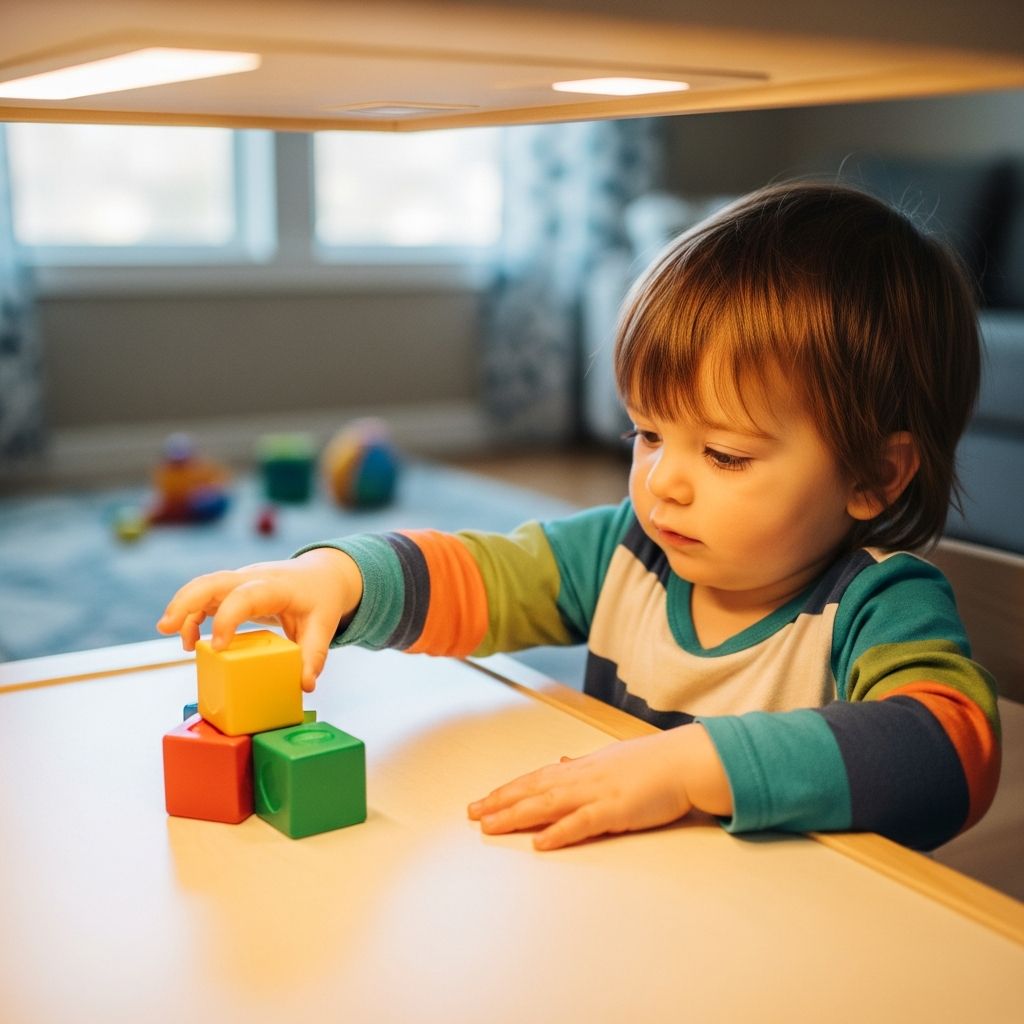
Parenting is often described as the greatest gift and the greatest challenge at the same time. Many parents love their children deeply and still end most days feeling exhausted, guilty, or overwhelmed. You are not failing; you are human. With a few intentional shifts in mindset, routines, and expectations, it is possible to feel calmer, more confident, and genuinely happier in your role as a parent.
Redefining What “Good Parenting” Really Means
A major source of parental unhappiness comes from chasing an unrealistic image of what a “good parent” should look like. Social media, family expectations, and cultural ideals often suggest that a good parent is endlessly patient, always available, and consistently creative, tidy, and nurturing. No real person can live up to that picture every day.
Instead of striving for perfection, aim for being a “good enough” parent: loving, responsive most of the time, and willing to repair when things go wrong. Children do not need flawless parents. They need adults who care, try, and recover after mistakes.
- Replace the phrase “perfect parent” with “learning parent.”
- Measure success by connection and effort, not by comparison with others.
- Accept that some days will be messy, loud, and incomplete—and still entirely good enough.
Why Your Happiness Matters to Your Children
Many parents put their own needs last because they believe that constant sacrifice is an expression of love. Yet research and everyday experience show that children are deeply affected by their parents’ emotional states. When parents are calmer, more fulfilled, and less burned out, children tend to feel safer, more relaxed, and more cooperative.
Your mood sets the tone of the household. A parent who takes steps to support personal well-being usually has more patience, more empathy, and more energy to engage with children. Taking care of yourself is not selfish; it is part of responsible parenting.
| Parent Experience | Common Child Response | Family Atmosphere |
|---|---|---|
| Chronic stress, irritability | Clinginess, anxiety, defiance | Tense, unpredictable, easily escalated |
| Calm but imperfect regulation | More cooperation, easier transitions | Generally steady, with manageable ups and downs |
| Visible self-care and healthy boundaries | Models self-respect and emotional awareness | Respectful, warmer, and more resilient |
Letting Go of Comparison and “Shoulds”
Few things drain parental joy faster than constant comparison. Seeing other families’ highlight reels can create a sense that everyone else is more organized, more patient, or more successful. This habit quietly tells you that your own family is not enough.
Shifting away from comparison requires noticing your own “shoulds” and replacing them with questions about what actually works for your unique child and family. When you stop judging your life against an imaginary standard, you are more able to enjoy what is right in front of you.
- Unfollow accounts or mute voices that consistently make you feel inadequate.
- Practice saying, “That works for them; what works for us?”
- Celebrate your family’s quirks instead of treating them as flaws.
Small Daily Habits That Protect Your Energy
Happiness in parenting rarely comes from a single big change. It comes from repeated small actions that conserve your time, attention, and emotional strength. Think of yourself as the battery of the household. If you protect and recharge that battery, everything functions better.
Begin with realistic, manageable routines. Rather than designing a perfect schedule you cannot maintain, choose a few small habits that make the biggest difference and commit to them. Over time, these habits become part of the rhythm of your family life.
- Create a simple morning ritual for yourself, even five minutes of quiet or stretching.
- Prepare bags, clothes, or snacks the night before to reduce decision-making in the morning.
- Use visual checklists for kids to cut down on repeated verbal reminders.
Practical Strategies to Lower Everyday Stress
Much parental stress comes from transition points—getting out the door, homework time, bedtime, and meal times. Anticipating those pressure spots and simplifying them can have a major impact on how happy you feel during the day.
Instead of trying to control every behavior, focus on adjusting the environment, your expectations, and your responses. When your systems support you, you have more space to respond calmly instead of reacting impulsively.
- Plan for transitions. Give time warnings, use timers, and build in a buffer so you are not always rushing.
- Simplify choices. Offer two or three options instead of many to reduce power struggles.
- Automate what you can. Use recurring grocery lists, rotating meal menus, or shared calendars.
- Lower the bar strategically. Some days, cereal for dinner and a quick clean-up really are enough.
Building Connection in Bite-Sized Moments
Many parents imagine that connection has to look like elaborate activities or entire days of undivided attention. In reality, children often feel most loved through frequent, small moments of attunement: eye contact, shared laughter, and brief conversations where they feel seen.
When connection becomes part of your regular interactions, discipline usually becomes easier, and you may feel less like a referee and more like a partner in your child’s growth. Notice where you can sprinkle these moments into what you already do.
- Offer a warm greeting and a hug when you reunite after school or work.
- Use “micro-moments”: a 60-second cuddle, a shared joke, or a high-five after a small success.
- Put away distractions during short windows, such as the first ten minutes after you get home.
Communicating With More Calm and Clarity
Communication style affects both your child’s behavior and your own sense of peace. Frequent yelling, sarcasm, or vague instructions usually leave everyone feeling frustrated. Clear, calm communication is not about being soft; it is about being effective without exhausting yourself emotionally.
Small changes in wording and tone can make your daily life smoother. Children often respond better when they know exactly what is expected and feel respected in the process.
- State what you want to see: “Walk, please” instead of “Stop running.”
- Give one instruction at a time for younger children.
- Use “when–then” phrases: “When toys are in the bin, then we can read a story.”
- Pause before responding when you are angry; a short silence is better than words you regret.
Discipline That Preserves Your Relationship
Happier parenting does not mean allowing children to do whatever they want. Boundaries and limits are essential for safety, respect, and long-term well-being. The key is to discipline in ways that teach rather than simply punish, so that you feel aligned with your values instead of guilty or resentful.
When discipline focuses on guidance, children slowly learn to manage their own behavior, and parents experience fewer power struggles over time. This approach also protects the emotional connection that makes family life more enjoyable.
- Define a small set of non-negotiable rules, and enforce them consistently.
- Explain the reason for rules in simple, age-appropriate language.
- Use natural and logical consequences whenever possible, rather than unrelated punishments.
- After conflicts, reconnect with a brief conversation, a hug, or a shared activity.
Making Space for Your Own Identity
Another quiet source of unhappiness is feeling that your pre-parent self has disappeared. When every waking moment belongs to work or children, it is easy to lose touch with friendships, interests, or personal goals. This can lead to resentment, even when you adore your kids.
Reclaiming your own identity does not require long vacations or major changes. It starts with acknowledging that you are a full person, not only a parent, and that your satisfaction with life enriches your children’s world as well.
- Schedule small “non-negotiable” windows for something you enjoy: reading, walking, crafts, music.
- Maintain at least one supportive adult friendship where you can be honest about your experience.
- Say yes to some invitations that do not involve your children when feasible.
Asking for Help Without Guilt
Many parents feel they should be able to manage everything alone. This belief can lead to burnout, isolation, and a sense of secret failure. Human beings are wired for community; raising children has historically been a shared effort, not a solo project.
Asking for help is a skill that improves with practice. You deserve rest and support, and your children benefit when you have a reliable network instead of carrying everything on your own shoulders.
- Start with small, specific requests: a neighbor grabbing milk, a relative watching the kids for an hour.
- Trade childcare or chores with another family so that both households get breaks.
- Consider professional support—therapists, parenting coaches, or support groups—if stress feels unmanageable.
Reframing Guilt and Self-Criticism
Parental guilt can show up at every turn: missing a school event, losing your temper, choosing work, or taking time for yourself. While some guilt points to changes you genuinely want to make, much of it is unhelpful noise that keeps you stuck in self-criticism.
Happier parenting involves turning guilt into information instead of punishment. Notice what your guilt is trying to say, decide whether it aligns with your true values, and then make a small change or let it go.
- When guilt arises, ask: “Did I actually do something wrong, or am I just not perfect?”
- Repair when needed: apologize briefly and sincerely, then show a different choice next time.
- Practice talking to yourself the way you would talk to a close friend who is struggling.
Protecting Joy With Simple Family Rituals
Rituals are repeated, meaningful practices that give children a sense of stability and give parents a sense of satisfaction. They do not need to be elaborate or expensive to be powerful. Instead, think of them as anchors that help everyone feel connected, even when life feels busy or chaotic.
When you intentionally build a few enjoyable rituals into your week, you create reliable pockets of joy. These moments can sustain you through the less glamorous parts of parenting.
- Establish a weekly “family night” with a simple meal and a game, movie, or walk.
- Create mini-rituals such as a special handshake, bedtime question, or weekend breakfast routine.
- Mark small milestones—lost teeth, finished projects, new skills—with tiny celebrations.
Frequently Asked Questions About Happier Parenting
Is it realistic to be a “happy parent” most of the time?
No one is happy all the time, and expecting constant joy is a setup for disappointment. A more realistic aim is to reduce unnecessary stress, build emotional resilience, and increase the number of moments when you feel content, connected, and grounded with your children.
Does prioritizing my own needs mean my children get less from me?
When you take reasonable care of yourself, your children usually receive more of what actually matters: patience, presence, and warmth. A parent who occasionally steps away to rest, think, or recharge often returns more able to listen, play, and guide.
How can I start if my life feels completely overwhelmed already?
Begin with one tiny change rather than a total overhaul. Choose the area that causes the most daily friction—mornings, bedtime, homework—and experiment with one new habit or system. As that change takes root, you can slowly add others without increasing your sense of burden.
What if my child’s behavior makes joy feel impossible right now?
Challenging behavior often signals unmet needs, lagging skills, or stress in the environment. Seek support from professionals if needed, but also remember to notice small positive moments with your child, even if they are brief. Recognizing progress, however small, can restore hope and make the hard work feel more worthwhile.
Is it ever too late to become a happier parent?
Children of all ages can benefit when a parent becomes more self-aware, calmer, and intentional. Even teens and adult children notice when a parent begins to communicate differently, set healthier boundaries, or show more self-respect. Change is possible at any stage of family life.
Final Thoughts
Becoming a happier parent does not require changing who you are. It involves understanding your limits, softening unrealistic expectations, and building a life where your needs and your children’s needs can coexist. When you grant yourself the same compassion you offer your kids, you create space for joy, growth, and genuine connection in your everyday family life.