In the face of unprecedented disruptions caused by the COVID-19 pandemic, teachers worldwide demonstrated extraordinary commitment to their students’ education and well-being. As schools shifted abruptly to remote learning, educators adapted with creativity, empathy, and resilience, often sharing their journeys through viral social media moments that captured global attention.
The Sudden Shift to Virtual Classrooms
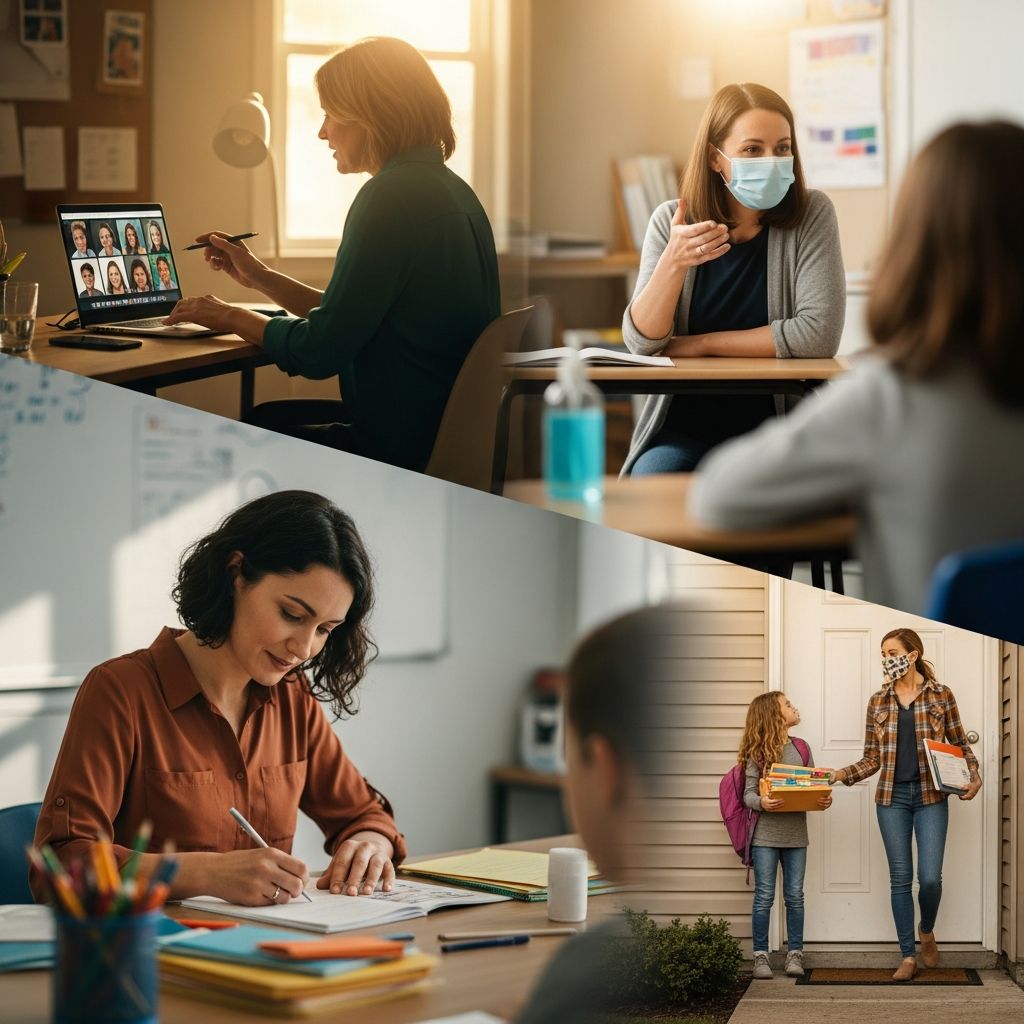
The pandemic forced an overnight transformation in education. Classrooms emptied, and screens became the new blackboards. Teachers, many unprepared for digital teaching, quickly learned platforms like Zoom and Google Classroom while managing their own families. This transition highlighted their adaptability, as they redesigned lessons to suit virtual formats, ensuring continuity in learning despite technical hurdles and emotional strain.
Many educators expressed the surreal nature of packing up physical classrooms mid-year, a task that symbolized broader losses. One teacher described the eerie quiet of her pre-K room, shelves of untouched supplies evoking a frozen moment in time. These personal reflections resonated widely, underscoring the human side of educational upheaval.
Innovative Digital Engagement Strategies
To bridge the gap between teacher and student, many turned to popular apps like TikTok. A middle school educator from San Diego created humorous, self-deprecating videos poking fun at online quirks and middle school antics. His content, including a hit titled ‘Teachers on Quarantine,’ amassed millions of views and tens of thousands of followers, reigniting student enthusiasm and spreading positivity.
- Humorous skits on quarantine life kept spirits high.
- Relatable content about virtual teaching mishaps fostered connection.
- Student-focused messages emphasized fun amid uncertainty.
Similarly, a first-grade teacher used TikTok music to voice her raw emotions about distance learning’s demands. Her candid video struck a chord, reminding parents and peers of the invisible labor behind virtual education.
Emotional Toll and Shared Vulnerabilities
Beyond innovation, teachers openly shared vulnerabilities. Packing up classrooms became a poignant ritual, with one pre-K instructor filming her empty space, captioning it with feelings of sadness and frustration. Posted on social media, it garnered thousands of shares, validating collective grief over disrupted routines.
Interviews revealed deeper concerns: supporting students remotely while worrying about their social-emotional needs. Educators feared the distance would exacerbate inequalities, yet they persisted, delivering meals, checking in via calls, and creating resource kits.
| Challenge | Teacher Response | Impact |
|---|---|---|
| Technical Barriers | Tutorials and device loans | Increased access for underserved students |
| Emotional Isolation | Virtual check-ins and videos | Boosted student morale |
| Curriculum Gaps | Adaptive online modules | Maintained learning progress |
Real-World Examples of Extraordinary Dedication
Stories from around the globe illustrate this spirit. On World Teachers’ Day, themed ‘Teachers at the heart of education recovery,’ UNESCO spotlighted educators’ roles in rebuilding systems post-pandemic. In tough times, teachers delivered personalized support, like home visits or care packages, extending their roles far beyond academics.
A Bible history and speech teacher not only went viral but used his platform to affirm students’ value, turning personal missing of his class into communal upliftment. Others organized drive-by parades or mailed handwritten notes, small acts amplifying their impact.
Long-Term Lessons from Pandemic Teaching
These efforts yielded lasting insights. Hybrid models emerged stronger, blending digital tools with in-person interaction. Teacher training in edtech surged, preparing future crises. Moreover, parental involvement deepened, forging partnerships essential for holistic child development.
Statistics from the period show resilience: despite closures affecting 1.6 billion learners globally, educator ingenuity minimized learning losses, as per UNESCO reports. Today, these viral moments serve as benchmarks for appreciation and policy reform.
Community Recognition and Viral Phenomena
Social media amplified these narratives. Videos of teachers dancing to engage young learners or tearfully boxing supplies trended, humanizing the profession. Platforms like YouTube hosted discussions where educators aired struggles, from burnout to student welfare worries.
Public response was overwhelming—likes, shares, and donations poured in, funding classroom tech. This visibility pressured systems to better support teachers, highlighting needs like mental health resources and fair pay.
Supporting Educators in Recovery
As recovery continues, sustaining momentum is key. Schools invest in professional development, mental health programs, and equitable tech access. Parents can advocate, volunteer, or simply express gratitude, reinforcing that teachers remain education’s cornerstone.
Policies now prioritize resilience training, ensuring past lessons endure. By celebrating these heroes, society invests in brighter futures.
Frequently Asked Questions (FAQs)
What inspired teachers to go viral during the pandemic?
Many shared authentic moments of joy, frustration, and creativity to connect with students and cope with changes, resonating widely online.
How did TikTok change teacher-student interactions?
It allowed fun, relatable content that engaged digital-native kids, boosting participation and morale in remote settings.
Why was packing classrooms emotionally challenging?
It represented abrupt endings to normalcy, evoking loss for routines, student growth, and shared experiences.
What role did UNESCO play in recognizing teachers?
Through World Teachers’ Day, it emphasized educators’ centrality in pandemic recovery efforts globally.
Are these stories still relevant post-pandemic?
Yes, they inform ongoing hybrid education, teacher support, and appreciation for adaptive teaching methods.
References
- 5 Stories of teachers going above and beyond in tough times — Aleteia. 2021-10-05. https://aleteia.org/2021/10/05/5-stories-of-teachers-going-above-and-beyond-in-tough-times/
- Teacher’s TikTok profile goes viral amid coronavirus pandemic — 10News.com. 2020-04-01. https://www.10news.com/news/local-news/san-diego-news/teachers-tiktok-profile-goes-viral-amid-coronavirus-pandemic
- Teacher’s post about packing up her classroom amid COVID-19 goes viral — Good Morning America. 2020-04-01. https://www.goodmorningamerica.com/living/story/teachers-post-packing-classroom-amid-covid-19-viral-70909449
- Teachers speaking out about struggles during pandemic — NBC News (YouTube). 2020-04-01. https://www.youtube.com/watch?v=GtdzwbZ5WqE
- What went viral this week: Teachers going above + beyond during pandemic — Mother.ly. 2020-04-01. https://www.mother.ly/life/what-went-viral-this-week-teachers-going-above-beyond-during-pandemic/