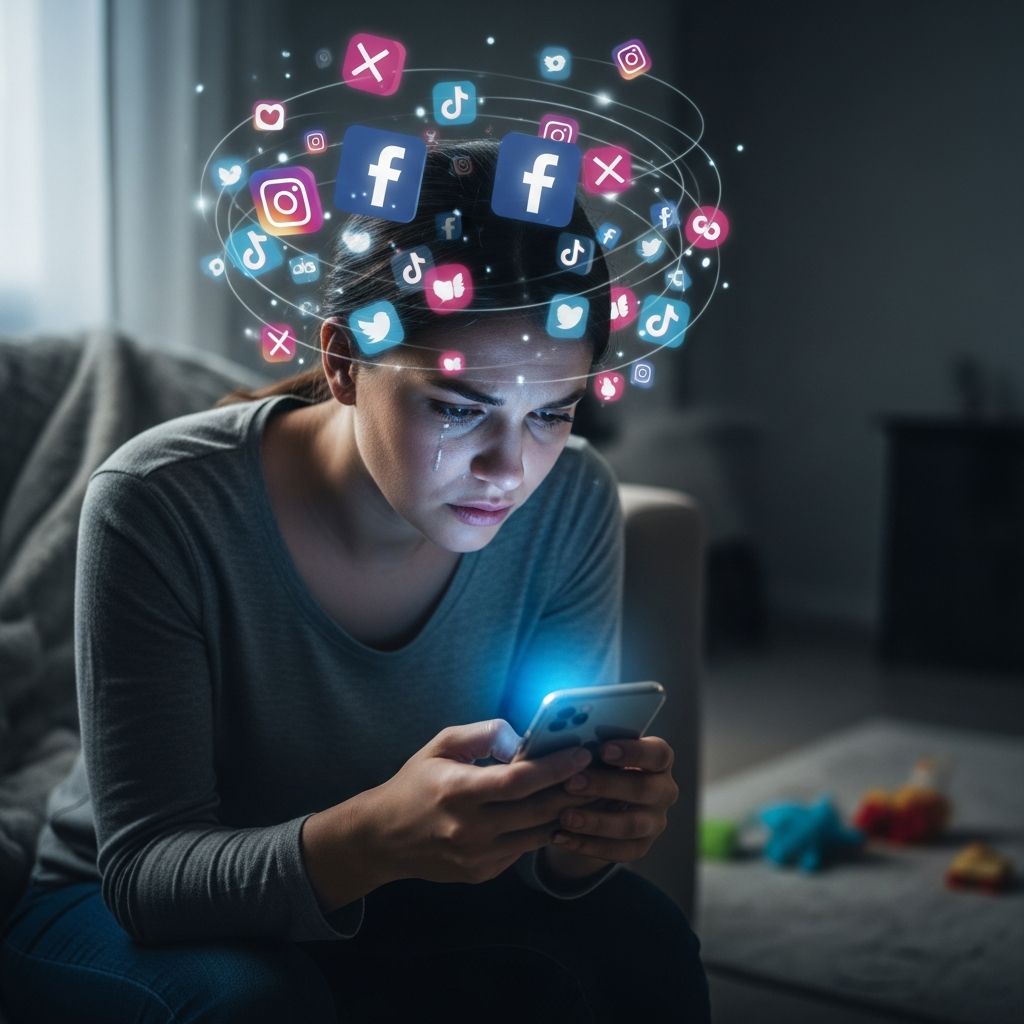
Modern motherhood unfolds in a digital age where platforms promise connection but often deliver stress. Endless scrolls through polished family moments can erode confidence, sparking anxiety and feelings of inadequacy among moms. Research links frequent social media engagement across multiple apps to elevated depression risks, transforming joyful parenting into a shadowed experience.
The Hidden Mechanisms of Digital Stress
Social media algorithms prioritize highlight reels, creating an echo chamber of seemingly flawless lives. Mothers encounter images of tidy homes, angelic children, and effortless routines that rarely reflect reality. This exposure fosters a comparison culture, where personal milestones feel diminished against others’ curated perfection.
A University of Pittsburgh study highlights how using numerous platforms correlates not just with time spent online, but with intensified negative self-reflection. Moms report gloom overshadowing child interactions, as ‘shoulds’—like perfect meal preps or Instagram-worthy playdates—amplify inadequacy. Peer-reviewed analysis further ties parental scrolling to heightened stress, depression from comparisons, and even family distractions.
Comparison: The Silent Thief of Joy
Approximately 90% of mothers engage with social media daily, yet nearly half feel unworthy after viewing peers’ posts. This stems from the perfection illusion, where filters and edits mask chaos, leaving viewers questioning their own efforts.
- Immaculate nurseries versus cluttered playrooms
- Smiling family outings amid everyday tantrums
- Influencer meal plans against rushed dinners
Such disparities trigger the ‘guilt game,’ intensifying shame over choices like work-life balance or feeding methods. Postpartum Support International notes moms feeling like failures despite evidence-based decisions, as feeds glorify unattainable ideals.
Mental Health Ripple Effects
Beyond emotions, social media disrupts sleep, exacerbates perinatal mood disorders, and heightens isolation. Doomscrolling—endless late-night research—fuels frustration when advice fails real-life babies. A PMC study confirms parental use links to anxiety spikes, poor performance, and familial tension.
| Impact Area | Description | Prevalence |
|---|---|---|
| Anxiety & Depression | Constant exposure to ideals erodes self-esteem | 50% of moms report inadequacy |
| Sleep Disruption | Late-night scrolling impairs rest | Linked to daily physician observations |
| Family Interactions | Distraction reduces presence | Associated with stress and tension |
| Postpartum Risks | Amplifies PMADs | 84% parents use as resource, risking overload |
Recognizing Your Digital Footprint
Awareness marks the pivot from victim to empowered user. Notice patterns: Does scrolling post-bedtime leave you restless? Do baby milestone posts evoke envy? Acknowledging these cues builds resilience. Journaling reactions post-scroll reveals triggers, fostering authentic self-insight.
Moms often internalize ‘imposter syndrome,’ fearing exposure of unglamorous truths. Yet, validating stress as common—backed by studies—normalizes the struggle, paving recovery paths.
Practical Steps to Reclaim Balance
Transform usage with intentional boundaries. Start small:
- Set Time Limits: Apps allow daily caps; enforce 30 minutes to curb excess.
- Curate Feeds Mindfully: Unfollow perfectionists; follow body-positive, real-talk accounts.
- Practice Gratitude Rituals: Daily note three unfiltered wins, countering negativity bias.
- Engage Authentically: Share raw moments to normalize reality and build community.
- Digital Detoxes: Weekly unplugged evenings prioritize family presence.
Positive engagement—joining supportive groups—harnesses benefits without pitfalls. Report toxic content to maintain safe spaces.
Cultivating Self-Compassion in Motherhood
Motherhood thrives on grace, not grids. Embrace variability: No path mirrors another’s. Research urges focusing on personal growth over external validation. Therapy or mom circles amplify this, dismantling isolation.
Reframe ‘failures’ as human—spilled milk isn’t a feed flop. This shift enhances interactions, letting joy pierce digital fog.
Long-Term Strategies for Digital Wellness
Sustain change through habits:
- Weekly audits of app time and mood correlations
- Replace scrolls with walks or calls
- Educate on algorithms’ role in feeding discontent
- Model healthy use for kids, breaking cycles
Organizations like Postpartum Support International advocate breaks when platforms harm, prioritizing emotional wellness. Pew data shows 84% parents seek advice online—channel it selectively.
Frequently Asked Questions
Does social media really cause depression in moms?
Yes, studies link multi-platform use to higher depression and anxiety risks via negative reflection and comparison.
How can I stop comparing myself to other moms online?
Curate feeds, limit time, and practice gratitude; focus on your unique journey.
What if social media helps me feel connected?
Balance connection with boundaries—engage positively in supportive groups while taking regular breaks.
Is it okay to share my real motherhood struggles?
Absolutely; authenticity relieves pressure and supports others facing similar realities.
How does social media affect sleep and parenting?
It disrupts rest through late scrolling and heightens stress, reducing family presence.
Empowering the Next Generation
By modeling mindful media, moms safeguard children from similar traps. Teach discernment early, emphasizing real bonds over likes. This legacy fosters resilient families.
In sum, social media’s grip loosens with awareness and action. Mothers deserve unburdened joy—reclaim it today.
References
- How Social Media is Stressing You Out, Mom — Motherly. 2023. https://www.mother.ly/life/social-media-stressing-out-mom/
- How Social Media Comparison Affects the Mental Health of Moms — Ready Nest Counseling. 2023. https://www.readynestcounseling.com/post/how-social-media-comparison-affects-the-mental-health-of-moms
- How to Break Free from the Mom Comparison Trap on Social Media — Nurturing the Sisterhood. 2023. https://www.nurturingthesisterhood.com/blog/mom-comparison-trap-social-media
- Social Media & Mom Guilt — Postpartum Support International. 2023. https://postpartum.net/social-media-mom-guilt/
- Influence of Social Media Uses and Gratifications on Family Health — PMC (PubMed Central). 2023-02-15. https://pmc.ncbi.nlm.nih.gov/articles/PMC9915263/
- Effects of Social Media on Motherhood — PPDIL. 2025-03-11. https://ppdil.org/2025/03/social-media-motherhood/