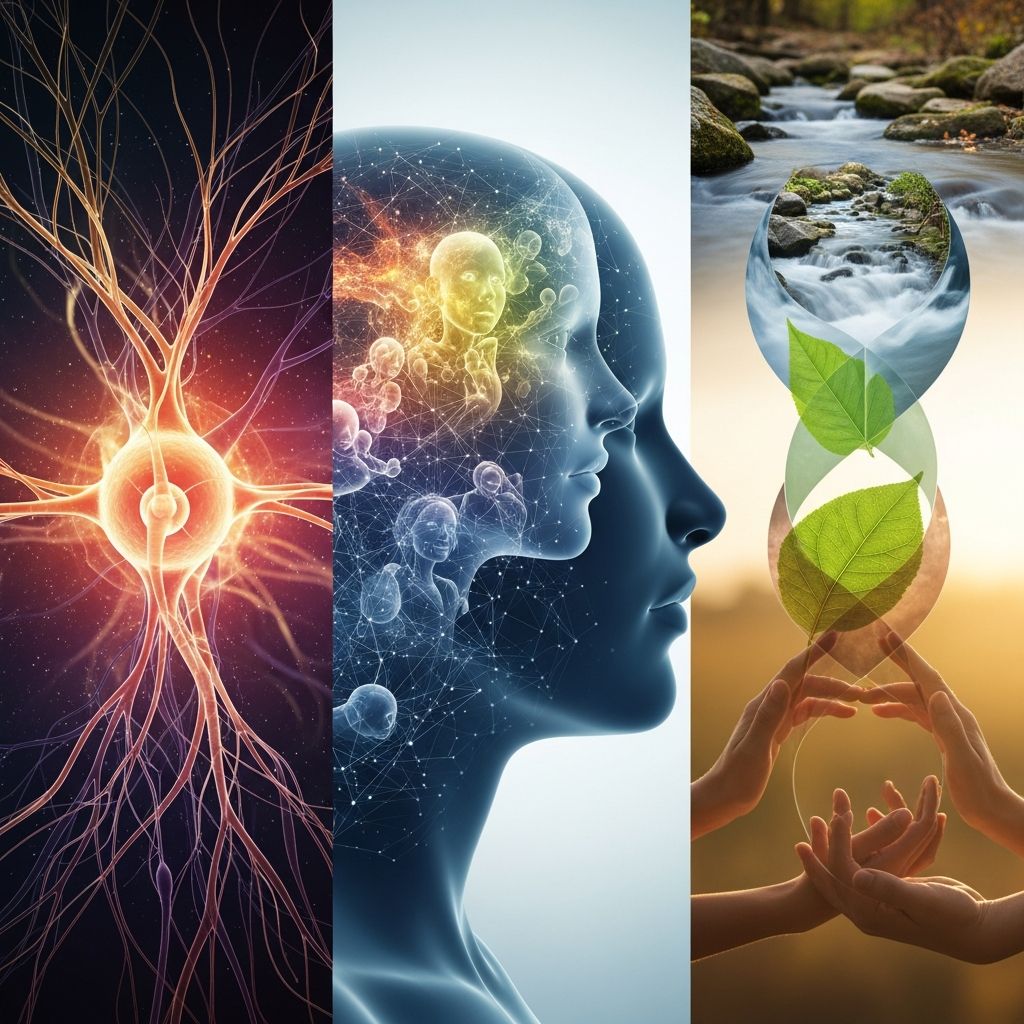
Sexual arousal is a multifaceted phenomenon that involves complex interactions between body and mind. Grounded in biology yet shaped by individual experience, understanding how arousal works can improve communication, deepen intimacy, and foster well-being.
1. The Physiology of Sexual Arousal
1.1 Hormonal Regulation
Key hormones such as testosterone, estrogen, and oxytocin play crucial roles in heightening sexual desire. Testosterone increases libido in all genders, while oxytocin, sometimes called the “bonding hormone,” promotes emotional closeness.
1.2 Neurological Pathways
The brain orchestrates the arousal response through the limbic system, triggering dopamine release in reward centers. Sensory input—from touch, sight, sound, or even imagination—activates neural circuits that lead to physical and emotional readiness.
1.3 Vascular and Muscular Changes
In response to neural signals, blood flow increases to genital tissues, causing erection in males and engorgement of clitoral and vaginal tissues in females. Pelvic floor muscles tense reflexively, preparing the body for potential sexual activity.
2. Psychological Factors Influencing Arousal
Beyond biology, mental and emotional factors shape how we experience arousal:
- Emotional Connection: Trust and intimacy with a partner enhance comfort and openness to sexual cues.
- Stress & Anxiety: High cortisol levels can inhibit desire by diverting resources away from reproductive functions.
- Memory & Fantasy: Positive past experiences or erotic imagination can prime the mind and body for arousal.
3. Common Myths & Misconceptions
- Myth: Arousal is purely physical.
Reality: Emotional and cognitive factors are often the primary triggers. - Myth: Spontaneous arousal happens equally for everyone.
Reality: Individual baseline libido varies widely due to genetics, health, and life stages. - Myth: Men are always ready for sex.
Reality: Men, too, experience fluctuations in desire influenced by stress, fatigue, and relationship dynamics.
4. Strategies for Healthy Arousal & Intimacy
4.1 Communication & Consent
Open dialogue about preferences, boundaries, and fantasies strengthens trust and ensures mutual satisfaction. Consent is an ongoing, enthusiastic agreement.
4.2 Mindfulness & Sensate Focus
Mindful attention to bodily sensations—through slow, non-goal-oriented touch—reduces performance pressure and elevates pleasure.
4.3 Lifestyle & Self-Care
Regular exercise, balanced nutrition, and quality sleep support hormonal balance and vascular health. Stress-management techniques—like meditation or deep breathing—can further improve sexual responsiveness.
5. When to Seek Professional Support
If persistent low desire or discomfort interferes with daily life or relationships, consulting a qualified sex therapist, urologist, gynecologist, or mental health professional can help identify underlying causes and effective treatments.
Conclusion
Sexual arousal is an intricate dance between body and mind. By understanding the underlying physiology, acknowledging psychological influences, debunking myths, and practicing healthy habits, individuals and couples can cultivate more fulfilling intimate experiences.