Bringing Healthcare to Where Students Learn
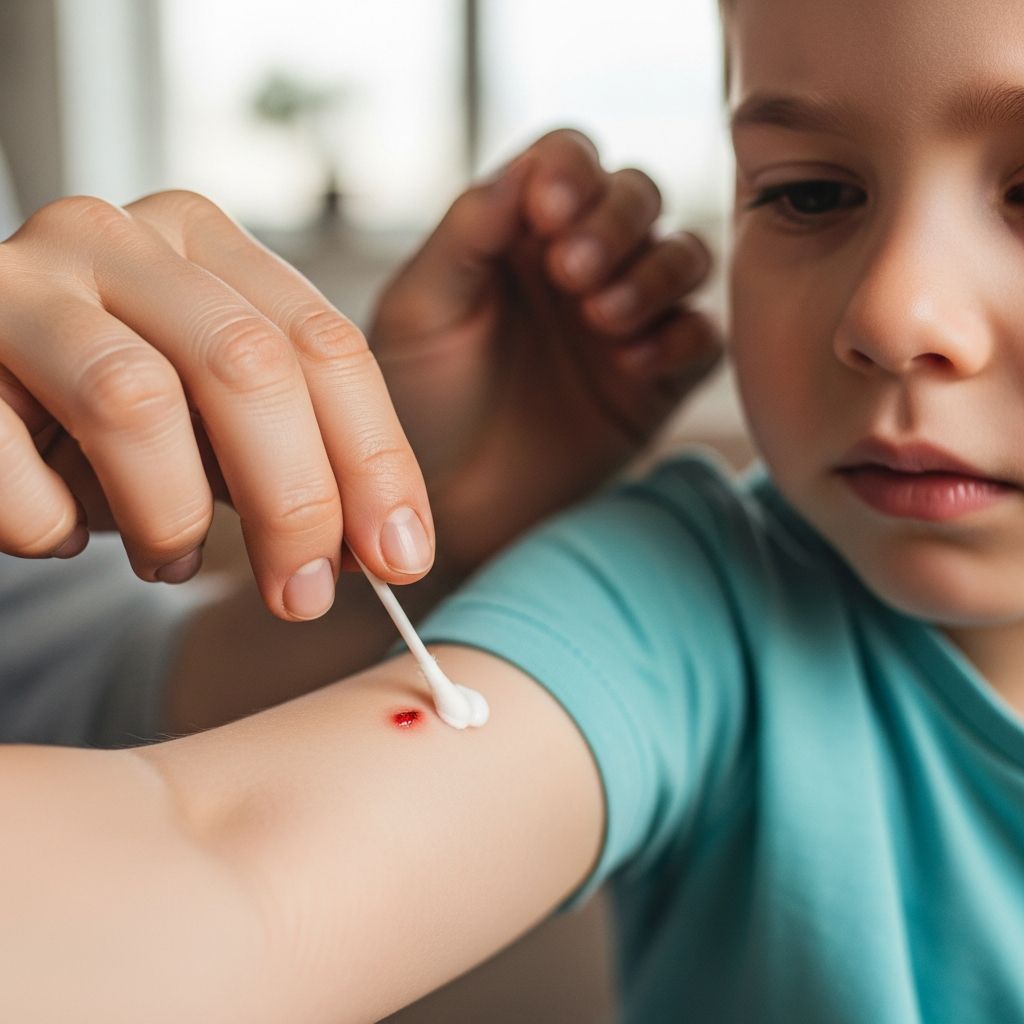
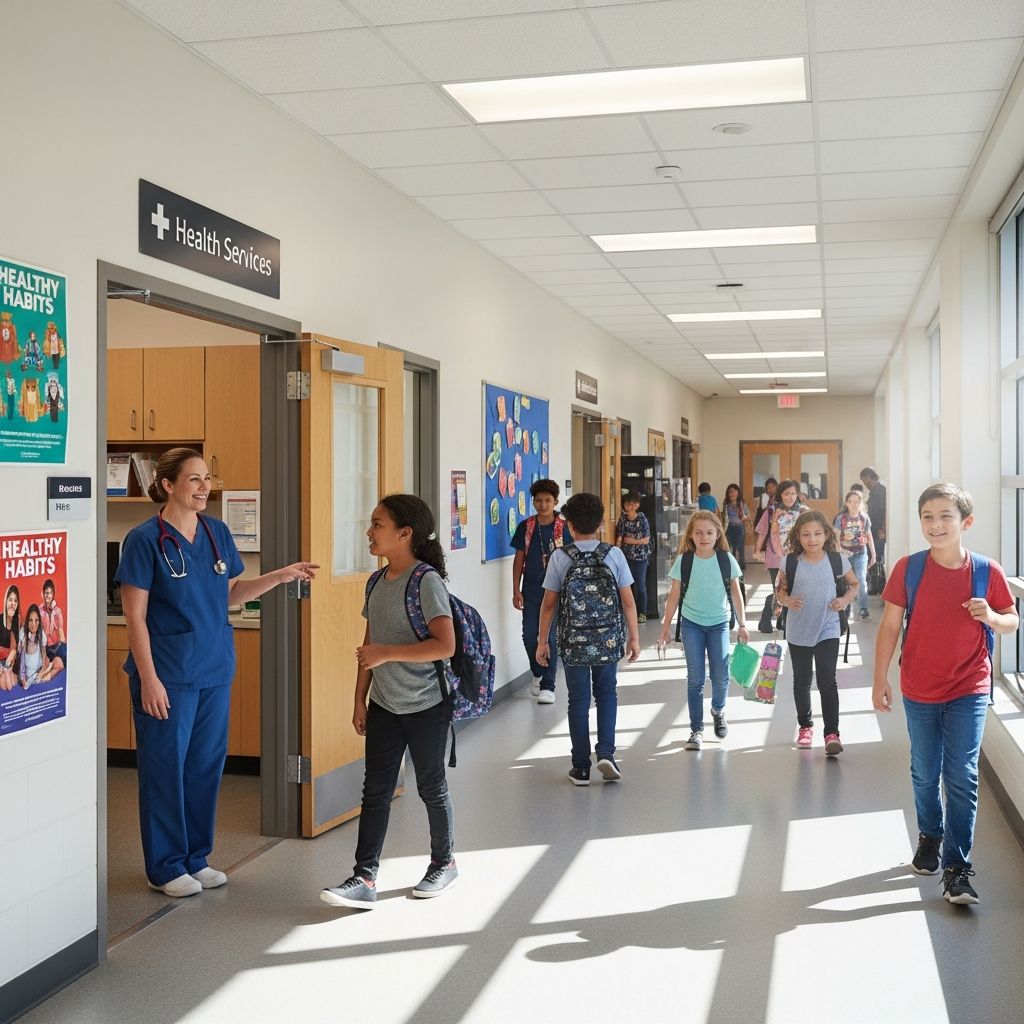
When healthcare services are accessible within the school environment, students no longer need to choose between attending class and receiving medical care. School-based health centers represent a transformative approach to student wellness by eliminating common barriers that prevent young people from accessing necessary healthcare. This model integrates medical, mental health, and preventive services into the school setting, creating a comprehensive support system that addresses both physical and emotional wellbeing during critical developmental years.
The fundamental principle behind bringing healthcare into schools is straightforward: students spend the majority of their waking hours in educational settings. By placing health services where students already are, schools remove transportation challenges, reduce missed instructional time, and create opportunities for early intervention before minor health concerns become serious problems.
Strengthening Academic Performance Through Health Services
Research consistently demonstrates a powerful connection between student health and academic success. When students have untreated health conditions, allergies, infections, or chronic illnesses, their ability to concentrate diminishes significantly. School-based health centers directly address this challenge by ensuring students remain physically and mentally capable of engaging with their education.
The academic benefits manifest in multiple measurable ways. Students who utilize school-based health services demonstrate:
- Higher grade point averages compared to peers without access to these services
- Improved grade promotion rates and reduced suspension incidents
- Lower high school dropout rates and increased graduation prospects
- Greater school engagement and connectedness to their educational community
- Enhanced academic outcomes for those receiving mental health support
When students receive timely treatment for infections, manage chronic conditions effectively, and address mental health concerns, they experience fewer disruptions to their learning. This consistency in attendance and cognitive function directly translates to improved academic achievement and better long-term educational outcomes.
Reducing Absenteeism and Improving Attendance
One of the most significant impacts of school-based health centers is their ability to keep students in classrooms rather than at home sick or at medical appointments. When students must leave campus for doctor visits, they lose instructional time that cannot easily be recovered. Additionally, when illness goes untreated, students miss even more school days.
By providing on-campus care, these centers eliminate the time required for transportation to medical facilities and waiting in clinical offices. Students can receive treatment during lunch periods or brief breaks, returning promptly to their classes. This approach particularly benefits families where working parents cannot easily take time off to accompany children to appointments.
The attendance improvements are substantial. Research shows that school-based health centers directly increase daily attendance rates, with particularly pronounced benefits for vulnerable populations including pregnant and parenting teenagers and students from low-income families. Higher attendance naturally leads to better academic performance, as students access more instruction and develop stronger classroom relationships.
Managing Chronic Conditions in the School Environment
Students living with chronic health conditions such as asthma, diabetes, and other ongoing medical needs face particular challenges in traditional school settings. Without immediate access to proper management and emergency support, these conditions can escalate into serious health crises.
School-based health centers excel at chronic disease management by providing:
- Regular monitoring and adjustment of treatment plans for conditions like asthma
- Education for students and families about disease management and prevention
- Immediate intervention when symptoms worsen, preventing emergency situations
- Coordination with specialists and primary care providers to ensure comprehensive care
- Training for school staff on recognizing and responding to health emergencies
The impact on asthma management specifically demonstrates the power of this model. Students receiving asthma care through school-based health centers experience 75-85% reductions in hospitalization rates. These programs improve the proper use of medications and breathing devices while reducing emergency room visits. For families, this translates to approximately $970 in annual savings per student with asthma through reduced emergency care and hospitalizations.
Expanding Access to Preventive and Routine Care
Many students from low-income families lack a regular source of healthcare. They may not receive routine vaccinations, dental check-ups, or health screenings that form the foundation of lifelong health. School-based health centers fill this critical gap by making preventive services immediately available to all students regardless of family income or insurance status.
Preventive care services provided through these centers include:
- Immunizations and vaccinations required for school enrollment and disease prevention
- Annual physical examinations and health screenings
- Dental evaluations and referrals for necessary treatment
- Vision and hearing assessments
- Early detection screening for chronic conditions and health risks
- Sexual and reproductive health education and services
Students with access to school-based health centers are significantly more likely to receive recommended preventive services compared to their peers. This early detection approach prevents minor health issues from developing into serious conditions requiring expensive emergency treatment.
Supporting Mental Health and Emotional Wellbeing
Mental health challenges profoundly impact academic performance, school attendance, and overall development. Yet many students never access mental health services due to stigma, cost, or lack of available providers in their communities. School-based health centers normalize mental health care by providing these services in familiar, comfortable settings.
Mental health support within schools includes counseling, therapy, and psychiatric services. Research demonstrates that students receiving mental health services at school improve their grades more rapidly than peers without these services and often achieve higher grade point averages. The convenience of on-campus access removes barriers that would otherwise prevent students from receiving necessary psychological support.
Beyond individual therapy, school-based health centers often offer educational programming around mental health literacy, stress management, and social-emotional skills. These activities benefit the entire student body, not just those using direct services.
Reproductive Health Education and Services
Adolescence brings significant reproductive health questions and concerns. School-based health centers provide comprehensive sexual health education and services that support healthy decision-making during these formative years.
These services encompass:
- Evidence-based sexual health education curriculum
- Screening and treatment for sexually transmitted infections
- Contraceptive counseling and provision of birth control methods
- Prenatal care and support for pregnant students
- Counseling that supports abstinence, protection, and responsible decision-making
Research indicates that students with access to these services are significantly more likely to use protection, make informed decisions about sexual activity, and receive prenatal care when pregnant. This comprehensive approach contributes to better health outcomes and supports academic continuation for students navigating reproductive health challenges.
Reducing Unnecessary Emergency Department Utilization
Without accessible primary care, families often resort to emergency departments for non-urgent health concerns. This pattern wastes healthcare resources and creates extended wait times that delay care for true emergencies. School-based health centers establish consistent, accessible points of entry into the healthcare system, reducing reliance on emergency care.
By providing regular preventive care and treatment for acute illnesses before they worsen, these centers decrease emergency room visits and hospitalizations. Research demonstrates substantial reductions in emergency department utilization across all conditions, with even greater reductions in hospitalizations. This shift from reactive emergency care to proactive prevention and early treatment improves patient outcomes while reducing overall healthcare costs.
Building Bridges Between Schools, Families, and Healthcare Providers
School-based health centers function as coordinating hubs that strengthen communication among students, educators, parents, and healthcare providers. This coordination ensures that health information is shared appropriately and that all parties work toward consistent health and educational goals.
Coordinated care approaches involve:
- Regular communication between school nurses, teachers, and health center providers about student health needs
- Collaboration with families to understand health history and reinforce health education at home
- Connection with community healthcare providers and specialists for continuity of care
- Information sharing that respects student privacy while ensuring appropriate support
- Joint planning by school staff and healthcare professionals to address health-related barriers to learning
This integrated model recognizes that student health cannot be effectively managed in isolation. When schools, families, and healthcare providers work together with aligned information and goals, students receive more comprehensive, consistent support.
Economic Benefits for Families and Communities
Beyond health and academic improvements, school-based health centers provide substantial economic benefits to families and employers. Parents no longer need to take time off work to accompany children to medical appointments, reducing lost productivity and income. Families benefit from free or low-cost services at the point of care, eliminating financial barriers to health management.
Healthcare costs decrease when emergency utilization drops and chronic conditions are managed effectively. States that implement school-based health centers and enroll them as Medicaid providers demonstrate higher overall student achievement, reflecting the comprehensive impact of improved access.
Equity and Access for Underserved Populations
School-based health centers are particularly important in low-income communities and areas with large populations of racial and ethnic minorities, where barriers to healthcare access are greatest. By locating health services in schools serving these populations, centers help advance health equity and reduce disparities.
These centers increase access for vulnerable youth who historically lack routine preventive care and primary care relationships. They address cultural, financial, transportation, and privacy barriers that prevent families from seeking care elsewhere. This equitable access supports social mobility by ensuring that all students, regardless of economic circumstances, can address health obstacles to educational achievement.
Extended Hours and Comprehensive Services Enhance Effectiveness
Research indicates that school-based health centers with extended operating hours and broader ranges of services produce greater health and academic improvements. Centers offering more comprehensive services can address diverse student needs within a single location, improving convenience and care coordination.
The most effective centers typically offer medical services, mental health and behavioral health services, dental care when possible, and health education programming. Extended availability ensures that services are accessible before school begins, after dismissal, and potentially during evening or weekend hours when students and families have greater flexibility.
Frequently Asked Questions
Are school-based health centers only for students with serious illnesses?}
No. While these centers do manage serious conditions, they primarily focus on preventive care, routine check-ups, and early intervention. They treat minor illnesses like colds and infections, manage chronic conditions, and provide health education for all students, regardless of health status.
Do parents need to be present for their child to receive care at a school-based health center?
This varies by center and service type. For most routine care and preventive services, parental presence is not required, though parents must provide informed consent. Emergency situations are handled according to school and medical protocols. Parents are typically notified about services received and any significant health findings.
What happens if a student needs specialized care beyond what the school-based center offers?
School-based health centers coordinate with specialists and primary care providers in the community. They serve as a first point of access and help connect students to specialized services when needed, ensuring continuity of care.
How do school-based health centers maintain student privacy?
These centers are bound by the same confidentiality laws and ethical standards as traditional healthcare providers. Student health information is protected and shared only with appropriate school personnel and providers as needed for educational and health support.
Is there a cost to students and families for school-based health center services?
Most school-based health centers provide services free at the point of service. Many accept Medicaid and other insurance when available, but lack of insurance or inability to pay does not prevent students from receiving care.
References
- School-Based Health Centers – Education Plus Health — Education Plus Health. 2024. https://educationplushealth.com/school-based-health-centers/
- Benefits of SBHCs – Washington School-Based Health Alliance — Washington School-Based Health Alliance. 2024. https://wasbha.org/why-sbhcs/
- School-Based Health Centers to Advance Health Equity — National Institutes of Health, National Center for Biotechnology Information. 2018. https://pmc.ncbi.nlm.nih.gov/articles/PMC5759331/
- How School-Based Health Care Helps Children — Nationwide Children’s Hospital. 2024. https://www.nationwidechildrens.org/about-us/collaboratory/improving-neighborhoods/how-school-based-care-helps-children
- School-based health centers – County Health Rankings & Roadmaps — County Health Rankings & Roadmaps. 2024. https://www.countyhealthrankings.org/strategies-and-solutions/what-works-for-health/strategies/school-based-health-centers
- Why School-Based Health Centers & Wellness Centers? — School-Based Health Centers and Wellness Centers. 2024. https://www.schoolhealthcenters.org/resource/why-sbhcs/
- Intro to School Health Services — Healthy Students, Promising Futures. 2024. https://healthystudentspromisingfutures.org/intro-to-school-health-services/