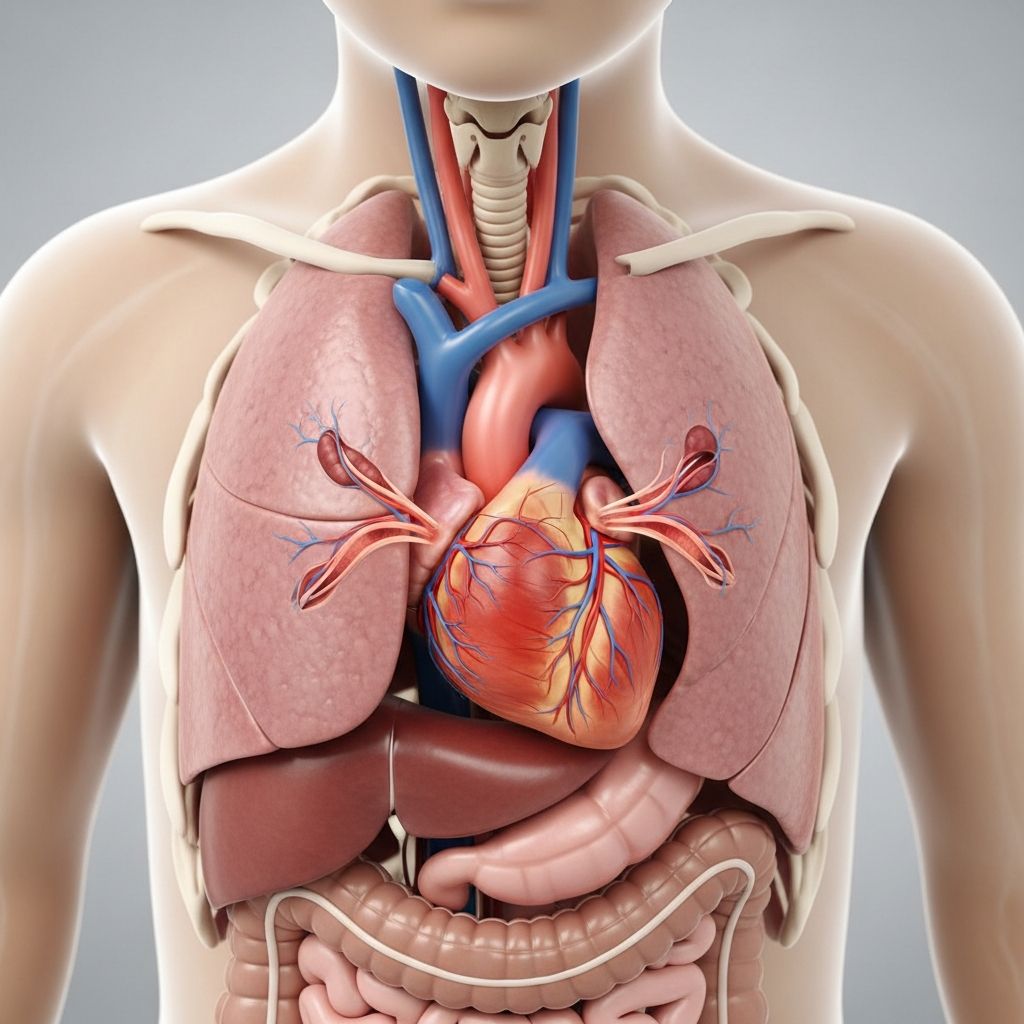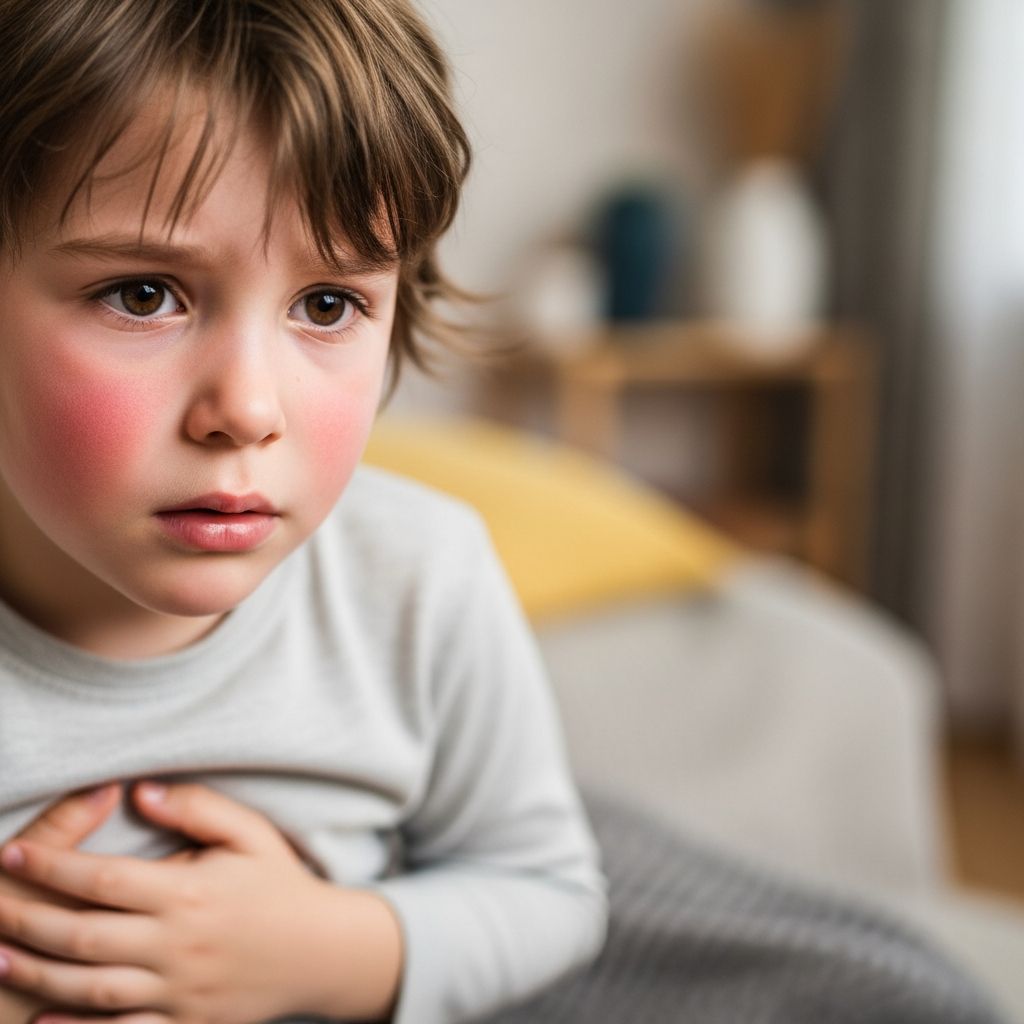
When a child suddenly develops stomach pain, vomiting, and diarrhea, it can be alarming for any parent or caregiver. One common cause of these symptoms is enteritis, an inflammation of the small intestine that often overlaps with what many people call the “stomach flu” or gastroenteritis.
This comprehensive guide explains what enteritis is, how it affects children, how to care for a sick child at home, and when to seek urgent medical help.
What Is Enteritis?
Enteritis means inflammation of the small intestine. In children, it is most often caused by infections from viruses, bacteria, or parasites that enter through contaminated food, water, or contact with infected people.
When the small intestine becomes inflamed, it does not absorb fluid and nutrients properly. This leads to diarrhea, sometimes vomiting, abdominal discomfort, and risk of dehydration.
Enteritis vs. “Stomach Flu”
- Enteritis: Inflammation focused on the small intestine.
- Gastroenteritis: Inflammation of the stomach and intestines (including the small intestine) that causes vomiting, diarrhea, or both.
In everyday language, people often use terms like “stomach bug” or “stomach flu” to describe both enteritis and broader gastroenteritis, especially when children have acute vomiting and diarrhea.
Common Causes of Enteritis in Kids
In children, enteritis is most often infectious and spreads easily in households, schools, and daycare settings.
1. Viral Infections
Viruses are the leading cause of infectious enteritis and gastroenteritis in children. They spread through contact with infected stool or vomit, contaminated surfaces, and sometimes through contaminated food or water.
- Norovirus – Now the most common cause of gastroenteritis in all age groups, including children; very contagious and often associated with outbreaks.
- Rotavirus – Previously a major cause of severe diarrhea in infants and young children; vaccines have greatly reduced severe disease.
- Other intestinal viruses that may cause similar symptoms.
2. Bacterial Infections
Certain bacteria can infect the intestines and cause more severe symptoms such as high fever or bloody diarrhea.
- Salmonella
- Campylobacter
- Shigella
- Certain strains of E. coli
These bacteria are commonly linked to undercooked meat, eggs, unpasteurized milk or juices, contaminated water, or food handled without proper handwashing.
3. Parasitic Infections
Parasites that cause enteritis are less common but can be important, especially with contaminated water or in childcare settings.
- Giardia intestinalis (giardiasis) – Often spread through contaminated water or close person-to-person contact.
- Cryptosporidium parvum – Can spread in pools, childcare centers, and contaminated water supplies.
4. Noninfectious Causes
While infections are the most frequent cause, some children may develop enteritis from other conditions.
- Inflammatory bowel diseases like Crohn disease that chronically inflame the digestive tract.
- Celiac disease, in which gluten triggers immune damage in the small intestine.
- Radiation therapy for cancer, which can irritate the small intestine.
- Certain medicines (for example, nonsteroidal anti-inflammatory drugs) that can injure the intestinal lining.
Typical Symptoms in Children
Symptoms depend on the cause and severity of the inflammation, but common features in children include:
- Watery diarrhea (sometimes frequent)
- Vomiting or nausea
- Stomach or abdominal cramps
- Fever (can be mild or high, depending on the cause)
- Loss of appetite
- General tiredness, irritability, or reduced activity
The most serious risk for children with enteritis is dehydration — losing too much fluid and salts through diarrhea and vomiting.
Warning Signs of Dehydration
Parents and caregivers should watch closely for signs that a child is not getting enough fluids:
- Very dry mouth or tongue
- Crying with few or no tears
- Peeing less often than usual (fewer wet diapers)
- Dark yellow urine
- Cool, pale hands and feet
- Sunken eyes or sunken soft spot on the head in infants
- Unusual sleepiness, drowsiness, or fussiness
How Doctors Diagnose Enteritis
Many children with mild symptoms do not need extensive testing. A health professional usually starts with:
- Questions about symptoms, length of illness, and exposures (such as sick contacts or travel)
- Physical examination to check for abdominal tenderness, fever, and dehydration
Depending on the situation, the provider may order tests such as:
- Stool tests to look for viruses, bacteria, parasites, or blood
- Blood tests if the child is severely ill, very dehydrated, or has prolonged symptoms
- Other investigations if chronic diseases (such as inflammatory bowel disease or celiac disease) are suspected
Home Care and Medical Treatment
Most children with mild enteritis can be treated safely at home with careful attention to fluids and rest.
Core Goals of Treatment
- Prevent and treat dehydration
- Relieve discomfort such as cramps or mild fever
- Address the underlying cause when needed (for example, antibiotics for some bacterial infections)
Oral Rehydration: The Most Important Step
For children with diarrhea and vomiting, health organizations recommend oral rehydration solutions (ORS) to replace lost fluids and salts.
- ORS products contain the right balance of water, sugar, and electrolytes to help absorption in the gut.
- They can be given in small, frequent sips, especially if the child is vomiting.
- Commercial sports drinks, sodas, or juices usually do not have the ideal balance of salts and sugar for young children with significant diarrhea.
Food and Feeding
- If a child is breastfeeding, continue breastfeeding while also offering ORS as advised by a health professional.
- Once vomiting improves, most children can return to their regular age-appropriate diet, avoiding very sugary or fatty foods at first.
- Prolonged fasting is generally not necessary and may not help recovery.
Medications: What Parents Should Know
- Antidiarrheal medicines are sometimes used in adults but are generally not recommended in young children unless a doctor specifically advises them.
- Antibiotics may be prescribed for certain bacterial infections, but they are not useful for viruses and are not needed in most uncomplicated cases.
- Fever reducers such as acetaminophen may be recommended for comfort; always follow pediatric dosing guidance and consult your child’s doctor.
When to Call the Doctor or Seek Emergency Care
Parents should contact a health professional promptly if a child with enteritis has any of the following:
- Signs of dehydration (very dry mouth, no tears, very few wet diapers, extreme sleepiness or fussiness)
- Persistent vomiting, or inability to keep any fluids down
- Diarrhea lasting more than 3–4 days
- Fever above about 101°F (38.3°C), especially if it lasts or the child appears very unwell
- Blood in the stool or black, tarry stools
- Severe or worsening belly pain
- Child is very drowsy, difficult to wake, or unusually irritable
- Recent international travel, especially to areas with poor sanitation
- Underlying chronic illnesses that increase risk, such as immune problems or inflammatory bowel disease
Emergency care is needed immediately if a child shows signs of severe dehydration, confusion, difficulty breathing, or a bluish color around the lips or face.
Possible Complications
Most children recover fully from infectious enteritis within a few days, but complications can occur, especially if dehydration is not treated.
- Moderate to severe dehydration requiring intravenous fluids in hospital
- Electrolyte imbalances (such as low sodium or potassium)
- Weight loss and temporary poor appetite
- Rarely, kidney problems (for example, hemolytic-uremic syndrome with certain E. coli infections)
- Prolonged or recurrent symptoms with underlying inflammatory or autoimmune conditions
Prevention Tips for Families
While not all cases of enteritis can be avoided, parents can reduce the risk significantly with everyday measures.
Hygiene and Handwashing
- Teach children to wash their hands thoroughly with soap and water, especially after using the toilet and before eating.
- Encourage caregivers and siblings to do the same, particularly after changing diapers or helping a sick child.
- Clean and disinfect frequently touched surfaces and bathroom areas when someone in the home has diarrhea or vomiting.
Food and Water Safety
- Cook meat, poultry, and eggs thoroughly.
- Avoid unpasteurized milk, juices, or undercooked animal products.
- Rinse fruits and vegetables well.
- Use safe drinking water; when traveling, follow local health advice about water and ice.
Vaccination
- Rotavirus vaccines, given in infancy, have greatly reduced severe rotavirus-related diarrhea and hospitalizations in many countries.
- Following national immunization schedules helps protect children from major causes of severe enteritis.
Quick Symptom and Care Reference Table
| Situation | What Parents Often See | Suggested Action |
|---|---|---|
| Mild viral enteritis | Loose stools, mild vomiting, low fever, child still drinking and somewhat playful | Offer oral rehydration solution, continue feeding as tolerated, monitor at home, call doctor if symptoms worsen. |
| Dehydration developing | Dry mouth, fewer wet diapers, dark urine, more tired or fussy | Increase ORS; contact pediatrician the same day for guidance. |
| Possible bacterial infection | High fever, blood in stool, strong abdominal pain | Call doctor promptly; evaluation and possible stool tests or antibiotics may be needed. |
| Severe dehydration or very ill child | Very lethargic, hard to wake, no urine for many hours, cool or mottled skin | Seek emergency medical care immediately for possible IV fluids and close monitoring. |
Frequently Asked Questions (FAQs)
How long does enteritis usually last in children?
Most viral cases improve within 1–3 days, though mild diarrhea may last up to a week. Bacterial or parasitic infections, or enteritis caused by chronic diseases, may last longer and need medical evaluation.
Can my child go to school or daycare with enteritis?
Children with vomiting, significant diarrhea, or fever should stay home. They can usually return once they are fever-free, feeling well enough to participate, and no longer having frequent loose stools, following local public health and school policies.
Is “stomach flu” the same as influenza?
No. The term “stomach flu” usually refers to viral gastroenteritis or enteritis, which affects the digestive tract. Influenza is a respiratory illness that mainly affects the lungs and airways.
Should I give my child anti-diarrhea medicine?
Over-the-counter anti-diarrheal medicines can be unsafe or unhelpful for young children and are not routinely recommended unless a health professional specifically advises their use. Focus on fluids and call your child’s doctor for guidance.
When should a child with diarrhea be seen in a hospital?
Children who cannot keep fluids down, show signs of significant dehydration, are extremely drowsy or difficult to wake, or have blood in the stool or severe pain should be evaluated urgently, often in an emergency department for possible intravenous fluids and monitoring.
References
- Enteritis — MedlinePlus Medical Encyclopedia. 2023-05-02. https://medlineplus.gov/ency/article/001149.htm
- Enteritis (Inflammation of the Small Intestine) — Cleveland Clinic. 2022-03-03. https://my.clevelandclinic.org/health/diseases/23049-enteritis-inflammation-small-intestine
- Gastroenteritis in Children — Merck Manual Consumer Version. 2023-01-01. https://www.merckmanuals.com/home/children-s-health-issues/gastrointestinal-disorders-in-children/gastroenteritis-in-children
- Gastroenteritis in Children — American Academy of Family Physicians. 2019-02-01. https://www.aafp.org/pubs/afp/issues/2019/0201/p159.html
- Gastroenteritis in children — Better Health Channel, Victorian Government. 2022-07-01. https://www.betterhealth.vic.gov.au/health/conditionsandtreatments/gastroenteritis-in-children
- Viral gastroenteritis (stomach flu) – Symptoms and causes — Mayo Clinic. 2023-01-21. https://www.mayoclinic.org/diseases-conditions/viral-gastroenteritis/symptoms-causes/syc-20378847