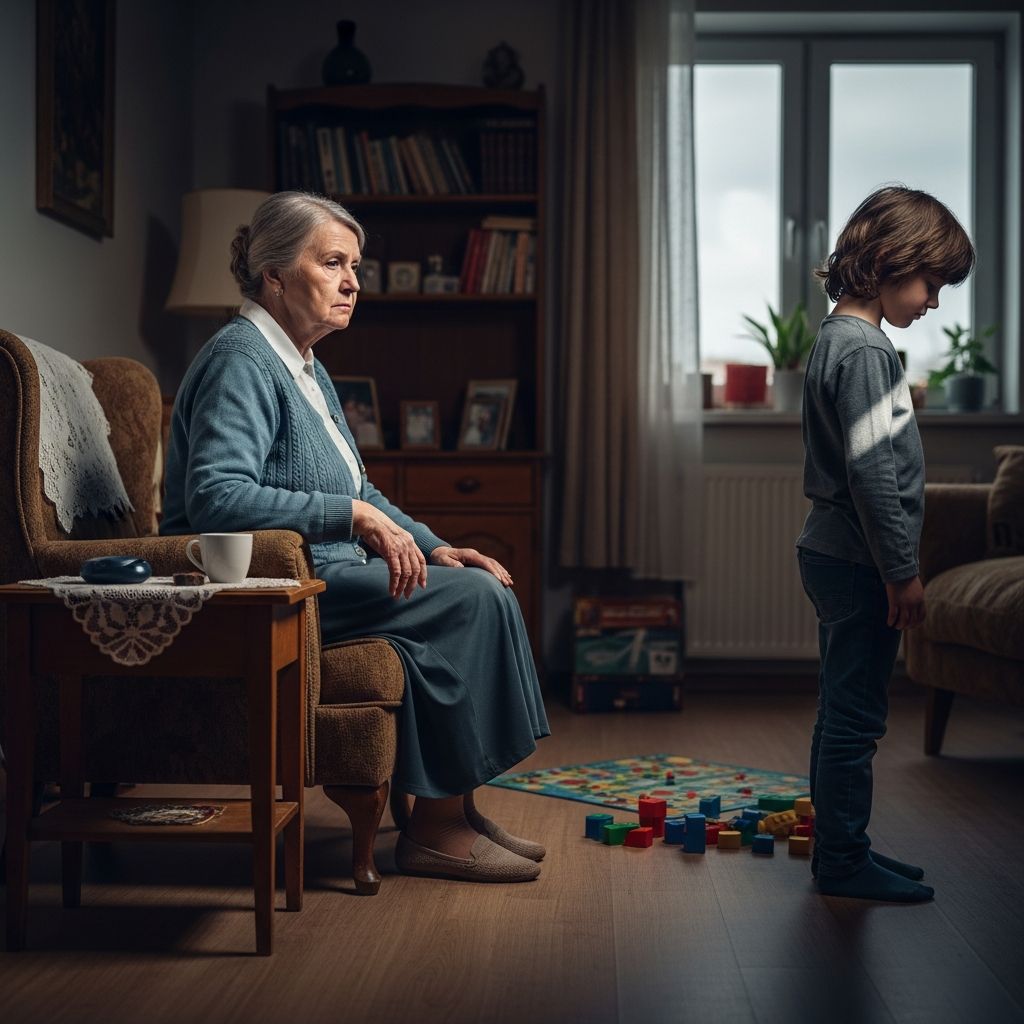
Pregnancy loss, including miscarriage and stillbirth, affects millions of couples worldwide, often leading to profound emotional challenges that test relationship foundations. Research indicates that such losses increase the risk of relationship dissolution by significant margins, highlighting the need for awareness and support.
Defining Pregnancy Loss and Its Scope
Miscarriage refers to the loss of a pregnancy before 20 weeks of gestation, while stillbirth occurs after 20 weeks but before birth. These events impact approximately 16% and 2% of pregnancies, respectively, based on large-scale surveys. The emotional weight of these losses can linger, influencing not just individual mental health but also the dynamics between partners.
Couples may experience heightened stress, differing grief responses, and communication breakdowns. Understanding these definitions helps frame the broader implications for family stability and emotional recovery.
Statistical Insights into Relationship Risks
A landmark study analyzing 7,770 pregnancies from the National Survey of Family Growth found that women who experienced miscarriage faced a 22% higher hazard of relationship ending compared to those with live births (hazard ratio: 1.22, 95% CI: 1.08-1.38). For stillbirths, the risk was even greater at 40% (hazard ratio: 1.40, 95% CI: 1.10-1.79).
| Type of Loss | Increased Breakup Risk | Duration of Elevated Risk | Source |
|---|---|---|---|
| Miscarriage (<20 weeks) | 22% | Peaks at 18 months to 3 years | |
| Stillbirth (≥20 weeks) | 40% | Up to 10 years | |
| Live Birth (Control) | Baseline | N/A |
These figures controlled for factors like age, education, and prior relationship history, underscoring a direct link between loss and relational strain. The study’s median follow-up of 7.8 years provides robust evidence of long-term effects.
How Grief Differentially Affects Partners
Men and women often grieve pregnancy loss differently, which can exacerbate tensions. Women may experience more intense depression, anxiety, or post-traumatic stress, particularly after stillbirths. Men, meanwhile, might suppress emotions or focus on practical support, leading to perceptions of emotional unavailability.
- Women’s Common Responses: Intense sorrow, guilt, hormonal shifts contributing to mood instability.
- Men’s Common Responses: Stoicism, problem-solving orientation, potential for delayed grief.
- Shared Challenges: Sexual intimacy issues, avoidance of future pregnancy discussions.
This divergence can foster resentment if not addressed, as one partner feels unsupported while the other feels overwhelmed. Experts note that unaligned coping styles heighten conflict risks during this vulnerable period.
Long-Term Emotional and Relational Consequences
The ripple effects of pregnancy loss extend beyond immediate grief. For miscarriage, breakup risks peak between 18 months and three years post-loss, then normalize. Stillbirths pose prolonged threats, with elevated risks persisting nearly a decade, allowing deeper attachment before the loss.
Additional strains include infertility treatments amplifying emotional investment, chronic conditions correlating with both loss and instability, or pre-existing relational weaknesses. Despite these risks, most couples demonstrate resilience, with many growing closer through shared adversity.
Real-Life Stories of Resilience and Struggle
Consider couples like Wendy Becker, who miscarried at 14 weeks despite having three children. The loss intensified her grief, knowing each child’s uniqueness, yet her marriage endured with open communication. Such narratives illustrate that while statistics highlight risks, individual outcomes vary widely based on support systems and coping mechanisms.
Public figures sharing experiences normalize these struggles, encouraging dialogue. Stories of perseverance emphasize therapy, mutual validation, and time as key to rebuilding bonds.
Practical Strategies for Couples Facing Loss
To safeguard relationships, experts recommend proactive steps:
- Open Communication: Schedule regular check-ins to express feelings without judgment.
- Professional Support: Seek couples counseling or grief therapy early.
- Self-Care Rituals: Engage in joint activities like walks or memorials to honor the loss.
- Intimacy Rebuilding: Address physical and emotional barriers gradually.
- Future Planning: Discuss pregnancy intentions collaboratively, avoiding pressure.
Healthcare providers should screen for relational risks and refer to resources, recognizing that 15% of pregnancies end in miscarriage alone.
The Role of Healthcare and Community Support
Physicians and counselors play crucial roles in mitigating fallout. Studies urge awareness of dissolution risks, especially for cohabiting pairs who face similar elevations despite baseline instability. Community groups, faith-based support, and online forums provide validation, reducing isolation.
For high-risk cases—like repeat losses or infertility contexts—tailored interventions are vital. Paternal involvement in grief processes also merits attention, as emerging research explores men’s unique contributions.
Frequently Asked Questions (FAQs)
Does miscarriage always lead to relationship problems?
No, most couples navigate miscarriage successfully, but a subset faces 22% higher breakup risk, peaking 18 months to 3 years later.
How long do relationship risks last after stillbirth?
Risks remain elevated up to 10 years, due to prolonged attachment periods.
Why do men and women grieve differently?
Societal norms, hormonal factors, and coping styles differ; women often express more openly, men internalize.
Can counseling prevent breakups after loss?
Yes, early therapy addressing mismatched grief helps many couples strengthen bonds.
Are cohabiting couples at higher risk than married ones?
Baseline risks differ, but relative increases post-loss are similar for both.
Paths Forward: Building Stronger Connections Post-Loss
While pregnancy loss poses real threats, it also offers opportunities for deeper empathy and unity. Couples who prioritize mutual support, professional help, and patience often emerge resilient. Recognizing signs of strain—such as withdrawal or conflict—early enables intervention before escalation.
Societal shifts toward open discussions destigmatize loss, fostering environments where healing thrives. By integrating research insights with compassionate action, couples can transform tragedy into testimony of enduring love.
(Word count: 1678)
References
- For Many Couples, Toll of Miscarriage Lingers — HealthDay. 2010-04-05. https://www.healthday.com/health-news/sexual-health/for-many-couples-toll-of-miscarriage-lingers-637697.html
- Miscarriages and Stillbirths Put Some Couples at Risk — ForYourMarriage.org. N/A. https://www.foryourmarriage.org/blogs/miscarriages-and-stillbirths-put-some-couples-at-risk/
- Marriage and cohabitation outcomes after pregnancy loss — Pediatrics (PubMed). 2010-04-05. https://pubmed.ncbi.nlm.nih.gov/20368319/
- Ending the Silence: How Miscarriage Impacts Your Relationship — Healthline. N/A. https://www.healthline.com/health/pregnancy/how-miscarriage-impacts-your-relationship
- The paternal role in pregnancy loss — Wiley Online Library. 2022. https://onlinelibrary.wiley.com/doi/10.1111/andr.13603