Chicago is a city that rewards curiosity. For kids, it can feel like one giant playground made of shimmering skyscrapers, sandy beaches, train lines that rumble overhead, and museums where science and history come to life. Instead of racing through a checklist of tourist stops, this bucket list is designed to help families savor the city in layers—season by season, neighborhood by neighborhood, and stage by stage as your children grow.
Use this guide as a long-term roadmap, not a one-week sprint. Pick a few ideas that match your kids’ ages, revisit your favorites as they grow older, and build your own family traditions along the way.
Citywide Bucket List at a Glance
Before diving into details, here is a quick overview of the kinds of experiences that can shape a Chicago childhood.
- Lakefront days: sand, bikes, playgrounds, and skyline views.
- Hands-on museums: science, nature, history, and art for every age.
- Neighborhood explorations: local parks, bakeries, and community festivals.
- Only-in-Chicago moments: iconic architecture, sports, and theater.
- Seasonal traditions: winter lights, summer concerts, fall foliage, and spring blooms.
Lakefront Adventures for Every Age
Chicago’s lakefront is where city energy meets wide-open horizons. For families, it can easily become a second backyard, changing character with the weather and your kids’ interests.
From stroller walks along the paved paths to teen bike rides that stretch for miles, Lake Michigan offers a flexible backdrop for low-cost, high-memory outings all year long.
Ideas for Lakefront Days
- Plan a “lake day” with a simple rule: no streets, only lakefront paths. Walk, scoot, or bike between playgrounds and green spaces, stopping for snacks, rock-collecting, and photos of the skyline.
- Pick one beach each summer to “adopt” as your family’s spot—visit in different seasons to see how it changes with waves, ice, and crowds.
- Bring simple gear: a kite on windy days, a soccer ball for the grassy fields, or a sketchbook so kids can try drawing the skyline from different angles.
Playgrounds, Parks, and Urban Nature Escapes
Chicago’s network of parks gives kids a chance to climb, dig, run, and explore without leaving the city. Some are destination playgrounds; others are small, tree-lined gems tucked into quiet residential blocks.
Rotate between big-name parks and neighborhood green spaces so your children learn to appreciate both the spectacular and the everyday.
How to Make Parks Feel Special
- Host a “park passport” challenge: print or draw a simple grid and write in the name of each park you visit, letting kids add stickers or doodles after each outing.
- Choose one park each month and stay for longer than usual—bring a picnic, a chapter book, and a simple nature scavenger hunt to stretch the experience.
- Visit the same playground in different weather: early spring puddles, summer splash pads, fall leaf piles, and winter sledding hills can all feel like new adventures.
Sample Park Day Itinerary
| Time of Day | Activity | Kid Focus |
|---|---|---|
| Morning | Playground time, swings, and slides | Burning energy, social play |
| Midday | Picnic lunch under a tree | Family conversation, rest |
| Afternoon | Nature walk and scavenger hunt | Observation skills, curiosity |
Hands-On Museums and Indoor Wonders
When the weather turns icy or stormy, Chicago’s museums become the city’s indoor playgrounds. From tinkering with simple machines to standing under giant dinosaur skeletons, kids can touch, explore, and experiment instead of just reading signs.
The key is to think in terms of themes—science, history, art—rather than trying to “do it all” in one exhausting day.
Making Museum Visits Kid-Friendly
- Set one or two goals per visit, such as “find three exhibits about space” or “visit every hands-on station in one gallery,” and leave when the kids are satisfied, not when every room has been checked.
- Let older children carry a small notebook to track questions that come up, then look up answers together at home or on the train ride back.
- Turn repeat visits into a tradition—such as an annual science outing at the start of the school year—so kids notice new details each time.
Chicago’s Living Classrooms: Zoos, Aquariums, and Nature Centers
Animals have a unique way of cutting through boredom and making science feel immediate. Whether your child is into insects, birds, reptiles, or big mammals, Chicago offers plenty of opportunities to see wildlife up close.
These trips can double as gentle lessons in conservation, empathy, and the responsibilities that come with caring for living things.
Ideas for Animal-Loving Kids
- Create a “Chicago species list” in a small journal, including both wild animals (like squirrels and geese) and those seen in zoos or aquariums.
- Compare habitats: ask kids to notice how animals’ spaces look different in a nature center versus an aquarium or zoo, and which ones they think look most comfortable.
- Follow your child’s curiosity—if they light up at butterflies or penguins, let that shape where you go next.
Skyline Moments and City Views
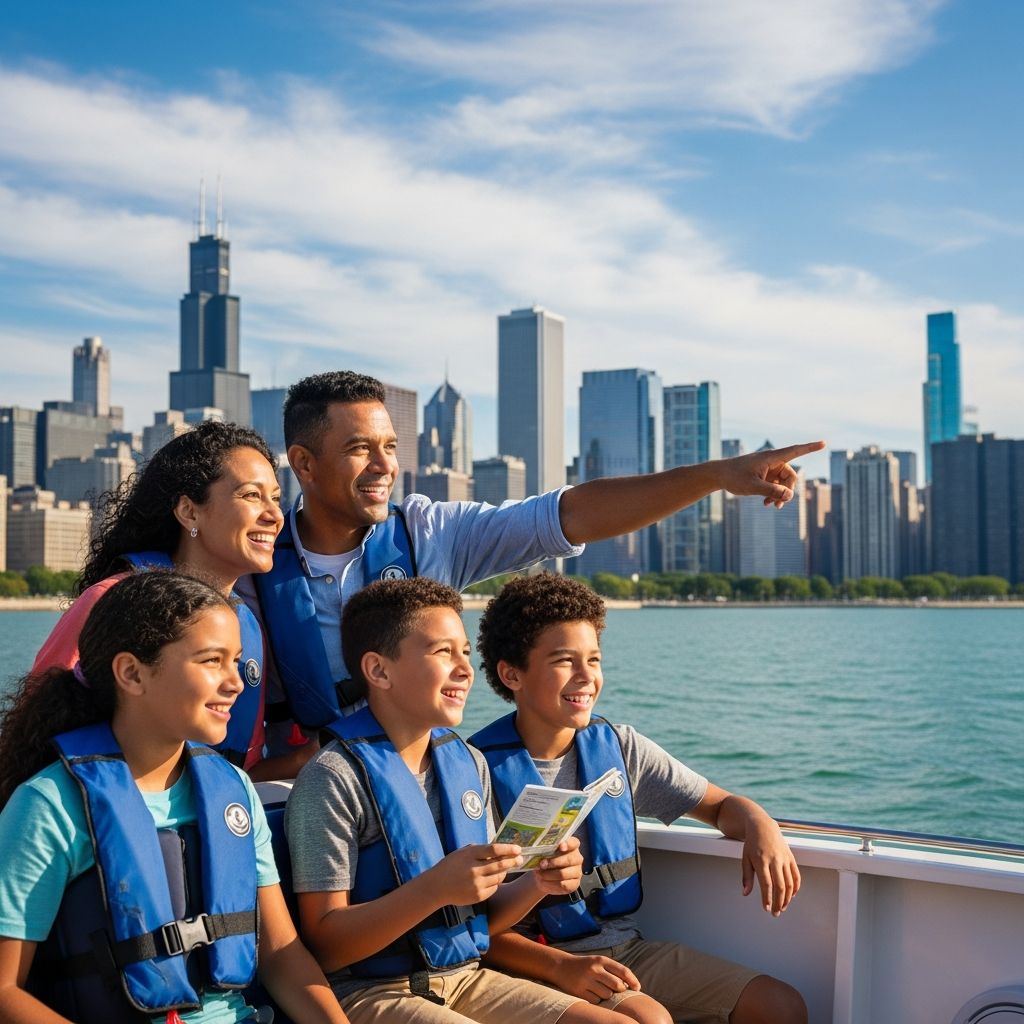
Part of the magic of growing up in Chicago is realizing that you live inside a skyline other people fly across the world to see. Taking time to actually look at that skyline, from different angles and heights, helps kids build pride and a sense of place.
Whether from lakeside paths, riverfront walkways, or observation decks high above the streets, these views are an easy way to mark milestones and birthdays.
Fun Ways to Enjoy the View
- Choose one evening each year for a “city lights walk,” staying out a bit later than usual to watch the sun set behind the buildings.
- Turn an elevator ride to a high floor into a mini-lesson on how tall buildings stand up to wind, or how the river once shaped the city’s growth.
- Let kids take their own photos of the skyline from multiple spots and create a simple collage at home.
Neighborhood Explorations and Local Flavor
Chicago is not just its downtown core; it is a patchwork of neighborhoods, each with its own rhythm, shops, and community spots. For children, exploring different areas helps build confidence, map skills, and cultural awareness.
Instead of racing from attraction to attraction, consider spending an entire afternoon in one neighborhood, walking slowly, talking to shop owners, and tasting local treats.
Building a Neighborhood Bucket List
- Pick one neighborhood per month to explore. Before you go, look for a small park, a family-friendly café, and a local shop or bakery to visit.
- Encourage kids to notice details: different building styles, kinds of businesses, public art, and the sounds they hear on each block.
- End each neighborhood trip by marking a map at home, gradually creating a colorful record of where you have been together.
Chicago on a Plate: Food Adventures with Kids
Food is one of the easiest ways to experience Chicago’s diversity. For kids, a city filled with pizza, hot dogs, tamales, dumplings, and ice cream can be an edible classroom in geography and culture.
You do not have to visit expensive restaurants; many of the best memories come from grabbing something simple, then eating it on a bench while watching the city move around you.
Kid-Friendly Food Traditions
- Create a “pizza map” of the city and try a new style or neighborhood spot a few times a year.
- Have an annual “try something new” day where each family member chooses a dish from a cuisine they have never tasted before.
- Pair food with a small walk—ice cream after a long playground visit or hot chocolate during a winter lights stroll.
Sports, Music, and Live Performances
From ballparks to small neighborhood stages, Chicago gives kids many chances to experience live events where crowds cheer, musicians improvise, and stories unfold in real time. These outings invite children to be part of something larger than themselves.
Even if your family is not sports-obsessed or theater-focused, attending an occasional game, concert, or show can become a shared memory you reference for years.
Tips for Enjoying Live Events with Kids
- Start small: consider community theater, youth orchestras, or minor-league-style games before tackling crowded stadiums or long symphony programs.
- Talk beforehand about noise levels, crowd behavior, and what will happen during breaks or intermission, so kids know what to expect.
- Let children be in charge of one part of the experience, such as choosing a snack or souvenir within a set budget.
Seasonal Traditions: Four Seasons of Chicago Fun
One of the great gifts of Chicago is having four distinct seasons. Instead of seeing winter as something to endure and summer as the only time to play, help your children notice what each season adds to the city.
By anchoring traditions to weather—sledding days, outdoor movie nights, leaf-collecting walks—you create natural markers in family memory.
Season-By-Season Ideas
| Season | Family Activity Idea | Memory Focus |
|---|---|---|
| Winter | Ice skating followed by hot chocolate at home | Resilience, cozy routines |
| Spring | Park visit to spot first flowers and migrating birds | Observation, renewal |
| Summer | Outdoor concert or movie in the park | Community, late nights |
| Fall | Neighborhood walk to collect colorful leaves | Change, reflection |
Simple Planning Tips for Stress-Free City Days
Exploring a big city with kids can feel overwhelming, but a bit of planning makes it manageable. Think in terms of energy levels rather than checklists.
Instead of cramming three major attractions into one day, choose one anchor destination and build in time for spontaneous playground stops, snack breaks, and wandering.
Practical Planning Checklist
- Pack a small “city kit” with water bottles, snacks, a light layer for changing weather, and a simple first-aid item like bandages.
- Preload transit passes or parking apps to avoid long lines and last-minute stress.
- Set expectations: decide as a family how long you plan to stay, what you will do first, and what the backup plan is if someone melts down.
Capturing the Memories Without Missing the Moment
A Chicago childhood can pass in a blur of school days, activities, and quick weekend outings. Being intentional about how you record those experiences helps both kids and adults see how far they have come.
You do not need elaborate scrapbooks or professional photos; simple, consistent habits make the difference.
Creative Ways to Record Your Bucket List
- Keep a shared family journal where each child can add a few sentences or drawings after special city outings.
- Create a digital photo album labeled by year and add a handful of favorite pictures after each big adventure.
- At the end of each year, sit down together and choose one “Chicago moment” each person wants to remember forever.
Frequently Asked Questions
How many activities should we try to do in one trip?
For most families, planning one major activity and one simple backup (like a nearby playground or walk) per day keeps everyone happier than trying to see everything at once. Kids remember how a day felt more than how many attractions they visited.
Is Chicago manageable with toddlers?
Yes, as long as you keep travel times short, build in frequent snack and play breaks, and choose a few stroller-friendly areas like lakeside paths and large parks. Indoor play spaces and children’s areas inside museums can also be a welcome reset during long days.
What about visiting in winter?
Winter in Chicago does require preparation, but it can also be memorable: bundle up in layers, focus on indoor destinations, and treat the cold as part of the adventure. Snowy walks, festive lights, and warm treats afterward can become cherished family rituals.
How can we keep costs under control?
Mix free or low-cost options—parks, neighborhood walks, public art, and some museum free days—with the occasional big-ticket attraction. Packing snacks, using public transit, and setting a clear budget for extras like souvenirs also helps keep spending in check.
What is the best age for kids to enjoy Chicago?
There is no single “best” age. Younger children may focus on playgrounds, animals, and simple train rides, while older kids can appreciate architecture, history, and live performances. The city grows with your children; what changes is which part of the bucket list feels right this year.