The Transformative Power of Animal Companions in Childhood
When a family welcomes a pet into their home, they often do so for companionship and entertainment. However, research increasingly demonstrates that the presence of an animal companion creates far deeper impacts on child development than many parents realize. The relationship between children and their pets extends well beyond simple affection, influencing cognitive abilities, emotional maturity, social competence, and overall psychological resilience during crucial developmental years. From infants experiencing their first interactions with family animals to teenagers learning independence through caregiving responsibilities, pets serve as powerful catalysts for growth across multiple dimensions of child development.
Building Emotional Resilience Through Non-Judgmental Support
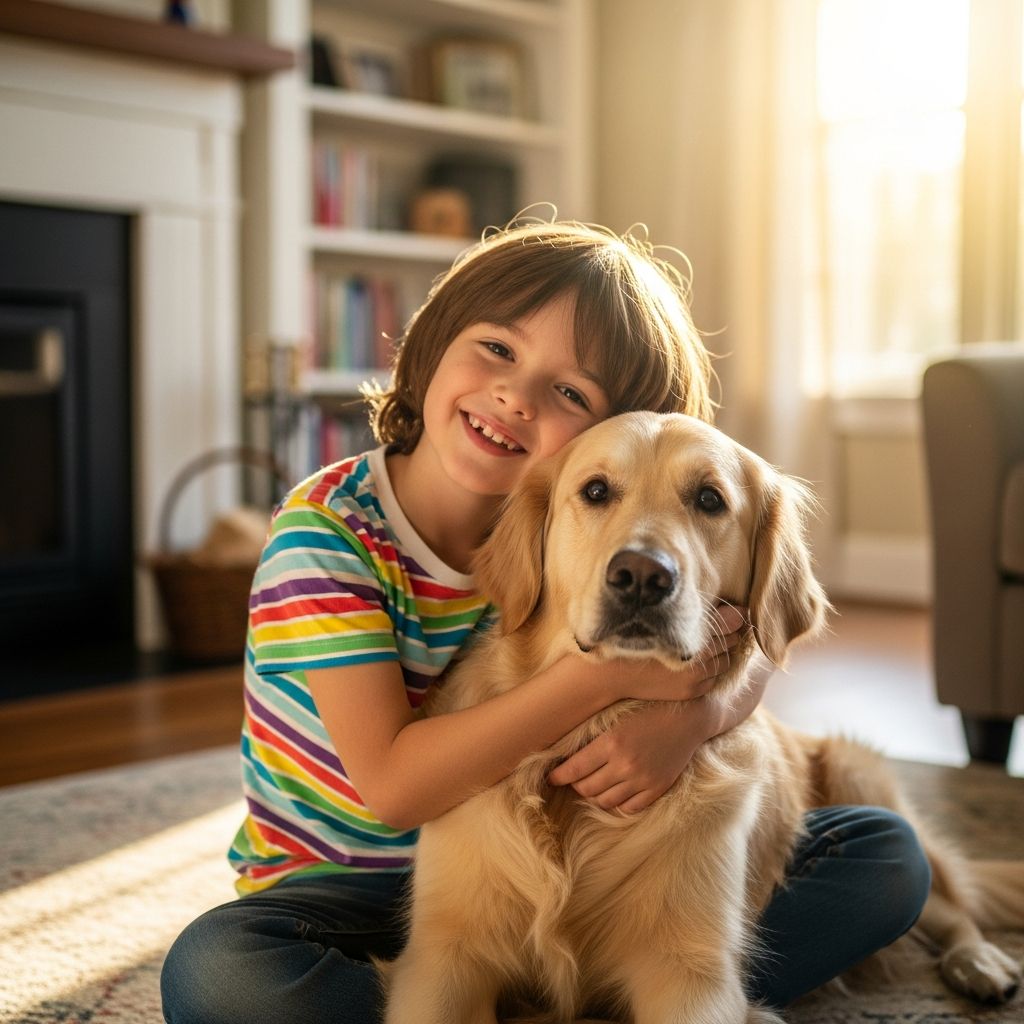
One of the most significant contributions pets make to child development is providing a form of emotional support that differs fundamentally from human relationships. Unlike peers or even parents, animals offer unconditional acceptance without judgment, criticism, or the complex social dynamics that children navigate daily. This safe emotional space becomes particularly valuable during moments of vulnerability or distress. Children often report feeling more comfortable sharing their feelings, anxieties, and concerns with their pets than with the adults in their lives, creating a private emotional outlet that supports mental health.
The physical act of petting an animal triggers measurable physiological responses that directly reduce stress and anxiety. Research has documented how rhythmically stroking a dog, cat, or other companion animal lowers heart rate, reduces cortisol levels, and activates the parasympathetic nervous system. For children experiencing overwhelming emotions, this tactile interaction provides an immediate, accessible mechanism for self-regulation that they can employ independently whenever needed. Parents often report observing visible calm in their children as they engage in this soothing behavior, particularly during challenging situations or times of heightened stress.
Developing Emotional Intelligence and Empathy
Through regular interaction with pets, children develop crucial emotional intelligence skills that transfer directly to human relationships. Animals communicate exclusively through non-verbal cues—body language, vocalizations, and behavioral signals—requiring children to become more attuned to subtle communication patterns. A child learns to recognize when a dog wants space by reading its posture, to understand that a cat’s behavior indicates hunger or discomfort, and to adjust their own approach based on these observations. This constant practice in reading and responding to non-verbal communication creates neural pathways that enhance emotional understanding in all contexts.
Moreover, caring for an animal naturally fosters empathy and compassion. Children who successfully interpret and respond to their pet’s needs experience direct evidence that their actions matter and create positive outcomes. This repeated cycle of recognizing needs, taking action, and witnessing positive results strengthens empathetic capacities and builds what researchers call a “sense of competence” that extends far beyond the immediate pet-care relationship.
Foundations of Responsibility and Life Skills Development
Pet ownership creates one of the most effective natural classrooms for teaching responsibility, as the lessons are immediate, tangible, and consequence-based. Unlike abstract instruction about responsibility, caring for a living creature provides concrete evidence of cause and effect. When a child forgets to fill the water bowl, they directly witness their pet’s thirst. When they maintain a feeding schedule, they observe their animal’s health and contentment. This real-world feedback system teaches responsibility far more effectively than theoretical instruction.
The beauty of pet-based responsibility lies in its adaptability to different developmental stages. A two-year-old can participate in filling a pet’s food bowl with minimal supervision, while a school-age child can take on feeding responsibilities independently, and a teenager can manage comprehensive pet care including grooming, exercise, and health monitoring. Each age group experiences appropriate challenges that build competence progressively without overwhelming the child.
Beyond basic care tasks, pet ownership teaches broader life skills essential for maturity. Children learn planning skills by anticipating when supplies run low, memory skills by remembering feeding schedules, and impulse control by understanding that immediate gratification must sometimes yield to pet-care obligations. These skills develop naturally through daily pet-care routines, creating a foundation for responsible decision-making in all life areas.
Social Development and Relationship Building
Pets function as powerful social catalysts that facilitate connections between children and their peers. A child walking a dog in the neighborhood attracts conversation and interaction in ways that rarely occur otherwise. A family pet becomes a topic of natural conversation and connection, helping shy or anxious children initiate social interactions more confidently. Furthermore, classroom pets have demonstrated measurable impacts on school social environments, with studies showing that classrooms with animal companions experience higher social integration, fewer aggressive incidents, and greater overall prosocial behavior among students.
The attachment formed through pet ownership also creates a model for healthy human relationships. Children learn about trust, loyalty, and unconditional positive regard through their pet bonds, experiences that inform how they approach friendships and family relationships. Research indicates that positive relationships with pets support the development of trusting relationships with other people, as children internalize the secure feelings generated by their pet interactions and apply these relational patterns more broadly.
Cognitive Enhancement and Academic Performance
The cognitive benefits of pet ownership extend into academic domains in ways that surprise many parents. Children with pets often demonstrate improved reading skills because many animals serve as patient, non-judgmental audiences for early reading practice. A child struggling with reading confidence can practice repeatedly with a pet without fear of criticism or judgment. The animal’s genuine enjoyment of the child’s attention provides powerful motivation, increasing reading frequency and building fluency naturally.
Beyond literacy, pet ownership supports cognitive development more broadly through the planning, memory, and problem-solving demands of animal care. Children must remember feeding schedules, anticipate seasonal grooming needs, and solve problems when their pet displays unexpected behaviors. These regular cognitive challenges strengthen executive function and mental flexibility during critical developmental windows.
Mental Health Benefits and Loneliness Prevention
In an era when children increasingly report feelings of loneliness and social disconnection, pets provide consistent, reliable companionship that counters these troubling trends. Unlike human friendships, which can be inconsistent or complicated by social drama, a pet’s presence and affection remain stable and unconditional. This consistent emotional anchor particularly benefits children navigating transitions, trauma, or ongoing anxiety disorders.
Research documenting the mental health impacts of pet ownership shows measurable reductions in depression, anxiety, and behavioral problems among children living with animals. The protective effects appear particularly strong in children with consistent, long-term pet ownership, suggesting that the cumulative benefits of sustained human-animal interaction outweigh occasional exposure. For vulnerable populations—children experiencing abuse, trauma, or severe mental health challenges—animal companions often serve therapeutic roles that complement professional mental health treatment.
Physical Activity and Overall Health Benefits
Pet ownership, particularly dog ownership, naturally increases children’s physical activity levels as they participate in walking, playing, and outdoor activities with their animals. This increased movement directly supports physical health while also generating documented mental health benefits. Exercise increases self-esteem while decreasing anxiety and depression—effects that compound when children engage in this activity alongside their beloved pet. The outdoor time that pet care requires also provides exposure to natural environments, which research increasingly shows supports cognitive function, attention span, and emotional regulation in children.
Different Pet Types and Their Unique Contributions
While dogs and cats dominate pet ownership discussions, research indicates that other animals provide meaningful developmental benefits as well. Small mammals, rodents, fish, and reptiles, though creating weaker initial emotional bonds due to biological distance from humans, foster important developmental outcomes through consistent ownership. These “children’s pets” are often easier for young children to care for independently, providing concrete lessons about responsibility with manageable stakes. The shift in how children relate to these animals over time is particularly interesting—a child might initially experience social anxiety around animal care but by age eleven report positive behavioral and social outcomes, suggesting that the developmental process of learning care and compassion produces long-term protective effects regardless of the animal type.
Creating Optimal Pet-Child Relationships
Maximizing the developmental benefits of pet ownership requires intentional parental guidance. Successful pet-child relationships depend on teaching children appropriate interaction styles, supervising early interactions, and helping children understand animal communication and boundaries. Parents serve as crucial mediators who help children interpret pet behavior, develop respectful handling skills, and navigate the emotional aspects of pet relationships. This guided experience teaches children not only about animals but also models how to approach other relationships with awareness and respect.
The quality of the pet-child relationship matters more than pet type or ownership duration. A family pet present throughout a child’s early years creates different developmental opportunities than a pet acquired later, though both offer meaningful benefits. The research suggests that attachment bonds with animals continue deepening through adolescence, with psychological benefits potentially increasing as children mature and can comprehend and appreciate the nuances of their animal relationships more fully.
Frequently Asked Questions
At what age can children safely interact with pets?
Supervised interactions can begin in infancy, though active participation in pet care typically becomes appropriate around age two with minimal tasks. School-age children can assume more substantial responsibilities based on individual maturity levels.
Are there mental health risks associated with pet ownership for children?
While research predominantly shows benefits, some studies report inconclusive results for specific emotional symptoms in certain populations. Individual responses vary based on personality, prior trauma, and family dynamics. Professional guidance helps maximize positive outcomes.
Do different types of pets provide similar developmental benefits?A: Dogs and cats generally provide stronger immediate emotional bonds, while other pets develop benefits more gradually over time. All animal types can foster responsibility, caregiving skills, and cognitive development when ownership is consistent and age-appropriate.
Q: How does pet ownership affect children with anxiety or behavioral challenges?
Research shows that pets provide particular benefit for anxious or behaviorally challenged children by offering non-judgmental support, reducing physiological stress responses, and providing opportunities to experience competence through successful caregiving.
Can classroom pets benefit children’s academic performance?
Yes, classroom pets demonstrate documented positive effects on academic engagement, particularly for struggling readers, and foster classroom environments with less aggression and greater social integration.
References
- Impact of pet ownership in early childhood at ages 1 and 4–5 years on child mental health and psychosocial development — National Center for Biotechnology Information (NCBI). 2024. https://pmc.ncbi.nlm.nih.gov/articles/PMC12578733/
- Child Health & Development Research — Human Animal Bond Research Institute (HABRI). https://habri.org/research/child-health/
- Benefits of Pets for Kids — Children’s Hospital Colorado. https://www.childrenscolorado.org/just-ask-childrens/articles/benefits-of-pets/
- Pets And Children — American Academy of Child and Adolescent Psychiatry (AACAP). https://www.aacap.org/AACAP/Families_and_Youth/Facts_for_Families/FFF-Guide/Pets-And-Children-075.aspx
- How children can benefit from having a pet — Animal Humane Society. https://www.animalhumanesociety.org/resource/how-children-can-benefit-having-pet