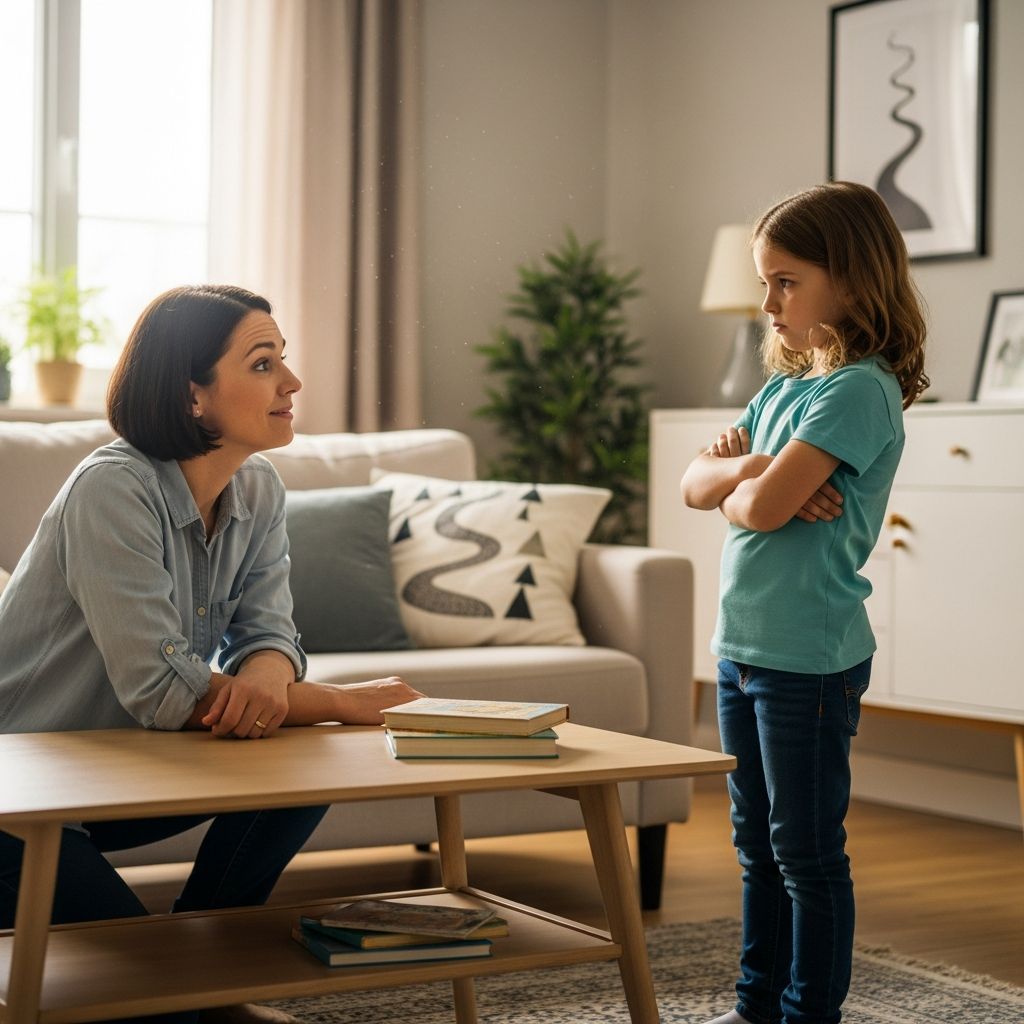
Disrespectful behavior in children, such as talking back, bossing peers, or ignoring parental authority, is a common challenge for families. These actions often stem from underlying emotional needs rather than intentional malice, and addressing them requires understanding root causes and implementing consistent strategies.
Understanding the Roots of Disrespect
Children’s rude or defiant actions frequently arise from a mix of developmental, emotional, and environmental factors. Recognizing these helps parents respond with empathy rather than frustration.
Emotional Insecurities and Projection
Many children exhibit unkindness as a way to cope with their own feelings of anxiety, self-doubt, or shame. For instance, a child who criticizes classmates might be projecting their own fears of failure, using deflection to avoid confronting personal vulnerabilities. Highly sensitive children, who process emotions more intensely, may become controlling or exclusive to regain a sense of security in social settings.
Developmental Push for Independence
As children grow, particularly during adolescence, they naturally seek autonomy. This drive can manifest as defiance or rudeness when parents enforce boundaries, creating friction between the child’s desire for control and the family’s need for structure. What appears as disrespect is often a clumsy attempt at asserting maturity.
External Stressors and Home Dynamics
Stress from school, friendships, or family changes can lead children to unload frustrations on safe parental figures. A home environment perceived as emotionally unsafe—due to disruptions like illness or loss—may prompt self-protective defiance rather than open communication. Parental modeling plays a role too; children mimic rudeness if not explicitly taught manners and restraint.
Common Manifestations of Disrespectful Behavior
Disrespect shows up in various forms, each signaling specific needs:
- Verbal Backtalk: Sarcasm, eye-rolling, or interruptions often indicate a bid for power during independence phases.
- Bossing or Excluding Peers: Dictating play rules or shunning others helps children manage group anxiety or fear of rejection.
- Public Defiance: Acting cool by dismissing parents in front of friends reflects peer influence and a desire for social acceptance.
- Sibling Rivalry Escalation: Put-downs or exclusion among siblings frequently arise from power shifts, like a new baby arrival.
| Behavior Type | Possible Trigger | Age Group Most Common |
|---|---|---|
| Backtalk | Independence push | Teens (12+) |
| Bossing peers | Insecurity/anxiety | Preschool (3-6) |
| Exclusion | Fear of rejection | Early elementary (5-8) |
| Public rudeness | Peer pressure | Tweens (8-12) |
This table summarizes patterns observed in child development literature, aiding parents in quick identification.
Effective Strategies to Promote Respect
Turning around disrespectful patterns involves modeling, clear communication, and boundary-setting. Consistency is key to long-term change.
Model Positive Interactions Daily
Children learn respect by observing it. Parents who demonstrate politeness, active listening, and empathy set the standard. Avoid power struggles; instead, respond calmly to rudeness, saying, ‘I won’t engage when spoken to that way. Let’s try again respectfully.’ This teaches self-control without escalating conflict.
Address Emotions Behind the Behavior
Help children name their feelings: ‘You seem frustrated when I set that rule. Let’s talk about why.’ Validating emotions reduces defensiveness and builds emotional intelligence. For sensitive kids, provide tools like deep breathing to manage overwhelm before it turns into control tactics.
Set Firm, Age-Appropriate Boundaries
Clearly define unacceptable behaviors and consequences. For example, ‘Disrespectful tone means we pause the conversation until you’re ready to speak kindly.’ Follow through without anger, focusing on teaching rather than punishment. Honor growing independence by offering choices within limits, like ‘Do you want to do homework now or after a snack?’
Age-Specific Approaches
Tailor responses to developmental stages for better results.
- Toddlers/Preschoolers (2-5): Use simple language and repetition. ‘We use gentle words’ paired with praise for kind acts builds habits early.
- School-Age (6-11): Involve them in family meetings to discuss respect rules, fostering ownership.
- Teens (12+): Encourage open dialogues about peer pressures. Privately address public disrespect to avoid shaming.
Potential Pitfalls in Parenting Responses
Certain approaches can worsen disrespect:
- Being overly friendly blurs parent-child roles, leading to boundary-testing.
- Personalizing defiance as a personal attack ignores the child’s external stressors.
- Ignoring rudeness teaches that it’s tolerable, perpetuating cycles.
Instead, balance warmth with authority to create secure attachments that encourage respect.
Building Long-Term Emotional Resilience
Beyond immediate fixes, nurture skills like cognitive flexibility and delayed gratification, which counter rudeness roots like stress and low self-control. Activities such as role-playing social scenarios or reading books on empathy reinforce positive people skills.
Frequently Asked Questions (FAQs)
What if my child is disrespectful only at home?
This often means you’re their safe space for venting frustrations from school or friends. Respond with empathy but firmness, guiding them toward healthier expression.
Is disrespect a phase or a bigger issue?
Most phases pass with guidance, but persistent patterns with anxiety or aggression warrant professional input, like from a child psychologist.
How do I handle disrespect in public?
Stay calm, give a brief reminder, and address fully in private to model composure and avoid power struggles.
Can screen time contribute to rudeness?
Yes, excessive isolation from devices can foster anonymity and reduced empathy, mimicking adult rudeness patterns. Limit and balance with real interactions.
What role does praise play?
Specific praise for respectful acts, like ‘I appreciate how you shared your toy kindly,’ reinforces desired behaviors more effectively than criticism.
Creating a Respectful Family Culture
Foster mutual respect through routines like gratitude sharing at dinner or weekly check-ins. When parents prioritize connection over control, children internalize kindness as a family value. Over time, this reduces defiance and builds confident, considerate individuals.
Patience and persistence pay off. By addressing disrespect as a teachable moment rooted in unmet needs, parents equip children for lifelong positive relationships.
References
- Battling Rudeness in Kids: The Causes and Consequences — Parenting.org. 2012. https://www.parenting.org/articles/battling-rudeness-part-1-the-causes-and-consequences-in-kids
- When Kids Act Mean: Why some kids have trouble being kind and what you can do — Lerner Child Development. N/A. https://www.lernerchilddevelopment.com/free-blogs/blog-post-title-one-acf45-nnhe8
- Three reasons your kid might be treating you disrespectfully — Christian Parenting.org. N/A. https://www.christianparenting.org/articles/three-reasons-your-kid-might-be-treating-you-disrespectfully/
- Help! My Child Is Defiant and Disrespectful — Connected Families. N/A. https://connectedfamilies.org/help-my-child-is-defiant-and-disrespectful/
- Disrespectful Child Behavior: Where to Draw the Line — Empowering Parents. N/A. https://www.empoweringparents.com/article/disrespectful-child-behavior-where-do-you-draw-the-line/