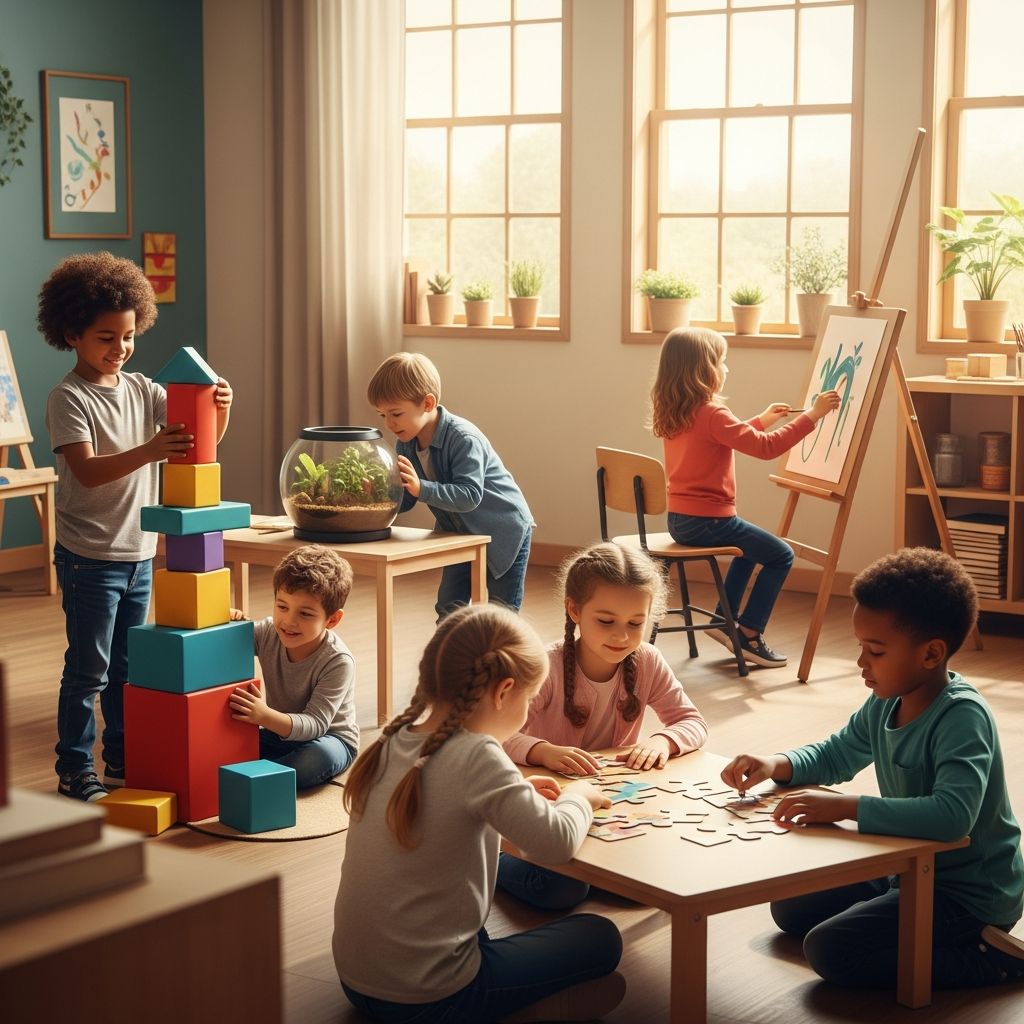
Parents play a vital role in their children’s educational journey, especially by supporting the classroom environment where learning happens daily. By understanding how classrooms function and contributing positively, families can help kids develop focus, respect, and enthusiasm for school. This guide explores actionable ways parents can partner with educators to create supportive spaces that nurture academic and social growth.
Building Strong Foundations with Teachers
Effective classroom dynamics start with open communication between home and school. Parents should initiate contact early in the year to express interest in their child’s progress and learn about classroom expectations. Regular updates via email or apps keep everyone aligned on goals and challenges.
- Attend orientation meetings to grasp daily schedules and rules.
- Schedule periodic conferences to discuss strengths and areas for improvement.
- Share insights about your child’s home life, such as sleep patterns or family changes, to help teachers tailor support.
These steps foster trust, enabling quicker resolutions to issues like adjustment difficulties or behavioral shifts. Research from educational leadership programs emphasizes that such partnerships correlate with higher student engagement and achievement.
Instilling Daily Routines at Home
Consistency bridges home and classroom. Children thrive when familiar patterns from home reinforce school structures. Help your child practice morning preparations, homework times, and bedtime rituals that mirror classroom transitions.
| Home Routine | Classroom Parallel | Benefits |
|---|---|---|
| Morning checklist (pack bag, eat breakfast) | Entry procedures | Reduces anxiety, builds independence |
| Homework station setup | Work time blocks | Improves focus and time management |
| Quiet reading before bed | Independent reading sessions | Enhances literacy skills |
By aligning these, parents minimize disruptions when kids enter the classroom, allowing more time for instruction. Consistent routines also teach self-regulation, a key skill for academic success.
Encouraging Respectful Social Interactions
Classrooms are social hubs where kids learn cooperation. Guide your child to value others’ space and voices. Discuss scenarios like sharing supplies or waiting turns, role-playing polite responses to conflicts.
- Praise efforts in group playdates to reinforce teamwork.
- Model calm problem-solving during family disagreements.
- Read stories highlighting empathy and kindness.
These practices prepare children to contribute positively, reducing peer issues that distract from learning. Proximity techniques used by teachers—simply standing near to refocus—work best when kids already understand boundaries from home.
Boosting Focus and Attention Skills
Attention signals and timers help manage group energy. At home, introduce gentle cues like a hand raise or soft bell for family gatherings. Practice timed activities, such as cleaning toys in five minutes, to build urgency without stress.
Varied activities keep minds engaged: mix physical movement, discussions, and quiet tasks. Parents can support by varying home learning—puzzles one day, outdoor scavenger hunts the next—to match diverse classroom methods.
Promoting Hygiene and Health Habits
Clean hands and covered coughs prevent illnesses that sideline learning. Make hygiene fun with songs or rewards. Pack nutritious snacks and water bottles, avoiding mess-prone items that burden cleanup.
- Teach proper handwashing with soap for 20 seconds.
- Ensure kids use tissues and dispose of them promptly.
- Label belongings clearly to speed reunions after recess.
Healthy kids attend more consistently, maximizing classroom participation. Schools report fewer disruptions when families prioritize these basics.
Handling Belongings and Organization
A designated backpack spot at home teaches responsibility. Review contents daily: remove trash, refill supplies. Teach labeling with names or pictures for quick identification amid similar items.
Practice packing the night before to avoid rushed mornings. This mirrors classroom cubby management, reducing lost-item stress and start-of-day chaos.
Addressing Emotions and Separations
Starting the day positively eases separations. Offer quick hugs, then cheerful goodbyes. If upset, validate feelings briefly before redirecting to an activity. Teachers appreciate parents who reinforce that school is safe and fun.
For ongoing anxiety, collaborate on strategies like a comfort object or pickup ritual. Calm demeanor from adults models emotional control, essential for focused learning.
Reinforcing Positive Behaviors
Notice and verbalize good choices: “I love how you shared your toy!” This echoes teacher reinforcement, building self-esteem. Avoid labels like “bad day”; focus on actions to encourage change.
At home, use charts for habits like tidying up, linking to classroom jobs that instill ownership.
Navigating Conflicts Constructively
Teach “I feel” statements for expressing needs without blame. Role-play apologies and forgiveness. Consistent, fair consequences at home align with school discipline, promoting accountability.
Selecting Age-Appropriate Materials
Choose durable, labeled supplies that aid grip for young hands. Avoid distractions like toys in bags. Check teacher lists for specifics, ensuring readiness without excess.
Understanding Transitions and Changes
Prepare for schedule shifts like new years or grades by discussing excitedly. Visit schools if possible. Flexible home routines adapt to these, maintaining stability.
Frequently Asked Questions (FAQs)
Q: How can I help my shy child adjust to classroom social dynamics?
A: Encourage small interactions at home, like playdates, and share temperament details with the teacher for tailored support. Practice greetings and sharing routines.
Q: What if my child frequently forgets homework or supplies?
A: Establish a nightly checklist and backpack station. Collaborate with the teacher on reminders without over-reliance.
Q: How do I address reports of misbehavior at school?
A: Listen without judgment, discuss feelings, and align on home reinforcement of rules. Focus on solutions over punishment.
Q: Should I intervene in playground disputes?
A: Teach resolution skills first; only step in for safety. Debrief afterward to build independence.
Q: How much involvement is too much in classroom activities?
A: Balance volunteering with trust in teachers. Prioritize requested help over unsolicited changes.
Leveraging Technology and Modern Tools
Apps for progress tracking enhance partnerships. Use them purposefully to celebrate wins, not micromanage. Model balanced screen time at home to prepare for classroom tech integration.
Flexible seating ideas, like wiggle cushions, can be trialed at home desks for focus. These adaptations support varied needs, echoing innovative classrooms.
Long-Term Benefits of Parental Support
Families who engage see kids with stronger self-regulation, better grades, and lasting school positivity. Continuous learning for parents—through workshops or reads—sustains these gains.
By embedding these habits, parents transform classrooms indirectly, creating ripples of success. (Word count: 1678)
References
- 25 Best Classroom Management Strategies — Schools That Lead. 2023-01-15. https://www.schoolsthatlead.org/blog/best-classroom-management-strategies
- 7 Classroom Management Strategies for Teachers — Warner Pacific University. 2023-05-20. https://www.warnerpacific.edu/blog/classroom-management-strategies-for-teachers/
- 15 Effective Classroom Management Strategies and How to Use Them — Discovery Education. 2024-02-10. https://www.discoveryeducation.com/blog/teaching-and-learning/classroom-management-strategies/
- 20 Classroom Management Strategies and Techniques — Prodigy Game. 2023-11-08. https://www.prodigygame.com/main-en/blog/classroom-management-strategies
- The Educator’s Guide to Excellent Classroom Management — Edutopia. 2024-09-01. https://www.edutopia.org/package/the-educators-guide-to-excellent-classroom-management/