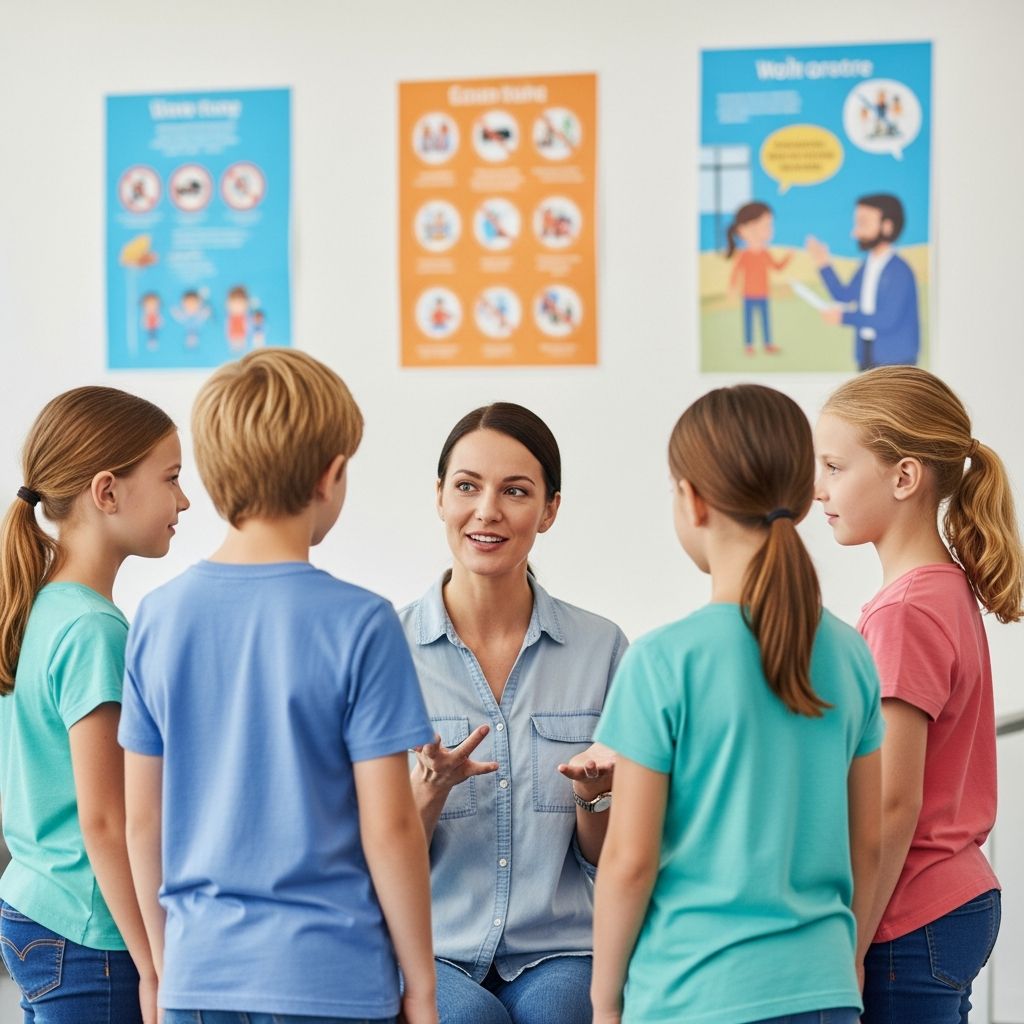
Equipping children with stranger awareness skills is one of the most vital responsibilities of parenthood. Rather than instilling blanket fear of unknown people, focus on empowering kids to recognize potential risks, trust their instincts, and take decisive action. This approach fosters confidence and reduces anxiety while addressing real-world threats, most of which come from acquaintances rather than total strangers.
Why Stranger Awareness Matters More Than Stranger Danger
The traditional ‘stranger danger’ narrative often backfires because children struggle to define a ‘stranger.’ Someone familiar from the neighborhood or school might not seem threatening, yet statistics show most child abductions involve known individuals. Instead, emphasize ‘people smarts’ or ‘stranger awareness’—teaching kids to evaluate situations based on behavior, not appearance. This shift helps children stay vigilant without paranoia, promoting habits like checking in with trusted adults before any plan change.
Start conversations early, using age-appropriate language. For young children, explain that most people—including strangers—are kind, but safety rules help navigate rare unsafe encounters. Role-playing scenarios builds muscle memory for real-life application, ensuring kids act swiftly when needed.
Building a Foundation: Key Principles for All Ages
Core safety principles apply universally, regardless of age. Teach children to:
- Trust their gut feelings—if something feels off, it probably is.
- Never keep secrets about uncomfortable interactions; surprises are shared, secrets are not.
- Always prioritize checking with a responsible adult before accepting items, rides, or diversions from plans.
- Use their voice assertively to attract help in emergencies.
Practice these through daily teachable moments, like pointing out helpful strangers (e.g., store clerks) versus those prying for personal details. This normalizes awareness without demonizing others.
Age-Specific Safety Strategies
Tailor teachings to developmental stages for maximum effectiveness. Younger kids need simple rules, while teens benefit from nuanced decision-making practice.
For Toddlers and Preschoolers (Ages 2-5)
At this stage, focus on basic physical boundaries and seeking parents immediately. Use fun games to practice ‘Move Away and Check First’:
- Before talking to anyone: Step back and look for a parent or guardian.
- Before taking gifts or treats: Hands off until approved.
- Before leaving with anyone: Only with known family, after checking.
Reinforce with phrases like ‘Sticky hands, no touching!’ for unsolicited contact. Role-play with puppets or toys to make it engaging.
For School-Age Children (Ages 6-10)
Introduce ‘Think First’ habits. Teach them to assess strangers calmly:
| Situation | Safe Response | Why It Works |
|---|---|---|
| Stranger asks for directions or help finding a pet | Say ‘Adults ask adults,’ then walk away briskly | Maintains distance; seeks help from known safe adults |
| Stranger offers candy or a ride | Yell ‘No!’ and run to nearest adult with kids or uniform | Attracts attention; uses public as allies |
| Someone claims to know parents | Use family code word; verify before proceeding | Prevents deception even from semi-known people |
Practice short, non-committal responses like ‘Not me’ or ‘Over there’ while moving away. Discuss ‘tricky people’ who might be known but act suspiciously.
For Tweens and Teens (Ages 11+)
Teens face higher risks like online solicitations or peer pressure. Expand to:
- Short interactions only: Give minimal info (time, direction) without stopping.
- Group travel: Never walk alone; buddies enhance safety.
- Digital vigilance: No sharing locations or personal details with unknowns online.
Role-play peer scenarios, like a ‘friend of a friend’ offering a ride. Encourage debriefing after outings to refine instincts.
Creating Family Safety Plans
A robust family safety plan outlines who to approach for help everywhere—from parks to stores. Identify ‘safe zones’:
- Uniformed officers or security.
- Parents with children.
- Store employees or librarians.
Practice interrupting busy adults: ‘Excuse me, this is a safety emergency!’ Adults respond positively to build kids’ confidence. Establish check-in rules: Always notify parents of location changes, no shortcuts through isolated areas.
For home alone time, rules include locked doors, no unverified visitors, and immediate 911 calls for threats. Teach phone etiquette: Take messages but hang up on odd queries; never admit being alone.
Mastering Emergency Responses
When danger strikes, action trumps freeze. Key drills:
- Yell and Run: ‘Help! This is not my parent!’ or ‘Stranger grabbing me!’ while sprinting to safety.
- Blow a Whistle: Portable alarms draw crowds effectively.
- Fight Back if Grabbed: Target eyes, groin; make noise to summon aid.
Weekly family drills normalize these without scaring kids. Praise efforts to reinforce.
Navigating Online and Phone Risks
Modern threats extend digitally. Teach:
- Ignore friend requests from unknowns; report suspicious chats.
- On phones: ‘Mom’s not home, leave a message’—hang up.
- No photos or addresses shared casually.
Monitor devices collaboratively, discussing real cases to illustrate risks.
Frequently Asked Questions (FAQs)
What if my child is shy about yelling for help?
Practice in low-stakes settings, like playgrounds, gradually building volume and conviction. Pair with positive reinforcement.
Should I use ‘stranger danger’ phrasing?
Avoid it; opt for ‘safe vs. unsafe behavior’ to cover known risky people too.
How often should we review safety plans?
Monthly family meetings, plus before outings or age milestones.
What about cultural differences in stranger interactions?
Adapt rules locally but prioritize personal safety boundaries universally.
Can safety whistles replace other tools?
They’re great starters but combine with awareness training for comprehensiveness.
Long-Term Benefits of Proactive Safety Education
Investing time now yields resilient adults who trust instincts and seek help proactively. Studies affirm role-playing boosts retention by 75% over lectures alone. Parental modeling—demonstrating calm assertiveness—amplifies lessons. Communities safer when kids confidently interrupt for safety, normalizing vigilance.
Expand education via school programs or apps simulating scenarios. Track progress with journals, celebrating growth. Ultimately, safety empowers exploration, letting kids thrive securely.
References
- Practical Strategies for Stranger Safety — Kidpower Colorado. 2023. https://kidpowercs.org/blog/practical-strategies-for-stranger-safety/
- People Smarts (Stranger Danger) — Children’s Hospital Pittsburgh. 2024-01-15. https://www.chp.edu/injury-prevention/safety/street/stranger-danger
- Stranger Danger Tips — Safety 4 Kids. 2023. http://www.safety4kids.com.au/safety-zone_stranger-danger
- KidSmartz — National Center for Missing & Exploited Children. 2025-06-10. https://www.missingkids.org/education/kidsmartz
- Talking to Your Child About Safety, Strangers & Tricky People — The Gentle Counsellor. 2024. https://thegentlecounsellor.com/talking-to-your-child-about-safety-strangers-tricky-people/