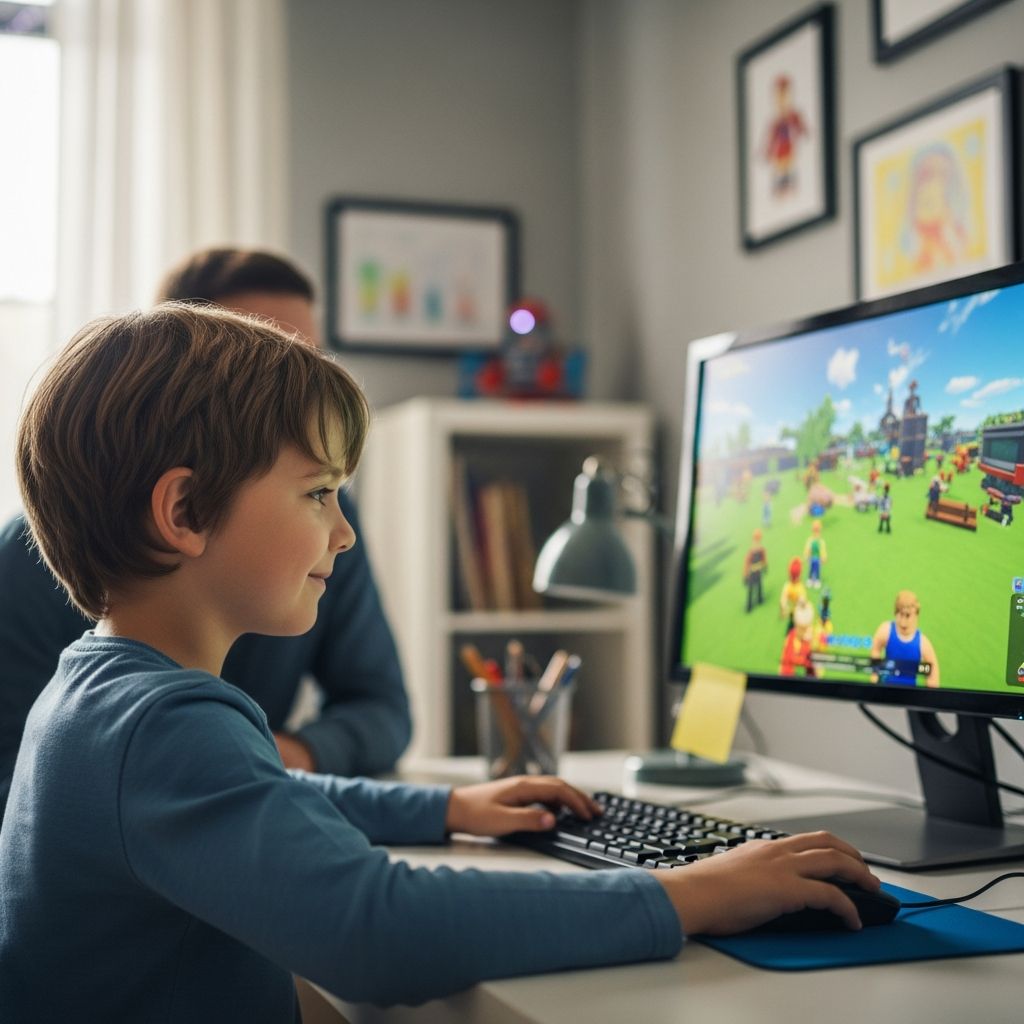
Parents hold significant authority over their children’s after-school routines, including the option to limit or eliminate homework assignments. This approach prioritizes play, family bonding, and holistic development over traditional academic drills, especially in elementary years.
The Case Against Routine Homework for Young Learners
Research consistently shows minimal academic gains from homework in early grades, while highlighting detriments to family dynamics and child well-being. Young children thrive on unstructured play, which fosters creativity, physical health, and emotional regulation far better than repetitive worksheets.
- Play supports cognitive growth through exploration and problem-solving in real-world contexts.
- Excessive homework correlates with increased stress, sleep deprivation, and family conflicts.
- Schools often overlook developmental stages, assigning tasks unsuitable for attention spans of 6-10 year olds.
Instead of enforcing assignments, evenings can focus on chores, outdoor activities, and free play, aligning with expert recommendations for balanced childhoods.
Understanding Your Legal and Practical Rights
In many educational systems, no federal mandate requires homework completion, giving parents leverage to negotiate. Districts may provide opt-out forms at the school year’s start, or parents can submit written requests outlining their philosophy.
| Right | Description | Example Action |
|---|---|---|
| Opt-Out Requests | Submit formal letters to teachers/principals | Annual form submission |
| Policy Review | Access district guidelines on assignments | Request homework policies in writing |
| Grading Flexibility | Discuss alternative assessments | Propose project-based evaluations |
Parents exercising these rights report stronger teacher relationships and customized learning plans. Start by reviewing your school’s handbook for specific language on homework expectations.
Research Insights: Why Homework Falls Short
Studies from authoritative bodies reveal homework’s limited efficacy before middle school. The National Education Association suggests 10 minutes per grade level as a maximum, yet many exceed this, leading to burnout.
Alfie Kohn’s analysis in peer-reviewed works argues homework reinforces rote learning without deeper understanding. Similarly, the American Academy of Pediatrics advocates for play-based after-school time to combat childhood obesity and mental health issues.
Child-directed play builds executive function skills essential for lifelong success, outperforming structured tasks in early education.
Step-by-Step: Communicating with Educators
Initiate dialogue early, framing discussions around child needs rather than confrontation. Prepare a concise letter explaining your stance, supported by developmental rationale.
- Research School Policies: Identify any opt-out provisions or homework limits.
- Draft Your Statement: “Our family prioritizes play and rest; we will not complete daily homework packets.”
- Meet Privately: Schedule conferences to share goals and invite teacher input.
- Propose Alternatives: Suggest reading logs, family projects, or classroom-only work.
- Follow Up: Document agreements and monitor progress quarterly.
Teachers often accommodate once informed, viewing parents as partners in education.
Benefits for Children and Family Life
Enhanced Child Development
Without homework pressure, children engage in physical activity, sibling interactions, and hobbies, boosting resilience and joy. Parents observe improved school attitudes and natural curiosity.
Stronger Family Bonds
Evenings reclaim time for meals, games, and conversations, reducing ‘homework cop’ dynamics where parents nag and children resist. This fosters autonomy and mutual respect.
- Families report less arguing and more laughter.
- Children sleep better, arriving at school refreshed.
- Parents model boundary-setting, teaching advocacy skills.
Addressing Common Concerns and Myths
Myth: Kids will fall behind. Evidence shows no long-term gaps; skills develop through school and life experiences.
Myth: Teachers will penalize. Zeros on unassigned work rarely impact overall progress in primary grades; focus shifts to participation.
Myth: Colleges care about elementary homework. Admissions prioritize high school performance and extracurriculars.
Age-Specific Strategies Across Grade Levels
| Grade Level | Recommended Approach | Focus Areas |
|---|---|---|
| Kindergarten-2nd | Full opt-out | Play, reading aloud |
| 3rd-5th | Limited, optional | 20-min reading, projects |
| 6th+ | Monitored time limits | Study skills training |
Tailor based on your child’s maturity; transition gradually as demands increase.
Real Parent Experiences and Lessons Learned
One family in a Montessori program opted out entirely, noting their third-grader’s enthusiasm for home learning like cooking. Another negotiated ‘optional’ status, eliminating battles. Challenges include initial pushback, resolved through persistent, polite advocacy.
After opting out, our home transformed—no more tears over math sheets, just joyful evenings together.
Building School-Wide Change
Beyond individual opt-outs, advocate for policy shifts. Join PTA discussions, share research, and petition for homework bans in elementary. Schools adopting no-homework models report happier students and staff.
Frequently Asked Questions
What if my child wants to do homework?
Support voluntary efforts with time limits; distinguish school mandates from personal interest.
Will this affect grades or reports?
Primary grades emphasize effort over homework completion; communicate to align on assessments.
How do I handle high school transitions?
Introduce study habits gradually in upper elementary, focusing on efficiency over volume.
Is opting out legal everywhere?
While not federally required, state laws support parental input; check local policies.
What alternatives promote learning at home?
Library visits, nature walks, board games, and family discussions build skills organically.
Long-Term Impacts on Success
Graduates from low-homework environments excel due to intrinsic motivation and work-life balance. Prioritizing childhood joy yields adaptable, happy adults.
References
- Homework Guidelines for Elementary and Middle School Students — Council of the Great City Schools. 2017-09-08. https://www.cgcs.org/cms/lib/DC00001581/Centricity/Domain/24/Homework%20Guidelines%20K-8%20Final.pdf
- The Case Against Homework — Alfie Kohn (Educational Leadership, ASCD). 2006-10-01. https://www.alfiekohn.org/article/case-homework/
- Let Them Play: The Importance of Play in Early Childhood — American Academy of Pediatrics. 2024-05-15. https://publications.aap.org/pediatrics/article/142/3/e20182058/38685/The-Power-of-Play-A-Pediatric-Role-in-Enhancing
- Homework Policy Research Summary — National Education Association. 2023-11-20. https://www.nea.org/resource-library/homework-policy-research-summary
- Nonacademic Effects of Homework in Privileged, High-Performing High Schools — Journal of Experimental Education (Peer-reviewed). 2014-04-16. https://doi.org/10.1080/00220973.2014.917572