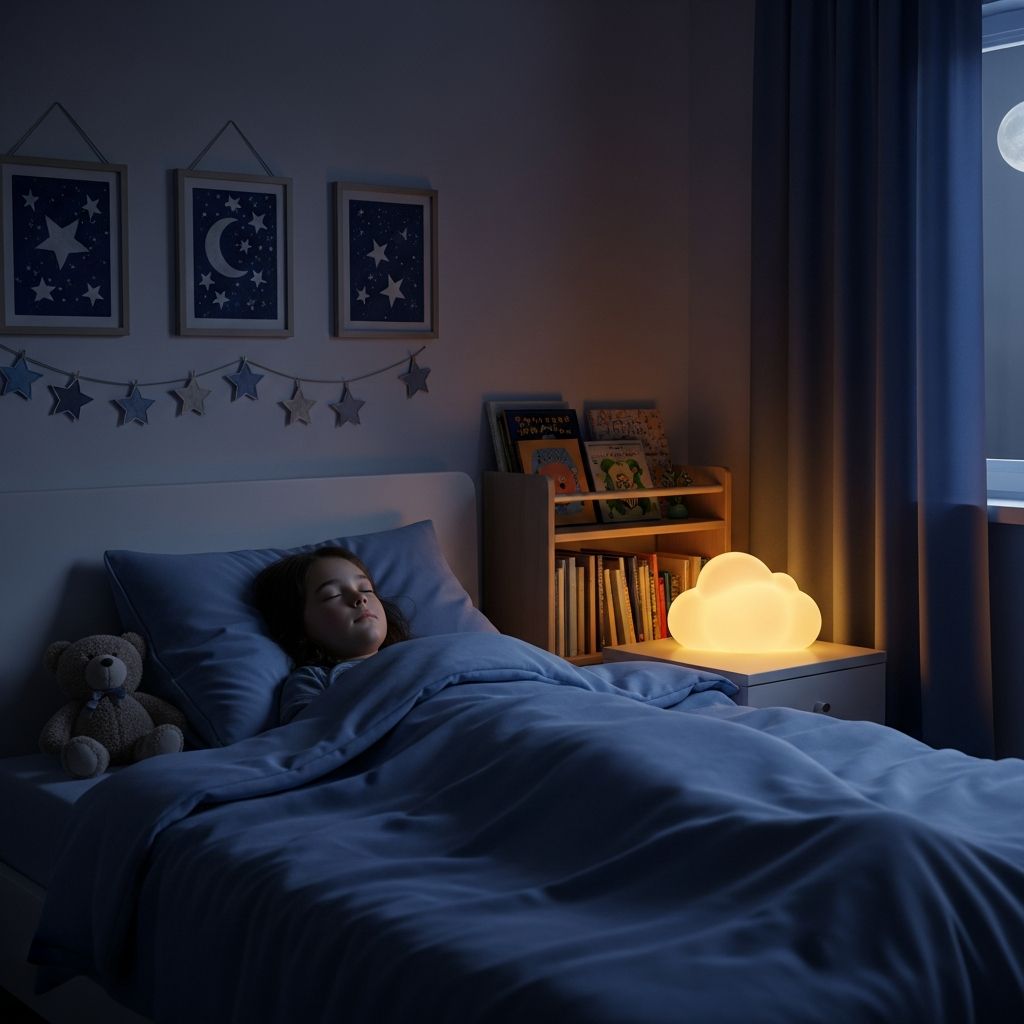
School-age children, typically between 6 and 12 years old, require consistent and sufficient sleep to support their rapid physical growth, cognitive development, and emotional regulation. Health experts from organizations like the Centers for Disease Control and Prevention (CDC) and the National Sleep Foundation recommend that children in this age group get 9 to 12 hours of sleep per night to function at their best. Adequate sleep enhances academic performance, boosts immune function, and reduces behavioral issues, yet many children fall short due to busy schedules, screen time, and inconsistent routines.
Understanding Sleep Requirements by Age
During the school years, children’s sleep needs stabilize into adult-like patterns, but the exact amount varies slightly by individual and developmental stage. For children aged 6 to 12, the consensus from multiple pediatric sources is 9 to 12 hours nightly, aligning with circadian rhythms that promote deep restorative sleep. This range accounts for differences in activity levels, metabolism, and growth spurts.
| Age Group | Recommended Sleep (Hours per 24 Hours) | Source Notes |
|---|---|---|
| 3-5 years (Preschool) | 10-13 (including naps) | Transitioning from naps |
| 6-12 years (School-Age) | 9-12 | No naps needed; consistent nights |
| 13-18 years (Teens) | 8-10 | Shift in melatonin onset |
These guidelines emphasize total sleep over 24 hours, primarily from nighttime rest. School-age kids generally outgrow daytime naps, relying instead on quality night sleep to avoid daytime sleepiness.
Why Quality Sleep Matters for Growing Minds and Bodies
Sleep is not downtime; it’s when the brain consolidates learning, the body repairs tissues, and hormones regulate growth and mood. Studies show that children getting less than the recommended hours experience impaired attention, memory, and problem-solving skills, directly impacting school success. Chronic sleep deprivation in this age group correlates with higher risks of obesity, weakened immunity, and emotional challenges like anxiety or irritability.
Research on elementary and middle schoolers reveals that insufficient sleep disrupts neurobiological development and social interactions. For instance, one study found 43% of elementary students reported trouble sleeping, linked to bedtime resistance and night awakenings, while middle schoolers faced more daytime sleepiness despite better hygiene adherence. Well-rested children demonstrate better focus, creativity, and peer relationships, underscoring sleep’s role in holistic child development.
Common Sleep Disruptions in School-Age Kids
Even with good intentions, sleep issues are prevalent. Elementary children often struggle with bedtime resistance, taking over 20 minutes to fall asleep, or waking due to nightmares and fear of the dark. Middle schoolers report higher rates of arguing over bedtimes, sleeping with others due to fears, and irregular weekend patterns that misalign their biological clocks.
- Bedtime Resistance: Fighting parents, delaying tactics like “one more story.” More common in younger school-agers.
- Sleep Onset Delay: Lying awake due to excitement, anxiety, or screens; 40%+ in some groups.
- Night Awakenings: Nightmares or bathroom trips interrupt cycles.
- Daytime Sleepiness: Drowsiness in class, especially in middle schoolers despite napping.
- Sleep Anxiety: Fears of sleeping alone or the dark, leading to co-sleeping.
These patterns shift with age: elementary kids show more awakenings, while older ones battle social and hormonal influences delaying melatonin release.
Building a Solid Bedtime Foundation
A predictable routine signals the body it’s time to wind down, typically starting 30-60 minutes before lights out. Key elements include dimming lights, avoiding electronics, and engaging in calming activities like reading or light stretching. Consistency is crucial—even on weekends—to maintain circadian alignment.
For school preparation, adjust schedules gradually: shift bedtime 10-15 minutes earlier nightly over 1-2 weeks before term starts. This eases the transition, preventing first-day grogginess.
Practical Strategies for Better Sleep Hygiene
Sleep hygiene encompasses habits that foster restful nights. Parents play a pivotal role in modeling and enforcing these.
- Set Fixed Schedules: Same bedtime and wake-up daily, counting back from school rise time to hit 9-12 hours.
- Create a Sleep-Friendly Environment: Cool, dark, quiet room with comfortable bedding. White noise machines can mask disruptions.
- Limit Screens: Blue light suppresses melatonin; no devices 1 hour before bed.
- Encourage Daytime Activity: Exercise promotes deeper sleep, but not within 3 hours of bedtime.
- Watch Diet: No caffeine after noon; light snacks if hungry, avoiding heavy meals.
- Promote Relaxation: Baths, stories, or journaling to process the day.
Middle schoolers may resist but benefit from involving them in routine planning to build ownership.
Recognizing and Addressing Sleep Deficits
Signs of trouble include snoring, restless sleep, morning headaches, hyperactivity, or declining grades. Track sleep logs for a week: note bedtime, awakenings, and morning alertness. If issues persist, consult a pediatrician to rule out disorders like sleep apnea.
Studies using validated tools like the Children’s Sleep Habits Questionnaire highlight discrepancies: many kids report napping frequently despite age-inappropriate needs, signaling underlying deficits. Early intervention prevents escalation into teen insomnia.
Navigating Age-Specific Challenges
Elementary Years (6-9)
Focus on overcoming resistance and fears. Use nightlights for dark anxieties and consistent reassurance. Most fall asleep within 20 minutes if routines are solid.
Middle School Transition (10-12)
Hormonal shifts mimic teen patterns: later sleep drive, weekend catch-ups. Enforce earlier bedtimes and limit social media to curb delays.
Frequently Asked Questions (FAQs)
What if my child refuses bedtime?
Stick to the routine with positive incentives like stickers for compliance. Avoid power struggles; a calm, firm approach works best.
Is napping okay for school-agers?
Generally no—naps can fragment night sleep. Reserve for illness recovery.
How do screens affect sleep?
They delay melatonin by 1-2 hours. Institute a tech curfew.
Can too much homework cause sleep loss?
Yes; prioritize by setting homework end times to protect sleep windows.
When to see a doctor?
If snoring, pauses in breathing, or chronic fatigue despite 9+ hours.
Long-Term Benefits of Prioritizing Sleep
Investing in sleep now yields dividends: better academic outcomes, healthier weights, and resilient mental health. Families adopting these habits report fewer conflicts and happier kids. As children near adolescence, ingrained routines buffer against pubertal disruptions.
Empower your school-ager with sleep education—discuss why rest matters, fostering lifelong habits.
References
- Sleep Habits of Elementary and Middle School Children in South Texas — PMC/NCBI. 2015. https://pmc.ncbi.nlm.nih.gov/articles/PMC4681792/
- Sleep and Your Child — UCSF Benioff Children’s Hospitals. Accessed 2026. https://www.ucsfbenioffchildrens.org/education/sleep-and-your-child
- Age-by-age sleep tips for kids and teens — CHOC Health. Accessed 2026. https://health.choc.org/handout/age-by-age-sleep-tips-for-kids-and-teens/
- Get Your Child’s Sleep Schedule Back on Track Before School — Frederick Health. 2025-07. https://www.frederickhealth.org/news/2025/july/get-your-childs-sleep-schedule-back-on-track-bef/
- A Good Night’s Sleep Can Be Routine for Kids — Seattle Children’s. Accessed 2026. https://www.seattlechildrens.org/health-safety/nutrition-wellness/good-night-sleep-routine/
- Sleep in Middle and High School Students — CDC Archive. Accessed 2026. https://archive.cdc.gov/www_cdc_gov/healthyschools/features/students-sleep.htm
- Is your child getting enough sleep? — Mayo Clinic Health System. Accessed 2026. https://www.mayoclinichealthsystem.org/hometown-health/speaking-of-health/is-your-child-getting-enough-sleep