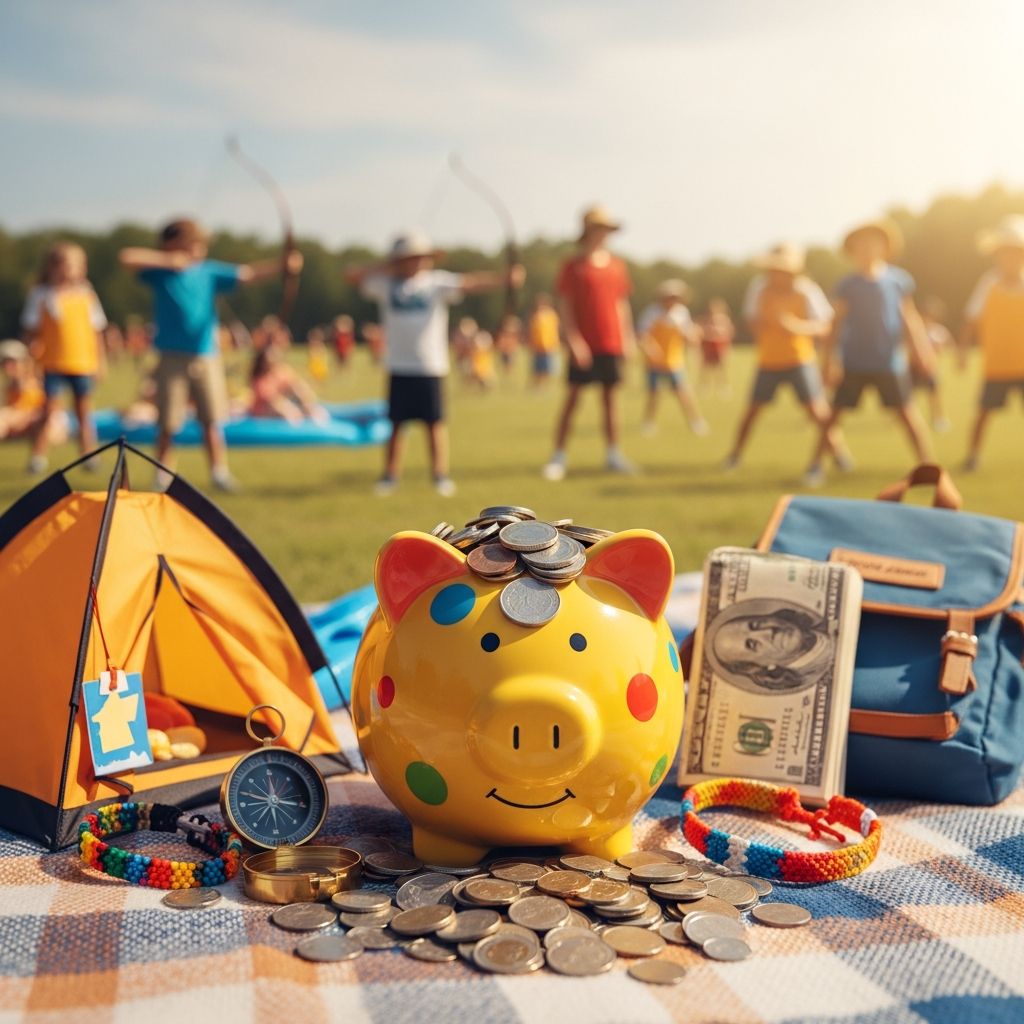
Families across the U.S. are allocating significant budgets for summer camps, with many spending over $2,000 per child as costs climb due to inflation and demand. Day camps average $50 to $500 weekly, while overnight programs range from $1,000 to $2,000 per week, pushing total expenses into the thousands for multi-week stays.
Breaking Down the Price Tags of Modern Summer Programs
Summer camps offer diverse experiences, but their costs vary widely by type, location, and features. Day camps, ideal for local families, typically run $50 to $500 per week, accommodating schedules from early morning to evening. These programs often include activities like sports, arts, and field trips at public parks or community centers, starting as low as $50 weekly for non-profits.
Overnight or sleepaway camps command premium prices of $1,000 to $2,000 per week, with full summers reaching $8,000 to $15,000. Elite options for boys-only or girls-only programs can hit $14,700 for eight weeks, featuring cabins, wilderness skills, and water sports. Specialty camps focusing on STEM, arts, or sports fall between $100 and $1,000 weekly, blending education with fun.
| Camp Type | Average Weekly Cost | Total for 4 Weeks | Key Features |
|---|---|---|---|
| Day Camps (Public/Non-Profit) | $50–$300 | $200–$1,200 | Local activities, flexible hours |
| Private Day Camps | $275–$500 | $1,100–$2,000 | Swimming, gyms, extended care |
| Overnight Camps | $1,000–$2,000 | $4,000–$8,000 | Cabins, nature exploration |
| Specialty Camps | $100–$1,000 | $400–$4,000 | Themed programs like coding or dance |
| Top-Tier Sleepaway | $1,850–$3,700 | $7,400–$14,700 | Exclusive, single-gender options |
This table illustrates averages drawn from 2026 data, showing how choices scale with duration and luxury.
Why Costs Are Skyrocketing in 2026
Inflation has driven a 20% price hike in 2025 alone, following a 23% increase the prior year, as camps grapple with operational expenses averaging $750,000 to $1 million annually. Labor, insurance, facilities maintenance, and food costs contribute, with providers passing these on to families.
Regional differences amplify expenses; urban areas like San Francisco see weekly fees of $550 to $650, especially in boutique Northeast programs. Demand for spots has surged, with enrollment trends showing parents prioritizing camps despite barriers, leading to early sell-outs and premium pricing.
- Operational Pressures: Camps serve hundreds to thousands of kids, with only 5% under 99 campers.
- Inflation Impact: Cumulative 43% rise since 2023 affects families’ discretionary spending.
- Premium Amenities: Pools, tech labs, and specialized staff justify higher rates.
Family Budget Realities and Spending Patterns
A NerdWallet survey indicates 25% of parents plan to spend over $2,000 per child in 2025, with 17% open to debt financing. Budget breakdowns show 41% capping at $1,000, 28% at $2,000, and just 4% exceeding $5,000, yet 80% of attendees hail from above-median income households ($63,179+).
| Budget Range | % of Parents |
|---|---|
| $1,000 or less | 41% |
| $2,000 | 28% |
| $3,000 | 22% |
| $4,000 | 5% |
| $5,000+ | 4% |
Cost ranks as the top barrier for 42% of parents, with 46% citing affordability issues, disproportionately affecting lower-income families where participation drops to 38% vs. 67% for higher earners.
Hidden Fees and Full Expense Picture
Beyond tuition, extras pile up: transportation ($50–$200/week), meals/snacks ($20–$50/day), and extended hours ($10–$20/hour). Overnight camps may add gear lists totaling $300–$500. Full-week day camps at $70–$120/day or overnight at $170–$325/day underscore daily impacts.
- Meals: Packed lunch saves vs. provided ($100+/week extra).
- Transport: Bus services add 10–20% to base fees.
- Activities: Optional horseback riding or kayaking: $50–$150 each.
- Discounts: Multi-week or sibling deals cut 10–25%.
Alternatives When Camps Break the Bank
Not all summers require full camps. Daycare runs $100–$350/week, in-home care $125–$225, babysitters $14–$20/hour daytime ($15–$21 overnight), and nannies $525–$1,000 weekly. Community centers or library programs offer free/low-cost options, while apps connect families for shared childcare.
Pro tips include reallocating budgets—skipping weekly takeout ($30/week = $1,560/year, enough for a full camp week). Seek scholarships: many camps offer need-based aid covering 25–100%.
The Value Beyond the Dollar: Why Parents Pay Up
Despite costs, 45% of U.S. kids miss summer learning, making camps vital for development. Benefits include social skills, independence (especially overnight), STEM exposure, and physical activity, with studies showing improved confidence and friendships. Parents view it as an investment, prioritizing over vacations for some.
Smart Planning for Affordable Summer Fun
Book early—spots fill by January. Compare via spreadsheets on price, location, reviews. Negotiate sibling rates or early-bird discounts (up to 15%). Explore subsidies from YMCA or Scouts ($50–$300/week). Hybrid options blend free park days with paid weeks.
- Assess needs: Day vs. overnight based on age/schedule.
- Budget holistically: Factor extras early.
- Hunt deals: Non-profits first, then private.
- Waitlist wisely: Many open spots in June.
Frequently Asked Questions About Summer Camp Costs
What is the average cost of a summer day camp in 2026?
Day camps average $50–$500 per week, with non-profits at $50–$300 and private at $275–$500.
How much do overnight summer camps cost?
Expect $1,000–$2,000 weekly, totaling $4,000–$15,000 for 4–8 weeks, with discounts for longer stays.
Why have summer camp prices increased so much?
20% rise in 2025 due to inflation, on top of 23% prior, driven by operations costing $750K–$1M yearly.
Are there affordable alternatives to traditional camps?
Yes, daycare ($100–$350/week), babysitters ($14–$20/hour), or free community programs.
What percentage of parents struggle with camp costs?
46% report difficulty, with cost as top barrier for 42%; lower-income kids half as likely to attend.
Do scholarships or financial aid exist for camps?
Many programs offer need-based aid; check YMCA, Scouts, or camp websites for 25–100% coverage.
(Word count: 1,728)
References
- How Much Does Summer Camp Cost? (2026) — TrustedCare. 2026. https://trustedcare.com/costs/summer-camp-cost
- Key Summer Camp Statistics & Attendance Trends for Parents — Camp Keystone. 2025. https://campkeystone.com/key-summer-camp-statistics-attendance-trends-for-parents/
- Camp Enrollment Trends: How to Prepare for 2026 — iCampPro. 2025. https://www.icamppro.com/blog/camp-enrollment-trends-how-to-prepare-for-2026
- Summer Camp Statistics Research Report 2026 — Rustic Pathways. 2026. https://rusticpathways.com/about/research/summer-camp-statistics
- 2026 Camp Booking and Pricing Trends — American Camp Association. 2026. https://www.acacamps.org/blog/sponsored/2026-camp-booking-pricing-trends