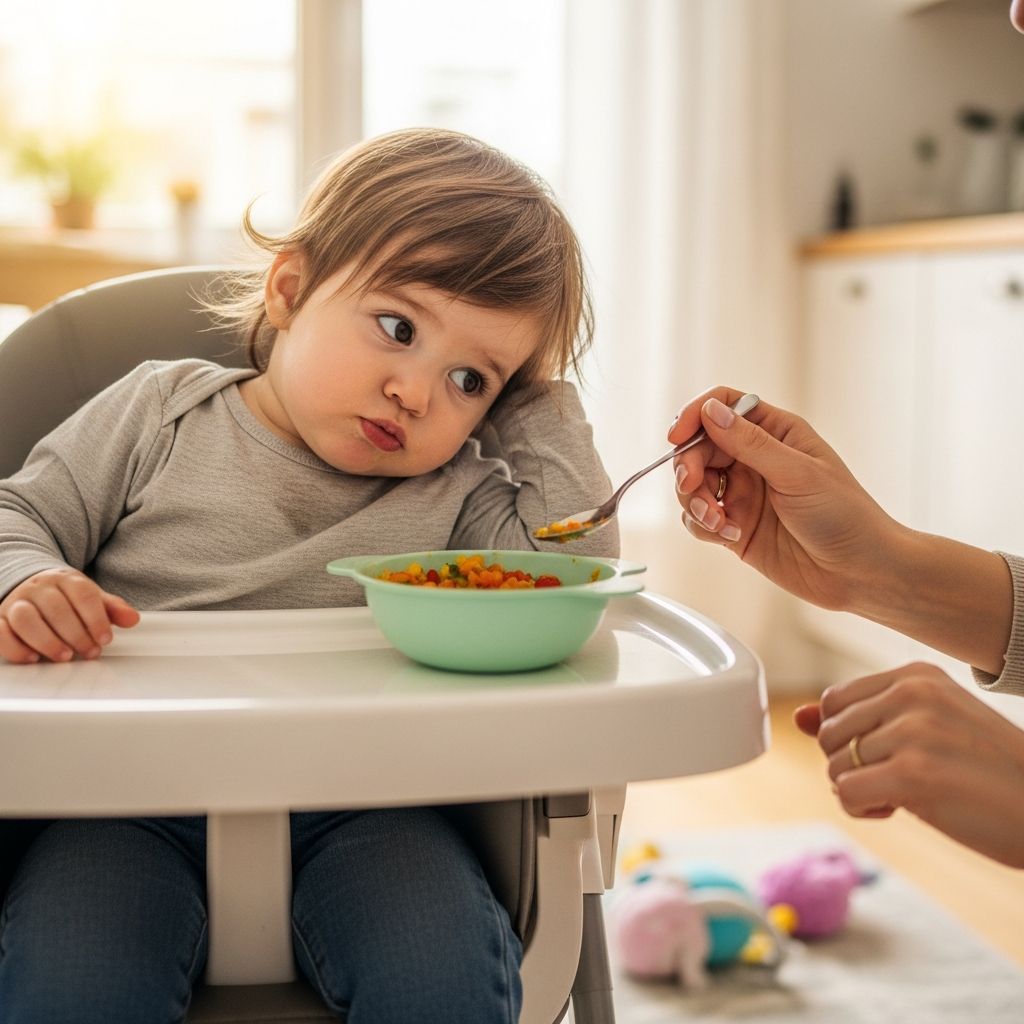
It can be alarming when a 12-month-old eagerly drinks milk but refuses most solid foods, especially when friends’ babies seem to inhale everything in sight. Many toddlers go through a phase where solids are confusing, overwhelming, or simply less interesting than the bottle or breast, and this is often more stressful for caregivers than for the child.
This guide explains common reasons one-year-olds avoid solids, practical ways to encourage eating without pressure, examples of easy starter foods, and clear signs that it is time to ask a pediatric professional for extra support. The goal is to help parents feel calmer, better informed, and ready with realistic strategies they can start using today.
Why Some 12-Month-Olds Avoid Solid Foods
There are many reasons a one-year-old might resist solids, and most of them are related to development, personality, or temporary discomfort rather than something seriously wrong. Babies grow at different speeds and can be on very different timelines for accepting new textures and feeding themselves.
Understanding the possible causes can help parents respond with patience instead of panic, and can also make it easier to decide when reassurance is enough and when to involve a pediatrician, dietitian, or feeding specialist.
Common Reasons for Refusing Solids
- Developmental timing: Some babies simply need more time to learn how to chew, move food around in the mouth, and swallow comfortably.
- Texture sensitivity: New textures can feel strange, especially lumpy, stringy, or mixed-texture foods; gagging is often a learning response, not a danger sign on its own.
- Teething pain: Swollen, sore gums can make chewing uncomfortable, so soft or cold foods may be more acceptable for a week or two.
- Preference for milk: Breast milk or formula still feels familiar, soothing, and easy to consume, so toddlers may naturally prefer it when they are tired or upset.
- Distraction or fatigue: A child who is very sleepy, overstimulated, or busy exploring may ignore the food in front of them, even if hunger is present.
- History of choking scares: If there has been a frightening choking or gagging event, caregivers may tense up at meals, and the child can sense and mirror that anxiety.
What Is Typically Normal at This Age?
By around one year, many children are able to handle finger foods, soft pieces of family meals, and a mix of tastes and textures, but the range of “normal” is wide. Some toddlers happily self-feed three meals and snacks; others still treat solids as an experiment and get most calories from milk.
Rather than focusing on a single meal or day, it helps to look at eating patterns over one to two weeks. Many children have days when they barely nibble, followed by days of enthusiastic eating; growth and health trends matter more than any single fussy lunch.
Typical Patterns Around 12 Months
- Appetite may slow compared with earlier months as growth rate naturally decreases.
- Interest in feeding themselves usually increases, even if they eat very small amounts.
- Food refusal can fluctuate with teething, minor illnesses, or big developmental leaps such as walking.
- Milk intake generally begins to decrease gradually as solids become a larger part of the diet, though this transition can be slow.
Supporting Your Child Without Power Struggles
When a toddler refuses solids, many adults instinctively push harder—offering “just one more bite,” distracting with screens, or coaxing with rewards. These techniques may work once or twice, but they often turn eating into a battle, especially for strong-willed children.
A more sustainable approach is to separate responsibilities: caregivers decide what, when, and where food is offered; the child decides whether and how much to eat from what is provided. This structure encourages trust and long-term healthy eating habits.
Creating a Calm Mealtime Environment
- Offer meals and snacks at fairly consistent times so the child learns a predictable rhythm.
- Seat your toddler safely in a high chair or booster with good support for hips, knees, and feet.
- Turn off television and put away phones so attention can stay on the shared meal experience.
- Participate by sitting and eating your own food rather than hovering over every bite your child takes.
Encouraging, Not Forcing, Solid Foods
- Place small, soft pieces of food on the tray and allow your child to explore, touch, squish, and taste at their own pace.
- Use simple, neutral language such as “Here is your food” instead of pressure phrases like “You have to eat this.”
- Avoid chasing your child with a spoon, hiding food in toys, or forcing bites; these tactics often create long-lasting battles.
- End the meal calmly after a reasonable time, even if little was eaten, and offer a new opportunity at the next scheduled snack or meal.
Practical Starter Foods for Reluctant Eaters
For many toddlers, solids become less intimidating when the food is easy to handle, soft enough to squish, and familiar in taste. Choosing simple, nutrient-dense options can make every bite count, especially when intake is small.
The focus at this stage is on exposure and learning, not perfection. A child who touches and licks a new food has still made progress, even if most of it ends up on the floor.
Soft Finger Foods Many Babies Tolerate Well
- Very ripe banana pieces or strips.
- Steamed carrot or sweet potato sticks that mash easily between fingers.
- Small pieces of soft ripe pear, peach, or avocado.
- Plain pasta shapes cooked until very soft and lightly coated with olive oil or a simple sauce.
- Scrambled egg pieces, if eggs are tolerated.
- Small cubes of soft cheese or tofu.
- Smushed beans or lentils offered as small clumps or spread thinly on soft bread.
Sample Daily Food and Milk Pattern (Approximate)
The amounts below are examples and not targets; some toddlers will eat far less on certain days and more on others. Parents should adjust based on their child’s growth, medical advice, and individual appetite.
| Time of Day | Possible Offering | Notes |
|---|---|---|
| Breakfast | Breast milk or formula, plus soft fruit pieces and a few bites of scrambled egg or yogurt | Offer solids first, then milk, if the child strongly prefers milk. |
| Mid-morning | Small snack such as banana slices or soft crackers, water in a cup | Keep snacks light so appetite remains for lunch. |
| Lunch | Soft cooked vegetables, small pasta pieces, some protein like beans or tofu | Provide variety, but keep portions small to avoid overwhelming the child. |
| Afternoon | Breast milk or formula, plus a simple finger food | Helpful time to offer milk if intake is still high. |
| Dinner | Soft versions of family foods, plus water in a cup | Allow self-feeding and accept mess; this is part of learning. |
| Bedtime | Breast milk or formula if still part of the family’s routine | Consult your pediatrician about nighttime feeds and dental hygiene. |
Balancing Milk and Solids
For many families, the hardest part of encouraging solids is adjusting the balance between milk and food. When a child can fill up quickly on familiar milk, they may have little motivation to work at chewing and swallowing more challenging textures.
Shifting gradually can help. Rather than abruptly cutting down on milk, caregivers can place solids earlier in the routine, allow some time to explore, and then offer milk afterward, while monitoring overall growth and hydration.
Gentle Ways to Shift Toward More Solids
- Offer solids when the child is just starting to feel hungry, not when they are near meltdown from hunger or exhaustion.
- Aim for a short gap between milk and meals so the child arrives at the table with some appetite.
- If bottles are still frequent during the day, consider slowly reducing the number or volume with professional guidance.
- Celebrate small wins—an extra bite, trying a new texture, or sitting happily at the table is meaningful progress.
Working With Gagging, Choking Fears, and Mess
Occasional gagging is common as toddlers learn to move pieces of food around in the mouth. Gagging is a protective reflex; choking, by contrast, is silent and requires immediate action. Caregivers often need reassurance and basic first-aid training to feel comfortable offering solids.
Mess is also a major part of learning to eat. Children learn by exploring food with all their senses, which means wiping walls, floors, and high-chair trays may feel like a second job for many months.
Safety and Sanity Tips
- Avoid high-risk choking foods such as whole nuts, whole grapes, hard raw carrot coins, and sticky spoonfuls of nut butter.
- Cut round foods into small pieces and cook hard vegetables until soft before serving.
- Take an infant/child CPR and choking response course so you feel more confident during meals.
- Use a wipeable mat under the high chair and dress the child in easily washable clothes or a long-sleeved bib to reduce stress about mess.
When to Reach Out for Professional Help
While many cases of food refusal at 12 months fall within a normal range, there are situations where extra support is important. Parents know their children best, and a lingering sense that something is not right should be taken seriously.
Pediatricians can monitor growth and nutrition, while feeding therapists and dietitians can evaluate oral-motor skills, sensory responses, and family feeding patterns to create a tailored plan.
Warning Signs That Deserve Attention
- Little or no interest in solids past 12 months, even after repeated gentle exposure.
- Consistent coughing, choking, or vomiting with most attempts at solid food.
- Noticeable weight loss, poor growth, or signs of nutrient deficiency such as unusual fatigue or pallor.
- Extreme distress at the sight, smell, or feel of most foods, beyond simple pickiness.
- History of medical issues affecting swallowing, digestion, or oral anatomy, such as reflux, prematurity, or structural differences.
Frequently Asked Questions
Is it dangerous if my 12-month-old mostly drinks milk?
For a short period, many healthy children can continue to rely heavily on breast milk or formula while slowly learning to enjoy solids. The main concerns arise if growth falters, if there are signs of nutritional deficiency, or if solid foods are refused entirely over many months; in those cases, professional guidance is essential.
Should I stop offering bottles so my child eats more food?
Suddenly removing bottles or nursing sessions can be distressing for both parent and child and may not instantly improve solid intake. A more gradual approach—offering solids first, then milk, and slowly spacing or reducing milk feeds with pediatric advice—tends to be gentler and more sustainable.
How long should I let my toddler sit at the table?
Most toddlers do best with relatively short, predictable meals—often around 10–20 minutes. Ending meals calmly after that time, even if little was eaten, helps avoid turning the table into a stage for power struggles and teaches that another opportunity to eat is always coming.
What if my child only wants crunchy snacks and refuses softer foods?
Texture preferences are common, and some toddlers gravitate toward crunchy items. Caregivers can offer safer versions of crunchy foods, pair them with softer options on the same plate, and continue gently exposing the child to a variety of textures without forcing any particular item.
Can screens help my child eat more?
Screens may distract a child enough that food goes in, but they also disconnect eating from internal hunger and fullness cues. Over time, relying on screens at meals can make it harder for children to self-regulate their appetite and for families to develop pleasant, interactive mealtime routines.
Key Takeaways for Worried Parents
- Many 12-month-olds take time to embrace solid foods, and small fluctuations in appetite are usually normal.
- Parents can focus on offering regular opportunities to explore soft, safe foods while keeping mealtimes calm and relatively low-pressure.
- Milk remains important, but gradual shifts in timing and quantity can help make room for solids.
- Professional help is appropriate if there are signs of distress, poor growth, or persistent refusal of most foods.
With patience, consistent routines, and a focus on shared enjoyment rather than perfection, most toddlers eventually learn to eat a wider variety of foods in their own time. Caregivers do not need to be perfect; they simply need a supportive plan and the reassurance that progress is possible, even if the path is slow and messy.