Understanding the Critical Window: Nutrition and Child Development
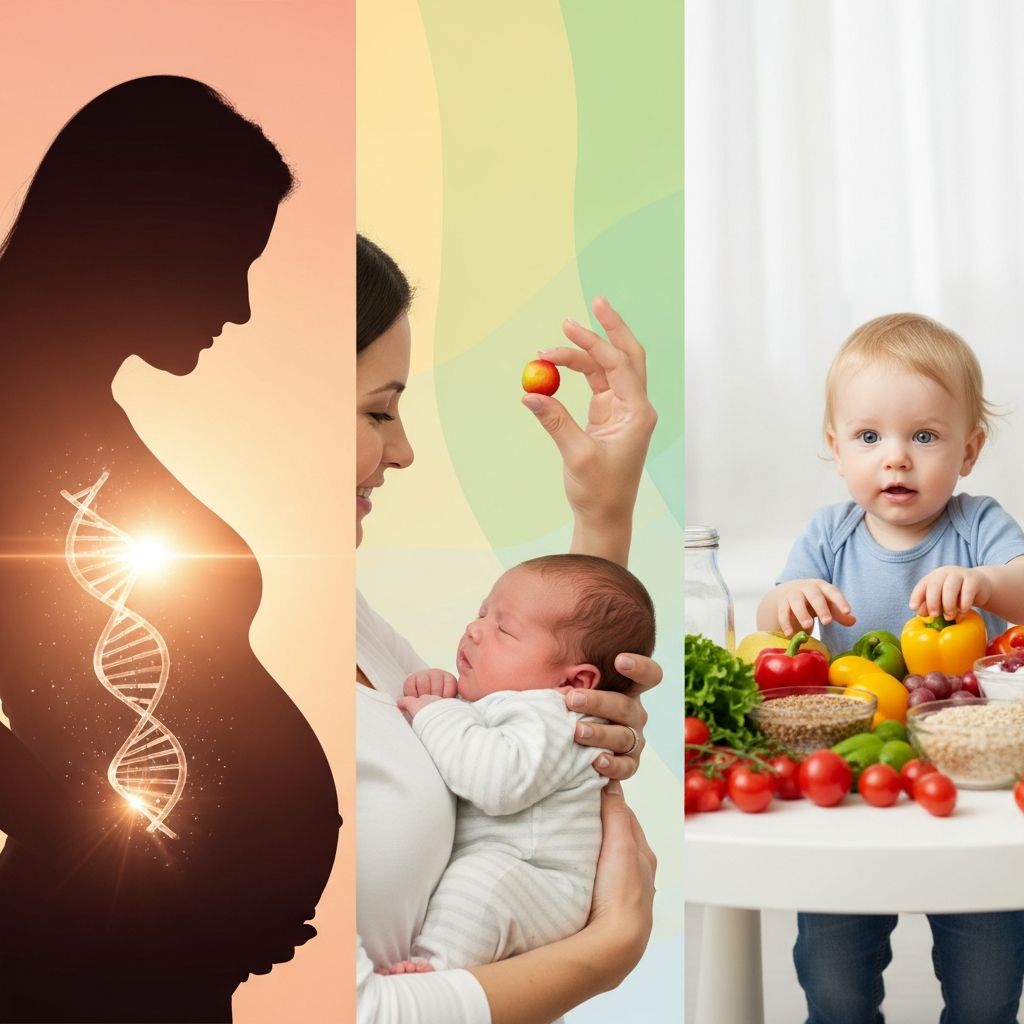
The choices a mother makes regarding nutrition extend far beyond her own health. Scientific research increasingly demonstrates that what parents consume—particularly during pre-conception, pregnancy, and the early years of childhood—creates a foundational blueprint for a child’s lifelong health, behavioral patterns, and developmental trajectory. This concept, often referred to as the “first 1,000 days,” encompasses the period from conception through approximately two years of age and represents a uniquely sensitive timeframe when nutritional interventions can yield profound and lasting benefits.
The emerging field of developmental nutrition recognizes that maternal dietary patterns influence not only immediate birth outcomes but also metabolic programming, immune system development, and neurological function that persists into adulthood. Understanding these connections empowers expectant and prospective parents to make informed choices that benefit their children for decades to come.
The Pre-Conception Period: Laying the Nutritional Foundation
While many discussions about pregnancy nutrition begin at conception, evidence suggests the foundation begins even earlier. The pre-conception period—the months or years before pregnancy occurs—establishes the maternal nutritional baseline that influences fertility, conception success, and early fetal development. During this phase, a woman’s nutritional status, weight, and overall fitness directly affect her reproductive capacity and the quality of the uterine environment that will support fetal growth.
Research demonstrates that achieving and maintaining optimal nutritional status before pregnancy has immediate benefits for conception likelihood and long-term advantages for offspring health. This includes maintaining appropriate weight, ensuring adequate micronutrient stores, and establishing healthy dietary patterns that will support the metabolic demands of pregnancy. The pre-conception window offers an opportunity to address nutritional deficiencies, eliminate harmful dietary patterns, and build metabolic resilience before the intensive demands of pregnancy begin.
Importantly, sex-specific differences emerge even at this stage. Studies show that male and female offspring may respond differently to maternal nutritional status before pregnancy, suggesting that personalized dietary recommendations might eventually account for fetal sex when such information is available during pregnancy.
Pregnancy Nutrition: Critical Stages and Specific Needs
During pregnancy itself, nutritional requirements increase significantly. Healthcare providers, including those from the American College of Obstetricians and Gynecologists, recommend that pregnant women consume approximately 300 additional calories per day to adequately support fetal growth and development. However, the type and quality of those calories matters profoundly.
The pregnancy period consists of three distinct trimesters, each with specific developmental priorities. Recent research has revealed that different trimesters may represent distinct nutritional “windows of vulnerability” or opportunity. One major finding involves the third trimester’s particular sensitivity to maternal dietary patterns, especially those involving high-glycemic-index foods.
The Glycemic Index and Infant Behavioral Development
High-glycemic-index foods cause rapid rises in blood sugar levels and have emerged as a particular concern during pregnancy. These foods include packaged breakfast cereals and bars, white bread, chips, crackers, and highly processed snacks. Research from major academic medical centers has revealed a significant association between consumption of these high-glycemic foods during the third trimester and increased risk for behavioral and mental health challenges in offspring.
The mechanisms appear to involve how maternal blood sugar fluctuations influence fetal neurodevelopment. When maternal blood glucose rises rapidly and repeatedly, the developing fetal brain experiences corresponding fluctuations that may subtly alter neural circuit formation, particularly in regions governing emotional regulation and stress response. These effects manifest in early infancy as measurable differences in infant temperament, behavioral characteristics, and emotion-regulation abilities—all strong predictors of mental health trajectories throughout childhood and beyond.
In contrast, low-glycemic-index foods—including fruits, vegetables, legumes, nuts, and minimally processed whole grains—provide more stable glucose delivery and sustained energy. These foods should form the foundation of a pregnancy diet, particularly during the third trimester when fetal brain development reaches critical stages.
Birth Weight and Early Growth Trajectories
Another measurable outcome of maternal nutrition during pregnancy involves birth weight and early infant growth patterns. Research examining diverse populations across multiple studies found that mothers whose dietary patterns aligned with federal nutrition guidelines had infants with healthier birth weights and more appropriate growth trajectories through the first two years of life.
Specifically, higher diet quality scores were associated with a 12% reduced likelihood of infants being born large for gestational age, alongside lower rates of excessively rapid growth during the critical first 6 to 24 months. This matters because rapid infant growth—while sometimes perceived as desirable—actually serves as a strong predictor of childhood obesity and related metabolic conditions later in life.
The mechanisms connecting maternal nutrition to birth weight and growth involve multiple pathways: adequate micronutrient status supports normal placental development and nutrient transfer, appropriate caloric intake ensures fetal growth without excessive accumulation of fat stores, and stable blood sugar levels promote appropriate metabolic programming.
Building Healthy Diet Quality During Pregnancy
Research has identified specific dietary patterns that promote optimal pregnancy outcomes. These patterns emphasize whole, minimally processed foods that provide essential nutrients while maintaining stable blood sugar levels. Key components include:
- Lean proteins from poultry, fish, legumes, and dairy products that support fetal tissue development
- Whole grains and complex carbohydrates that provide sustained energy and fiber
- Abundant fruits and vegetables offering vitamins, minerals, and phytonutrients
- Healthy fats from sources like nuts, seeds, avocados, and olive oil supporting neurological development
- Adequate dairy or alternative sources of calcium for fetal skeletal development
Importantly, this approach differs from simply “eating for two,” which has led to excessive weight gain in many pregnancies. Instead, the focus remains on nutrient density—consuming foods that maximize micronutrient and macronutrient value within appropriate caloric boundaries. The additional 300 calories needed daily should come from these nutrient-dense sources rather than empty calories from processed foods or added sugars.
The Inflammatory Diet and Metabolic Programming
Beyond glycemic index, research has examined how inflammatory potential of maternal diet affects infant outcomes. Diets high in processed foods, refined carbohydrates, and unhealthy fats tend to promote chronic inflammation in maternal tissues, which can cross into the fetal environment through placental signaling mechanisms.
However, the relationship between maternal inflammatory diet and infant outcomes shows complexity requiring further investigation. While some associations have been identified, the precise mechanisms and clinical implications remain areas of active research. What is clear is that minimizing pro-inflammatory foods and emphasizing anti-inflammatory whole foods represents a prudent approach supported by multiple lines of evidence.
Behavioral Differences and Neurodevelopmental Outcomes
Beyond physical growth metrics, maternal nutrition influences the developing brain in measurable ways. Research examining behavioral outcomes in children whose mothers consumed altered diets—particularly those high in both fats and sugars during pregnancy and pre-conception periods—found significant differences in behavioral patterns that persisted as children grew.
Interestingly, these behavioral differences sometimes included increased risk-taking behaviors rather than the anxiety-related behaviors previously reported in some studies. This variation likely reflects differences in study design and dietary composition, but it underscores an important point: maternal diet creates subtle shifts in neurological wiring that manifest behaviorally across the lifespan. These differences, while not always clinically concerning, represent measurable alterations in how the developing brain responds to environmental and emotional stimuli.
The Transition to Infancy and Beyond
The nutritional foundation established during pregnancy and pre-conception continues to influence development during infancy and into toddlerhood. Breastfeeding, when possible, provides optimal nutrition specifically adapted to infant needs and continues receiving maternal nutrition benefits through breast milk composition. When formula feeding is chosen, selection of high-quality infant formulas ensures adequate micronutrient provision for continued development.
As infants transition to solid foods around six months of age, the introduction of nutrient-dense first foods—including iron-rich cereals, pureed vegetables and fruits, and age-appropriate protein sources—continues supporting optimal developmental trajectories established in utero. The dietary patterns begun during pregnancy influence family eating habits, creating an environmental context that supports continued healthy growth and development.
Sex-Specific Differences in Developmental Response
An emerging area of research reveals that male and female offspring may respond differently to identical maternal nutritional conditions. These sex-specific differences, thought to reflect fundamental biological differences in fetal metabolic programming, suggest that one-size-fits-all dietary recommendations may eventually be refined to account for fetal sex.
Currently, this research remains preliminary, but it highlights the sophistication of developmental processes and the potential for future personalized medicine approaches to pregnancy nutrition. Understanding these differences may eventually allow for more targeted nutritional interventions optimizing outcomes for each child.
Practical Implementation and Healthcare Support
Despite compelling evidence supporting optimal nutrition during pre-conception, pregnancy, and early childhood, access to healthy food remains challenging for many families. Healthcare providers increasingly recognize the need for interventions addressing not only individual dietary knowledge but also systemic barriers to healthy eating, including food security, affordability, and cultural food preferences.
Programs designed to improve pregnant individuals’ access to healthy food and provide evidence-based dietary counseling show promise in supporting better adherence to nutritional guidelines. Integration of nutrition counseling into standard prenatal care, coupled with community resources facilitating access to affordable whole foods, represents an important public health opportunity.
Long-Term Health Implications and Prevention
The significance of maternal nutrition extends to prevention of chronic conditions later in life. Children whose mothers maintained optimal nutrition during pregnancy show reduced risks for obesity, metabolic syndrome, cardiovascular disease, and psychiatric conditions in adulthood. These long-term protective effects, established by early nutritional experiences, demonstrate that investment in maternal nutrition represents investment in population health decades into the future.
From a public health perspective, this evidence suggests that supporting maternal nutrition should rank among priority health interventions, with potential to reduce burden of chronic disease across entire populations through a single, relatively accessible intervention.
Frequently Asked Questions
Q: How much weight should I gain during pregnancy, and does diet affect appropriate weight gain?
A: Recommended weight gain depends on pre-pregnancy body mass index but typically ranges from 25-35 pounds for normal-weight women. Quality diet composed of nutrient-dense foods supports appropriate weight gain that minimizes excess fat accumulation while ensuring adequate fetal development. Focus on food quality rather than calorie counting.
Q: Can maternal diet alone guarantee healthy infant development?
A: While maternal nutrition profoundly influences development, other factors including genetics, overall maternal health, stress levels, physical activity, and sleep also contribute to outcomes. Optimal nutrition works synergistically with these other factors to support best possible infant development.
Q: Is it too late to improve diet if I’m already pregnant?
A: No. Research showing particular sensitivity of the third trimester to dietary patterns suggests that nutritional improvements at any point during pregnancy benefit infant development. While earlier intervention allows more time for metabolic adaptation, making dietary changes during pregnancy remains valuable.
Q: Should I supplement with vitamins during pregnancy?
A: Yes. Prenatal vitamins containing folic acid, iron, calcium, and other essential micronutrients are routinely recommended to ensure adequate intake despite varied food preferences and potential nutrient gaps. Prenatal supplementation is considered standard care rather than optional.
Q: How does maternal nutrition affect breastfeeding success?
A: Maternal nutritional status directly influences breast milk composition, volume production, and recovery from childbirth. Well-nourished mothers typically produce milk with optimal nutritional content and have easier physical recovery, supporting successful breastfeeding establishment.
Q: Are there specific foods I should completely avoid during pregnancy?
A: Yes. High-mercury fish, unpasteurized dairy, raw or undercooked meats and eggs, and certain processed foods require avoidance due to food safety risks. Additionally, minimizing high-glycemic processed foods represents a dietary choice supporting infant behavioral health based on emerging research.
References
- OHSU Study Confirms Link Between Maternal Diet, Risk to Infant Behavioral Health — Oregon Health & Science University. 2025-03-26. https://news.ohsu.edu/2025/03/26/ohsu-study-confirms-link-between-maternal-diet-risk-to-infant-behavioral-health
- Nutrition That Aligns With Guidelines During Pregnancy May Be Associated With Better Infant Growth Outcomes — Echo Children / National Institutes of Health. 2024. https://echochildren.org/nutrition-that-aligns-with-guidelines-during-pregnancy-may-be-associated-with-better-infant-growth-outcomes-nih-study-finds/
- Maternal Diet During Pregnancy Linked to Healthy Infant Growth — Kaiser Permanente Division of Research. 2024. https://divisionofresearch.kaiserpermanente.org/maternal-diet-healthy-infant-growth/
- How What You Eat Can Affect Your Baby’s Birth — Main Line Health. https://www.mainlinehealth.org/blog/what-you-eat-can-affect-baby
- How Does Your Diet Before and During Pregnancy Affect Your Child? — Hudson / Reproductive Health Research. https://hudson.org.au/news/how-does-your-diet-before-and-during-pregnancy-affect-your-child/
- Pregnancy Nutrition and Developmental Origins of Health and Disease — American College of Obstetricians and Gynecologists. https://www.acog.org