Many people hope for instant answers after unprotected sex, but pregnancy is a gradual process with several steps that take days, not minutes. Understanding the timeline from intercourse to implantation can ease anxiety, cut down on obsessive early testing, and help you plan your conception journey more realistically.
The Big Picture: Pregnancy Is a Multi-Step Process
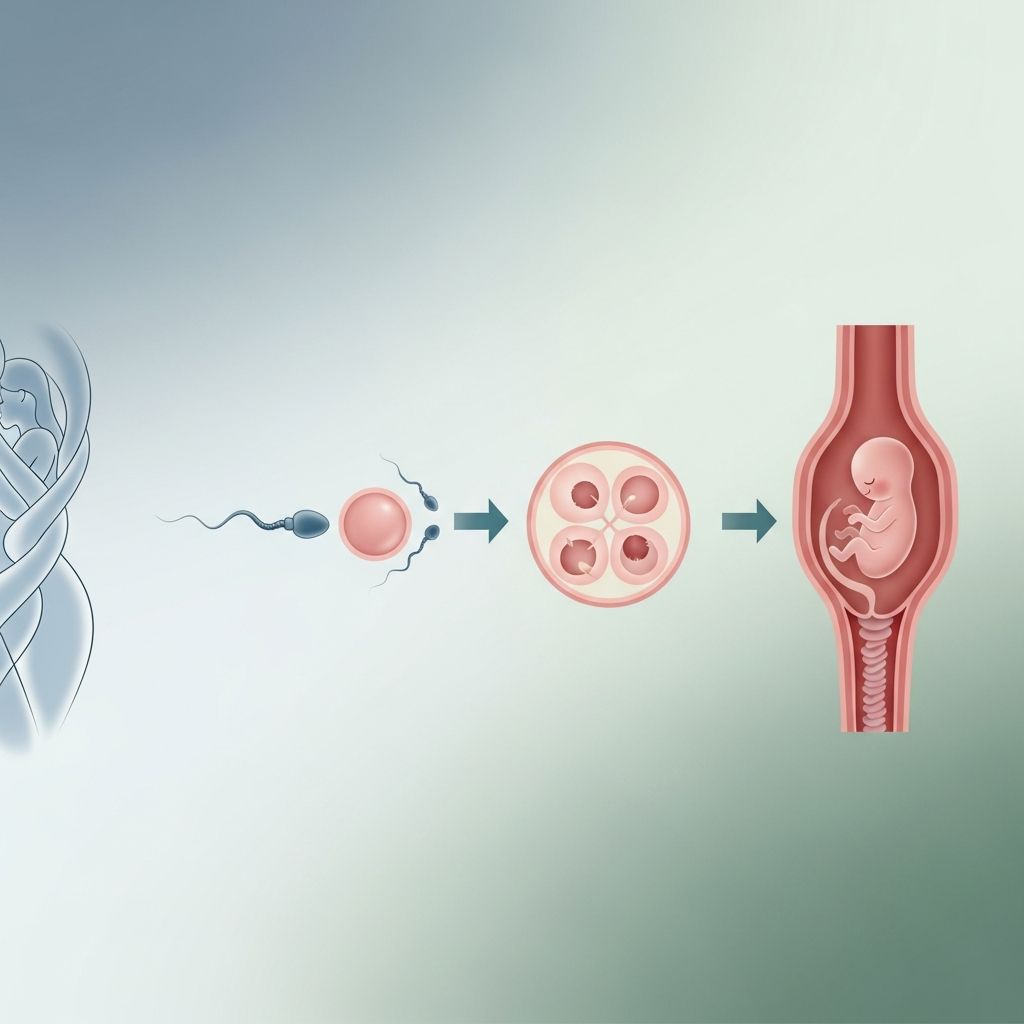
Implantation is only one part of getting pregnant. Before a pregnancy test can turn positive, your body has to move through a sequence of events: ovulation, fertilization, early embryo development, and finally implantation in the uterine lining. Each step has its own timing, and the overall schedule varies from person to person.
Instead of thinking “I had sex, am I pregnant yet?”, it helps to think in stages. This mindset reduces stress and gives you a more accurate sense of when you might see symptoms or a positive test.
- Sex and sperm travel
- Ovulation and fertilization
- Embryo travel through the fallopian tube
- Implantation in the uterus
Typical Timeframes: At a Glance
Every body is unique, but research and clinical experience point to fairly consistent ranges for when implantation is most likely to occur after sex.
| Event | Approximate Timing | What Is Happening |
|---|---|---|
| Sex and sperm ejaculation | Day 0 | Sperm are released into the vagina and start moving toward the cervix. |
| Sperm reach the fallopian tube | Minutes to a few hours after sex | The fastest sperm can reach the tube in under an hour, though many never arrive. |
| Possible fertilization | Within about 12–24 hours of ovulation | If an egg is present in the tube, one sperm may penetrate and fertilize it. |
| Early embryo travel | About 3–5 days after fertilization | The fertilized egg divides into many cells and moves toward the uterus. |
| Implantation window | Roughly 6–10 days after fertilization | The embryo attaches to and burrows into the uterine lining. |
| Total time from sex to implantation | About 6–17 days (most often around 8–12) | Varies with ovulation timing, sperm survival, and individual cycle differences. |
These ranges help explain why some people see early pregnancy signs sooner than others and why one cycle can feel different from the next.
Step 1: What Happens Right After Sex?
Pregnancy does not occur at the exact moment of sex. After ejaculation, millions of sperm are released into the vaginal canal, but only a small fraction ever approach the fallopian tubes. Cervical mucus, pH levels, and the location of the cervix all influence how many sperm make the journey.
The fastest sperm can reach the fallopian tubes in less than an hour, but others may take longer or never arrive. Meanwhile, many sperm die off quickly, while a hardier group may survive several days, patiently waiting for an egg if ovulation has not yet occurred.
The Lifespan of Sperm
- In fertile cervical mucus, sperm may live up to about five days.
- In less favorable conditions, sperm may survive only a few hours.
- This survival window allows sex before ovulation to still result in pregnancy.
Step 2: Ovulation and Fertilization
To conceive, an egg must be released from the ovary (ovulation) and meet sperm in the fallopian tube. Ovulation typically happens around the middle of the menstrual cycle, but the exact day varies widely between individuals and even from month to month.
Once released, an egg only remains viable for about 12–24 hours. If sperm are already present or arrive during this window, fertilization may occur when one sperm penetrates the egg and their genetic material combines.
Key Points About Fertilization
- Sex days before ovulation can still lead to pregnancy because sperm may still be alive when the egg is released.
- Fertilization usually happens in the ampulla, the wider part of the fallopian tube.
- Even if fertilization occurs, a pregnancy will not continue unless implantation later succeeds.
Step 3: The Journey to the Uterus
After fertilization, the new combined cell (zygote) begins dividing into more and more cells during its several-day trip from the fallopian tube toward the uterus. This developing group of cells passes through distinct stages, eventually becoming a structure called a blastocyst by the time it nears the uterine cavity.
During this time, you will not feel any specific symptoms related purely to fertilization or early cell division. From the outside, it may feel like any other cycle, even though important changes are underway at a microscopic level.
Why This Travel Time Matters
- The embryo needs time to reach the uterus and align with the short window when the uterine lining is receptive.
- Hormones such as progesterone help prepare the endometrium (uterine lining) to support an implanting embryo.
- If timing is off, the embryo may not successfully attach, even if fertilization happened.
Step 4: Implantation in the Uterus
Implantation is the moment when the developing embryo attaches to the uterine lining and begins to embed itself more deeply. This typically happens several days after fertilization, often within a window of roughly 6–10 days, though a little earlier or later is still possible in some cycles.
Once implantation begins, the outer cells of the embryo start producing human chorionic gonadotropin (hCG), the hormone detected by pregnancy tests. However, hCG levels are initially very low and need several days to build up before a home pregnancy test can reliably detect them.
How Long After Sex Does Implantation Usually Happen?
The total time from sex to implantation depends mostly on when ovulation occurs relative to intercourse. If you have sex right before ovulation and fertilization happens quickly, implantation may occur on the earlier side of the range. If ovulation is delayed several days after sex, implantation falls later.
- In many cases, implantation happens roughly 8–12 days after sex when intercourse lines up closely with ovulation.
- In other situations, especially when ovulation occurs several days after sex, implantation may not occur until 2+ weeks later.
- It is unrealistic to expect implantation (or a positive test) within just a couple of days of intercourse.
Common Signs That Implantation May Have Occurred
Not everyone notices implantation, and many who are pregnant never recall any specific symptom from that exact period. Still, a few subtle changes can appear around the time the embryo attaches to the uterine lining. These are easy to confuse with premenstrual symptoms, so they are never a guarantee on their own.
Possible Implantation-Related Sensations
- Light spotting: A small amount of pink or brown discharge that is lighter and shorter than a typical period.
- Mild cramping: Gentle twinges or a dull ache in the lower abdomen, often less intense than menstrual cramps.
- Subtle fatigue: A sense of being unusually tired, even without obvious changes in activity.
- Breast changes: Slight tenderness, fullness, or sensitivity caused by rising hormone levels.
Because these symptoms overlap with what many people feel in the days before a period, it is not possible to rely on them alone to confirm implantation. A pregnancy test taken at the correct time is still the most practical way to know.
When to Take a Pregnancy Test
Even once implantation has taken place, your body needs a bit more time to produce enough hCG for a test to detect. Testing too early can lead to a frustrating negative result, even if you did conceive that cycle. Waiting a few more days usually gives a clearer answer.
General Testing Guidelines
- Most people get the most reliable result by testing on or after the first day of a missed period.
- Highly sensitive tests may detect pregnancy a few days before the expected period, but false negatives are more common at this stage.
- If a test is negative but your period does not start, waiting 2–3 days and testing again can help avoid confusion.
Remember that urine concentration also matters. Testing first thing in the morning, when urine is typically more concentrated, can slightly improve early detection chances.
Why the Timeline Varies From Person to Person
Two people can have sex on the same day and follow similar cycles yet experience different implantation timings. Slight shifts in ovulation day, sperm quality, embryo development speed, and uterine receptivity all influence when (or whether) implantation occurs.
This variability explains why trying to track down the exact day of implantation can be so challenging. While some apps and calculators estimate it based on ovulation or last period dates, these are only approximations rather than precise measurements.
Factors That Can Influence Implantation Timing
- Cycle length and regularity.
- Timing and frequency of intercourse around the fertile window.
- Hormone levels, especially progesterone.
- Overall reproductive health and the condition of the uterine lining.
- Natural biological variability from one cycle to the next.
Coping With the Two-Week Wait
The stretch of time between possible conception and the day you can reliably test is often called the “two-week wait”. This period can be emotionally intense, especially for those who have been trying to conceive for a while or have experienced loss.
Because you cannot speed up implantation or hormone production, focusing on self-care and realistic expectations is usually more helpful than repeated very-early testing.
Practical Tips During the Wait
- Limit how often you test to avoid emotional whiplash.
- Continue any healthy habits recommended for conception, such as balanced nutrition and moderate activity.
- Consider tracking symptoms casually, but remember they are not definitive proof of pregnancy.
- Reach out to a partner, friend, or support community if worry is overwhelming.
Frequently Asked Questions About Implantation Timing
Can implantation happen just a day or two after sex?
That would be extremely unlikely. Even under ideal conditions, sperm need time to travel, fertilization must occur, and the embryo needs several days to reach the uterus and prepare for implantation. Usually, at least several days separate sex from the earliest possible implantation.
Is it possible to feel when implantation happens?
Some people report brief cramps or spotting around the time implantation is thought to occur, but many feel nothing at all. Small sensations in the pelvis are common for many reasons throughout the cycle, so it is very difficult to identify implantation by feel alone.
Does bleeding always mean implantation was successful?
No. Light spotting can be related to hormonal shifts, upcoming menstruation, or cervical irritation, among other causes. While implantation bleeding is a popular explanation online, many pregnant people never have any spotting, and many who spot are not pregnant that cycle.
Can late implantation cause problems?
There is ongoing research into whether very late implantation may be linked with a slightly higher chance of early loss, but many healthy pregnancies begin with implantation at the later edge of the typical range. A single cycle cannot reveal the full story of fertility; patterns over time are more informative.
If I know my implantation date, can I know my due date exactly?
Implantation can give a more refined estimate of early development timing, but due dates are still approximations. Even with careful tracking, babies come on their own schedule, and a healthy birth often occurs within a broad window around the calculated date.
Key Takeaways for Anyone Trying to Conceive
Understanding what happens between sex and implantation can make the early days of each cycle feel less mysterious and less stressful. Pregnancy is the result of a series of coordinated steps, not a single instant, and many of those steps unfold silently over the course of one to two weeks.
- It generally takes several days after sex before implantation can even begin.
- Most implantation happens roughly 1–2 weeks after intercourse, depending on when ovulation occurs.
- Symptoms are unreliable indicators; a well-timed pregnancy test is still the clearest way to know.
- Variability from cycle to cycle is normal, and one month’s timing does not define long-term fertility.
If you have ongoing concerns about your cycles, implantation timing, or difficulty conceiving, a conversation with a healthcare professional or fertility specialist can provide personalized guidance beyond general timelines.