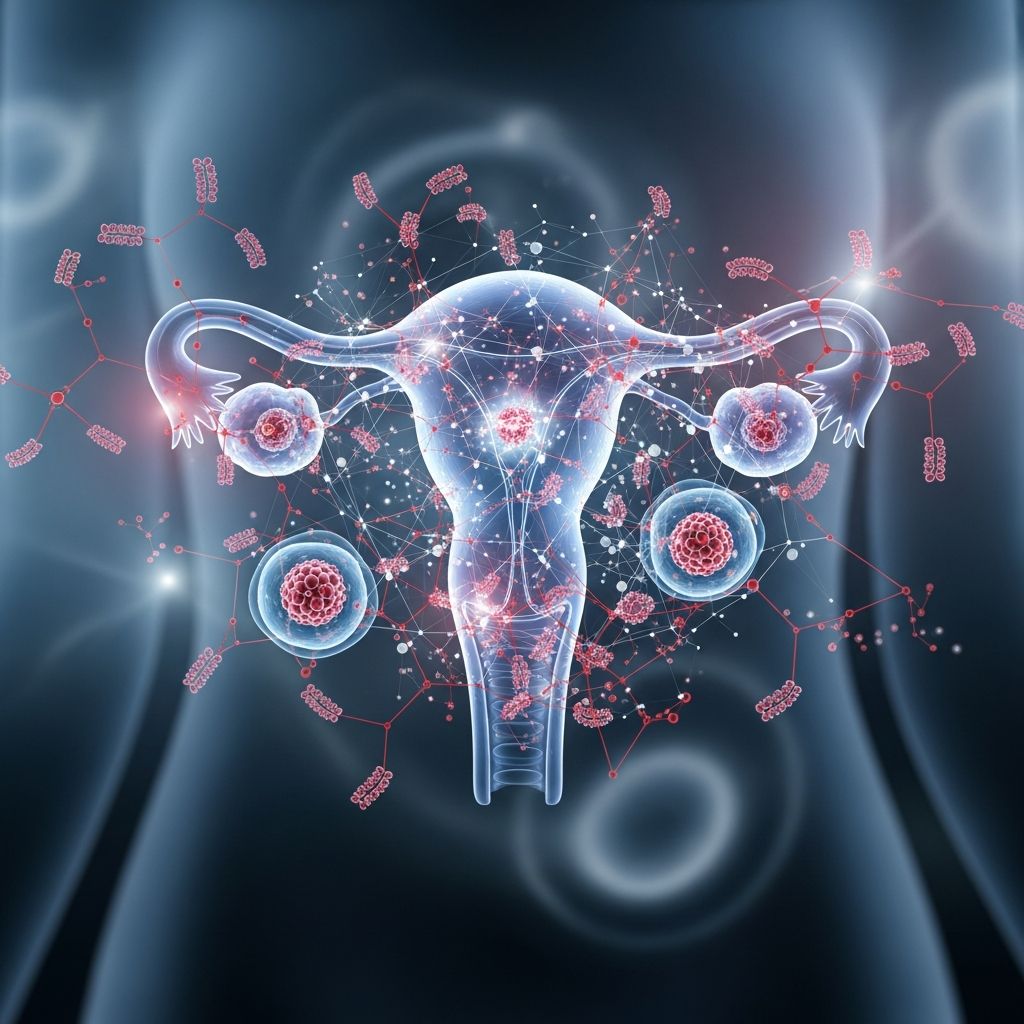
Endometriosis is best known as a painful gynecological condition, but research increasingly shows that it also involves the immune system in complex ways. Many women with endometriosis live with additional autoimmune or inflammatory conditions, leading to an important question: is endometriosis itself an autoimmune disease, or does it simply share overlapping mechanisms?
This article explores what endometriosis is, how it affects the immune system, why autoimmune diseases appear more common among those affected, and what that means for diagnosis, treatment, and everyday life. It mirrors the key themes typically covered in discussions of the endometriosis–autoimmune link: definitions, mechanisms, comorbidities, research findings, and patient perspectives.
What Is Endometriosis?
Endometriosis is a chronic condition in which tissue similar to the lining of the uterus (endometrium-like tissue) grows outside the uterus. These growths, often called lesions or implants, can occur on the ovaries, fallopian tubes, pelvic lining, bladder, bowel, and, in rare cases, even outside the pelvic cavity.
Because this tissue responds to hormonal changes, it can swell and bleed during the menstrual cycle, but the blood and debris have no easy way to exit the body. This can lead to irritation, inflammation, scarring, adhesions, and sometimes cysts (endometriomas).
- Endometriosis is estimated to affect roughly 1 in 10 people of reproductive age with a uterus.
- Symptoms can range from mild to disabling and do not always correlate with the visible extent of disease.
Common Symptoms of Endometriosis
Symptoms vary widely, which can delay diagnosis and contribute to the misconception that severe menstrual pain is “normal.” Some individuals are asymptomatic and discover endometriosis during fertility evaluations or surgery for other reasons.
- Severe menstrual cramps that interfere with daily activities.
- Chronic pelvic pain, sometimes persisting outside of the menstrual period.
- Pain during or after sexual intercourse.
- Painful bowel movements or urination, especially during menstruation.
- Heavy or irregular menstrual bleeding.
- Fertility challenges or difficulty conceiving.
- General symptoms such as fatigue, bloating, or low back pain.
Because many of these symptoms overlap with other disorders (such as irritable bowel syndrome, bladder pain syndrome, or pelvic floor dysfunction), misdiagnosis or underdiagnosis is common.
What Is an Autoimmune Disease?
Autoimmune diseases are conditions in which the immune system mistakenly attacks the body’s own healthy cells and tissues. Instead of targeting infections or foreign invaders, immune cells mount a response against organs, glands, or connective tissues.
Examples include rheumatoid arthritis, systemic lupus erythematosus (lupus), multiple sclerosis, Hashimoto’s thyroiditis, and type 1 diabetes. Many autoimmune conditions are chronic, fluctuate over time, and can affect multiple organ systems.
- Autoimmune diseases are more common in women than men, especially during reproductive years.
- They often involve autoantibodies (antibodies directed at the body’s own tissues) and persistent inflammation.
- Symptoms may include fatigue, joint pain, rashes, digestive issues, neurological problems, or organ-specific dysfunction.
Key Features of Autoimmunity vs. Endometriosis
The overlapping demographic profile (predominantly affecting women in their reproductive years) and the chronic, inflammatory nature of both endometriosis and autoimmune diseases naturally invite comparison. However, they are not identical entities.
| Feature | Endometriosis | Classic Autoimmune Disease |
|---|---|---|
| Primary target | Endometrium-like tissue growing outside the uterus | Specific organ or tissue (e.g., joints, thyroid, pancreas) |
| Role of hormones | Strongly hormone-dependent; often worsens with menstrual cycle | Hormones may modulate disease, but are not always central drivers |
| Autoantibodies | Altered immune markers may be present, but classic tissue-specific autoantibodies are not a defining feature | Often defined or diagnosed partially by autoantibody patterns |
| Classification | Generally classified as a chronic inflammatory, hormone-dependent condition with immune dysfunction | Explicitly classified as autoimmune based on self-directed immune attack |
| Common comorbidities | Pelvic pain syndromes, infertility, and increased rates of immune-related conditions | Other autoimmune diseases, cardiovascular risk, metabolic or neurological complications |
Is Endometriosis Officially Classified as an Autoimmune Disease?
Most experts and major medical organizations currently do not classify endometriosis as a classic autoimmune disease. Instead, it is typically described as a chronic, estrogen-dependent inflammatory condition with significant immune dysregulation.
However, many studies report immune system abnormalities in people with endometriosis, and large population analyses have found that autoimmune and inflammatory diseases appear more frequently in this group than in the general population. This has led some researchers to describe endometriosis as having “autoimmune-like” features or as existing on a spectrum of immune-mediated disease.
How the Immune System Is Involved in Endometriosis
The immune system usually helps clear menstrual debris and any endometrium-like cells that escape into the pelvic cavity. In endometriosis, this clearance process seems to be impaired, allowing misplaced cells to implant, survive, and grow.
- Inflammation: Lesions secrete inflammatory molecules (cytokines and chemokines) that attract immune cells and create a chronic inflammatory environment.
- Altered immune cell function: Natural killer (NK) cells, macrophages, and T cells may not recognize or destroy endometrial-like cells effectively.
- Angiogenesis (blood vessel formation): Immune and inflammatory factors promote new blood vessels, which help lesions persist and expand.
- Neuroinflammation: Inflammatory mediators can sensitize nerves, contributing to severe and persistent pain.
These immune abnormalities do not necessarily mean the immune system is attacking healthy tissue in the same directed way seen in lupus or type 1 diabetes, but they do suggest a fundamental imbalance or dysfunction in immune regulation.
Why Autoimmune Diseases Are More Common in People With Endometriosis
Many studies have reported higher rates of autoimmune or immune-mediated conditions in individuals with endometriosis than in those without it. These can include rheumatologic, gastrointestinal, neurological, and skin diseases.
Examples of Reported Comorbid Conditions
- Rheumatoid arthritis and other inflammatory arthritis.
- Autoimmune thyroid disorders (e.g., Hashimoto’s thyroiditis).
- Systemic lupus erythematosus and Sjögren’s syndrome.
- Celiac disease and inflammatory bowel diseases.
- Multiple sclerosis or other demyelinating conditions.
- Psoriasis and other immune-mediated skin diseases.
These associations do not prove that endometriosis directly causes autoimmune disease, but they suggest a shared vulnerability. Genetics, environmental triggers, hormonal influences, and baseline immune dysregulation may all contribute to why some bodies develop multiple conditions over time.
Possible Explanations for the Endometriosis–Autoimmune Link
Researchers have proposed several mechanisms that might help explain why endometriosis and autoimmune diseases tend to cluster together in some individuals.
- Shared genetic risk: Certain genetic variants might increase the likelihood of both endometriosis and specific immune-mediated diseases. Family history of either condition could reflect this shared susceptibility.
- Chronic inflammation: Persistent inflammation can disrupt normal immune regulation and may, over time, contribute to the development of autoimmunity in genetically predisposed people.
- Hormonal and immune interplay: Estrogen can influence immune responses, and hormone-driven changes in endometriosis may amplify inflammatory or autoimmune tendencies.
- Barrier dysfunction and microbiome changes: Some theories suggest that alterations in the gut or pelvic environment might trigger immune activation and cross-reactivity.
- Diagnostic bias: People with endometriosis are often in more frequent contact with the healthcare system, giving clinicians more opportunities to notice and diagnose co-existing diseases that might otherwise remain undetected.
Autoimmune-Like Features Observed in Endometriosis
Several features of endometriosis resemble aspects of autoimmune disease, even though the condition is not formally classified as one.
- Chronic course and flares: Symptoms may wax and wane, with episodes of increased pain or fatigue resembling flares seen in autoimmune conditions.
- Immune dysregulation: Abnormal immune cell behavior and inflammatory signaling are consistently observed in research.
- Association with other immune conditions: As noted, individuals with endometriosis appear more likely to have additional immune-related diseases.
- Systemic symptoms: Beyond pelvic pain, some people experience whole-body fatigue, brain fog, and generalized aches that feel similar to autoimmune or inflammatory syndromes.
These similarities have prompted some clinicians and patients to describe endometriosis as an “immune-mediated” condition and to advocate for more integrated care that looks beyond the reproductive system alone.
Why Terminology Matters for Patients
Whether endometriosis is labeled an autoimmune disease or an immune-related disorder is not just a semantic debate. The language used can influence research funding priorities, clinical guidelines, and how seriously symptoms are taken.
For many patients, hearing that endometriosis involves the immune system validates their lived experience of systemic symptoms, exhaustion, and comorbid illnesses. It can also encourage a more holistic diagnostic process, leading to earlier detection of additional conditions that need treatment.
Implications for Diagnosis and Testing
Currently, there is no simple blood test that can definitively diagnose endometriosis. Laparoscopic surgery with visual confirmation and, ideally, tissue biopsy remains the gold standard, though imaging (such as ultrasound or MRI) can help detect certain types of lesions or cysts.
Because of the immune and autoimmune connections, some clinicians may also consider additional testing in patients with endometriosis who have suggestive symptoms of other conditions.
- Blood tests for thyroid function and thyroid antibodies if fatigue, weight, or temperature regulation issues are present.
- Screening for celiac disease or inflammatory bowel disease in those with significant gastrointestinal symptoms.
- Evaluation for rheumatologic diseases when joint pain, stiffness, or rashes are reported.
An integrated approach can help distinguish whether symptoms stem primarily from endometriosis, from an overlapping autoimmune disease, or from a combination of both.
Treatment Approaches: Hormones, Surgery, and Beyond
Endometriosis treatment typically focuses on pain relief, suppression or modulation of estrogen, and removal or reduction of lesions. Even when the immune system is recognized as a contributor, current standard therapies are not usually the same as those used for classic autoimmune conditions.
- Pain management: Nonsteroidal anti-inflammatory drugs (NSAIDs), neuropathic pain medications, pelvic floor physical therapy, and other multimodal approaches.
- Hormonal therapies: Combined hormonal contraception, progestins, gonadotropin-releasing hormone (GnRH) analogues, or other drugs aimed at suppressing ovulation and reducing estrogen levels.
- Surgical management: Laparoscopic excision of lesions, treatment of adhesions, and management of endometriomas when appropriate.
- Supportive strategies: Nutrition, stress reduction, sleep optimization, and gentle movement can support overall immune and hormonal health, though they do not replace medical treatment.
For those who also have confirmed autoimmune or inflammatory diseases, additional therapies such as immunosuppressants or biologic agents may be part of the treatment plan under specialist care.
Living With Endometriosis and Possible Autoimmune Conditions
Managing endometriosis alongside one or more autoimmune diseases can be physically and emotionally demanding. Many patients navigate pain, fatigue, appointments with multiple specialists, and uncertainty about future fertility or disease progression.
Key strategies that often help include:
- Building a care team that may include a gynecologist, pain specialist, rheumatologist, gastroenterologist, and mental health professional.
- Keeping a symptom journal to track pain, fatigue, flares, and potential triggers.
- Seeking accommodations at work or school when symptoms interfere with daily functioning.
- Joining support groups, either in person or online, to share experiences and coping strategies.
Key Takeaways About the Endometriosis–Autoimmune Relationship
- Endometriosis is a chronic, hormone-dependent, inflammatory condition with clear involvement of the immune system.
- It is not formally classified as a traditional autoimmune disease, but it shows several immune-mediated and autoimmune-like features.
- People with endometriosis appear to have higher rates of various autoimmune and inflammatory conditions than the general population.
- Shared genetics, chronic inflammation, hormonal effects on immunity, and diagnostic patterns may all contribute to this overlap.
- Recognition of the immune connection can encourage more comprehensive screening and more holistic, patient-centered care.
SEO-Optimized FAQs
Is endometriosis considered an autoimmune disease?
No. At present, most medical authorities classify endometriosis as a chronic, estrogen-dependent inflammatory condition rather than a classic autoimmune disease. However, it clearly involves immune system dysfunction and is associated with a higher likelihood of other autoimmune or immune-mediated illnesses.
Why do people say endometriosis is like an autoimmune disease?
Endometriosis shares several features with autoimmune diseases, including chronic inflammation, involvement of multiple body systems, immune dysregulation, and an increased risk of co-existing autoimmune conditions. For this reason, some researchers and patients refer to it as an immune-mediated or autoimmune-like disorder, even though it does not meet all the formal criteria used to define autoimmunity.
What autoimmune diseases are most commonly linked with endometriosis?
Studies have reported higher rates of conditions such as rheumatoid arthritis, autoimmune thyroid disease, lupus, Sjögren’s syndrome, celiac disease, inflammatory bowel disease, multiple sclerosis, and psoriasis among people with endometriosis. The exact risk can differ between studies and populations, and not everyone with endometriosis will develop another immune condition.
Can treating endometriosis improve autoimmune symptoms?
Treating endometriosis may reduce pelvic pain, inflammation, and hormone-related symptoms, which can improve overall quality of life. However, autoimmune diseases usually require their own targeted therapies, and improvements in one condition do not always translate directly to remission of another. Coordinated care between specialists is important.
Should I be tested for autoimmune disease if I have endometriosis?
Routine screening for every autoimmune disease is not necessary for all people with endometriosis. That said, if you experience symptoms such as persistent joint pain, unexplained rashes, extreme fatigue, significant digestive issues, or neurological changes, it is reasonable to discuss further evaluation and targeted testing with your healthcare provider.
Does having endometriosis mean my immune system is weak?
Not necessarily. Endometriosis is associated with immune system differences and dysregulation, but that does not always translate into a globally “weak” immune system or increased susceptibility to every infection. It is more accurate to say the immune system behaves differently in certain tissues and contexts, particularly in the pelvic environment.
Can lifestyle changes help my immune system if I have endometriosis?
Lifestyle changes cannot cure endometriosis or autoimmune diseases, but they can support overall immune and hormonal health. Many patients benefit from balanced nutrition, adequate sleep, stress management, regular gentle movement, and avoiding smoking. These strategies are best used alongside, not instead of, evidence-based medical care.
What should I ask my doctor about the autoimmune connection?
You might ask whether your symptom pattern suggests another immune-mediated disease, whether specific tests are appropriate, and how any additional diagnoses would change your treatment plan. It can also be helpful to inquire about coordinated care between gynecology, rheumatology, gastroenterology, or other specialties, depending on your symptoms.