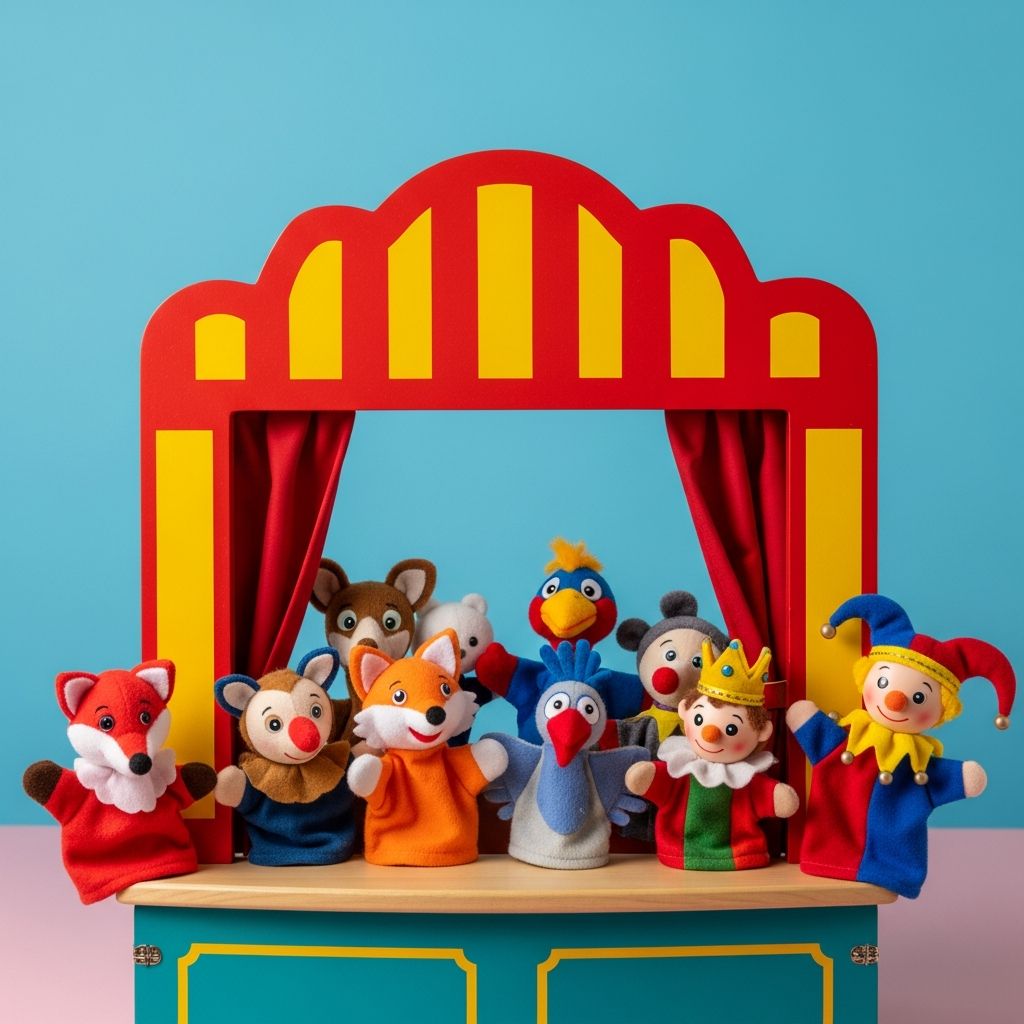
Hand puppets and small puppet theatres look like simple toys, but in the hands of a child they quickly become powerful tools for learning, communication, and emotional growth. When children bring a puppet “to life,” they are practicing language, storytelling, problem-solving, and social skills in a way that feels playful and natural.
Why Puppets Are So Powerful for Learning
Puppets capture children’s attention and invite them into an imaginative world where anything is possible. Because the puppet feels like a separate character, many children feel safer exploring big ideas, tricky emotions, and new vocabulary through its “voice” than they do speaking as themselves.
- Puppets offer a low-pressure way for shy or anxious children to communicate.
- They turn everyday lessons into stories and mini-performances that children remember.
- Puppets make abstract concepts more concrete by acting them out in real time.
Language and Vocabulary Development
Language growth is one of the clearest educational benefits of hand puppets. When children talk to a puppet, speak as the puppet, or listen to an adult perform with it, they are constantly practicing conversation skills and experimenting with new words.
- Children naturally use longer sentences and richer vocabulary when role-playing with a puppet.
- Adults can model new words and phrases through the puppet, making them memorable and fun.
- Puppets encourage turn-taking in conversation: ask a question, wait for an answer, respond.
For example, a weather puppet might introduce words like “stormy,” “breezy,” or “forecast” as it chats with children about the day. Over time, children begin to use these words on their own in everyday speech.
Early Literacy and Storytelling Skills
Puppet play lays a strong foundation for reading and writing because it is, at its core, storytelling. When children put on a puppet show, they are thinking about characters, settings, problems, and solutions—the same elements they encounter in books.
- Retelling favorite stories with puppets helps children remember plot, sequence, and key details.
- Children experiment with narrative structure: beginnings, middles, and satisfying endings.
- Acting out stories supports comprehension because children “live” the events instead of only hearing them.
Parents and teachers can invite children to create simple scripts or story maps before a puppet performance. This gently introduces planning, organizing ideas, and later, early writing skills when children are ready to put words on paper.
Social Skills and Cooperation
Hand puppets and puppet theatres also support social development. When more than one child is involved, they must negotiate roles, share space, and coordinate their ideas to make a performance work.
- Children learn to listen to others’ ideas while planning scenes together.
- They practice taking turns speaking and moving their puppets on stage.
- Conflicts about who plays which character or how a story ends become opportunities to learn compromise.
In group settings like classrooms, a puppet can even act as a “social coach,” demonstrating how to greet friends, ask to join a game, or apologize after a mistake in a light, engaging way.
Emotional Expression and Confidence
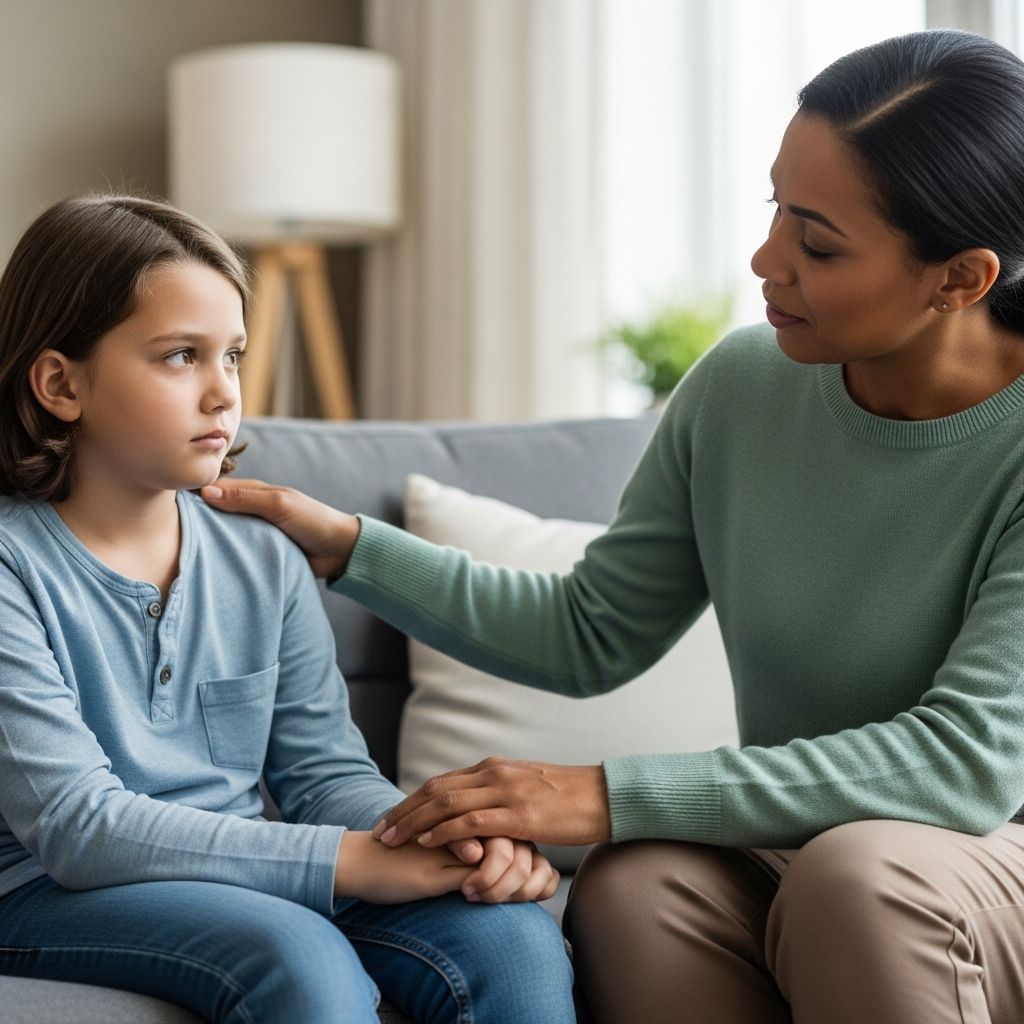
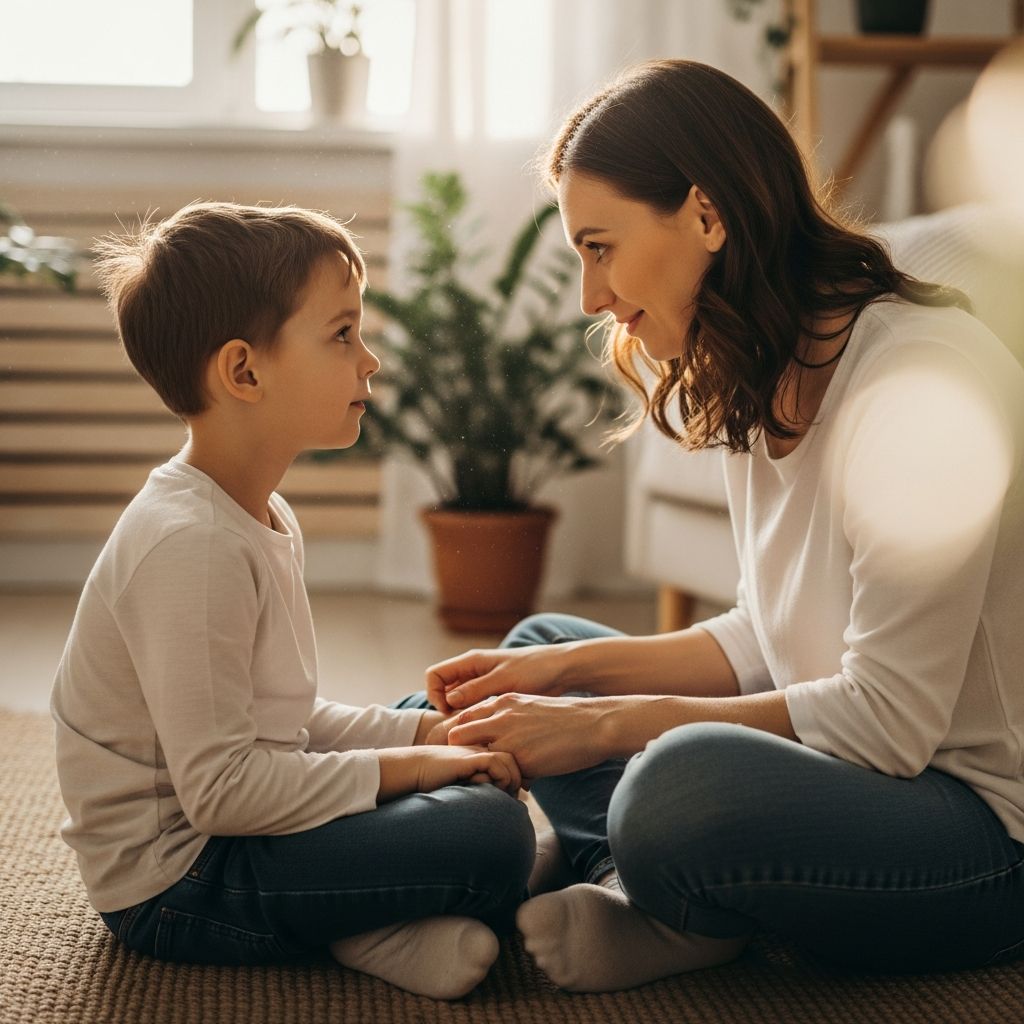
Many children find it easier to express big feelings when they are speaking through a puppet rather than as themselves. The puppet becomes a safe buffer that lets them explore emotions from a slight distance.
- Puppets can model healthy ways to express sadness, anger, worry, and excitement.
- Children can re-enact difficult situations with puppets and experiment with different solutions.
- Performing for a small audience, even just one adult, builds confidence and a sense of accomplishment.
For a child who is nervous about starting school or making new friends, a puppet character can “go first,” asking questions and naming worries. Over time, many children become braver and more willing to speak for themselves.
Imagination, Creativity, and Problem-Solving
Puppet play is an open-ended, imaginative activity. A simple hand puppet can become a teacher, a dragon, a doctor, or a space explorer—whatever the child dreams up that day. This kind of flexible thinking supports creativity and problem-solving skills in other areas of life.
- Children invent characters, personalities, and backstories for their puppets.
- They create their own worlds and rules, learning to think “what if” and consider alternatives.
- When story problems arise—like a puppet losing a toy—children brainstorm ways to fix them.
This process helps children practice resilience: if the first idea does not work in the story, they can try another, all within a safe, playful setting.
Fine Motor Skills and Coordination
Hand puppets also quietly support physical development. Moving the puppet’s mouth, head, and arms requires coordination between fingers, hands, and eyes, which helps build fine motor skills that later support writing, drawing, and self-care tasks.
- Squeezing and releasing a puppet helps strengthen small hand muscles.
- Coordinating speech with puppet movements improves timing and body awareness.
- Setting up a simple puppet theatre involves tasks like arranging props and backdrops, which further builds coordination.
For children who need extra practice with hand strength or control, puppetry offers an enjoyable, low-pressure way to work those muscles without it feeling like “therapy” or a drill.
Using Puppets at Home
Parents do not need expensive materials to begin using hand puppets for learning at home. A couple of simple puppets and a cardboard box can become a full puppet theatre experience.
- Turn bedtime stories into mini puppet shows, acting out key scenes.
- Use a puppet to introduce daily routines: brushing teeth, cleaning up toys, getting ready for school.
- Invite your child to “teach” the puppet something they know, such as counting to ten or naming colors.
These small moments keep learning light and playful, while also giving parents insight into how their children see the world and what they may be worrying or wondering about.
Using Puppets in the Classroom or Childcare Setting
In early childhood classrooms, puppets can become trusted “co-teachers”. Educators often find that children listen more closely and participate more actively when a puppet introduces an activity or question.
- Start circle time with a puppet greeting each child by name to build community.
- Use a puppet to demonstrate classroom rules in a friendly, non-threatening way.
- Introduce new topics—like seasons, animals, or feelings—through short puppet skits.
Puppets can also be incorporated into literacy centers, dramatic play areas, or small-group work. When children rotate through these centers, they get repeated, varied practice using language and social skills.
Simple Puppet Theatre Ideas
Creating a puppet theatre does not require special equipment. With a bit of creativity, an everyday space can become a stage that invites children to perform and explore.
- Use a large cardboard box or a table draped with a sheet as a simple puppet stage.
- Let children decorate the “theatre” with drawings of curtains, stars, or scenery.
- Rotate backdrops (e.g., a forest, a city, a classroom) to spark new story ideas.
Adding basic props like toy food, cardboard houses, or paper crowns further enriches stories and encourages children to connect puppet play with their own experiences.
Choosing and Making Hand Puppets
There is no single “right” kind of puppet. What matters most is that children feel comfortable using it and excited to give it a voice. Store-bought puppets are helpful, but homemade versions can be just as engaging.
- Consider a mix of people, animals, and fantasy characters to inspire different types of stories.
- Use socks, paper bags, or felt scraps to create simple DIY puppets at home or in class.
- Invite children to draw faces and choose names, which helps them feel ownership and connection.
Involving children in making the puppets adds another layer of creativity and fine motor practice, and often leads to stories that reflect their interests and personalities.
Sample Learning Goals and Puppet Activities
| Learning Goal | Example Puppet Activity |
|---|---|
| Build new vocabulary | Introduce a “word of the day” that the puppet uses in a short skit; invite children to use the word in their own puppet conversations. |
| Practice storytelling | Ask children to retell a favorite picture book with puppets, focusing on beginning, middle, and end. |
| Support emotional literacy | Use a feelings puppet to talk about being sad, mad, or worried, and brainstorm helpful coping strategies. |
| Encourage cooperation | Have small groups create a short puppet play together, deciding on roles and working out disagreements. |
| Strengthen fine motor skills | Offer a variety of puppets with different ways to move (e.g., buttons, strings, finger holes) to encourage hand and finger control. |
Tips for Making Puppet Play Inclusive
Puppet activities can be adapted so that children of different ages, abilities, and communication styles can participate meaningfully. This makes puppetry a flexible tool for inclusive learning environments.
- Allow nonverbal children to participate by moving puppets, choosing props, or pressing sound buttons.
- Offer puppets that represent diverse cultures, abilities, and family structures.
- Keep performances short and pressure-free; focus on the process, not on putting on a “perfect” show.
When children see themselves represented in the characters they play, they are more likely to engage deeply and feel that their stories and identities are valued.
Frequently Asked Questions (FAQs)
What age is best to start using hand puppets?
Babies and toddlers can enjoy watching simple puppet movements and hearing playful voices, while preschoolers and early elementary children are usually ready to take the lead and perform with puppets themselves. The key is to keep interactions short, engaging, and tailored to each child’s attention span.
Do I need to be a good performer to use puppets with my child?
No acting experience is necessary. Children respond to warmth, consistency, and enthusiasm far more than professional performance skills. A simple change of voice, a few repeated phrases, and a willingness to be silly are more than enough to make a puppet feel alive.
How often should I use puppets for learning?
Short, frequent puppet interactions usually work better than rare, long shows. Integrating puppets for just a few minutes during storytime, transitions, or problem-solving moments keeps them fresh and exciting without overwhelming children.
Can puppets help children with speech or social delays?
Puppets can be a supportive tool for many children who find direct conversation stressful. By speaking “through” a puppet, some children feel more comfortable practicing sounds, words, and social exchanges. Families should always work in partnership with speech-language or developmental professionals for individualized guidance.
What if my child is not interested in puppets?
Not every child will connect with puppets right away, and that is okay. Try different types of puppets, let your child create their own, or allow them to be the audience instead of a performer. Often, interest grows over time as children see how much fun others are having.
Bringing It All Together
Hand puppets and puppet theatres turn ordinary playtime into a rich learning laboratory. Through simple stories and playful performances, children strengthen language, literacy, social skills, emotional understanding, creativity, and motor control—all while having fun. With just a few puppets and a bit of imagination, parents and educators can open the curtains on powerful, child-centered learning experiences.