In today’s evolving family dynamics, fathers hold a profound influence on their sons’ understanding of masculinity. By embodying qualities like empathy, accountability, and active involvement, dads provide living blueprints for what it means to be a man. This article delves into the transformative impact of fatherhood, drawing from real-life inspirations to highlight how everyday actions shape future generations.
The Power of a Father’s Daily Presence
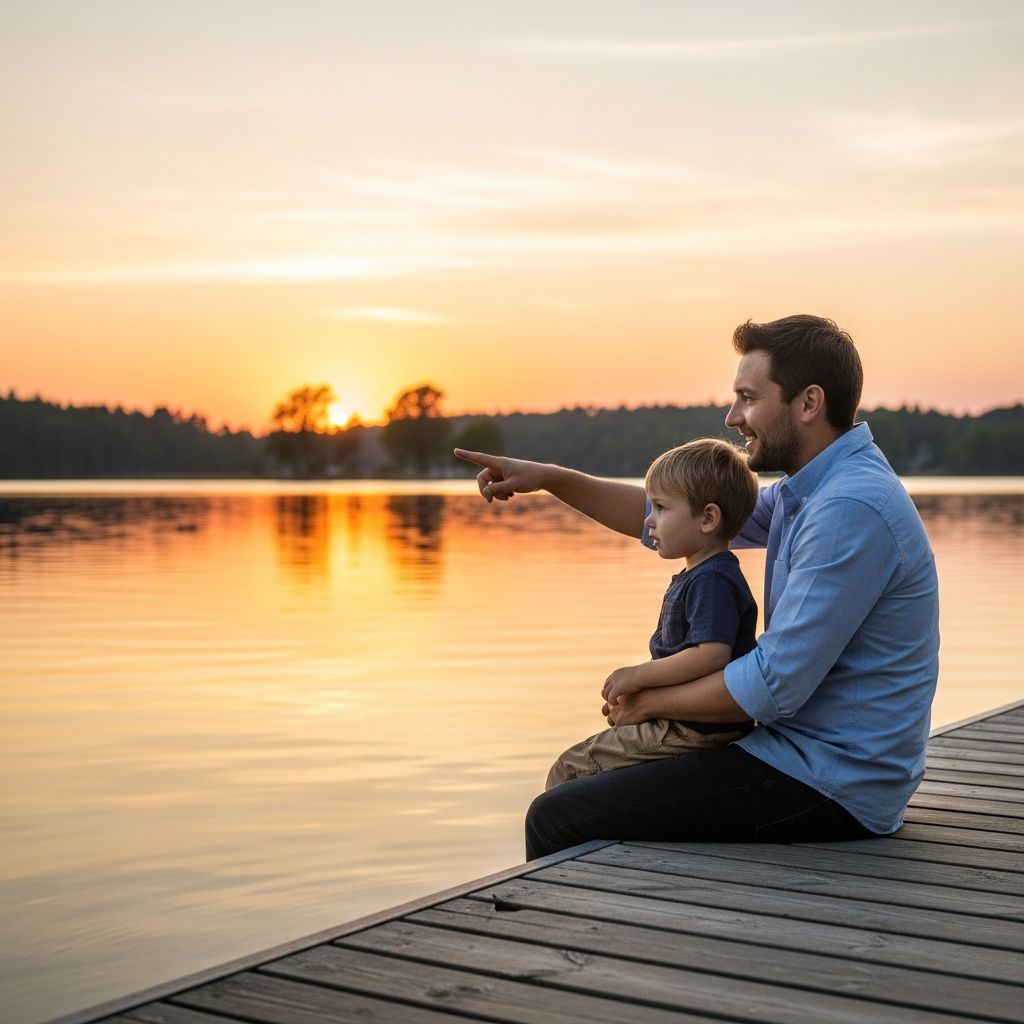
A father’s consistent engagement transforms ordinary moments into powerful lessons. From tucking sons into bed to sharing meals, these interactions build security and trust. Boys learn that strength lies not in dominance but in reliability and warmth.
Consider how simple routines reinforce bonds. Mornings spent preparing breakfast together teach teamwork, while evening stories spark imagination and emotional openness. Such habits cultivate a sense of belonging, essential for healthy development.
- Shared household chores demonstrate shared responsibility.
- Playtime encourages physical activity and joy without competition.
- Quiet conversations validate feelings, promoting mental resilience.
Research from child development experts underscores this: consistent paternal involvement correlates with better emotional regulation in boys. Fathers who prioritize presence help sons navigate life’s complexities with confidence.
Redefining Strength: Vulnerability as Courage
Traditional views often equate manhood with stoicism, yet modern fathers are rewriting this narrative. By expressing emotions openly, dads show sons that vulnerability is a hallmark of true strength. Admitting fatigue after a long day or sharing excitement over small victories models authenticity.
This approach counters societal pressures. Boys witnessing their fathers cry during heartfelt moments or seek support during challenges internalize that seeking help is brave, not weak. It fosters men who communicate effectively in relationships and workplaces.
| Myth of Manhood | Reality Modeled by Dads |
|---|---|
| Hide emotions | Express feelings honestly |
| Solve problems alone | Ask for and offer support |
| Dominate to lead | Lead through empathy |
These shifts create emotionally intelligent adults, better equipped for partnerships and fatherhood themselves.
Equal Partnership in Parenting
Fathers who share parenting duties equally dismantle outdated stereotypes. No longer are dads mere helpers; they are co-creators in their children’s lives. Diaper changes, school runs, and bedtime routines become shared missions, teaching sons that family work is a joint endeavor.
This equality extends to emotional labor. Dads planning family schedules or comforting during tantrums show boys that caregiving is inherent to manhood. It prepares them to be present partners, rejecting the notion of secondary roles.
- Dividing nighttime feedings builds mutual understanding.
- Attending school events signals priority on family.
- Discussing discipline strategies promotes unity.
Such involvement not only strengthens marriages but also instills in sons a commitment to balanced family life.
Building Resilience Through Guidance
Dads guide sons through failures, turning setbacks into growth opportunities. Whether consoling after a lost game or encouraging persistence in homework, fathers teach perseverance. This mentorship builds grit, vital for adulthood.
Physical activities like biking or sports provide platforms for these lessons. A fall followed by a father’s encouragement reinforces that mistakes are stepping stones. Emotionally, validating disappointments while highlighting strengths nurtures self-efficacy.
Boys learn to balance ambition with grace, understanding success stems from effort and adaptability.
Fostering Compassion and Empathy
Compassionate fathers raise empathetic sons. Acts like helping neighbors or comforting siblings demonstrate kindness as strength. Discussions on fairness and justice expand worldviews, encouraging boys to champion others.
Family volunteering or conversations about current events cultivate social awareness. Dads modeling apologies after arguments show accountability, teaching sons to own mistakes and repair relationships.
This foundation yields men who prioritize community, breaking cycles of emotional detachment.
The Ripple Effect on Family Dynamics
A father’s example influences the entire household. Sons observing respectful spousal interactions learn healthy love. Mothers feel supported, creating harmonious homes where boys thrive.
Marriages flourish when dads actively parent, reducing resentment and enhancing intimacy. Sons absorb this, aspiring to similar unions. The cycle perpetuates positive masculinity across generations.
Challenges and Triumphs of Modern Fatherhood
Fathers face pressures from work demands and societal expectations. Balancing careers with family requires intentionality. Yet triumphs—first steps witnessed, proud achievements celebrated—outweigh struggles.
Support networks like dad groups offer camaraderie. Prioritizing self-care ensures sustainability, modeling holistic wellness for sons.
Frequently Asked Questions (FAQs)
What role does a father play in a son’s emotional development?
Fathers significantly influence emotional growth by modeling vulnerability and support, helping boys develop resilience and empathy.
How can dads promote equal parenting at home?
By sharing all tasks—from chores to emotional care—dads set examples of partnership, rejecting helper stereotypes.
Why is vulnerability important for boys to learn from dads?
It teaches that strength includes emotional openness, preparing sons for authentic relationships and mental health.
What activities strengthen father-son bonds?
Daily routines like meals, play, and talks build trust; adventures like hikes add excitement and lessons.
Can single dads model true manhood?
Absolutely—through dedication, seeking community support, and consistent presence, they exemplify responsibility and love.
Long-Term Impact: Sons Becoming Fathers
The ultimate reward is seeing sons emulate these traits. Boys raised by involved dads often become nurturing fathers, perpetuating compassion. This legacy redefines manhood for society.
Statistics affirm this: children with engaged fathers excel academically and socially. The investment yields dividends in healthier communities.
References
- Children and Youth Study — U.S. Department of Health and Human Services. 2023-10-15. https://www.childwelfare.gov/pubpdfs/issue_brief_child_welfare_fathers.pdf
- The Role of Fathers in Child Development — National Institute of Child Health and Human Development. 2024-02-20. https://www.nichd.nih.gov/publications/pubs/documents/fathers_child_dev.pdf
- Father Involvement and Child Well-Being — American Psychological Association. 2022-09-12. https://www.apa.org/monitor/2022/09/special-father-involvement
- Engaged Fatherhood for the 21st Century — Centers for Disease Control and Prevention. 2025-01-08. https://www.cdc.gov/violenceprevention/pdf/fatherhood-a3.pdf
- Paternal Involvement in Child Rearing — Harvard University Graduate School of Education. 2023-11-05. https://www.gse.harvard.edu/ideas/usable-knowledge/23/11/fathers-matter