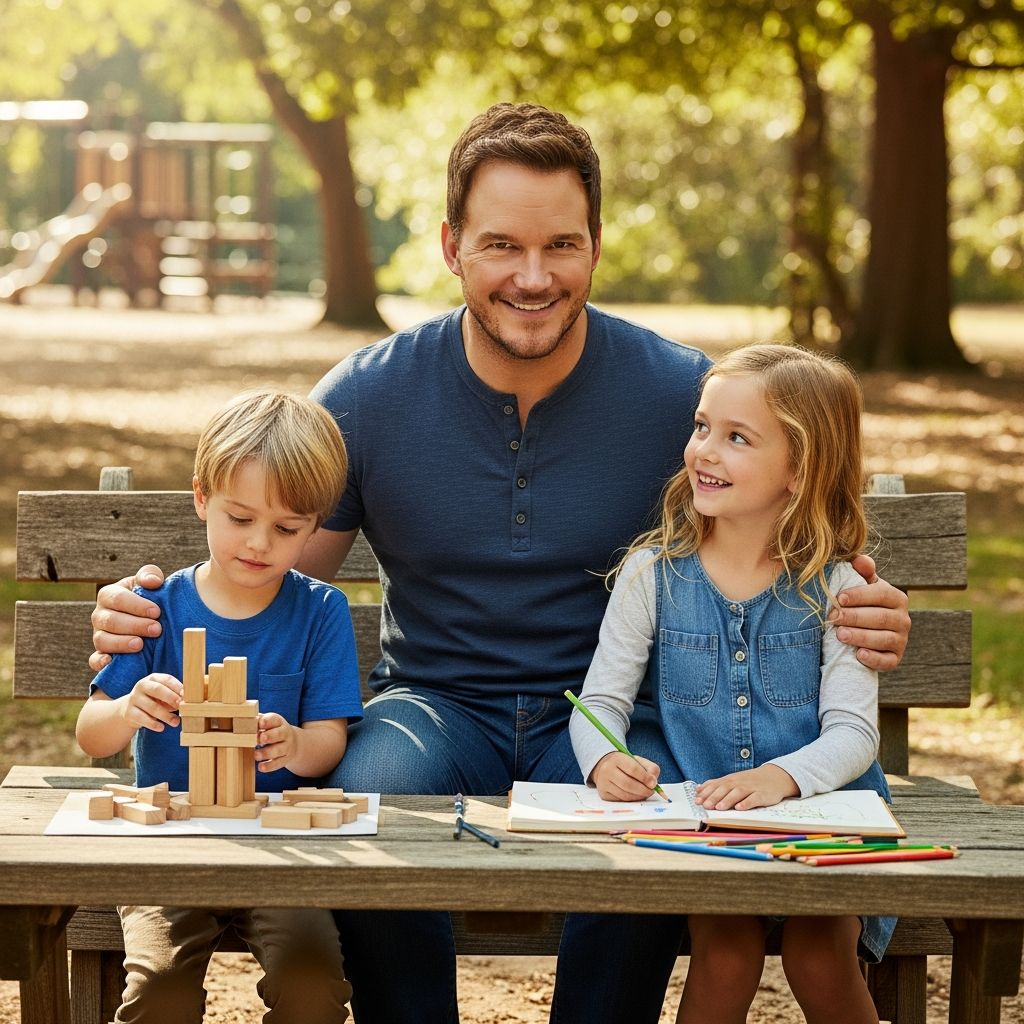
Many fathers want their sons to feel deeply loved but worry that too much softness will somehow weaken them. At the same time, boys are growing up in a world that questions old ideas of what it means to be a man. This tension often leaves dads unsure how to show affection, set firm limits, and still raise emotionally strong, resilient young men.
This article explores practical, grounded ways fathers can communicate love to their sons while modeling a version of masculinity that is strong, kind, and emotionally aware. It is inspired by themes from contemporary discussions on fatherhood and masculinity but offers a fully original structure, examples, and guidance.
Rethinking Masculinity in the Father–Son Bond
For generations, many boys were taught that being a man meant staying tough, not crying, and handling problems alone. That model can make fathers feel they must hide vulnerability or affection—even with the child they love most. Yet research and lived experience show that emotional availability from fathers does not make boys weak; it gives them a secure foundation for confidence, independence, and healthy relationships.
Modern masculinity is less about suppressing feelings and more about integrating them with strength. A father who can be firm and caring, protective and gentle, accountable and humble, offers his son a richer template for becoming a man. Love becomes not just a feeling but a way of living, speaking, and choosing.
Core Ways Fathers Communicate Love to Sons
Every father–son relationship is different, but loving dads tend to send similar messages through their daily behavior. These messages matter more than big speeches or dramatic gestures. They are woven into how a father shows up, listens, touches, corrects, apologizes, and dreams alongside his son.
- “You are worth my time.”
- “Your feelings are real and allowed.”
- “You are responsible for your actions, and I believe you can grow.”
- “You never have to earn my love, even when we disagree.”
- “Being a man includes kindness, courage, and honesty.”
These messages are not usually spoken in a single moment. They are implied over years of consistent presence, guidance, and repair.
Presence Over Performance: Showing Up as Love
Many fathers feel pressure to prove love by providing more—better schools, more activities, bigger opportunities. Provision matters, but to a child, presence nearly always matters more. A son rarely remembers the exact gift amount, but he often remembers who showed up for his games, his fears, and his questions.
Being present is less about quantity of hours and more about the quality of attention. A father who cannot control his schedule can still control what he does with the time he has.
Practical ways to communicate presence
- Turn toward your son when he speaks—put the phone down, meet his eyes, and respond thoughtfully.
- Create small, predictable rituals: a weekly walk, late-night snack chats, or a Sunday morning drive.
- Show up for important moments: performances, games, ceremonies, and hard conversations.
- Remember details about his world—friends’ names, favorite games, current worries.
Presence says, “You matter enough for me to rearrange myself around you at least some of the time.” That is love in action.
Affection Without Apology: Physical Love Between Men
Some fathers pull back from physical affection as their sons grow older, afraid it will be “awkward” or that boys will outgrow the need for hugs. Yet physical affection remains a powerful way to reassure sons that they are cherished, safe, and welcome—even as they approach or enter manhood.
Physical touch does not undermine masculinity. The opposite is often true: boys who grow up with affectionate fathers are more at ease in their bodies and less threatened by hugging, comforting, or being close to others.
Age-appropriate affection ideas
| Age Range | Examples of Affection | Message Conveyed |
|---|---|---|
| Toddler–Early Childhood | Lap time, playful wrestling, carrying, bedtime snuggles | You are safe, cherished, and welcomed onto my body and into my space. |
| School Age | High-fives, side hugs, hair ruffles, goodnight hugs, sitting shoulder-to-shoulder | My closeness to you is normal and nothing to be ashamed of. |
| Preteen–Teen | Firm hugs, hand on the shoulder, playful bumps, arm around the back, handshake that turns into a brief hug | You are becoming your own person, but you still belong here. |
| Young Adult | Strong hugs hello and goodbye, shoulder clasp, sitting together during serious talks | My love for you does not expire or shrink with age. |
Fathers can also ask what their sons are comfortable with, modeling respect for boundaries: “Do you want a hug or just a fist bump?” Respectful choice strengthens, rather than weakens, the bond.
Words That Build, Not Break
Boys often remember the sharp, offhand comments from their fathers long after the moment has passed. That does not mean a dad must speak perfectly; it does mean that words carry weight. A steady diet of criticism and sarcasm can leave sons feeling chronically not good enough, even if love is assumed.
Verbal love is about clarity: a son should not have to guess whether his father is proud, loves him, or believes in him. He should hear it in plain language across the years.
Helpful versus harmful father phrases
| Harmful Pattern | More Helpful Alternative |
|---|---|
| “What’s wrong with you?” | “Help me understand what happened here.” |
| Only commenting when something is wrong | Noticing and naming effort: “I saw how hard you worked on that project.” |
| Teasing that targets weaknesses or vulnerabilities | Playful humor that never questions your son’s worth or dignity |
| Withholding praise to “keep him humble” | Stating directly: “I love you,” “I’m proud of you,” “You matter to me no matter what.” |
Words are free, but their absence can be extremely costly. Even if a father feels awkward, a simple “I love you, son” spoken regularly becomes an anchor for a boy’s sense of self.
Discipline as an Expression of Love
Some fathers equate love with permissiveness and harshness with strength. In reality, boys need a combination of warmth and limits: boundaries communicate, “I care what happens to you,” while cruelty or unpredictability communicates, “You are on your own.” The way a father corrects a son teaches him as much about love as the moments of praise do.
Healthy discipline does not humiliate. It focuses on behavior, not identity, and it leaves room for growth and second chances.
Principles of loving discipline
- Be clear and predictable. Sons should know the rules and the likely consequences.
- Keep your tone firm but respectful; avoid name-calling, threats, or shaming.
- Explain the “why” behind important rules so they connect to values, not just power.
- Circle back after conflict to reaffirm love: “I was upset, but I love you and we’ll figure this out.”
When discipline is anchored in care, sons learn that being held accountable is not the opposite of being loved—but part of it.
Modeling Emotional Courage
Many fathers were never shown how to talk about feelings beyond anger or irritation. Yet boys watch their fathers closely to understand what emotions are acceptable. When a dad only ever shows anger, a son may assume that sadness or fear are signs of weakness, not normal human responses.
Emotional courage means being willing to admit, “I am hurt,” “I’m worried,” or “I don’t know,” without collapsing or losing authority. That combination—vulnerability plus steadiness—teaches sons that emotions are tools, not threats.
Small emotional habits that matter
- Name your own feelings in everyday language: “I’m disappointed this didn’t work out, but we’ll try again.”
- Ask specific questions instead of “How was your day?”—for example, “What was one hard thing and one good thing today?”
- Normalize tears or visible emotion in appropriate moments without mocking or shaming.
- Show your son how you calm yourself—deep breathing, a short walk, or pausing before responding.
When a father treats emotions as manageable, his son learns that self-control includes, but is not limited to, “toughing it out.”
Teaching Strength That Does Not Crush
Fathers have a powerful role in teaching boys what strength looks like. If strength is only portrayed as dominating others, never backing down, or never asking for help, boys may grow up brittle and afraid of making mistakes. A more grounded strength looks very different.
Healthy masculinity emphasizes responsibility, integrity, and the willingness to protect without devaluing others. That kind of strength allows boys to be assertive without being cruel, ambitious without being hollow, and independent without being emotionally cut off.
Ways to model healthy strength
- Admit when you are wrong and take responsibility without excuses.
- Stand up for your son when needed, but also encourage him to solve age-appropriate problems.
- Show that respect is non-negotiable: the way you speak to partners, strangers, and your son himself.
- Demonstrate that asking for guidance—from mentors, friends, or professionals—is wise, not weak.
When sons witness this kind of strength, they are more likely to develop a masculinity that is both confident and compassionate.
Repairing Mistakes and Healing Old Patterns
No father gets this right all the time. Many carry wounds from their own upbringing—fathers who were absent, oppressive, or emotionally distant—and may discover themselves repeating patterns they promised to leave behind. The good news is that repair is an incredibly powerful form of love, and it is available at any stage of the relationship.
Repair means facing the impact of your behavior without defensiveness, acknowledging your son’s experience, and working toward change. That process models humility and growth more strongly than a lifetime of pretending to be perfect.
Steps toward meaningful repair
- Choose a calm time and begin with ownership: “There are ways I have hurt you that I want to face.”
- Invite his perspective: “How did my anger/absence/criticism affect you?” Then listen without correcting his memories.
- Apologize specifically for your actions, not for his feelings alone.
- Share how you plan to do things differently and ask for patience as you practice new habits.
Even adult sons benefit profoundly from a father’s sincere attempt to heal what has been damaged. It is never too late to become more loving.
Daily Habits That Deepen the Bond
Love between a father and son is not built on grand gestures nearly as much as on consistent, small behaviors. Over time, simple routines and micro-interactions add up to a durable sense of connection and security.
- Share one daily check-in question, such as “What’s something you’re looking forward to tomorrow?”
- Keep a shared project: a garden bed, a model, a weekly cooking night, or a workout plan.
- Practice a “no devices” window when you are together, even if it is only 20 minutes a day.
- Celebrate effort and character as much as results—kindness, persistence, honesty, creativity.
These habits tell sons that love is not conditional on perfect performance but grows naturally from shared life.
Frequently Asked Questions
1. My father was distant. How do I avoid repeating that with my own son?
Awareness is already a powerful first step. Instead of judging yourself for what you did not receive, use it as a guide to what you want to offer: presence, words of affirmation, affection, and openness. Start small—one honest conversation, one regular ritual, one apology where it is needed. Each new choice rewrites the pattern a little more.
2. Will too much affection make my son soft or dependent?
Affection combined with expectations and boundaries tends to make boys more secure, not more fragile. When sons know they are loved regardless of performance, they are more willing to take healthy risks, handle setbacks, and explore the world. What undermines resilience is not love, but conditional approval or emotional neglect.
3. My teenage son pushes me away. Should I back off completely?
Adolescence often includes a drive for independence that can look like rejection, but most teens still want connection on their own terms. Give him space where appropriate, yet keep offering consistent invitations: a meal out, a drive, a shared activity. Make it clear you are available and interested without forcing intense talks every time you are together.
4. How can I talk to my son about masculinity without lecturing?
Use real-life situations—stories from the news, characters from movies, or events at school—as openings for conversation. Ask what he thinks first, then share your perspective on what it means to be a strong, decent man. Show him, through your actions, that masculinity can include emotional literacy, respect, accountability, and care for others.
5. What if I feel emotionally awkward or shut down around my son?
Many fathers carry emotional armor that once protected them but now gets in the way. Consider taking small, manageable steps: say “I love you” even if it feels strange, share one personal story from your own childhood, or admit when you feel nervous or unsure. If the difficulty runs deep, seeking support—from a trusted friend, mentor, or therapist—can be a loving investment in your son’s future as well as your own growth.
Bringing It All Together
Showing love to a son is not about choosing between tenderness and toughness. It is about weaving them together so that a boy grows into a man who is both strong and emotionally alive. When fathers offer presence, affection, thoughtful words, consistent boundaries, and honest repair, they give their sons more than a childhood—they give them a living picture of a humane, grounded masculinity.
No father will embody this perfectly. But every sincere effort—to listen, to show up, to apologize, to grow—tells a son, “You are worth the work.” That is the kind of love that lingers long after childhood ends and shapes the man he becomes.