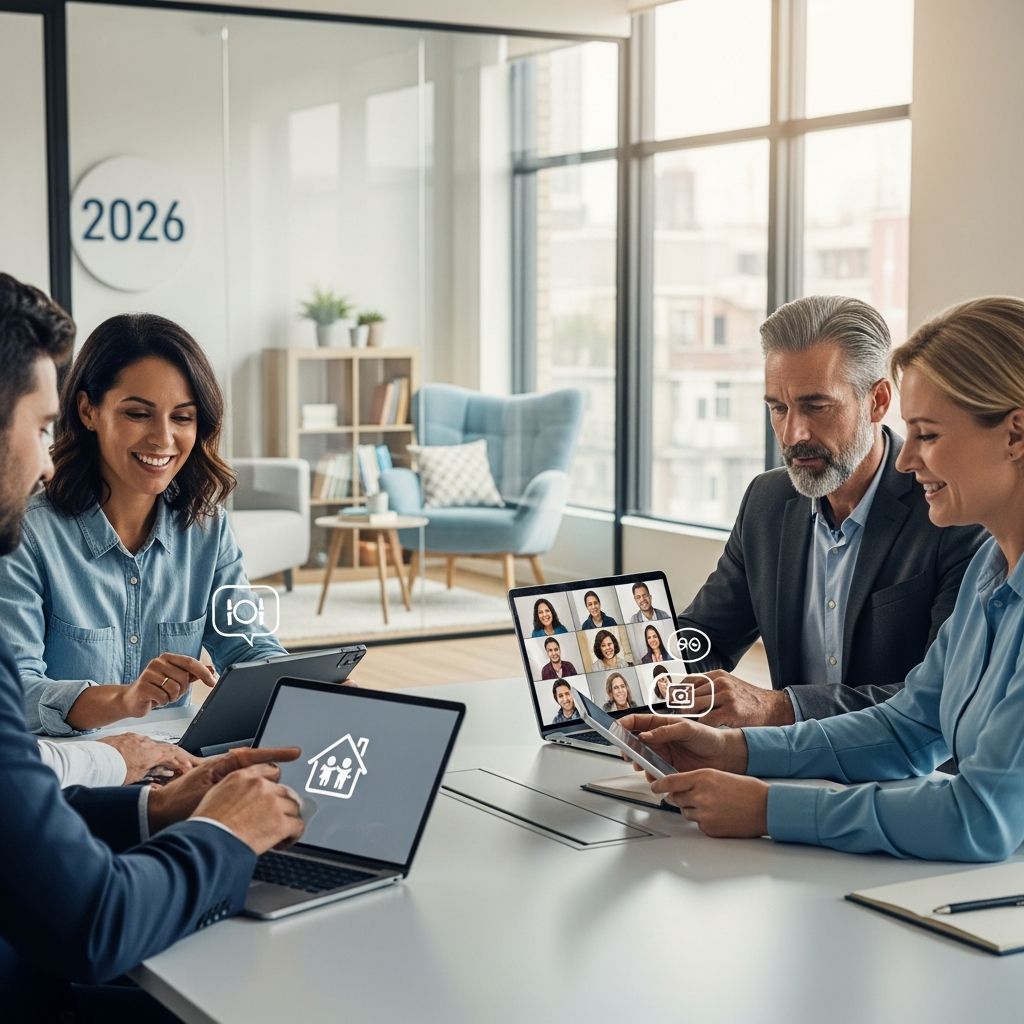
Today’s workplaces are undergoing a profound transformation, moving away from rigid structures toward environments that genuinely value employees’ personal lives, especially those of parents. This shift addresses long-standing challenges like burnout, gender inequities, and work-family conflicts, creating spaces where productivity thrives alongside well-being.
Embracing Flexibility as a Core Pillar
Flexible work arrangements have become non-negotiable in contemporary offices. Parents, in particular, benefit from options like remote work, adjustable hours, and compressed schedules, allowing them to align professional duties with family responsibilities. Organizations adopting these models report higher retention rates and employee satisfaction.
Consider the impact: a parent dropping off children at school or attending a midday appointment no longer faces career penalties. This adaptability not only boosts morale but also taps into diverse talent pools, including those who previously opted out due to inflexible demands.
- Remote work reduces commute stress, freeing up time for family.
- Core hours ensure collaboration while permitting personal flexibility.
- Job-sharing and part-time roles empower sustained career growth.
Building Support Networks for Working Parents
Forward-thinking companies are establishing dedicated parent support groups, fostering peer-to-peer advice on topics like childcare logistics and return-to-work strategies. These networks demystify parenting in professional settings, reducing isolation and promoting knowledge sharing.
Leaders who champion such initiatives often integrate them into diversity strategies, recognizing that family-inclusive policies drive innovation and loyalty. For instance, connecting parents through internal forums encourages organic solutions to common hurdles, from weaning challenges to school holiday coverage.
| Traditional Approach | Modern Support Model |
|---|---|
| Rigid hierarchies, no family discussions | Peer groups, open family dialogues |
| One-size-fits-all schedules | Customized flexibility options |
| Minimal parental leave | Extended, paid family leave |
Redefining Leadership in Family-Friendly Workplaces
Leadership paradigms are evolving from command-and-control to empowerment-focused models. Effective leaders now prioritize creating other leaders, emphasizing growth mindsets and upskilling. This is crucial in a gig economy where employees seek purposeful, flexible careers.
Women in senior positions hold unique platforms to advocate for change, modeling vulnerability around family needs and challenging toxic competition. By sharing childcare loads and supporting colleagues, they dismantle barriers, paving the way for collective advancement.
Great leadership isn’t measured by followers gained, but by leaders developed—a principle guiding today’s inclusive workplaces.
Addressing Toxic Elements in Corporate Dynamics
Persistent issues like female rivalries and expectations of endless overtime undermine progress. Studies reveal women sometimes encounter more incivility from peers than men, fueled by zero-sum competition rather than mentorship. Shifting this requires cultural interventions promoting collaboration over cutthroat ambition.
Mothers, especially, face pressure to sidelined family for office presence, perpetuating burnout. Progressive cultures counter this by normalizing boundaries, encouraging women to uplift each other through sponsorship and shared successes.
Setting Clear Boundaries: Work Is Not Family
A critical evolution is distinguishing professional relationships from familial ones. Phrases like ‘work family’ can blur lines, leading to emotional overinvestment and resentment during layoffs or conflicts. Instead, view teams as high-performing units—like sports squads—fostering camaraderie within defined limits.
This mindset protects mental health, preventing exhaustion from after-hours expectations. Leaders reinforce it by modeling work-life separation, using precise language in communications.
- Avoid ‘family’ metaphors to maintain professional detachment.
- Communicate expectations clearly for work-life harmony.
- Prioritize personal time to sustain long-term performance.
Legal Protections and Hidden Costs for Parents
Many parents overlook legal safeguards like parental leave entitlements and anti-discrimination laws. Navigating these reveals hidden costs, from career stalls to financial strains. Awareness empowers informed decisions, pushing employers toward equitable policies.
Employment experts highlight underutilized rights, urging proactive advocacy. Companies benefiting from informed workforces invest in education, reducing turnover and litigation risks.
The Gig Economy’s Influence on Work Norms
The rise of gig work amplifies demands for flexibility, as professionals blend multiple roles for meaningful lives. Traditional firms adapt by offering freelance-friendly structures, upskilling programs in areas like cybersecurity, and growth-oriented cultures to stay competitive.
This human-centered approach—dialing up empathy in every interaction—positions organizations for innovation amid automation fears.
Practical Strategies for Daily Work-Parent Juggle
Managing the balance involves shared responsibilities and supportive managers. Dual-income households divide drop-offs and pick-ups, leveraging flexible policies during travel. Tools like shared calendars and on-site childcare further ease transitions.
- Negotiate flexible starts for school runs.
- Build spousal support systems.
- Utilize employer perks like backup care.
Frequently Asked Questions (FAQs)
How can workplaces better support working parents?
Implement flexible hours, parent networks, and extended leave to foster retention and satisfaction.
Why avoid calling work ‘family’?
It risks burnout by blurring boundaries; treat teams as professional units for healthier dynamics.
What role does leadership play in cultural change?
Leaders drive inclusion by empowering others, advocating flexibility, and modeling balance.
Are legal protections sufficient for parents?
They provide a foundation, but cultural shifts ensure practical application and equity.
How is the gig economy reshaping offices?
It pushes flexibility and upskilling, helping firms attract talent seeking purposeful work.
Future Outlook: Sustainable Work Cultures
By 2026, workplaces prioritizing parents through flexibility, support, boundaries, and inclusive leadership will dominate. This evolution promises higher productivity, diversity, and fulfillment, proving that human-centered policies are key to enduring success.
References
- One mother’s crusade to change workplace culture for good — Circle In. 2023-05-15. https://circlein.com/one-mothers-crusade-to-change-workplace-culture-for-good/
- Corporate Culture Needs to Change for Women to Thrive — Womanhood Unwrapped. 2019-09-24. https://womanhoodunwrapped.com/blog-1/2019/9/24/corporate-culture-needs-to-change-for-women-to-thrive
- Work Is Not Your Family | Gloria Chan Packer | TED — TED. 2023-10-10. https://www.youtube.com/watch?v=aXPz0GIERow
- Your workplace isn’t your family – and that’s OK — Ask a Manager. 2018-08-01. https://www.askamanager.org/2018/08/your-workplace-isnt-your-family.html