Denmark consistently ranks among the world’s happiest nations, a status often linked to its progressive education system that prioritizes emotional and social development alongside academic learning. Central to this approach is the integration of empathy training, making it a mandatory component for students from age 6 to 16.
The Foundations of Empathy in Danish Classrooms
Since 1993, Danish schools have dedicated weekly time to nurturing empathy, viewing it not as an innate trait but as a crucial skill that can be cultivated. This initiative, embedded in the national Folkeskole framework, underscores the belief that emotionally competent children grow into resilient, collaborative adults.
Empathy lessons emphasize active listening, mutual respect, and collective problem-solving. Students learn to prioritize group harmony over individual competition, fostering a classroom environment where every voice matters. This method has been credited with minimizing bullying and enhancing overall well-being.
Understanding ‘Klassens Tid’: The Heart of Empathy Training
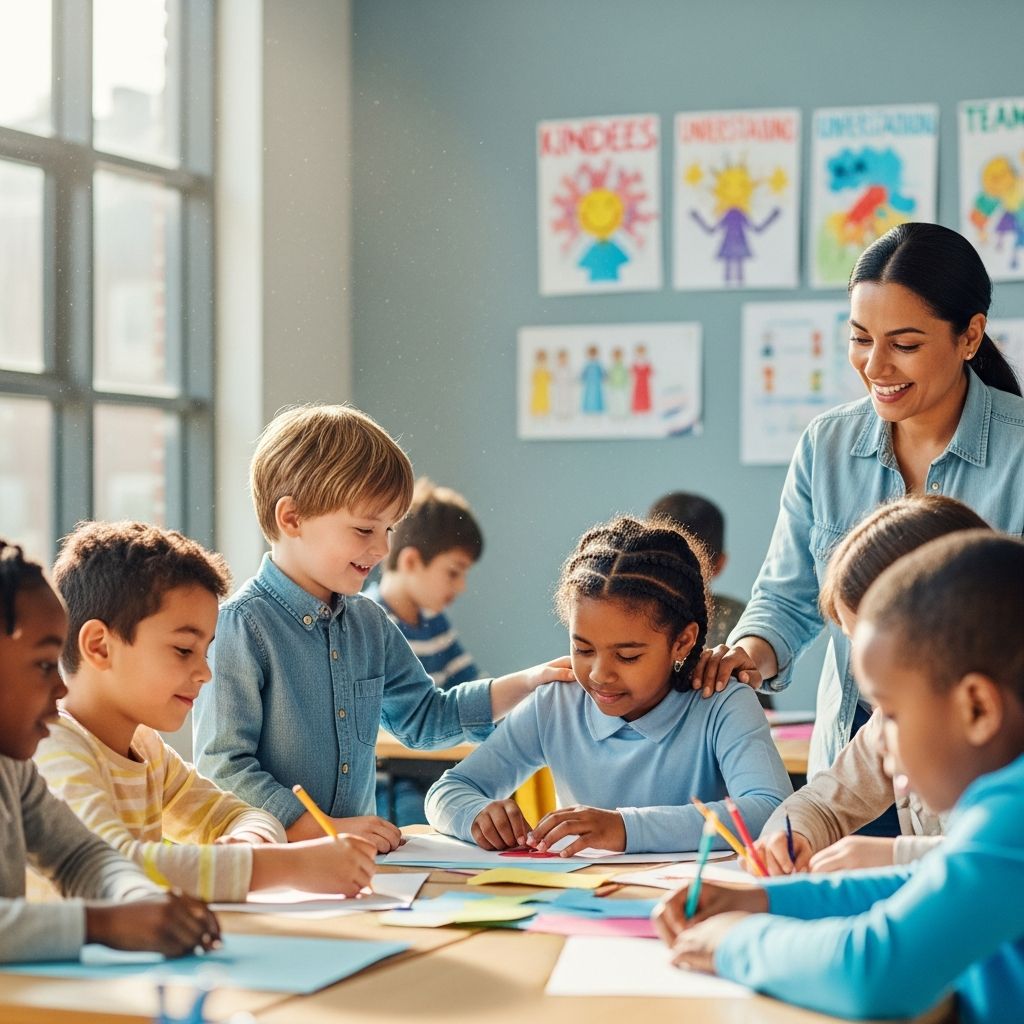
‘Klassens Tid,’ or ‘The Class’s Hour,’ is a dedicated one-hour weekly session where students gather in a non-judgmental space to address challenges. Whether personal struggles, interpersonal conflicts, or school-related issues, any topic is fair game for open discussion.
- Students raise concerns voluntarily, encouraging ownership of problems.
- The class collaborates with the teacher to brainstorm solutions, practicing deep listening.
- If no issues arise, the time is used for relaxed bonding, reinforcing community ties.
- Teachers guide without dominating, modeling empathetic responses.
This structure transforms potential conflicts into opportunities for growth, building trust and emotional literacy from an early age.
Why Empathy Matters: Long-Term Benefits for Individuals and Society
Research highlights empathy’s role in personal success and societal health. In Denmark, it correlates with lower bullying rates and higher workplace satisfaction, as empathetic individuals excel in teamwork and leadership.
| Benefit | Impact in Denmark |
|---|---|
| Reduced Bullying | Class discussions preempt conflicts, creating safer schools. |
| Improved Social Skills | Students become better collaborators, aiding career success. |
| Enhanced Happiness | Contributes to top UN World Happiness Report rankings. |
| Self-Improvement Focus | No competitive prizes; personal growth is key. |
By competing only against oneself, Danish students develop intrinsic motivation, free from the pressures of outperforming peers.
Collaborative Learning: No One Succeeds Alone
Danish pedagogy heavily features group work, with about 60% of tasks requiring collaboration. This mirrors real-life interdependence, teaching that collective achievement trumps individual glory.
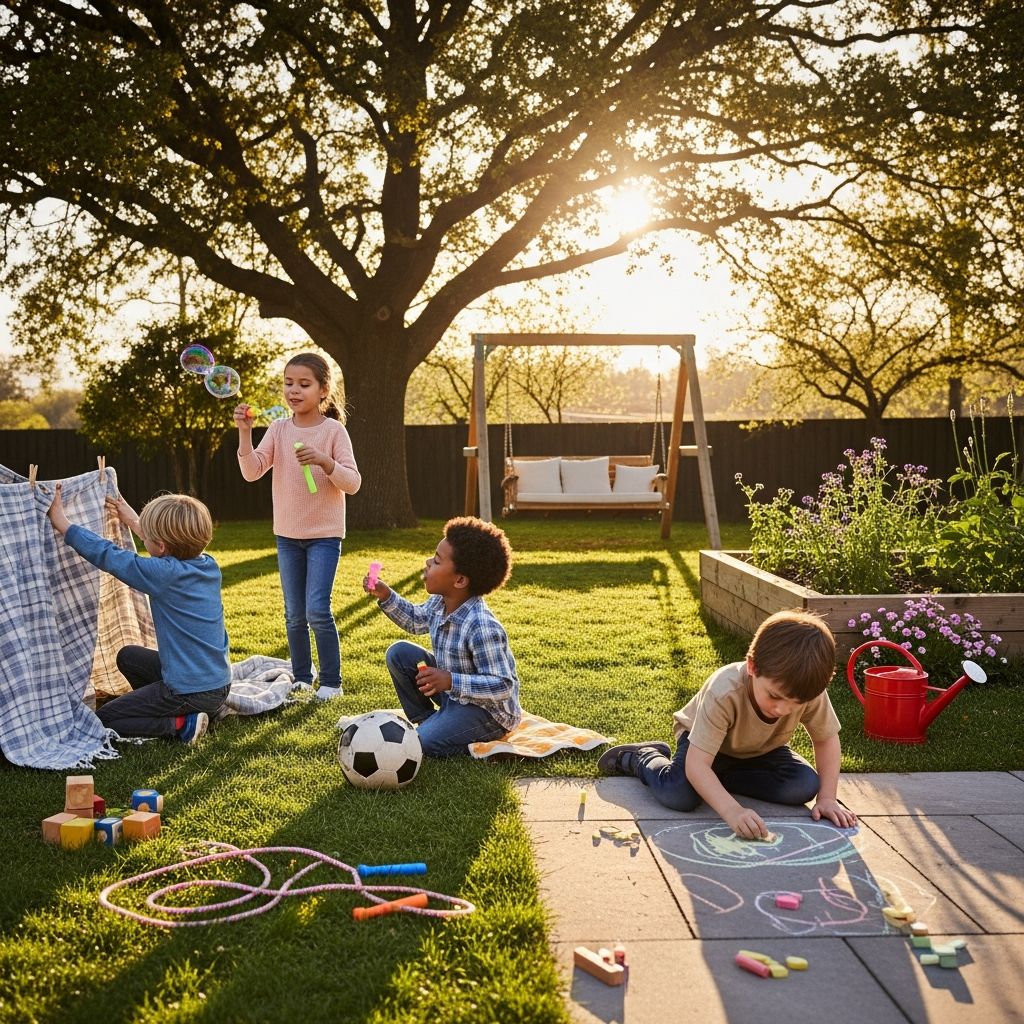
Free play is another pillar, encouraged since 1871 as a natural empathy builder. Children negotiate rules, resolve disputes, and share resources during unstructured time, honing social negotiation skills organically.
Parental and Cultural Reinforcement of Empathy
Empathy education extends beyond school walls. Danish parenting, as detailed in works like *The Danish Way of Parenting*, complements classroom efforts by promoting free play, limited screen time, and empathetic modeling at home.
Parents encourage children to voice emotions and support peers, creating a cultural continuum of emotional intelligence. This holistic approach ensures skills learned in school are reinforced daily.
Global Lessons: Adapting Danish Methods Worldwide
Denmark’s model inspires educators globally. In the U.S., initiatives like social-emotional learning (SEL) programs echo ‘Klassens Tid’ by prioritizing emotional curricula.
However, implementation varies. Denmark’s success stems from systemic commitment—no opt-outs, consistent teacher training, and cultural buy-in. Other nations could start with pilot programs, training educators in facilitation techniques.
Challenges and Evolving Practices
While effective, empathy education faces modern hurdles like digital distractions and diverse classrooms. Danish schools adapt by incorporating online empathy discussions and multicultural sensitivity training.
Teachers report initial resistance from students accustomed to academic focus, but persistence yields engaged, empathetic groups. Ongoing evaluation ensures relevance.
Frequently Asked Questions
What age group participates in Denmark’s empathy classes?
Students aged 6 to 16 engage in weekly sessions as part of the national curriculum.
How does ‘Klassens Tid’ prevent bullying?
By facilitating open discussions and collective solutions, it addresses issues proactively, building class solidarity.
Is empathy teaching unique to Denmark?
No, but Denmark’s mandatory, curriculum-integrated approach is distinctive and linked to high happiness levels.
Can other countries replicate this?
Yes, through SEL integration, though success requires cultural and systemic support.
What role does free play play?
It teaches negotiation and sharing naturally, complementing structured lessons.
Empathy’s Role in Future-Proofing Education
As automation rises, soft skills like empathy become vital. Denmark’s foresight positions its youth for collaborative futures in dynamic workplaces.
Expanding empathy education globally could enhance mental health, reduce societal divides, and boost collective happiness. Policymakers should consider dedicated time slots, teacher training, and parental involvement.
In summary, Denmark proves empathy is teachable and transformative. By prioritizing human connection in schools, it cultivates not just knowledge, but compassionate citizens.
References
- In Denmark, empathy classes are part of the National Curriculum — Bright Vibes. 2023. https://www.brightvibes.com/in-denmark-empathy-classes-are-part-of-the-national-curriculum/
- Teaching Empathy in Schools — The Philadelphia Citizen. 2023. https://thephiladelphiacitizen.org/teaching-empathy-schools/
- Denmark’s Key to Happiness? Teaching Empathy! — Guideway Legal. 2023. https://guidewaylegal.com/denmarks-key-to-happiness-teaching-empathy/
- Lessons From Denmark: Teachers Can Incorporate Empathy in the Curriculum — Education Week. 2016-08-01. https://www.edweek.org/policy-politics/lessons-from-denmark-teachers-can-incorporate-empathy-in-the-curriculum/2016/08
- Denmark’s Education System: Where Teaching Empathy is part of the School Curriculum — YouTube (Mariana Rudan). 2023. https://www.youtube.com/watch?v=lK5fm_HLp48