The COVID-19 pandemic disrupted traditional family routines worldwide, forcing parents into uncharted territory with remote work, school closures, and lockdowns. Fathers, often sidelined from daily childcare due to work demands, suddenly found themselves immersed in hands-on parenting. This shift wasn’t temporary for many; research shows it catalyzed deeper involvement, stronger bonds, and moves toward balanced household responsibilities.
Immediate Surge in Paternal Responsibilities
Lockdowns blurred the lines between work and home, compelling fathers to juggle professional duties alongside childcare and chores. Surveys from early 2020 revealed that nearly two-thirds of men working from home or furloughed reported spending at least two additional hours daily on child and home care. This marked a significant departure from pre-pandemic norms, where mothers shouldered the majority of these tasks.
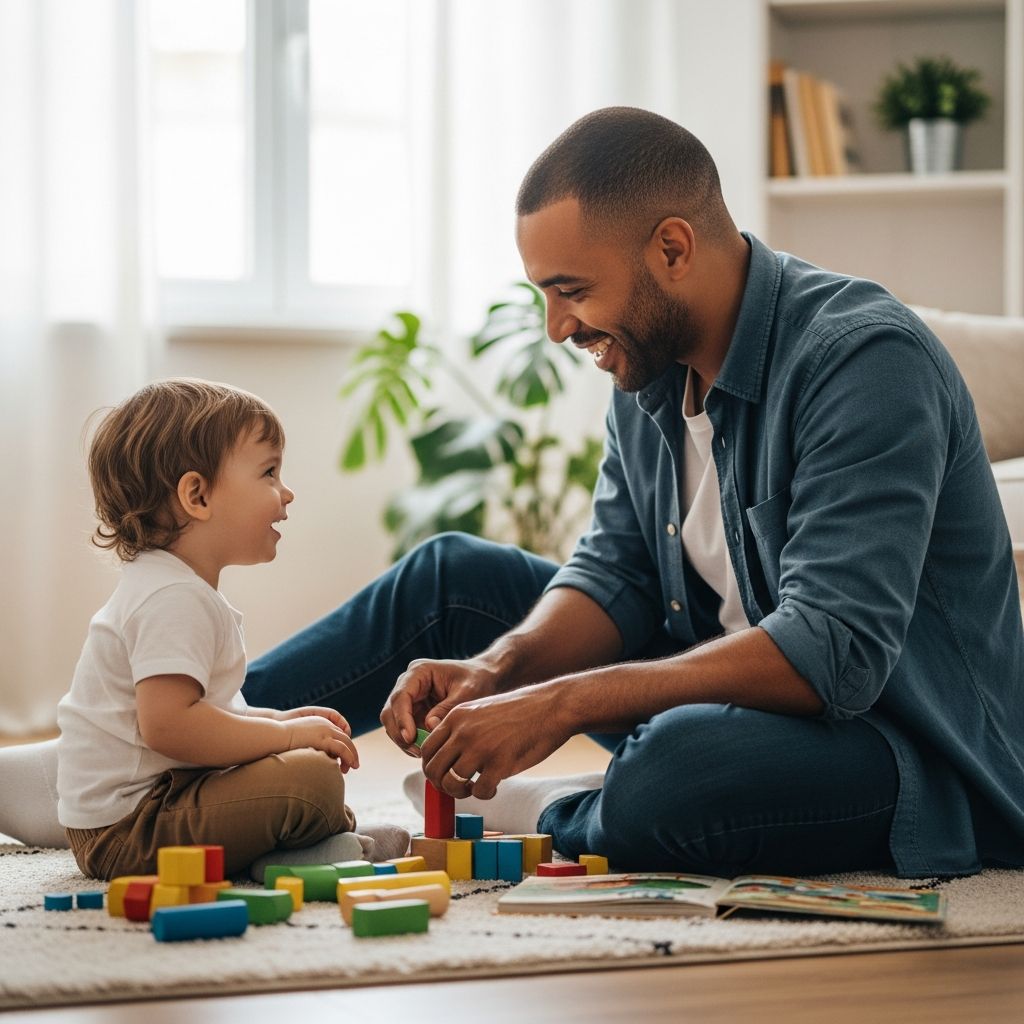
In the United States, a national survey captured this momentum: 68% of fathers felt closer to their children amid the crisis, with one in five describing the bond as ‘much closer.’ This held across demographics, including race, income, education, and politics, indicating a broad societal pivot. Fathers described newfound routines like shared meals, walks, and playtime, which replaced rushed evenings or absent weekdays.
- 70% of fathers recalled increased household duties, including feeding, supervising, and playing with kids.
- Half of parent pairs both noted rises in these areas, signaling dyadic changes.
- Teleworking dads led the charge, gaining direct insight into parenting’s demands.
From Crisis to Habit: Sustained Changes Post-Pandemic
As restrictions lifted, many wondered if these gains would fade. Follow-up studies paint an optimistic picture. Among U.S. father-mother pairs with young children, recalled pandemic-era increases in household tasks correlated with higher ongoing health-related parental engagement for dads specifically. For every unit rise in recalled duties—like more caregiving and supervision—fathers showed a 0.05-unit boost in current responsibility scores.
Australian research echoed this: one year post-lockdown, 90% of interviewed fathers adjusted work patterns for greater involvement, such as school runs and daily care. In the UK, stay-at-home dads rose by a third, a trend persisting into stronger economies. Globally, from the U.S. to Europe and Asia-Pacific, fathers valued this role shift, with many prioritizing family over pre-crisis career intensity.
| Region | Pre-Pandemic Dad Care % | Pandemic Increase | Post-Pandemic Retention |
|---|---|---|---|
| USA | ~20-30% | +2+ hours/day (63% men) | 57% greater appreciation |
| UK | 5-9% | +33% stay-at-home dads | Sustained work adjustments |
| Australia | Variable | Nearly 50 extra care hours/week | 90% changed work for care |
Psychological and Relational Benefits for Families
Beyond hours logged, the pandemic deepened emotional ties. Over half of surveyed U.S. fathers reported heightened appreciation for their children (57%), more attentiveness to their feelings (54%), and richer conversations (52%). Dads shared vulnerabilities, fostering trust and openness rarely seen in traditional setups.
This reciprocity strengthened marriages too. Mothers gained breathing room, reducing burnout, while fathers reported fulfillment from active parenting. Studies highlight ‘actor effects’: dads’ increased roles predicted their own sustained engagement, hinting at internalized shifts rather than mere circumstance. Children benefited from diverse role models, potentially aiding emotional development and gender norm challenges.
Challenges Dads Faced and Overcame
Not all experiences were seamless. Many fathers grappled with ‘trapped’ feelings amid constant childcare, balancing Zoom calls with tantrums. Yet, this immersion demystified motherhood’s load, spurring empathy. Higher-educated dads, especially postdocs, reported sharper increases (48.7%), leveraging flexibility.
Barriers persisted: rigid jobs or economic pressures pulled some back to old patterns. Still, the pandemic’s ‘reset’ proved resilient for proactive families, with dads negotiating hybrid roles.
Broader Societal Shifts Toward Egalitarian Parenting
The crisis accelerated long-term trends. Stay-at-home fathers, once 5% in 2000, climbed to 9% by 2008, then surged again. Promundo’s global data underscores men’s readiness for equality when opportunities arise. This bodes well for policies promoting paternity leave and flexible work.
Implications extend to interventions: shift from mother-centric to family-wide programs, emphasizing dads’ roles in health, education, and chores. As remote work normalizes, these changes could redefine fatherhood permanently.
Real Stories: Voices from the Frontlines
‘The lockdowns showed me parenting’s depth—I now prioritize pickups and bedtimes over overtime.’ – Australian father, post-2021.
‘Spending unstructured time revealed my kids’ worlds; our talks are deeper now.’ – U.S. dad, 2024 survey.
These anecdotes align with data: qualitative insights reveal play, vulnerability, and routine-sharing as cornerstones of lasting bonds.
Frequently Asked Questions
Did fathers’ increased caregiving last after COVID-19?
Yes, studies show sustained engagement, with U.S. dads linking pandemic rises to current health responsibilities, and 90% of Australian fathers adjusting work permanently.
Why did dads step up during lockdowns?
Remote work and school closures created opportunities; 68% felt closer to kids, gaining empathy for mothers’ roles.
Are these changes universal across demographics?
Largely yes—spanning race, class, and education—but higher-educated dads reported bigger shifts.
What benefits did families see?
Deeper bonds, reduced maternal burnout, egalitarian labor, and kids’ emotional growth.
How can families maintain this post-pandemic?
Prioritize flexible work, shared routines, and policies like paternity leave.
Looking Ahead: Fatherhood in a Post-Pandemic World
The pandemic proved fathers thrive in caregiving when given space. With hybrid work rising, this ‘new normal’ promises equitable families. Policymakers and employers must support it through leave, flex hours, and anti-bias training. Ultimately, kids win from involved dads, heralding healthier societies.
References
- Increased household responsibility during COVID-19 is associated … — PMC/NCBI. 2024. https://pmc.ncbi.nlm.nih.gov/articles/PMC12989211/
- Covid-19 Is Making Better Fathers — Milken Institute Review. 2020. https://www.milkenreview.org/articles/covid-19-is-making-better-fathers
- The pandemic brought dads closer to their kids. Have these … — Harvard Graduate School of Education. 2024. https://mcc.gse.harvard.edu/whats-new/fathers-day-2024
- Stay-at-home dads are on the rise, but they’re not necessarily doing … — Fortune. 2025-11-13. https://fortune.com/2025/11/13/more-stay-at-home-dads-look-after-kids/
- Fathers’ views on family and work after COVID-19 lockdowns — Child and Family Blog. 2023. https://childandfamilyblog.com/fathers-views-on-family-and-work-after-covid-19-lockdowns/