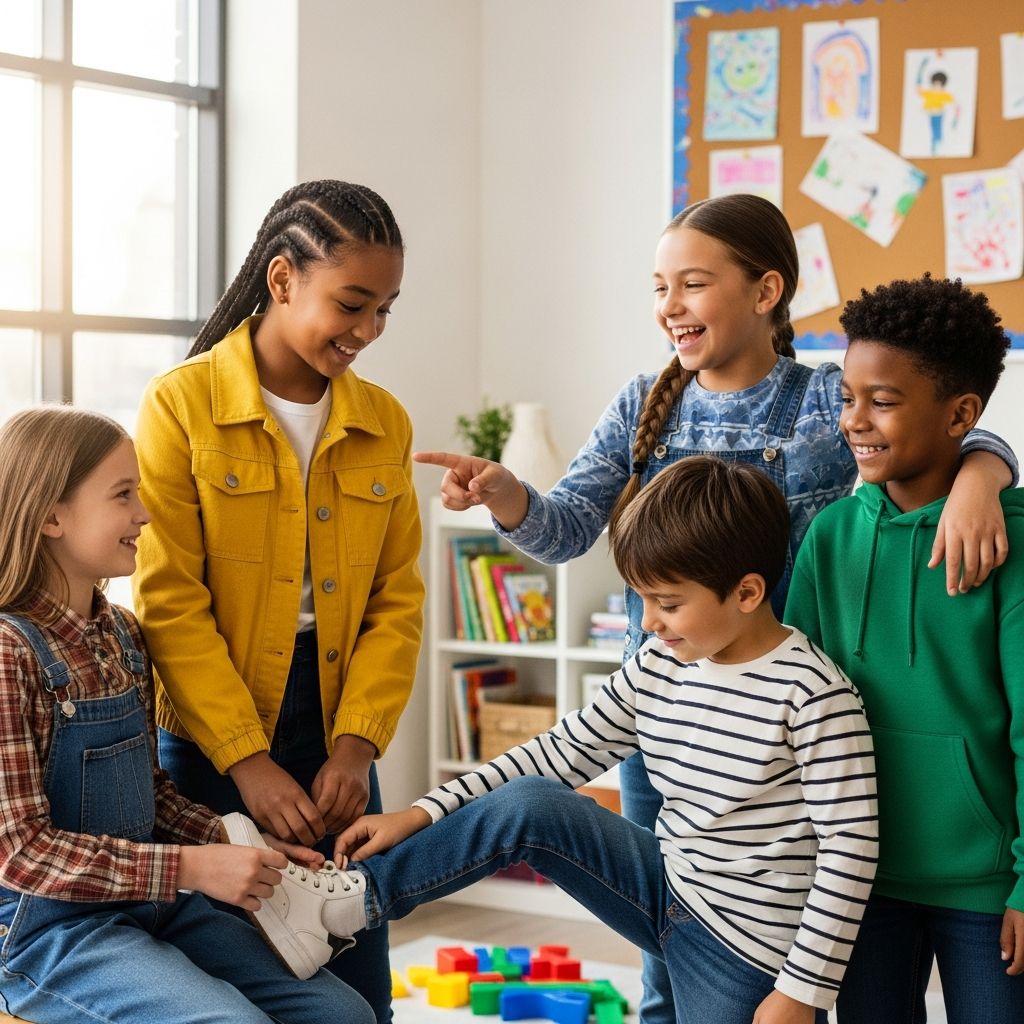
Every day, parents make countless decisions for their children, from meals to activities. Yet one choice often overlooked is clothing. What kids wear doesn’t just cover their bodies—it influences their emotions, self-perception, focus, and even long-term mindset. Research in developmental psychology and color theory reveals that outfits can boost confidence, reduce anxiety, or spark curiosity, directly impacting behavior and growth. This article delves into these connections, offering evidence-based insights and practical strategies to harness clothing’s transformative potential.
The Science of Attire: How Clothes Influence Young Minds
Clothing acts as a second skin, sending constant signals to a child’s brain about their environment and identity. Studies show that visual elements like colors, patterns, and designs affect cognitive processing and emotional responses. For instance, vibrant hues can energize while muted tones soothe, altering a child’s readiness for learning or play. This phenomenon, rooted in color psychology, explains why a simple outfit might help a child concentrate better during storytime, while busy graphics could distract them.
Beyond aesthetics, clothes impact self-esteem through the principle of enclothed cognition—how wearing certain garments changes thinking and behavior. When children don outfits they love, they stand taller and engage more boldly, fostering a positive feedback loop of confidence.
Color Choices: Energizing or Calming Young Emotions?
Colors are not neutral; they evoke specific moods. Bright reds and yellows stimulate excitement and activity, ideal for playdates but potentially overwhelming in classrooms. Softer blues and greens promote tranquility, aiding focus and reducing overstimulation, especially for sensory-sensitive kids.
| Color Group | Effects on Children | Best Scenarios |
|---|---|---|
| Bright (Red, Yellow, Orange) | Increases energy, curiosity; may heighten anxiety | Outdoor play, creative activities |
| Muted (Pastels, Earth Tones) | Calms, improves focus; reduces agitation | School, bedtime, study time |
| Blues/Greens | Encourages relaxation, emotional balance | Daily wear, therapy sessions |
Parents can experiment: notice if your child seems more animated in sunny outfits or settled in neutrals. A study in the Journal of Applied Psychology found children in colorful attire showed higher enthusiasm in group tasks, linking bold clothes to elevated confidence.
Patterns and Designs: Balancing Stimulation with Simplicity
Busy patterns and graphics add cognitive load, taxing young brains with extra visual information. Cognitive load theory suggests this diverts mental energy from essential tasks like learning or socializing. Children with sensory processing challenges may feel anxious from cluttered shirts, leading to irritability or withdrawal.
- Minimalist Benefits: Simple designs free up focus, promoting deeper engagement in play and interactions.
- Overstimulation Risks: Excessive visuals can fragment attention, mimicking digital screen overload.
- Practical Tip: Opt for solid colors or subtle textures to support emotional regulation.
Conversely, purposeful designs—like a favorite animal—spark joy and self-expression without chaos, enhancing mood without overload.
Fostering Independence: Letting Kids Choose Their Style
Granting wardrobe agency builds autonomy and resilience. When children select outfits, they explore identity, boosting self-esteem as they feel capable and seen. This mirrors role-playing, where dressing as a ‘superhero’ or ‘artist’ hones imagination and social skills.
Start small: Offer two options for preschoolers, expanding as they age. Comfort is key—soft, well-fitting clothes prevent distraction, allowing free movement and happiness. Research indicates comfy, liked attire correlates with bolder social behaviors and reduced insecurity.
Avoiding Stereotypes: Neutral Designs for Open Potential
Gendered graphics subtly reinforce norms—trucks for boys, flowers for girls—potentially limiting interests via stereotype threat. Neutral, minimalist clothes sidestep this, encouraging all kids to pursue any passion, from sports to arts.
- Promotes broader self-exploration.
- Reduces subconscious biases.
- Supports inclusive playgroups.
Evidence from developmental studies shows such freedom nurtures creativity and adaptability, key for future success.
Real-World Strategies: Dressing for Daily Wins
Integrate these insights practically:
- Assess Needs: Match outfits to the day—energetic for park, calm for school.
- Prioritize Comfort: Breathable fabrics prevent fussiness.
- Involve Kids: Build confidence through choices.
- Rotate Wardrobes: Variety prevents boredom, sustains engagement.
- Monitor Reactions: Track mood shifts to refine selections.
For sensory issues, consult pediatric guidelines favoring low-contrast designs.
Long-Term Impacts: From Childhood Outfits to Adult Mindsets
Consistent positive clothing experiences compound, shaping resilient mindsets. Kids who feel good in their skin develop stronger peer bonds, academic persistence, and emotional intelligence. Over time, this translates to adults who dress intentionally for success, underscoring clothing’s lifelong ripple effect.
Challenges exist: Budgets limit options, trends push flashy items. Counter with thrift finds or DIY neutrals, focusing on quality over quantity.
Frequently Asked Questions (FAQs)
What colors best boost a child’s confidence?
Bright, cheerful colors like yellows and reds energize and empower kids during activities, per color psychology research.
Should I avoid patterns on my toddler’s clothes?
Not entirely—subtle patterns are fine, but minimize clutter to prevent cognitive overload, especially for sensitive children.
How does clothing affect kids with sensory issues?
Overstimulating designs increase anxiety; opt for smooth, solid fabrics in calming hues for better regulation.
Can letting kids pick outfits harm discipline?
No—guided choices build responsibility and self-esteem without chaos, enhancing overall behavior.
Are neutral clothes boring for children?
Far from it; they allow personal flair through accessories, promoting creativity over stereotypes.
Clothing is a daily opportunity to nurture thriving young minds. By thoughtfully curating wardrobes, parents empower children to face the world with poise and joy.
References
- Color Psychology in Kids’ Clothing: How Colors Affect Children’s Moods — Organic and More. 2023-05-15. https://www.organicandmore.com/blog/color-psychology-in-kids-clothing-how-colors-affect-childrens-moods/
- How Overwhelming Graphics and Bold Clothing Can Affect Young Children’s Development — Discover Saha. 2024-02-20. https://discoversaha.com/blogs/parents-corner/how-overwhelming-graphics-and-bold-clothing-can-affect-young-children-s-development
- Benefits of Bright Clothing for Children — Coco Moon Hawaii. 2023-11-10. https://cocomoonhawaii.com/blogs/blog/benefits-of-bright-clothing-for-children
- Why Dressing Up Matters – The Psychology Behind Kids Fashion Choices — Pocomico. 2024-01-08. https://pocomico.com/blogs/news/why-dressing-up-matters-the-psychology-behind-kids-fashion-choices
- Journal of Applied Psychology Study on Children’s Confidence and Clothing — American Psychological Association. 2019-07-01. https://doi.org/10.1037/apl0000412