Every time your child laughs, plays, or sleeps, their lungs are hard at work. Breathing usually happens without any effort or thought, but behind the scenes there is a carefully coordinated system of airways, muscles, and tiny air sacs keeping your child alive and active. This guide explains how that system works and what you can do to support healthy lungs.
Why Lungs Matter So Much
The main job of the lungs is to move oxygen into the body and remove carbon dioxide, a waste gas made when cells use energy. Oxygen travels from the lungs into the blood, then to every organ, including the brain, heart, and muscles. When the blood returns to the lungs, carbon dioxide is released into the air your child breathes out.
Healthy lungs help your child:
- Have enough energy for play, school, and sports
- Grow and develop normally
- Fight infections more effectively
- Sleep better and think clearly
From Nose to Lungs: The Breathing Pathway
The breathing system is more than just the lungs. It is a network of passages that guide air in and out. Doctors usually divide it into an upper part and a lower part.
Upper breathing passages
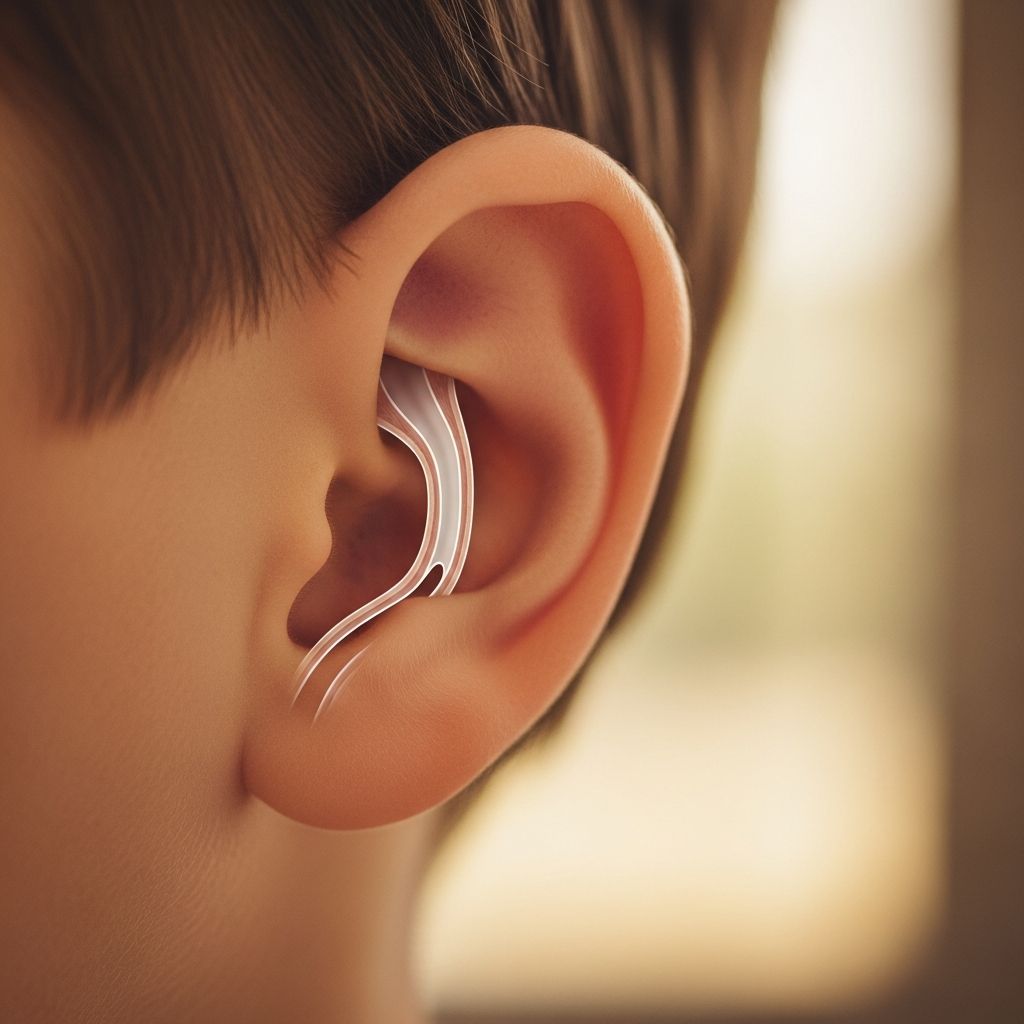
Air usually first enters through the nose or mouth, then moves down the back of the throat.
- Nose and nasal cavity – Warm and moisten the air and catch dust and germs in mucus and tiny hairs.
- Sinuses – Air-filled spaces in the skull that help condition the air and affect how your child’s voice sounds.
- Throat (pharynx) – A shared pathway for air and food; air goes toward the lungs while food and drink go toward the stomach.
Lower breathing passages
Below the throat, the airway continues to the lungs.
- Voice box (larynx) – Contains the vocal cords, which vibrate to produce sound when air moves past.
- Windpipe (trachea) – A firm tube that safely carries air down into the chest.
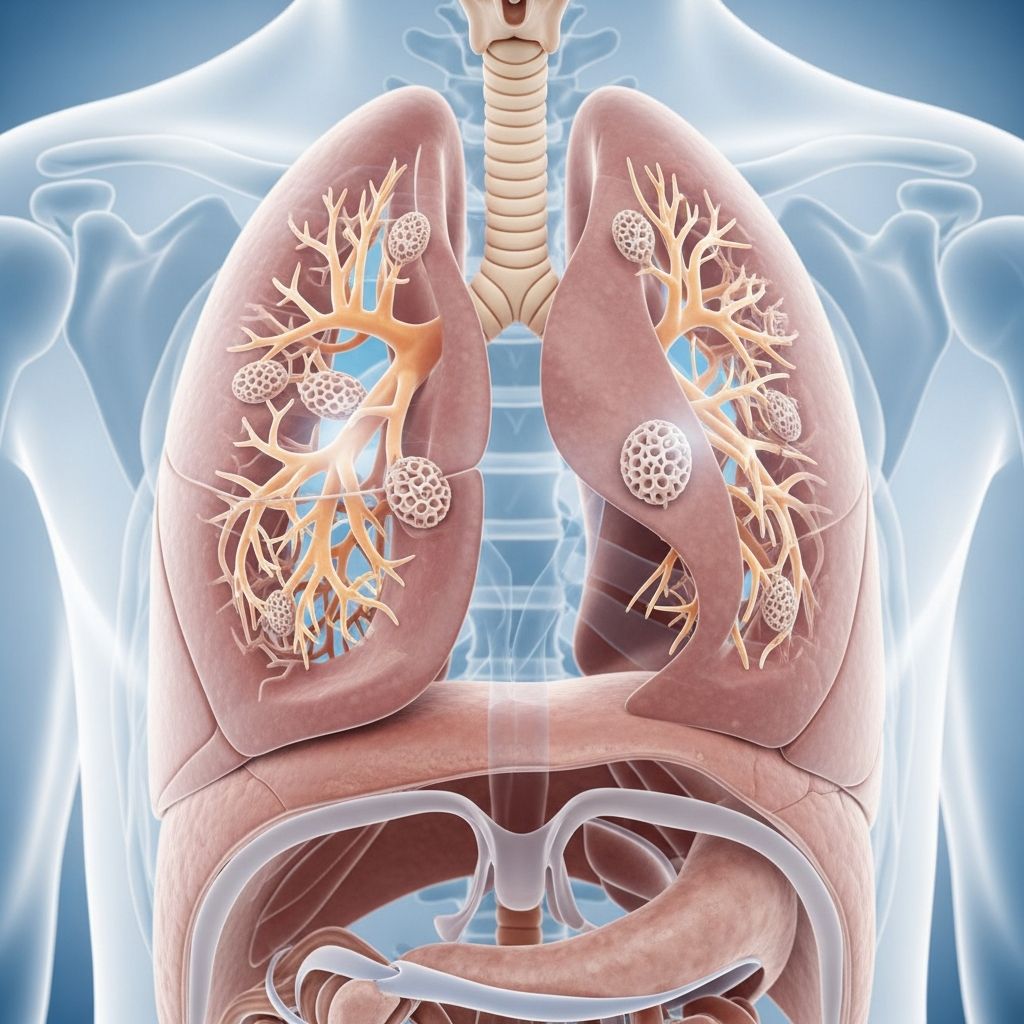
- Main bronchi – Two large branches off the windpipe, one entering the right lung and one entering the left lung.
- Smaller bronchi and bronchioles – Progressively narrower tubes that spread throughout each lung like the branches of a tree.
- Alveoli (air sacs) – Millions of tiny, balloon-like sacs at the very ends of the airways where gas exchange happens.
The Lungs Themselves: Shape, Location and Structure
Your child has two lungs inside the chest. They are light, spongy organs that sit on either side of the heart and rest on top of the breathing muscle called the diaphragm.
| Feature | Right Lung | Left Lung |
|---|---|---|
| Number of lobes (sections) | 3 lobes | 2 lobes |
| Size | Usually slightly larger | Slightly smaller (to make room for the heart) |
| Main job | Both lungs bring oxygen in and move carbon dioxide out | |
Each lung is wrapped in a thin, slippery covering called the pleura that helps the lungs slide smoothly against the chest wall while breathing.
The Microscopic World Inside the Lungs
Deep inside each lung are delicate structures that make breathing effective. Even though they are too small to see with the naked eye, their health is crucial.
- Alveoli – Clusters of tiny sacs surrounded by very small blood vessels (capillaries); this is where oxygen moves into the blood and carbon dioxide leaves the blood.
- Interstitium – A thin layer of tissue that supports the alveoli and carries blood vessels and other cells.
- Pulmonary blood vessels – Arteries and veins that bring blood to the lungs for gas exchange and carry it back to the heart to circulate through the body.
- Mucus – A sticky fluid that lines the airways and traps dust, smoke, and germs so they do not reach the air sacs.
- Cilia – Microscopic, hair-like structures that sweep mucus upward toward the throat, where it can be swallowed or coughed out.
The Muscles That Power Every Breath
Breathing depends on more than just the lungs. Several muscle groups work together to pull air in and push it out.
- Diaphragm – A broad, dome-shaped muscle under the lungs. When it tightens, it moves downward, the chest space grows, and air is drawn into the lungs. When it relaxes, it springs back up and air is pushed out.
- Intercostal muscles – Muscles between the ribs that help lift and expand the rib cage during breathing.
- Neck and shoulder muscles – Extra muscles that help raise the upper chest when a child is taking very deep breaths, for example during exercise or when breathing is difficult.
- Abdominal muscles – Muscles in the belly that assist with strong exhalation and coughing.
Step-by-Step: How a Breath Happens
Although your child may take many breaths every minute, each one follows the same basic sequence.
- Inhale (breathing in)
- Diaphragm tightens and moves downward.
- Ribs move outward as chest muscles contract.
- Chest space gets larger, so air is pulled into the lungs.
- Air travels from nose or mouth, down the throat, past the voice box, into the windpipe, and through branching airways into the alveoli.
- Gas exchange
- Oxygen moves through the thin walls of the alveoli into nearby blood vessels.
- Blood delivers oxygen to the rest of the body.
- At the same time, carbon dioxide in the blood moves into the alveoli.
- Exhale (breathing out)
- Diaphragm relaxes and moves upward.
- Chest space gets smaller.
- Air rich in carbon dioxide is pushed out through the same path in reverse and leaves the body.
How Children’s Lungs Differ from Adults’ Lungs
While the basic design is similar, a child’s breathing system is not just a smaller adult version. Certain features make kids more prone to breathing problems.
- Narrower airways – Even a small amount of swelling or mucus can block more of a child’s airway than an adult’s, causing wheezing or noisy breathing more easily.
- Softer chest wall – In young children, the ribs and cartilage are more flexible, so the chest may pull inward during hard breathing.
- Less mature breathing muscles – The muscles that assist breathing, especially between the ribs, are still developing and can tire more quickly.
- Larger tongue and smaller mouth space – This combination can narrow the upper airway when a child lies flat.
- More frequent breaths – Children naturally breathe faster than adults, which can make them more sensitive to irritants in the air.
Common Signs Your Child’s Lungs May Be Struggling
Recognizing breathing problems early can help your child get care quickly. Seek medical help right away if you notice:
- Fast breathing that does not slow during rest
- Working hard to breathe (chest or belly pulling in with each breath, flaring nostrils, grunting)
- Persistent wheezing, whistling, or grunting sounds
- Blue or gray color around the lips or fingernails
- Inability to speak full sentences or feed normally because of shortness of breath
- Very tired, weak, or unusually sleepy behavior
For mild concerns, such as an occasional cough without difficulty breathing, your child’s regular healthcare provider can guide you on what to watch and whether treatment is needed.
Keeping Young Lungs Healthy
Many lung problems can be reduced or prevented with simple, everyday habits. Public health and pediatric experts recommend several key steps to protect children’s breathing health.
- Avoid tobacco smoke
- Do not allow smoking in your home or car.
- Keep your child away from secondhand and thirdhand smoke (smoke residue on clothes and surfaces).
- Reduce air pollution exposure
- On days with poor outdoor air quality, limit intense outdoor exercise.
- Avoid burning trash or wood near children.
- Encourage physical activity
- Regular play and sports help lungs grow stronger and more efficient.
- Check with your child’s provider about activity plans if they have asthma or other lung conditions.
- Stay up to date on vaccines
- Vaccines that protect against flu, pneumonia, and whooping cough can lower the risk of serious lung infections.
- Practice good hygiene
- Teach your child to wash hands regularly and cover coughs and sneezes.
- Keep sick children home from school or activities as advised by your healthcare provider.
When to Talk With a Lung Specialist
Your child’s primary care clinician can manage many common breathing issues, such as mild asthma or simple colds. In some cases, they may recommend seeing a pediatric lung specialist (pediatric pulmonologist).
You may be referred to a specialist if your child has:
- Frequent or severe wheezing episodes
- Repeated pneumonia or bronchitis
- Long-lasting cough that does not improve
- Known lung diseases such as cystic fibrosis or chronic lung disease of prematurity
- Unexplained low oxygen levels or poor growth
Quick Reference: Key Parts of the Respiratory System
| Part | Main Role |
|---|---|
| Nose & sinuses | Clean, warm, and moisten incoming air |
| Throat (pharynx) | Passageway that guides air toward the lungs |
| Voice box (larynx) | Helps protect the airway and produces sound |
| Windpipe (trachea) | Main tube carrying air into the chest |
| Bronchi & bronchioles | Branching airways that spread air throughout the lungs |
| Alveoli | Air sacs where oxygen enters the blood and carbon dioxide leaves |
| Diaphragm | Primary breathing muscle that draws air in and pushes it out |
Frequently Asked Questions (FAQs)
How fast should my child be breathing?
Breathing rates vary by age. Infants breathe faster than older children, and active play or crying can briefly increase breathing speed. If your child is breathing so quickly that they cannot eat, talk normally, or seem distressed, contact a healthcare professional.
Is mouth breathing a problem?
Occasionally breathing through the mouth, such as during a stuffy nose, is common. However, constant mouth breathing may signal allergies, enlarged tonsils or adenoids, or other issues that deserve medical evaluation.
Why does my child cough so much with a cold?A: Coughing is one of the body’s ways to clear mucus and germs from the airways. A short-term cough during a viral infection is expected, but a cough lasting more than a few weeks, or one that is accompanied by trouble breathing, should be checked by a clinician.
Q: Can exercise damage my child’s lungs?
For most children, regular physical activity strengthens the heart and lungs and is very beneficial. Kids with asthma or other chronic lung problems may need a personalized plan, but in general, appropriate exercise supports lung health rather than harms it.
What can I do today to support my child’s lung health?
Keeping smoke away from your child, staying current with recommended vaccines, encouraging active play, and seeking timely care for breathing difficulties are among the most powerful ways to protect growing lungs.
References
- Anatomy of the Respiratory System in Children — Children’s Hospital of Philadelphia. 2023-05-01. https://www.chop.edu/conditions-diseases/anatomy-respiratory-system-children
- Anatomy of a Child’s Lung — Pediatric Lung Care / Peter N. Schochet, MD. 2022-08-15. https://www.pedilung.com/pediatric-lung-diseases-disorders/anatomy-of-a-childs-lung/
- Anatomy of the Respiratory System in Children — Nationwide Children’s Hospital. 2022-11-10. https://www.nationwidechildrens.org/conditions/health-library/anatomy-of-the-respiratory-system-in-children
- Lungs: Location, Anatomy, Function & Complications — Cleveland Clinic. 2023-04-18. https://my.clevelandclinic.org/health/body/8960-lungs
- Lung — Britannica Kids. 2020-01-01. https://kids.britannica.com/kids/article/lung/353400