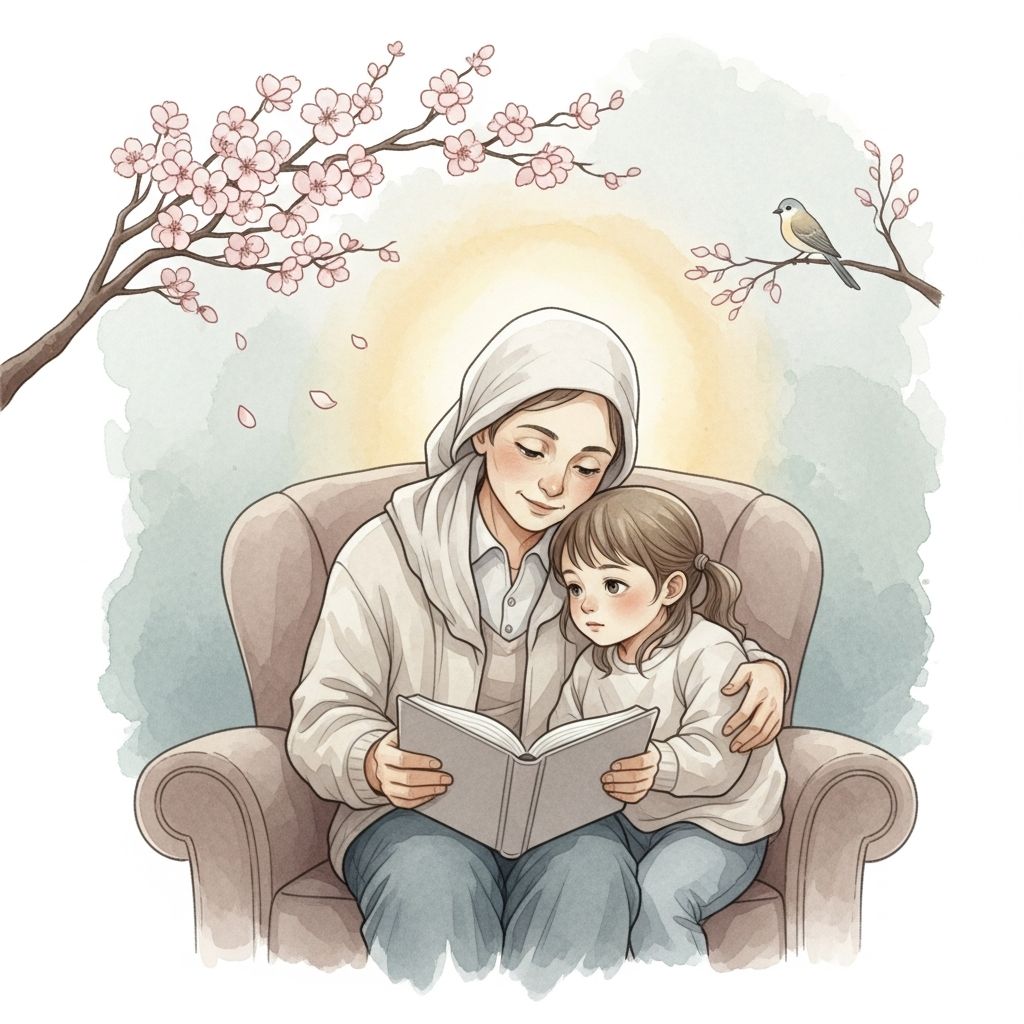
Supporting Children When Someone Dies: Why Stories Matter
For many adults, explaining death to a child is one of the hardest conversations they will ever have. We may feel unprepared, afraid of causing more pain, or unsure what to say. Yet children need calm, truthful explanations and steady support to make sense of loss. Research and clinical experience show that children cope better when adults offer honest information, invite questions, and allow feelings to be expressed openly, rather than shielding them from the truth.
Children’s books can be invaluable allies in these conversations. A well-chosen story gives language to confusing emotions, normalizes grief, and gently introduces ideas about dying, funerals, and remembrance in ways children can absorb.
How Children Understand Death at Different Ages
Children’s thinking about death changes as they grow, so the way you talk and the books you choose should reflect their developmental stage.
| Age Range | Typical Understanding of Death | How Books Can Help |
|---|---|---|
| Under 3 years | Do not grasp death; react mainly to separation and changes in routine. | Simple picture books that show comfort, routines, and loving caregivers. |
| 3–5 years | Often see death as temporary or reversible; engage in “magical thinking.” | Stories that repeat the idea that someone who dies does not come back, using clear language. |
| 6–8 years | Begin to understand that death is permanent but may still have many concrete questions. | Books that explain what bodies do when they die and what funerals or memorials are like. |
| 9–12 years | Recognize that death is irreversible and universal, including for themselves; may worry about others dying. | Stories that explore complex feelings, injustice, guilt, and coping strategies. |
| Teens | Think about death in abstract and existential terms; may question meaning, faith, and fairness. | Novels and memoirs that honestly portray grief, identity, and rebuilding life after loss. |
Guiding Principles for Talking About Death
The same core principles that guide direct conversations also apply when using books.
- Use clear, concrete words. Professionals recommend using words like dead and died rather than euphemisms such as “went to sleep” or “passed away,” which can confuse or frighten children. Books that model straightforward language help children understand that death is real and irreversible.
- Tell the truth at a level they can handle. Offer simple, accurate explanations that match the child’s age and personality. You can add details later if they ask more questions or seem ready for more information.
- Follow their lead. Before launching into a long explanation, ask what your child already knows or thinks. Their questions will show you what they are ready to talk about.
- Normalize big feelings. Children often worry that their sadness, anger, or relief is wrong. Stories that show a range of reactions—crying, playing, being quiet—teach that there is no single “right way” to grieve.
- Reassure them about safety and blame. Many children fear that they or another loved one will die next, or that they somehow caused the death. Books that clearly separate normal behavior from the cause of death can ease these fears.
Choosing the Right Book for Your Child
There is no single perfect book about death. The best choice depends on your child’s age, the relationship to the person who died, your family’s values, and your child’s temperament.
Key questions to ask when selecting a book
- Does the book use accurate, honest language about death?
- Is the story developmentally appropriate for my child’s age?
- Does it reflect, or at least respect, our cultural and spiritual beliefs?
- Does it show caring adults who listen, explain, and stay close during difficult moments?
- Is there space in the story for questions and conversation, or is it so busy that there is no room to pause?
Types of books that can help
- Simple picture books about death. These often focus on a pet, a grandparent, or a character in nature and give straightforward explanations of dying, funerals, and remembrance.
- Stories that mirror your child’s loss. If a parent, sibling, or close friend has died, books with a similar relationship can help your child feel less alone.
- Books about the life cycle. Titles about seasons, plants, or animals can gently introduce the idea that all living things eventually die.
- Stories about feelings. Some books focus less on the facts of death and more on emotions—sadness, anger, confusion, or guilt—and healthy ways to express them.
- Faith- or culture-based books. If your family has specific beliefs about what happens after death, stories that reflect those beliefs can be comforting, provided they are balanced with clear explanations that the dead do not return physically.
Using Books to Start and Guide Conversations
Reading together is usually more helpful than handing a child a book and walking away. You do not need to be a grief expert; your calm presence and willingness to listen are the most important parts.
Before you read
- Preview the book on your own so you know what is coming and can decide whether it fits your child and your situation.
- Let your child know what the book is about: for example, “This story is about a child whose grandfather dies. We can stop anytime if you want.”
- Choose a quiet time and place where you can both focus and feel safe.
While you read
- Pause at key moments to ask gentle questions such as:
- “What do you think is happening here?”
- “How do you think this character feels?”
- “Does anything in this story remind you of us?”
- Notice your child’s body language. If they look overwhelmed, offer to stop or skip a part.
- Be prepared to answer factual questions, for example about what happens to the body or what funerals are like.
After you read
- Invite open-ended reactions: “What part of the story stayed in your mind?” or “Was there anything that surprised you?”
- Offer reassurance about safety: “I am here to take care of you,” and explain who else will help if something happens to you.
- Connect the story to your family’s rituals and memories—photo albums, visiting a grave, lighting a candle, or telling funny stories about the person who died.
Addressing Common Questions and Misunderstandings
Books often bring up the same questions many children ask after a death. Handling these calmly can reduce anxiety and confusion.
“Will I die? Will you die?”
By school age, most children understand that death eventually happens to everyone, but this knowledge can be frightening. It helps to:
- Acknowledge the truth in simple terms: “All living things die someday, but most people live until they are very old.”
- Describe the ways adults try to stay healthy and safe—seatbelts, doctors, healthy food—without promising that nothing bad will ever happen.
- Reassure them that there is a plan for who will care for them if you are not able to, naming specific trusted adults.
“Did I cause the death?”
Young children especially may believe that their thoughts, anger, or behavior caused the death, a form of “magical thinking.” Books that clearly link death to illness, injury, or age, rather than to arguments or wishes, can counter this idea.
- State clearly: “Nothing you did, said, or thought made this happen.”
- Repeat this message many times and in different ways, especially if your child seems guilty or withdrawn.
“What happens to the body?”
Concrete explanations help children feel less anxious about what they might see at a funeral or memorial service.
- Use simple phrases such as “When someone dies, their body stops working. They do not breathe, eat, or feel anything anymore.”
- If your child will attend a viewing, burial, or cremation-related ceremony, describe in advance what they will see, hear, and do, and who will stay with them.
- Offer them a choice about participating in rituals, and respect a decision not to touch or get too close if they are uncomfortable.
Supporting Grieving Children Beyond the First Conversation
Children do not experience grief in a straight line. Feelings may come and go in waves, often triggered by anniversaries, school events, or new developmental stages. Books can be revisited over time as your child’s understanding deepens.
Recognizing signs of distress
Reactions vary with age, personality, and the circumstances of the death, but some common signs that a child is struggling include:
- Regression (bedwetting, clinginess, baby talk) after earlier skills were mastered
- Changes in sleep, appetite, or school performance
- Persistent nightmares or violent play focused on death
- Withdrawal from friends or activities they used to enjoy
- Talk of wanting to die or be with the person who died
If you notice these signs for more than a few weeks, or if they are intense or frightening, talk with your child’s doctor, school counselor, or a bereavement specialist.
Using routines and rituals
Stable routines and predictable rituals provide a sense of safety. Books can become part of these rituals—for example, reading a favorite story every night or choosing a special book to revisit on the birthday of the person who died.
- Create regular times when memories are shared—over dinner, before bed, or during holidays.
- Mix sad and happy memories, and allow laughter as well as tears.
- Encourage children to add to the ritual: drawing pictures, writing notes, or choosing a song.
Working with Different Kinds of Loss
The death of a loved one touches every part of a child’s life. Books can help address situations that carry their own particular challenges.
Death of a pet
For many children, a pet’s death is their first experience with loss. Although adults may see it as smaller, the grief can be very real. Stories about pets can:
- Introduce the idea that all living things have a natural lifespan.
- Show how families remember a pet with photos, stories, or small rituals.
- Demonstrate that it is possible to feel sad and still love a new pet in the future.
Death of a grandparent or older relative
Books that portray older family members can help children understand aging, illness, and the idea that many people die when they are very old. They can also:
- Highlight intergenerational bonds and shared traditions.
- Offer language for explaining illnesses such as dementia or cancer in simple terms.
- Encourage children to keep stories, recipes, or objects that remind them of the person.
Loss of a parent or sibling
When a parent or sibling dies, a child’s entire sense of safety can be shaken. Fiction and memoirs that show a child surviving such a loss may provide hope and companionship, but they should be introduced thoughtfully and often read together.
- Choose stories in which the surviving caregivers are emotionally available and reliable.
- Look for books that balance painful moments with realistic sources of support—extended family, teachers, counselors, community.
- Offer multiple readings over time as your child grows and revisits the loss with new questions.
Frequently Asked Questions (FAQs)
When is the right time to introduce books about death?
You can use simple stories about the life cycle and nature even before a child experiences a personal loss. When a death does occur, introduce books once the child has been told what happened and has had some time for initial reactions. There is no fixed timetable—follow your child’s interest and readiness.
Should I avoid books that might make my child cry?
Tears are a natural part of grief. A book that evokes sadness is not harmful if you are present, receptive, and reassuring. What matters most is that your child does not feel alone or pressured to be brave. If a story becomes overwhelming, pause or stop and return to it later, or choose something gentler for the moment.
What if our spiritual beliefs differ from those in the book?
You can use this as an opportunity for discussion. You might say, “In this story they believe this happens after someone dies. In our family, we believe…” Then share your own beliefs in age-appropriate language, while also emphasizing that no one knows everything for certain.
Is it better to protect young children from any talk of death?
Experts generally advise against avoiding the topic entirely. Children notice emotions and changes in routine even if no one explains. Sensitive, honest conversations and gentle stories help them feel secure and trusted, whereas secrecy can increase anxiety and confusion.
How often should we read these books?
Some children want to hear the same story repeatedly, while others prefer to move on quickly. Let your child guide the pace. Repetition is one way children process big events; hearing the same story can help them master the information and gain a sense of predictability.
References
- Explaining Death to a Child — Children’s Hospital of Philadelphia. 2021-10-05. https://www.chop.edu/health-resources/explaining-death-child
- How We Talk to Children About Death and Dying Matters — Death with Dignity. 2023-09-19. https://deathwithdignity.org/news/2023/09/how-and-when-we-talk-to-children/
- How Children Understand Death: What to Say When a Loved One Dies — American Academy of Pediatrics / HealthyChildren.org. 2023-02-16. https://www.healthychildren.org/English/healthy-living/emotional-wellness/Building-Resilience/Pages/How-Children-Understand-Death-What-You-Should-Say.aspx
- Children’s Understanding of Death at Different Ages — Child Bereavement UK. 2022-06-01. https://www.childbereavementuk.org/childrens-understanding-of-death-at-different-ages
- How to Explain Death to a Child — Winston’s Wish. 2021-03-12. https://winstonswish.org/how-to-explain-death-to-a-child/
- Preparing Children for Death: Ages 6–9 Years — Hospice of the Piedmont & Hospice of the Valley. 2020-09-10. https://hopva.org/preparing-children-for-death-ages-6-9-years/
- 7 Suggestions for Explaining Death to Children — OUR HOUSE Grief Support Center. 2019-04-15. https://www.ourhouse-grief.org/grief-pages/grieving-children/7-suggestions-for-explaining-death-to-children/