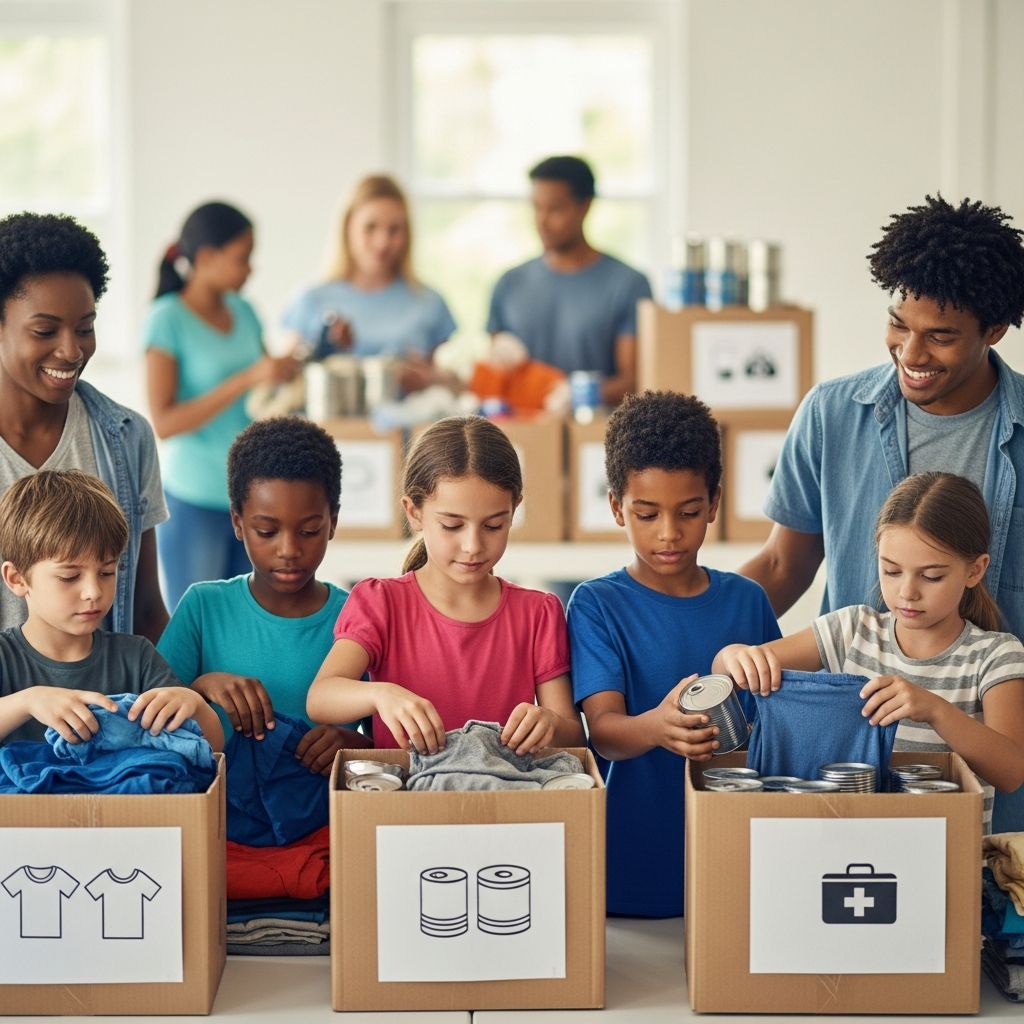
Building Character Through Community Service: Engaging Children in Disaster Relief
Natural disasters profoundly impact families and communities, leaving lasting emotional and physical scars. While adults often feel compelled to help, children frequently experience confusion and anxiety when witnessing such events on news outlets and social media. Rather than allowing children to feel helpless or frightened, parents and educators can transform these moments into powerful learning opportunities. By involving young people in age-appropriate relief activities, we teach them that compassion is not merely an emotion—it is an action. This approach helps children develop resilience, empathy, and a sense of agency while contributing meaningfully to recovery efforts.
Understanding the Long-Term Nature of Disaster Recovery
One critical misconception about disaster relief is that help is only needed immediately after a catastrophic event. In reality, communities require sustained support for months and even years following a major hurricane or flood. The initial emergency phase passes quickly, but families continue struggling with rebuilding homes, replacing lost possessions, and processing psychological trauma long after news coverage diminishes. Involving children in relief efforts sends a powerful message: affected communities deserve our ongoing attention and support. This perspective shifts children’s understanding from temporary charity to sustained community care, teaching them that meaningful change requires commitment over time.
Parents should facilitate conversations with their children about the realities of disaster recovery. Explain that people have lost not only their homes but also irreplaceable memories and possessions. Balance this difficult information by highlighting the resilience of survivors and the countless individuals working to rebuild. This honest communication helps children develop realistic expectations while maintaining hope and motivation to contribute.
Creative Fundraising Projects That Empower Young Participants
Children often have boundless creative energy and entrepreneurial spirit. Channeling these qualities into fundraising projects allows them to take ownership of relief efforts while generating meaningful financial contributions. One accessible option is operating a neighborhood refreshment stand—whether featuring lemonade, baked goods, or both. Children can design colorful signs explaining that proceeds support disaster victims, handle customer transactions, and track their fundraising progress. This hands-on experience teaches basic business skills while maintaining focus on the humanitarian mission.
Alternative fundraising approaches include organizing talent shows, car washes, or craft sales. The specific activity matters less than the child’s active participation in planning, execution, and reflection. Some families establish family fundraising challenges where each member contributes a specific amount through chores or part-time work, then collectively decides where to direct their accumulated funds. This collaborative approach reinforces family values while demonstrating that many people working together create substantial impact.
Assembling Care Packages With Personal Touches
Disaster victims lose access to everyday items most people take for granted. Assembling care packages provides children with tangible evidence of how their efforts translate into real support for struggling families. Begin by researching what items are most needed—this research phase itself becomes an educational opportunity. Children learn about displacement, loss, and practical survival needs.
Useful items for care packages typically include:
- Toiletries and hygiene products
- Socks and undergarments
- Blankets and warm clothing
- Non-perishable snacks
- Children’s toys and coloring books
- Diapers and baby supplies
- Gift cards for groceries or retailers
The most meaningful element is having children write personalized notes to package recipients. These handwritten messages from young strangers often provide emotional comfort surpassing the material contents. Children might include drawings, encouraging words, or simple expressions of solidarity. This element transforms a collection of items into a genuine human connection across distance and circumstance.
Building Sustained Community Partnerships
Rather than viewing disaster relief as a one-time event, families and organizations can establish ongoing relationships with affected communities. This might involve identifying a specific church, school, or community center that experienced significant hurricane damage and committing to support that institution for an extended period—six months or a year.
Sustained partnerships can take multiple forms:
- Monthly monetary contributions designated for ongoing recovery needs
- Regular prayer and spiritual support from a youth group or congregation
- Coordinated volunteer trips during school breaks to assist with physical reconstruction
- Periodic care packages timed to holidays and special occasions
- Letter-writing campaigns where local youth correspond with young people in affected areas
This approach teaches children that communities cannot rebuild overnight and that sustained compassion matters more than momentary enthusiasm. Young people witness the tangible results of their ongoing commitment, reinforcing the value of persistence and long-term thinking.
Specialized Relief Initiatives Addressing Overlooked Needs
While major relief organizations focus on essential supplies, certain critical items often fall through the cracks during disaster response. Diapers and infant formula represent one significant gap. These items consume enormous truck space relative to their weight, forcing relief coordinators to choose between transporting diapers or food. Specialized organizations like the Texas Diaper Bank address this specific need, and children can participate in diaper drives collecting these essential supplies for displaced families with infants and toddlers.
Toys and entertainment materials represent another often-overlooked category. Evacuated children experience trauma and uncertainty, and developmentally appropriate toys, coloring books, and games provide crucial emotional support and normalcy during chaotic circumstances. Organizing toy and activity drives gives children hands-on involvement in brightening the lives of young people facing unimaginable disruption.
Leveraging Technology and Modern Giving Platforms
Contemporary disaster relief benefits from digital tools that streamline giving and increase transparency. Numerous established organizations accept donations through text messaging, online platforms, and corporate partnerships. Children can learn about these modern giving methods, understanding how technology makes charitable support more accessible.
Major relief organizations accepting contributions include the American Red Cross, Salvation Army, and various community foundations. Teaching children about established relief infrastructure helps them develop critical thinking about where donations go and how different organizations approach recovery. Some platforms offer real-time updates on how funds are used, allowing young donors to see their contributions’ direct impact.
Processing Emotions While Helping Others
Engaging with disaster relief naturally brings up difficult emotions for children. They may feel scared, sad, guilty about their own safety, or overwhelmed by suffering they cannot fully prevent. Rather than shielding children from these feelings, parents and educators should create space for emotional processing alongside helping activities. Children need to understand that feeling sad about others’ suffering is appropriate, and that channeling those emotions into constructive action is a healthy response.
Facilitating conversations about helpers—the ordinary people who show up to rebuild, support, and restore—provides hopeful counterbalance to disaster’s devastating impacts. Highlighting stories of community resilience, volunteer efforts, and recovery successes helps children develop balanced perspectives that acknowledge suffering without succumbing to despair.
Age-Appropriate Involvement Strategies
Effective relief participation depends on matching activities to children’s developmental stages. Younger children (ages 5-8) benefit from concrete, hands-on projects like decorating care packages, choosing toys for donation, or creating artwork for survivors. These activities require minimal decision-making while providing clear, visible contribution.
Older elementary-aged children (ages 9-11) can manage more complex projects like organizing fundraising events, researching relief organizations, or writing letters and journal entries for affected peers. They can understand cause-and-effect relationships and feel genuine satisfaction from watching their efforts translate into results.
Teenagers possess the cognitive and physical capacity for sophisticated involvement including volunteer coordination, event planning, social media promotion of relief efforts, or even app development to facilitate disaster communication. Older youth often develop deeper commitment when given genuine responsibility and decision-making authority.
Documenting and Reflecting on the Experience
Children benefit from documentation and reflection that solidifies learning from relief participation. Families might photograph fundraising efforts, maintain journals tracking collections, or create video updates about their progress. This documentation serves multiple purposes: it provides accountability, creates lasting memories, and offers tools for sharing the experience with extended family and community.
Reflection conversations should explore what children learned about human interconnection, resilience, and their own capacity to create positive change. Questions might include: “What surprised you most about this experience?” “How do you think your efforts helped?” “What would you do differently next time?” These reflections consolidate abstract learning into concrete understanding about compassion, community, and personal agency.
Overcoming Barriers to Participation
Some families face logistical challenges in participating in traditional relief activities. Geographic distance, financial constraints, or mobility limitations may prevent attendance at events or physical volunteer trips. However, numerous remote participation options exist. Families can contribute monetary donations, participate in online fundraising, send care packages through mail, or engage in virtual letter-writing campaigns. The specific method matters less than genuine, thoughtful engagement suited to each family’s circumstances.
Long-Term Development of Compassionate Citizens
Disaster relief participation serves immediate humanitarian purposes while also shaping children’s character and values long-term. Young people who experience the satisfaction of meaningful helping often develop lifelong commitments to community service. They learn that individual actions matter, that organized effort produces real results, and that compassion combined with action creates change. These lessons extend far beyond any single disaster, influencing how children approach challenges throughout their lives.
References
- 6 Ways Kids Can Help Hurricane Harvey Victims — Super Church. 2017. https://www.superchurch.com/blog/6-ways-kids-can-help-hurricane-harvey-victims.html
- 10 Smart Ways You Can Help Hurricane Victims — Kids That Do Good. 2017. https://kidsthatdogood.com/news/hurricane-harvey-help/
- Ways to Help Hurricane Harvey Victims — Texas Homeless Network. 2017. https://www.thn.org/2017/08/29/ways-help-hurricane-harvey-victims/
- High School Students Create App to Record Children’s Experiences from Hurricane Harvey — Children at Risk. 2017. https://childrenatrisk.org/hurricane-harvey/
- 8 Ways to Help the Victims of Hurricane Harvey — Eartheasy. 2017. https://eartheasy.com/blogs/off-grid-preparedness/8-ways-to-help-the-victims-of-hurricane-harvey